

Dark Mahogany Dressing Glass
A dark mahogany dressing glass brings warmth and utility to a room, offering adjustable reflection in a rich timber frame.
Dark Mahogany Dressing Glass
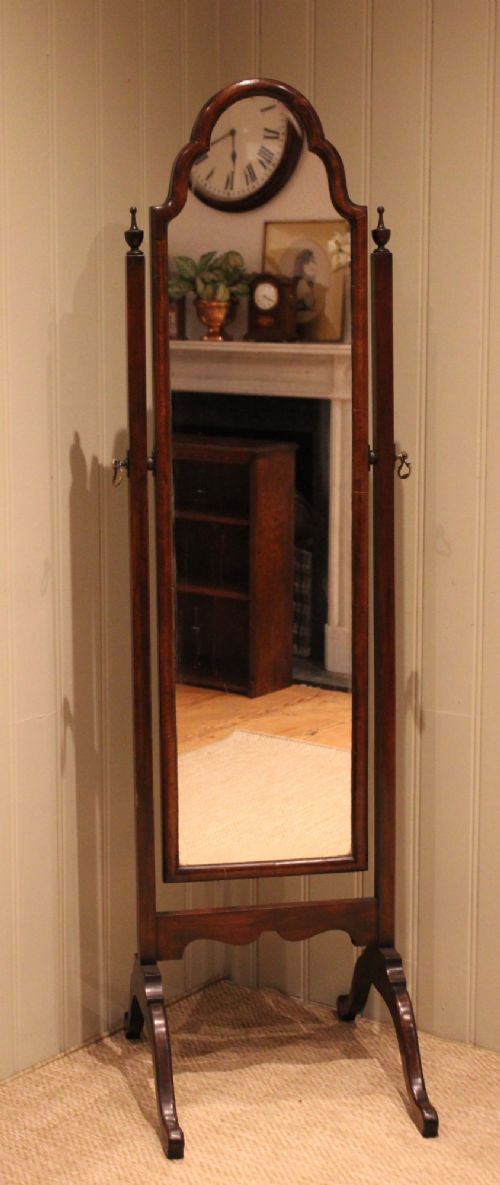
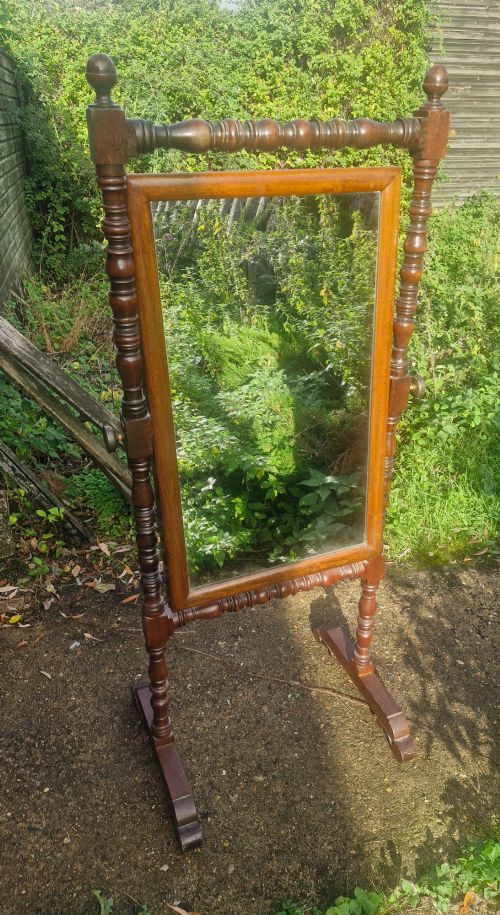
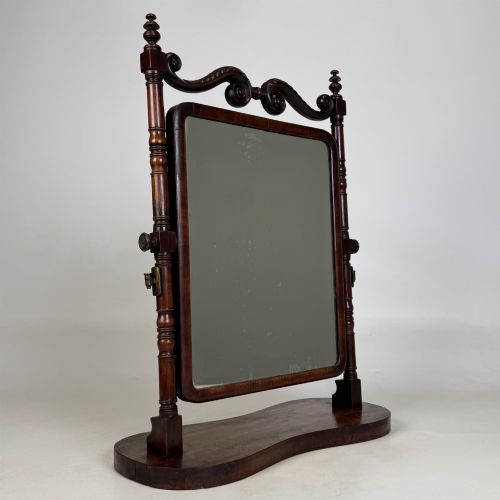
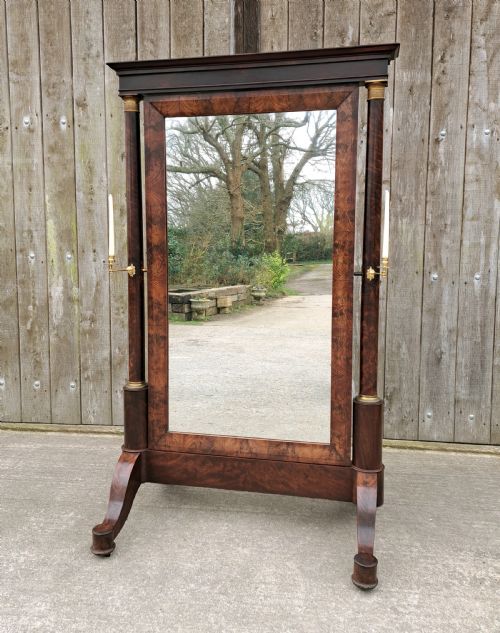
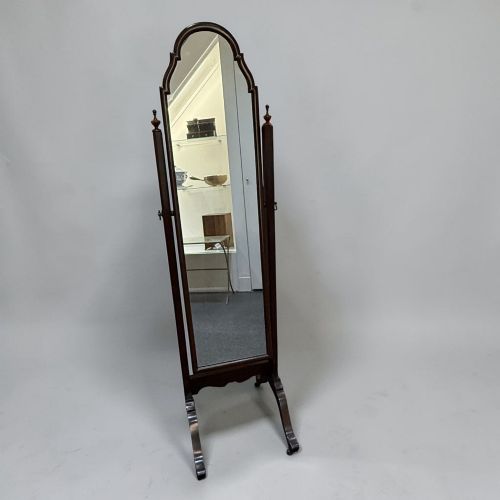
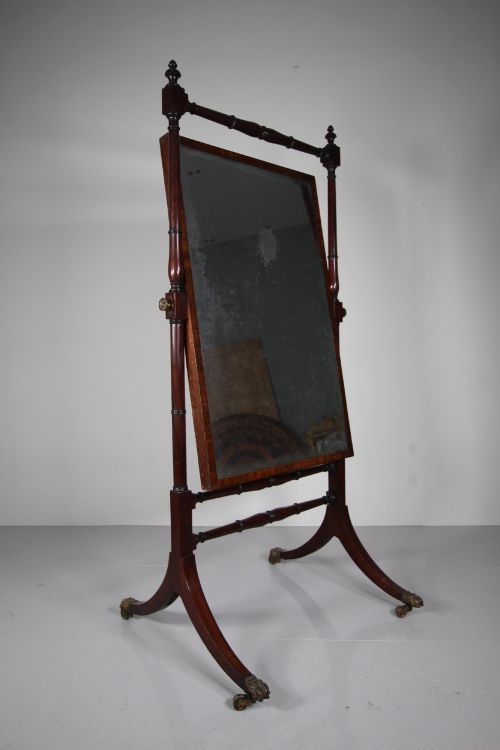
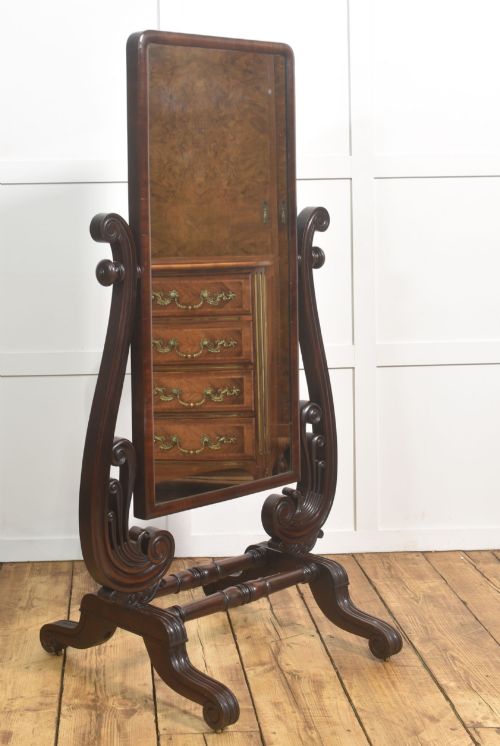
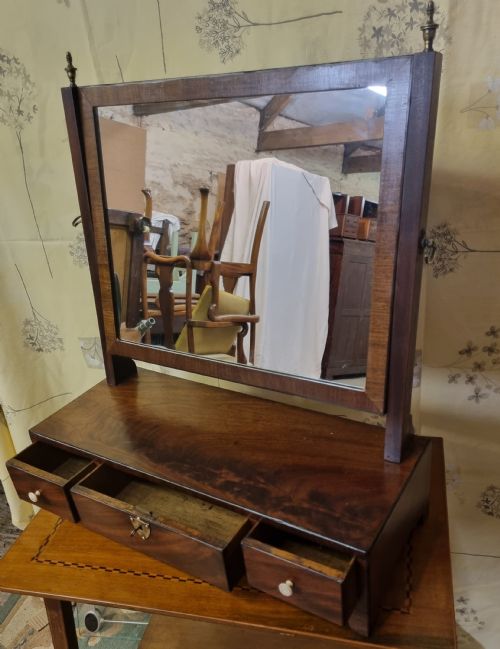
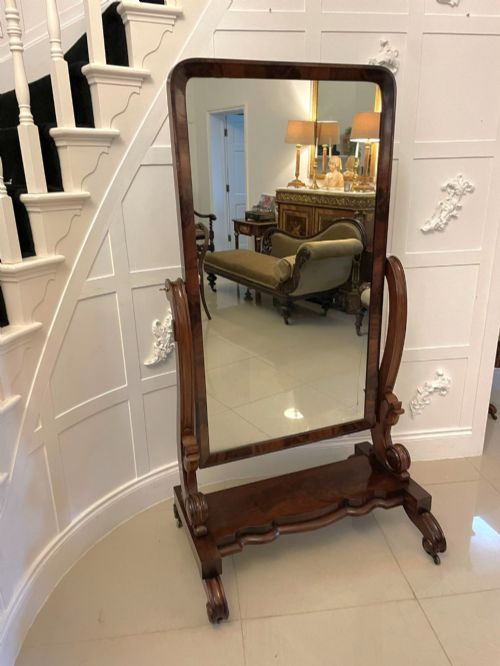
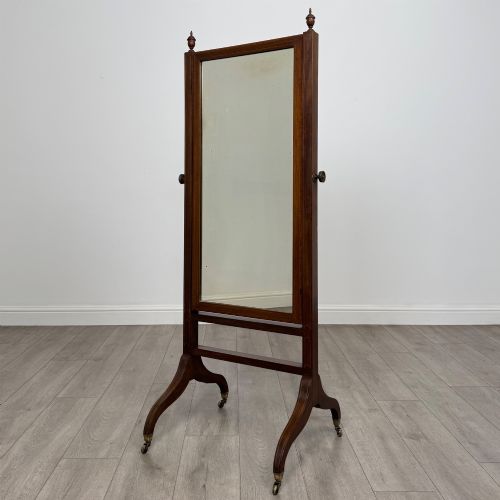
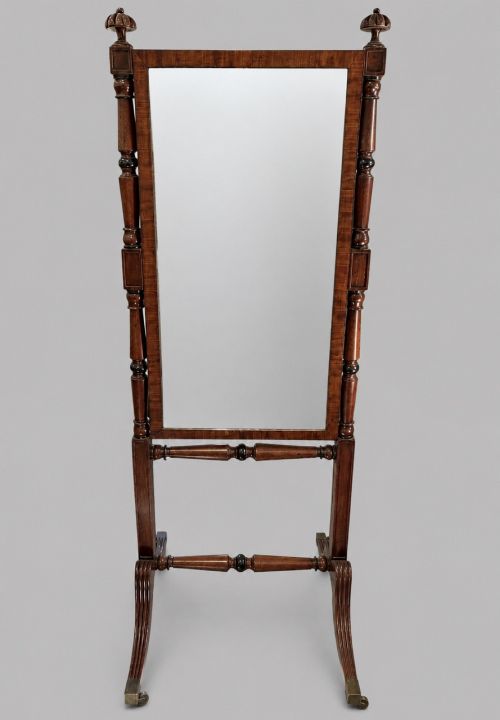
A dark mahogany dressing glass provides a functional surface for personal grooming while adding traditional timber character to an interior. These pieces range from small table top toilet mirrors to large floor standing cheval frames.
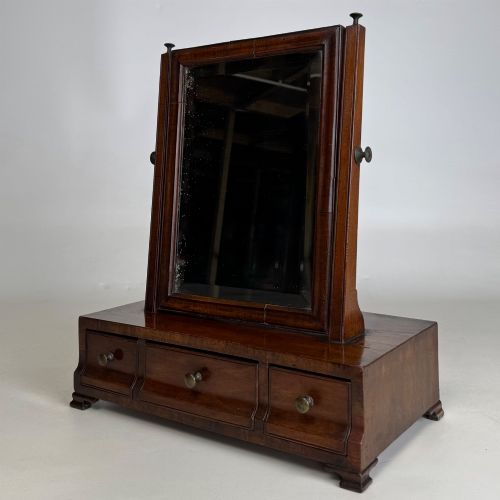
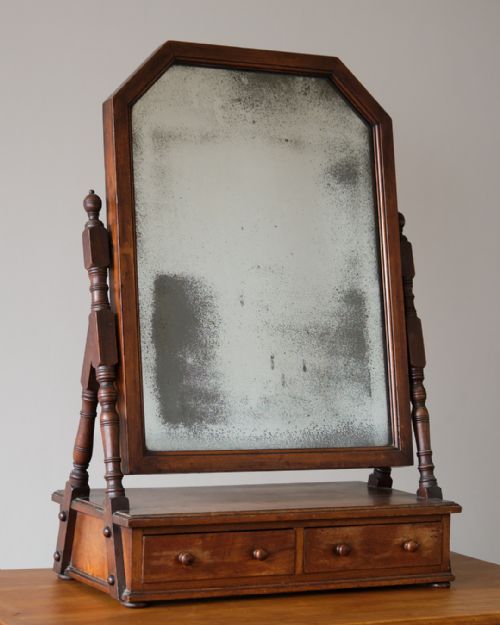
The versions most commonly found here date from the Georgian, Regency and Victorian periods. They typically combine a pivoting mirror plate with a sturdy frame, occasionally incorporating small drawers at the base.
Makers produced these mirrors in various formats, including swing mirrors designed for chests of drawers and full length freestanding swivel glasses. The timber shows deep reddish brown tones that darken with age.
Construction and materials
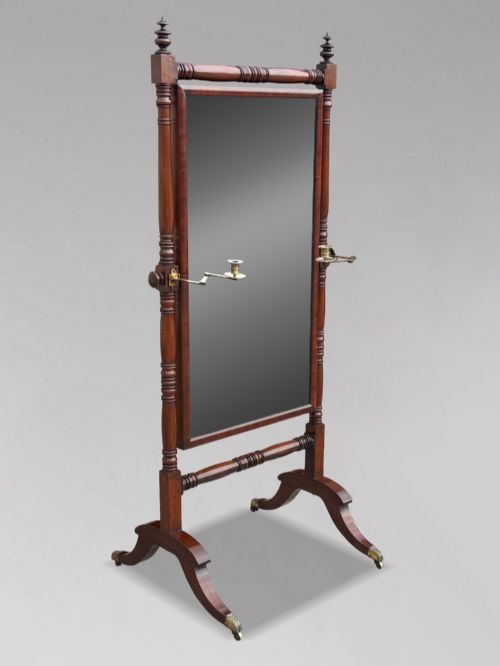
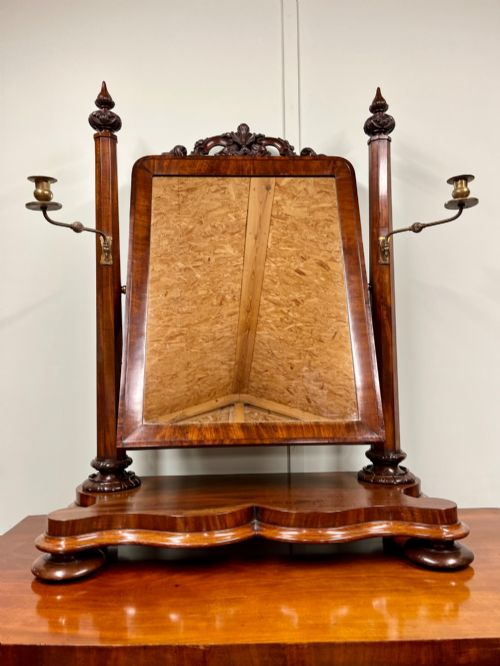
Craftsmen built these frames using solid mahogany and mahogany veneers applied to secondary woods. Brass fittings, including pivot screws and candle arms, secure the glass and allow it to tilt.
Dark Mahogany Dressing Glass Retail Price Guide 2026
Typical asking prices for dark mahogany dressing glass among the pieces listed under this phrase on Sellingantiques today, from the lower quarter to the upper quarter. They describe what is for sale here now, not the wider market.
Listings feature mahogany dressing glasses spanning the Georgian, Regency, Victorian and Edwardian eras, alongside 18th and 20th century examples.
Assessing quality
Quality rests upon the selection of the timber grain, the crispness of any carved details, and the robustness of the pivoting mechanism. Superior examples display thoughtful proportions and careful joinery that keeps the swing frame steady.
The condition of the mirror plate and the originality of the brass hardware significantly influence the character of the piece. Subtle details such as dovetailed drawer construction mark out finer workshop production.
Heal & Sons
The Dark Mahogany Dressing Glass Glossary
- Cheval mirror
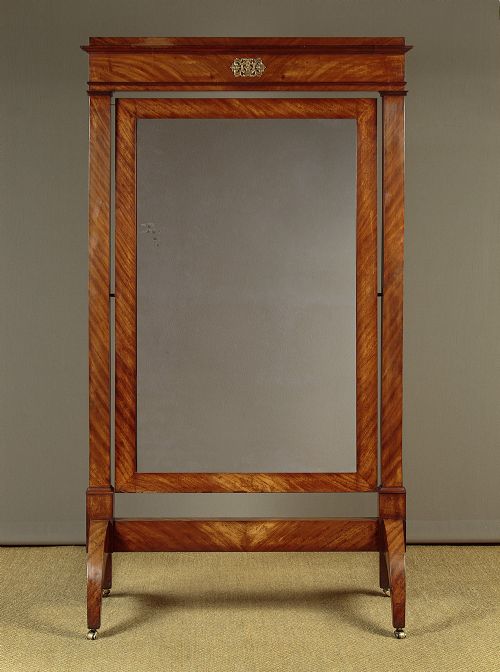
- A large freestanding swing mirror supported on a vertical frame with four legs. This design allows a full length view of the user.
- Toilet mirror
- A smaller dressing mirror designed to sit upon a table, chest or dressing chest. These often incorporate small storage drawers beneath the plate.
- Swing mirror
- A mirror plate mounted on horizontal pivots between two upright posts. This allows the glass to tilt forward or backward.
- Marquetry
- Decorative inlay work using various coloured woods to create patterns on the surface. Dutch examples often display floral motifs.
- Parcel-gilt
- Partially gilded woodwork where gold leaf highlights specific carved details. This technique adds contrast against the dark mahogany.
Dark Mahogany Dressing Glass: Frequently Asked Questions
Where should I place a dressing glass?
These mirrors suit bedroom dressing tables, chests of drawers or console tables where they can sit securely. Freestanding cheval versions stand directly on the floor in bedrooms or dressing rooms.
Ensure the surface supports the weight of the frame and that natural light falls favourably across the mirror plate for daily use.
How do I adjust a swing mirror?
Most swing mirrors use side pivot screws or nuts threaded into the upright posts. Tightening or loosening these brass fixtures controls the resistance of the tilting action.
Take care to support the glass with one hand while adjusting the hardware to prevent sudden movement or strain on the frame.
Can I replace the mirror plate?
Historic mirrors often retain their original glass, which may show foxing, speckling or slight silver loss due to age. Collectors generally prefer this genuine patina over a modern replacement.
If the glass is broken beyond use, a specialist glazier can cut a new plate to fit the historic rebate of the wooden frame.
How do I care for mahogany timber?
Dust the mahogany frame regularly with a soft, dry cloth to prevent the accumulation of grit. Avoid placing the mirror in direct sunlight or near heat sources to protect the polish and wood.
Apply a traditional beeswax polish occasionally to nourish the timber and maintain a deep, natural lustre without building up heavy chemical layers.