
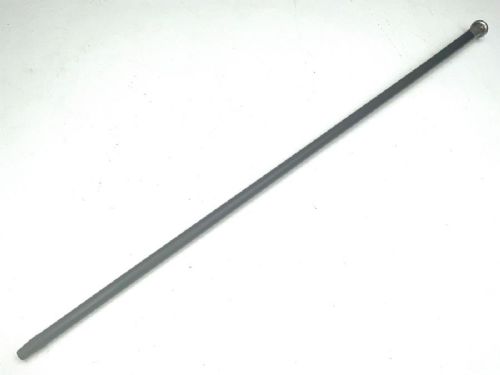
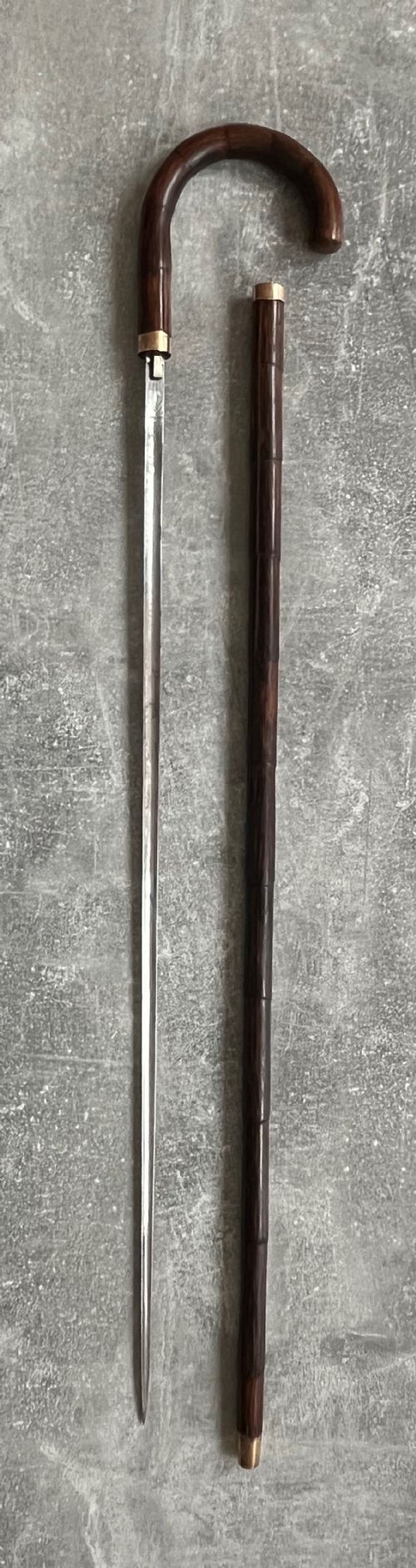
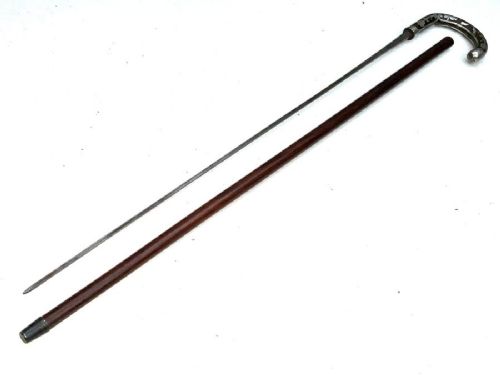
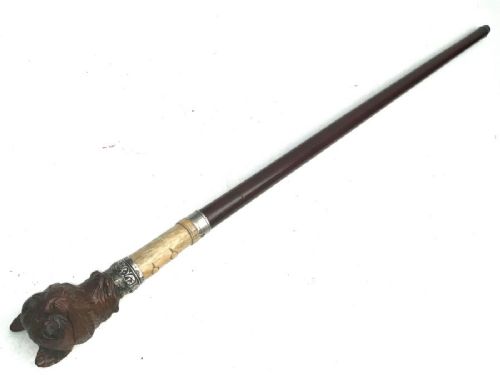
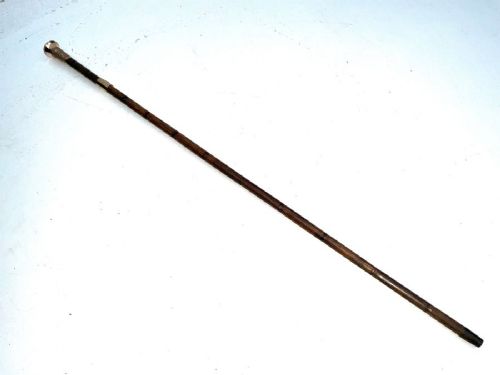
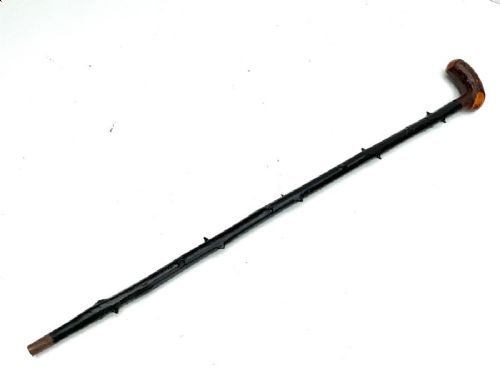


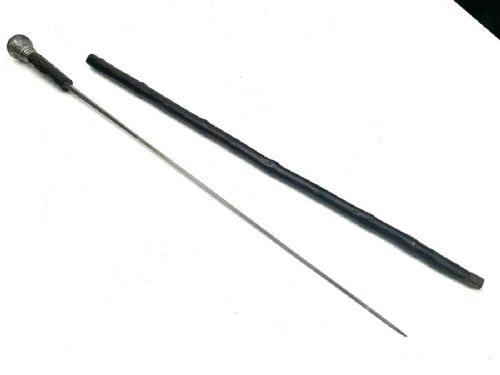


Dark Wood Sword Cane
A dark wood sword cane offers discreet personal defence packaged as a gentleman's walking stick.
Dark Wood Sword Cane
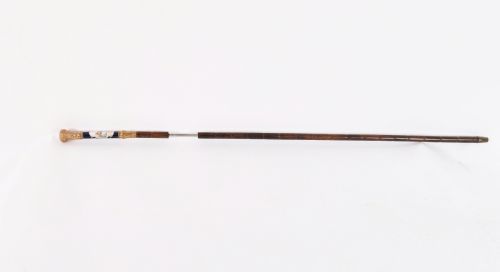
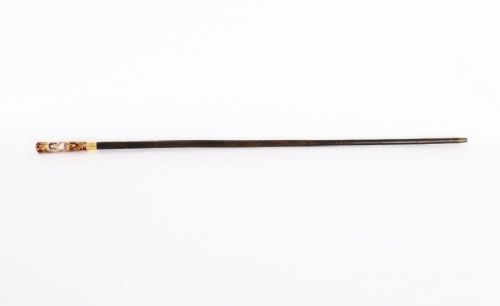
A dark wood sword cane combines a concealed steel blade within a traditional walking stick, representing a discreet accessory for personal protection during the Victorian era. These items span various periods from the late nineteenth century into the early twentieth century, reflecting the craftsmanship of British and French makers. The most common examples take the form of gentleman's walking sticks fashioned from durable timbers like partridge wood and hardwood.
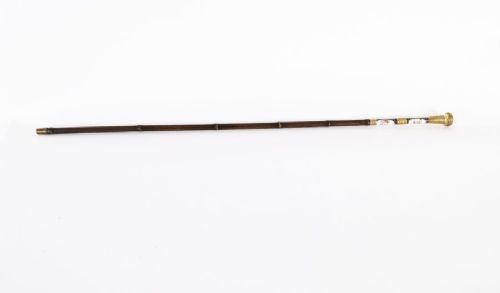
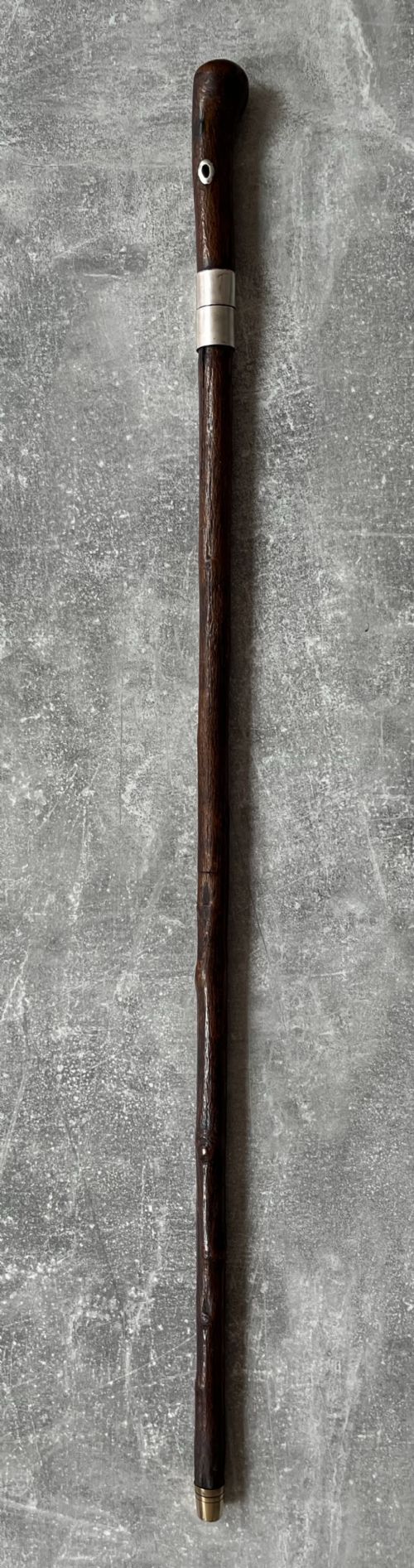
Makers produced these functional items with specialised handle designs, including root-ended grips and ornate gold-plated or porcelain mounts. Certain pieces incorporate specific cultural motifs such as Masonic styling, while others utilise a faux bamboo appearance on the wooden shaft. Each piece functions primarily as a walking aid while housing a concealed Toledo blade or standard steel blade inside.
How they were made
Artisans constructed the shafts using dense materials such as partridge wood, hardwood, and fashioned wood shaped to resemble bamboo. Craftsmen integrated brass, silver, gilt metal, and porcelain elements into the handles and collars to provide decorative contrast against the dark timber.
The internal mechanism relies on a fitted steel blade secured within the wooden scabbard, often utilising a Toledo blade for the cutting edge. Makers shaped natural root timber for ergonomic handling, ensuring the finished walking stick retained a balanced weight and appearance.
Dark Wood Sword Cane Retail Price Guide 2026
Typical asking prices for dark wood sword cane among the pieces listed under this phrase on Sellingantiques today, from the lower quarter to the upper quarter. They describe what is for sale here now, not the wider market.
Listings feature items spanning the nineteenth century and early twentieth century, utilising materials such as steel, partridge wood, porcelain, and brass.
What varies in quality
Quality differences emerge through the selection of timber and the refinement of the handle ornamentation, moving from simple root-ended wood to elaborate gilt metal and Sevres porcelain mounts. Superior examples exhibit precise joinery between the wooden shaft and the handle to conceal the internal blade seamlessly.
The origin and execution of the steel blade dictate the technical standard of the piece, with named makers like Brigg and recognised blade types such as Toledo representing superior manufacturing provenance. The integration of decorative elements like silver fittings and detailed porcelain further distinguishes standard walking sticks from finer presentation pieces.
BRIGG·MASONIC·Kendal
The Dark Wood Sword Cane Glossary
- Sword cane
- A walking stick fitted with a concealed internal blade designed for protection. It allows the owner to carry a sharp weapon hidden in plain sight.
- Toledo blade
- A steel blade originating from the Spanish city renowned for traditional sword-making. These blades are valued for their flexibility and strength.
- Partridge wood
- A dense tropical timber characterised by distinct partridge-feather patterning. Makers utilised this durable material for shafts that required both strength and visual appeal.
- Faux bamboo
- A wooden shaft carved and painted to imitate natural bamboo sections. This decorative technique was popular during the nineteenth century for walking sticks.
- Sevres porcelain
- Fine ceramic material produced by the French factory, often incorporated into luxury cane handles. It provides a smooth, painted surface for ornamental pieces.
Dark Wood Sword Cane: Frequently Asked Questions
How do you open a sword cane?
Opening a sword cane typically involves releasing a locking mechanism or pulling the handle straight out from the wooden scabbard. The internal blade slides smoothly from the protective wooden housing.
Users must handle these pieces with care to preserve the original fit and alignment between the handle and the shaft over time.
Are these items from the Victorian period?
Many examples originate from the Victorian era and the late nineteenth century, reflecting the styles and manufacturing techniques of that time. Makers produced them across various decades up to the early twentieth century.
Characteristics such as steel blades, partridge wood shafts, and French porcelain mounts help identify pieces from this broad historical timeframe.
How do you care for wooden walking sticks?
Caring for wooden walking sticks involves keeping them in stable indoor environments away from excessive moisture and direct heat. Applying appropriate wood balms helps maintain the condition of the timber shaft.
The internal steel blade benefits from occasional light oiling to prevent corrosion within the wooden scabbard.