


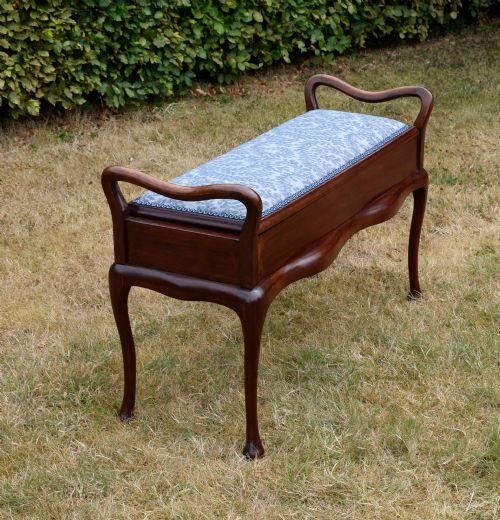
Dark Wood Storage Box
These dark wood storage box examples range from seventeenth-century panelled coffers to Victorian mahogany chests, offering practical capacity within historic timber.
Dark Wood Storage Box
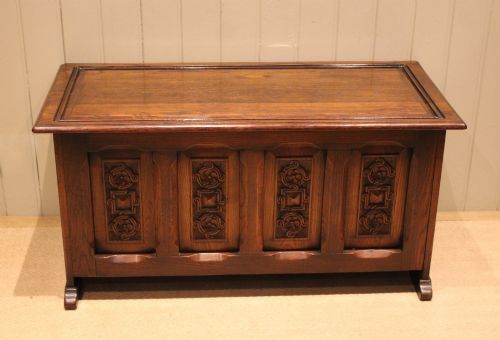
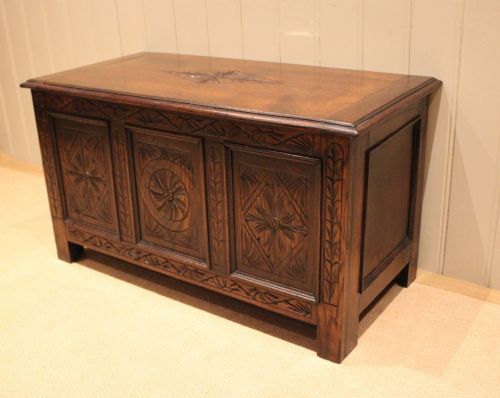
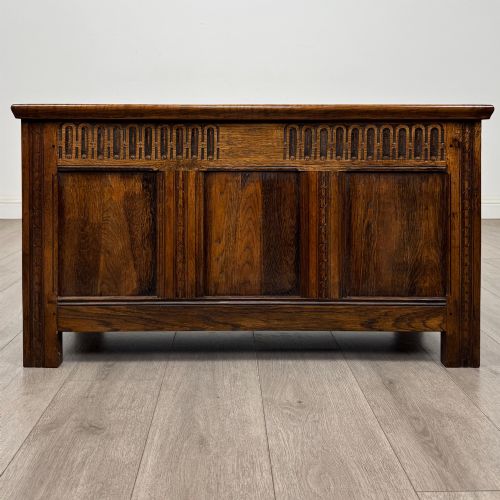
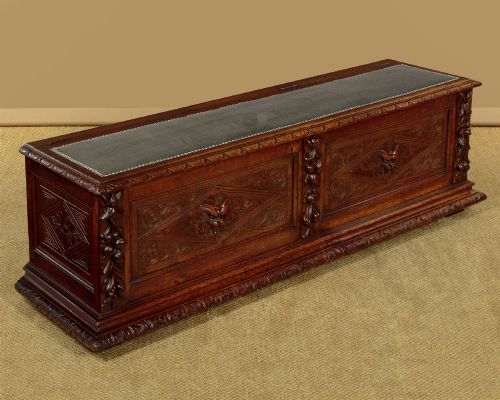
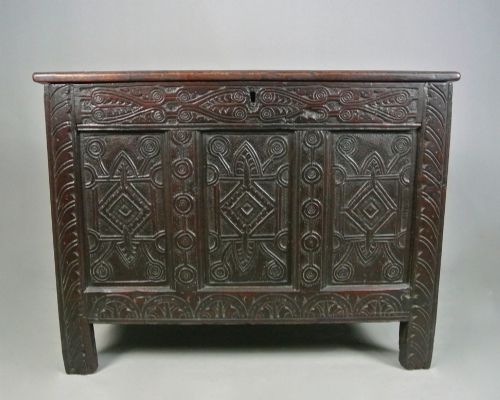
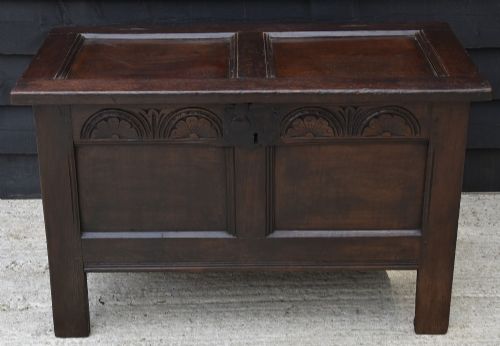
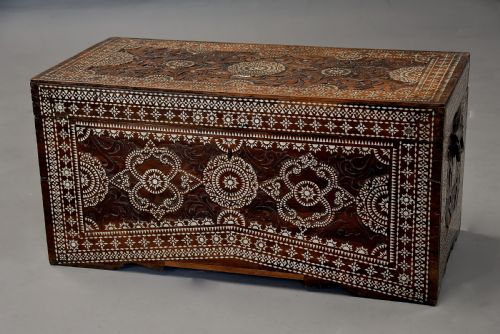
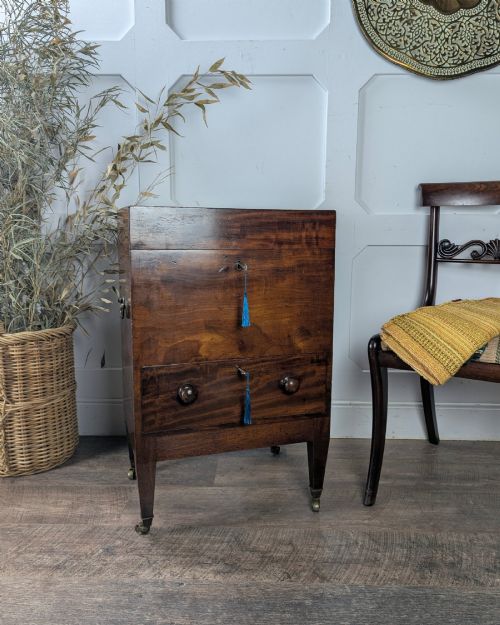
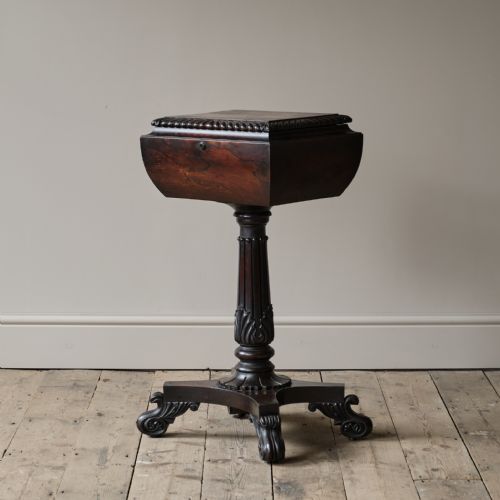
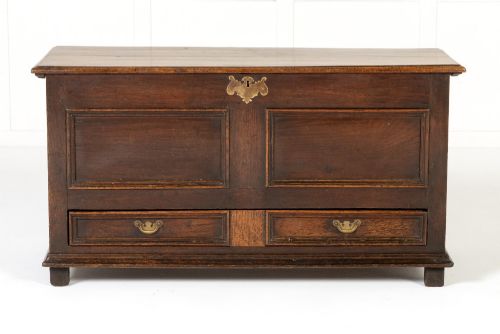
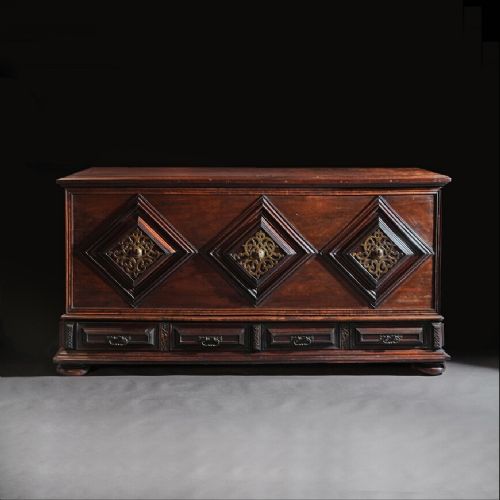
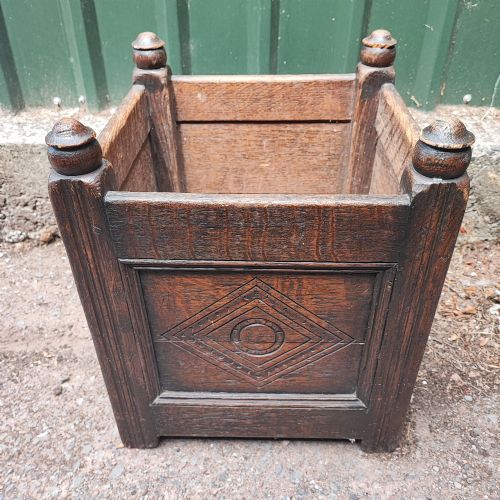
When you search for a dark wood storage box, you encounter a broad spectrum of heavy timber containers spanning several centuries of domestic and utilitarian craft. The selection focuses heavily on oak coffers, blanket chests, and utilitarian storage boxes from the seventeenth, eighteenth, and nineteenth centuries. You also meet specialised containers such as rosewood tea caddies, mahogany cellarettes, and inlaid trunks from regional traditions.
The dominant forms are sturdy oak coffers and chests originating from English country houses and vernacular workshops. These pieces were built to secure linens, documents, and valuables in domestic settings, utilising dense heartwood that endures through generations. Alongside these domestic boxes, you find imported hardwood chests and small-scale caddies that served specialised storage functions.
What varies in quality
The integrity of the original timber and the crispness of hand-carved details distinguish superior pieces from utilitarian work. Boxes retaining their original iron or brass hardware, working locks, and uncompromised internal structures hold greater architectural and historical coherence. Alterations to hinges, replaced lids, or excessive surface stripping diminish the integrity of older chests.
Proportion and regional character also dictate distinction across the range, with small-scale proportions and well-figured grain commanding particular interest. Pieces displaying regionally specific characteristics, such as Dorset panelling or specific colonial carving techniques, demonstrate higher artisanal ambition than standard utilitarian boxes.
The listings encompass centuries of cabinet-making, utilising dense timbers including oak, teak, mahogany, and rosewood across multiple global regions.
James Shoolbred & Co
The Dark Wood Storage Box Glossary
- Coffer
- A heavy timber storage chest, typically fitted with a hinged lid and used for securing household valuables. Early versions frequently feature panelled construction and robust oak timbers.
- Cellarette
- A lockable container designed for holding wine bottles or decanters, often found in mahogany during the Georgian period. They sat near the dining table to dispense beverages conveniently.
- Teapoy
- A small box or table on a pillar and claw feet designed to hold multiple varieties of tea leaves. These containers often featured internal compartments and secure locks.
- Mule chest
- A storage chest characterised by one or more drawers built into the base beneath the primary compartment. This form evolved from standard coffers to provide easier access to smaller items.
- Linenfold
- A style of wood carving that imitates folded linen cloth, commonly seen on panels of sixteenth and seventeenth-century furniture. It represents a subtle decorative technique used to break up large flat wooden surfaces.
Dark Wood Storage Box: Frequently Asked Questions
What were dark wood storage boxes used for?
These boxes served primarily to secure valuable textiles, family documents, and personal belongings in homes before built-in closets became common. Smaller variants held luxury commodities like tea leaves, wine bottles, and jewellery.
Over the centuries, their roles shifted from essential household security items to decorative furniture pieces that anchor room layouts while providing concealed storage.
How do I date an old oak coffer?
Dating relies on examining construction methods, such as the presence of hand- split oak boards, pegged joints, and the evolution of panel styles like linenfold or geometric mouldings. Tool marks left by adzes and saws also provide clues to the manufacturing era.
Hardware elements such as iron strap hinges and box locks help narrow down the period, though latches and hinges were frequently replaced or repaired over long histories.
How do I care for antique hardwood chests?
Keep wooden storage pieces away from direct heat sources and sudden humidity fluctuations to prevent the timber from splitting or warping. Applying traditional beeswax periodically helps nourish dry hardwood surfaces without building up heavy synthetic residues.
Avoid placing damp items inside historical trunks, and ensure adequate ventilation to protect both the interior lining and the structural integrity of the box.
Are these chests suitable for modern living rooms?
Their robust construction makes them practical coffee tables or seating benches while offering functional concealment for blankets and media equipment. Small proportions fit easily into hallways or bedrooms as statement accent pieces.
Matching the deep tones of historic timber with contemporary interiors depends on balancing the heavy visual weight of the wood against lighter surrounding decor.