
Dark Wood Plaque
These dark wood plaque selections bring centuries of carving, architectural salvage and relief work straight to your wall.
Dark Wood Plaque
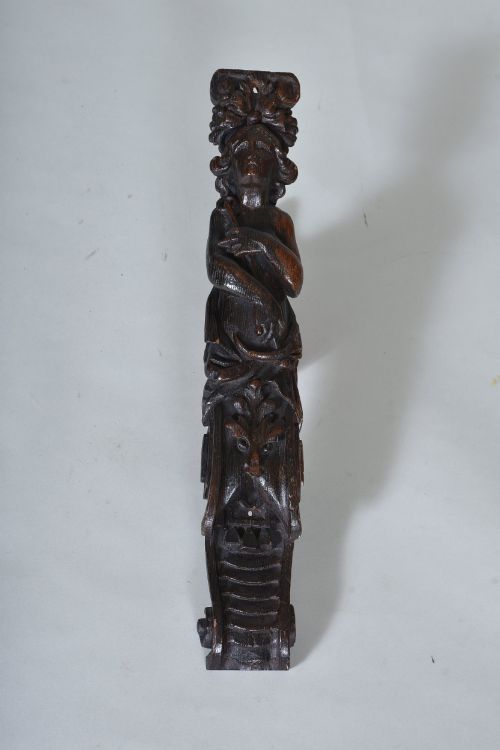
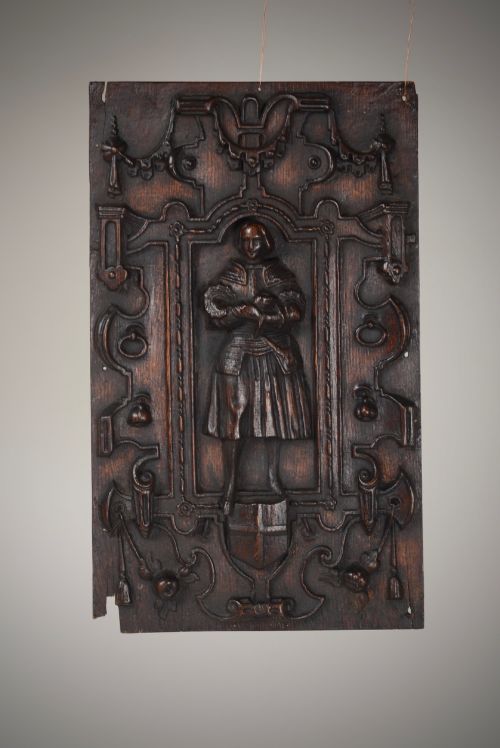
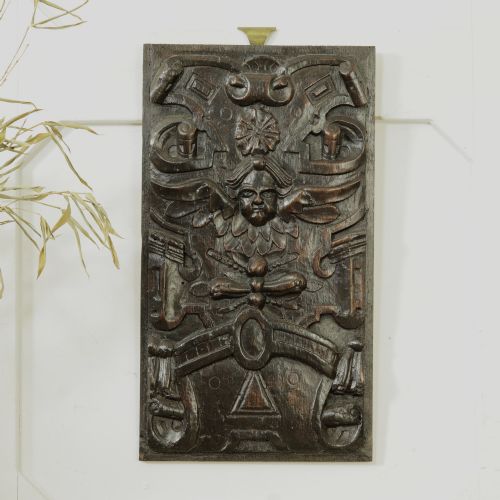
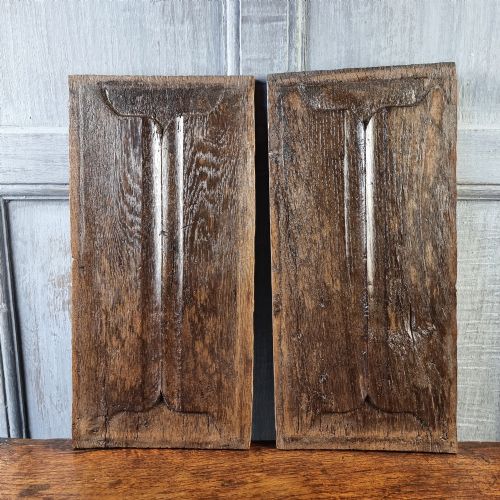
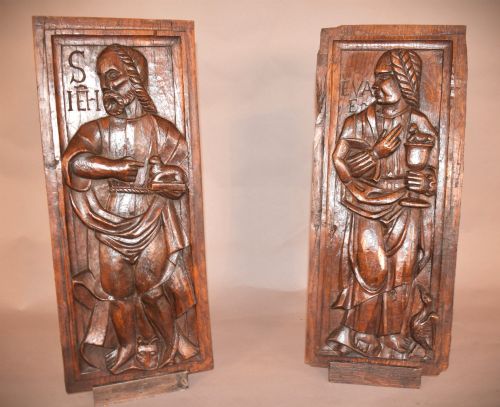
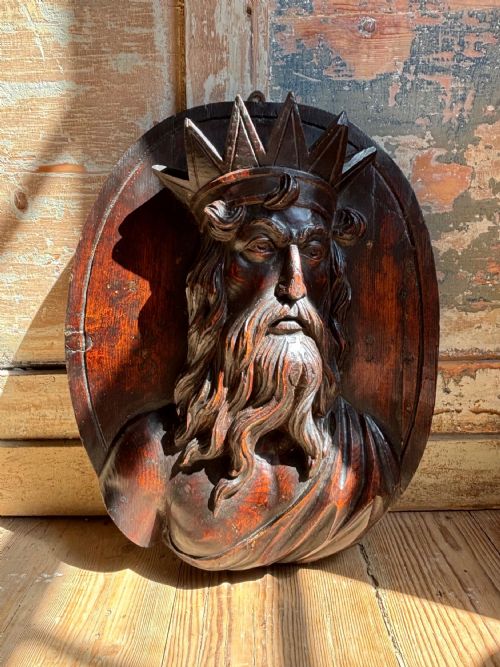
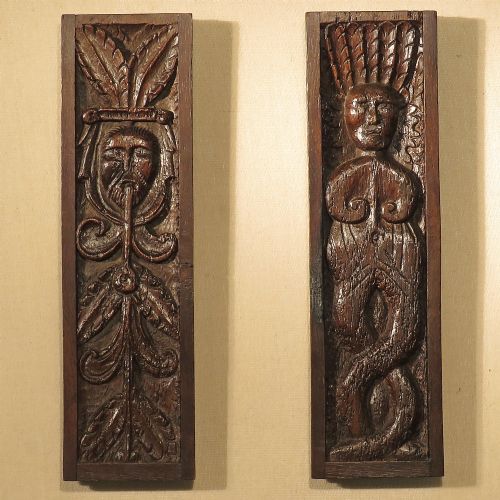
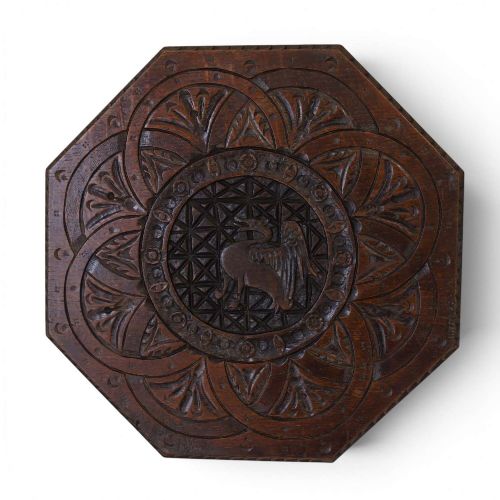
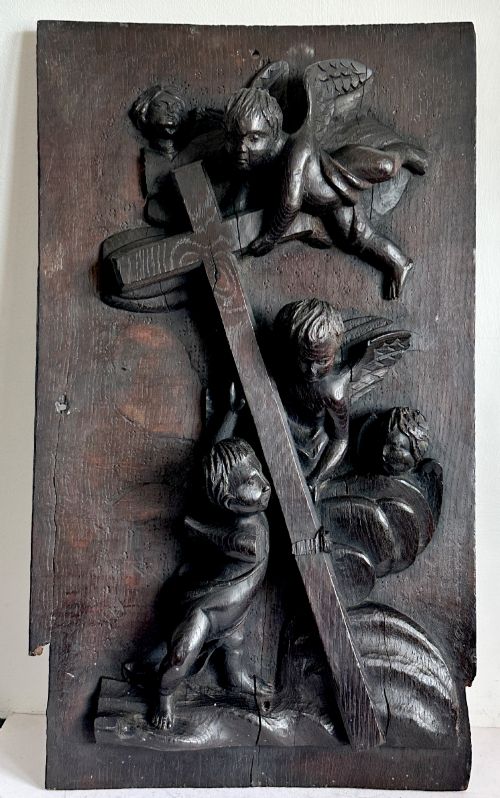
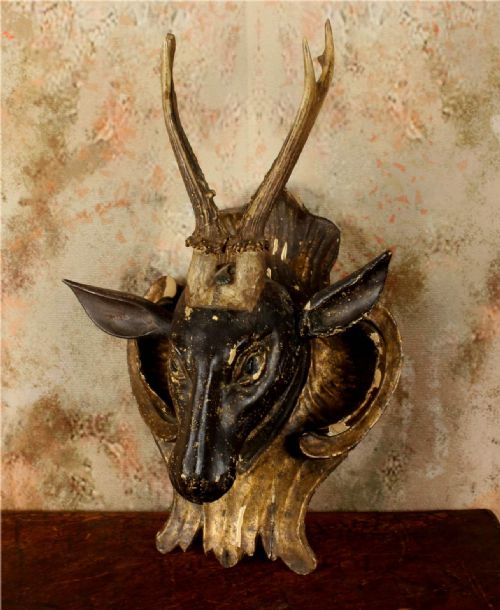
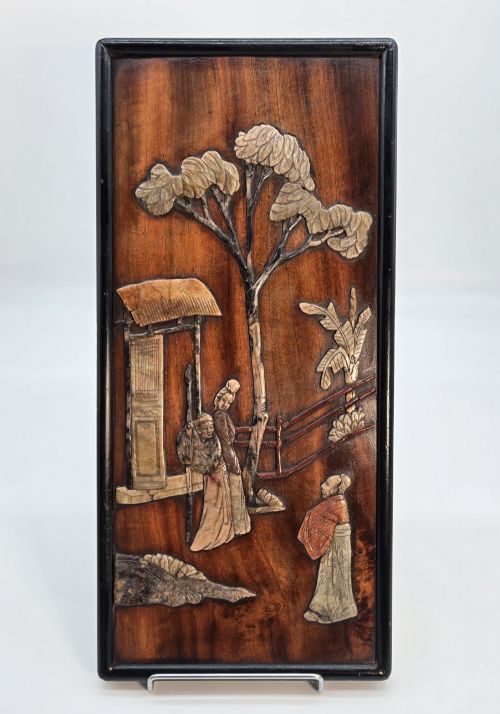
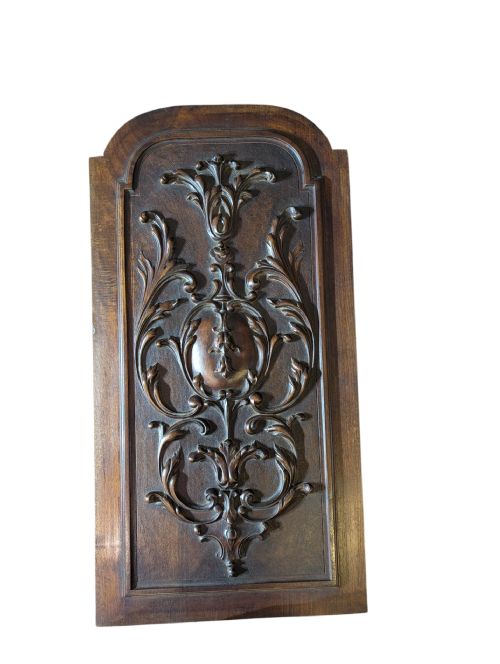
A dark wood plaque encompasses a range of carved panels, architectural salvage, and wall reliefs originating from periods spanning the sixteenth century through to the twentieth century. These items manifest as linenfold panels, figural carvings depicting biblical or mythological subjects, and hunting trophies associated with Black Forest production.
The objects frequently serve as focal wall art or repurposed fragments such as former tabletops, cart fragments, and book covers. Oak and walnut form the primary backbone of these offerings, supplemented by painted surfaces and occasional metal enhancements.
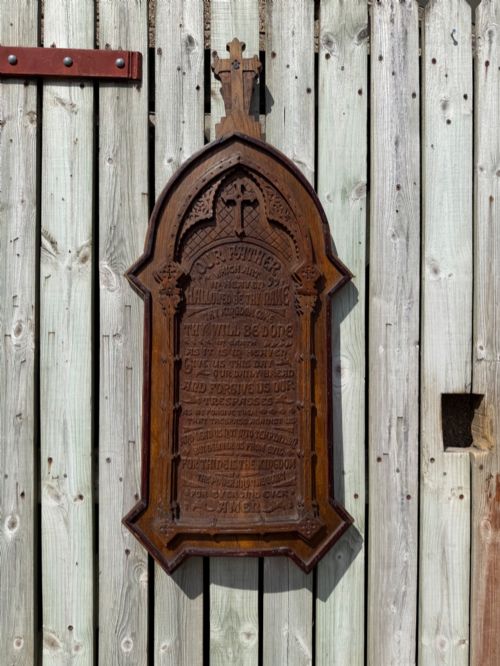
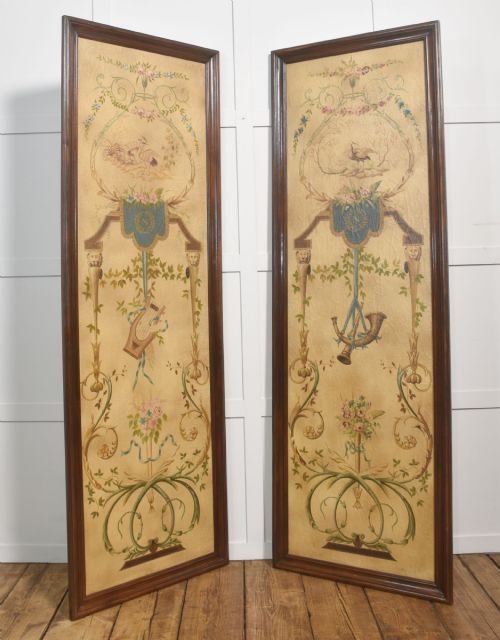
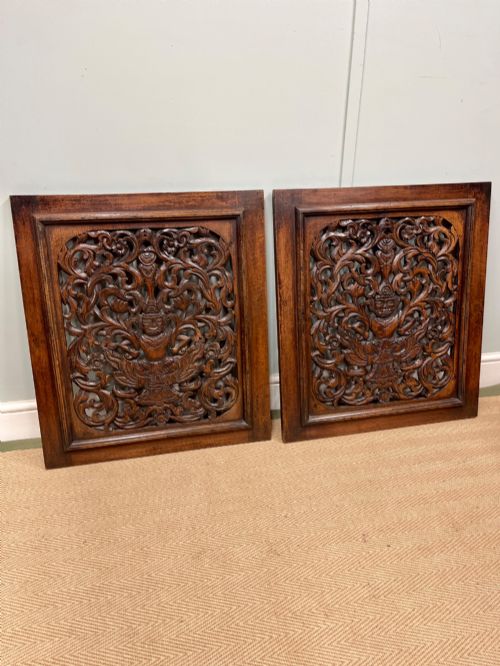
Early examples incline toward seventeenth-century Baroque and Gothic Revival styles, whilst later iterations stretch into Victorian and early twentieth-century decorative schemes. Buyers encounter everything from small individual portraits to monumental walnut panels and matching pairs.
Factors determining quality
Depth and crispness of the carving separate standard architectural fragments from masterworks of high relief. The fidelity of human anatomy, facial expression, and ornamental acanthus leaves demonstrates the hand of a skilled carver rather than mass production.
Integrity of the timber and historical continuity dictate desirability, with untouched original surfaces and period mounting hardware holding more interest than heavily restored or later married elements.
Listings feature periods ranging from sixteenth-century ecclesiastical fragments to twentieth-century decorative panels and hunting trophies.
The Dark Wood Plaque Glossary
- High-Relief
- Carving where figures and motifs project substantially from the background plane, creating strong shadows and three-dimensional depth. This technique requires considerable skill from the woodcarver.
- Linenfold
- A style of wood panelling carved to resemble folded vertical strips of cloth, popular in Tudor and sixteenth-century joinery. It provides a structured geometric texture to flat wooden surfaces.
- Black Forest
- A nineteenth-century regional style of wood carving originating from central Europe, known for realistic depictions of animals, hunting trophies, and forest foliage. These pieces often incorporate deep undercutting and naturalistic textures.
- Architectural Salvage
- Building elements rescued from older structures for decorative reuse, including panels, friezes, and carved fragments. They preserve historic craftsmanship outside their original structural context.
- Cart Fragment
- A remnant piece removed from a traditional painted and carved regional transport cart, frequently repurposed as a decorative wall hanging. These sections display bright pigments and folk art carving.
Dark Wood Plaque: Frequently Asked Questions
How do I hang a heavy wooden wall plaque?
Heavy carved wood panels require secure wall anchors and robust steel fixings rated for substantial weight. Many historical pieces feature integrated battens or structural framing on the reverse to support direct screw mounting into wall studs.
Professional installation is recommended for monumental walnut or oak panels to distribute the load evenly and protect the timber edges from stress fractures over time.
Can I tell the age of a carved oak panel?
Examining the timber shrinkage, tool marks, and construction joints helps determine the period of a carved panel. Sixteenth and seventeenth-century pieces exhibit hand-Hewn backing, pegged mortise and tenon frames, and dense oak grain that differs from later machine-sawn timber.
Staining, wax accumulation in recessed crevices, and wear patterns around mounting points provide additional physical evidence of age and continuous handling.
What is a Green Man carving?
A Green Man is a sculptural motif consisting of a human face surrounded by or sprouting from foliage, vines, or leaves. It appears frequently in medieval and revival architectural woodwork as a symbol of rebirth and spring.
These faces emerge subtly from carved oak panels and architectural fragments, adding a folkloric and decorative element to wall displays.
How should I clean antique wood carvings?
Dusting gently with a dry, soft-bristled brush or microfibre cloth preserves the accumulated wax and historical patina of dark wood carvings. Avoid using liquid polishes, water, or chemical cleaners that can damage dry historic timber and soften painted or gilded surfaces.
Applying microcrystalline wax sparingly once every few years helps nourish dry oak or walnut without building up sticky residue in intricate relief crevices.