


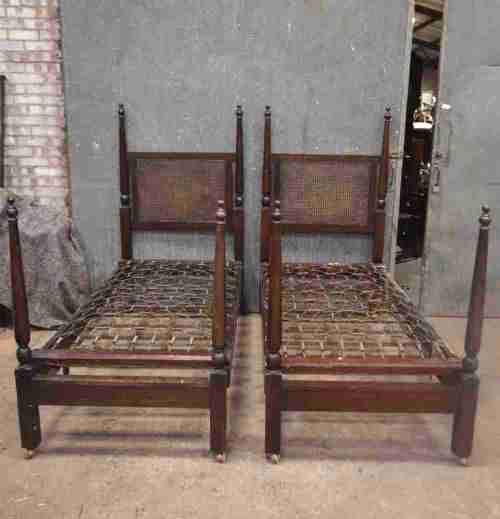
Dark Wood Panel
Dark wood panel items bring substantial texture and rich historical weight into a room, spanning periods from the sixteenth century onwards.
Dark Wood Panel
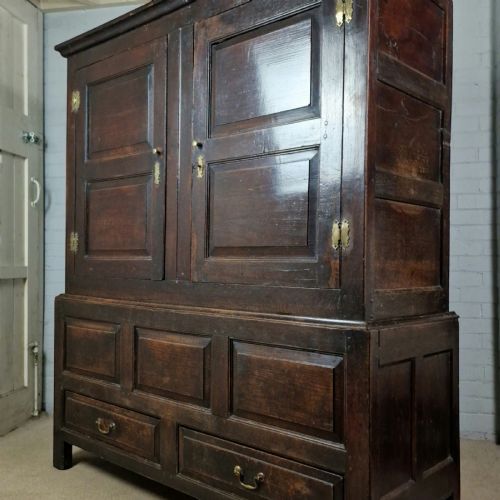
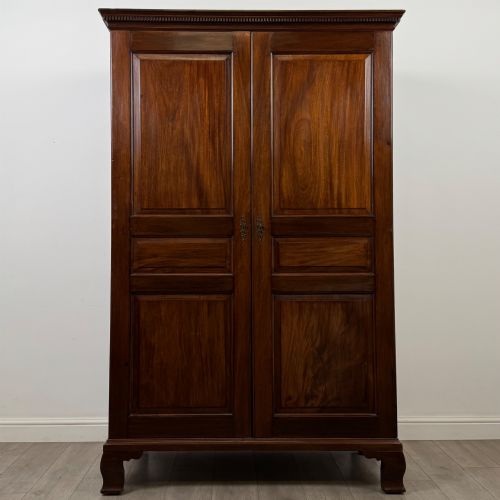
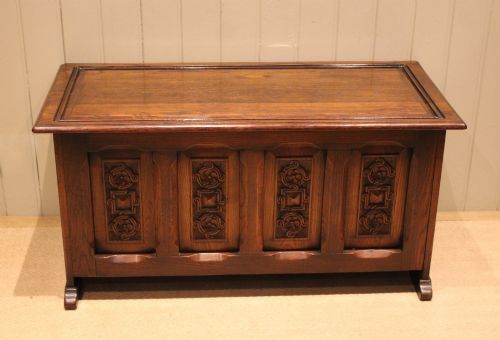
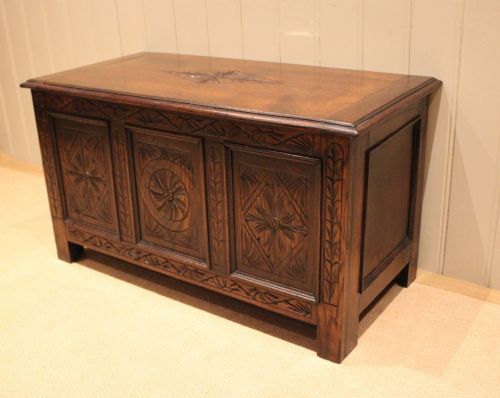
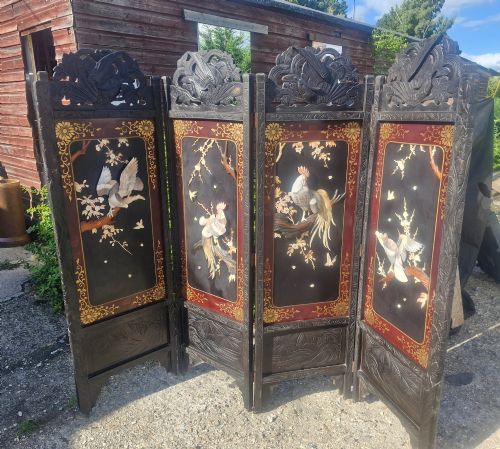
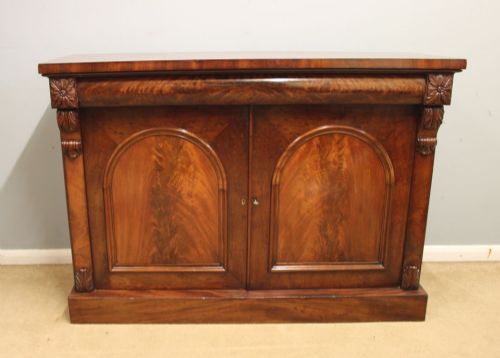
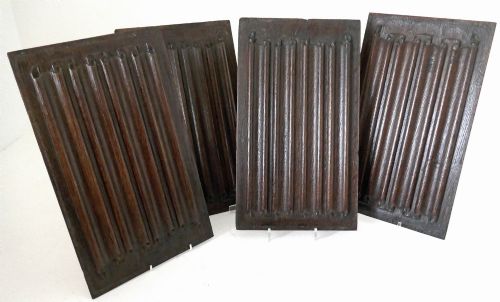
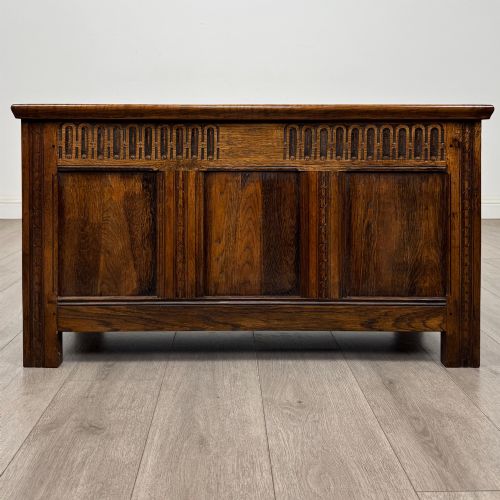
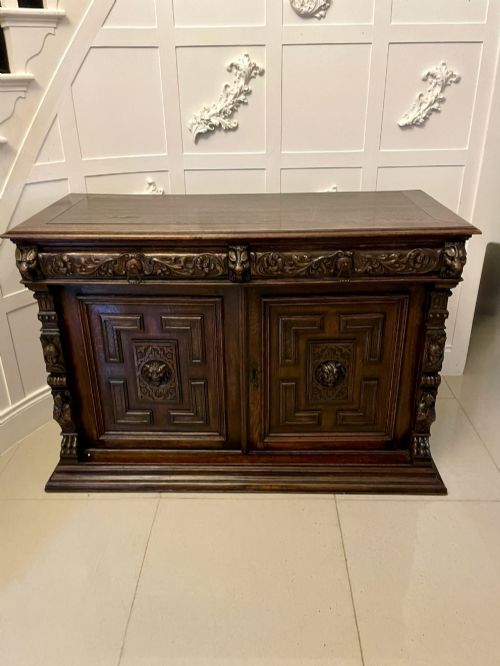
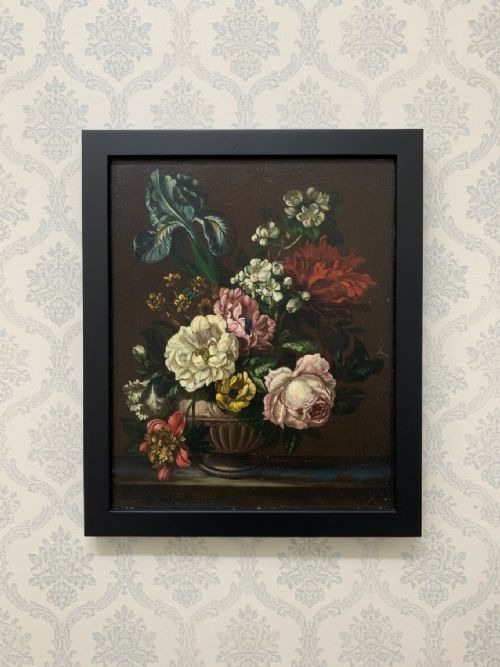
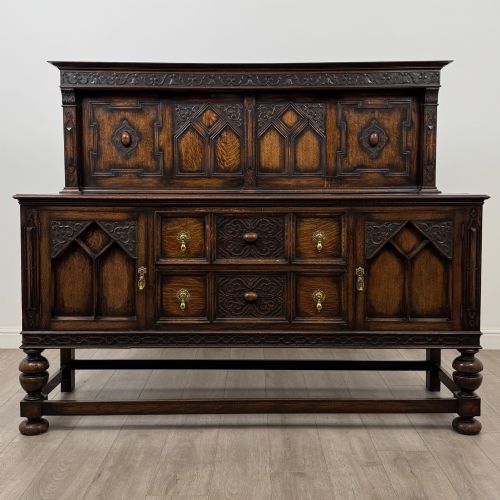
Buyers seeking a dark wood panel encounter architectural fragments, standalone wall art, and heavy furniture elements such as coffers, chests, and sideboards. The selection leans heavily towards robust oak examples carved with traditional motifs like linenfold patterns or figural scenes.
Many of these pieces originate from the sixteenth, seventeenth, and eighteenth centuries, though Edwardian and Victorian revivals also appear frequently. Forms range from architectural over mantle panels and framed carvings to complete chests and cupboards incorporating panelled construction.
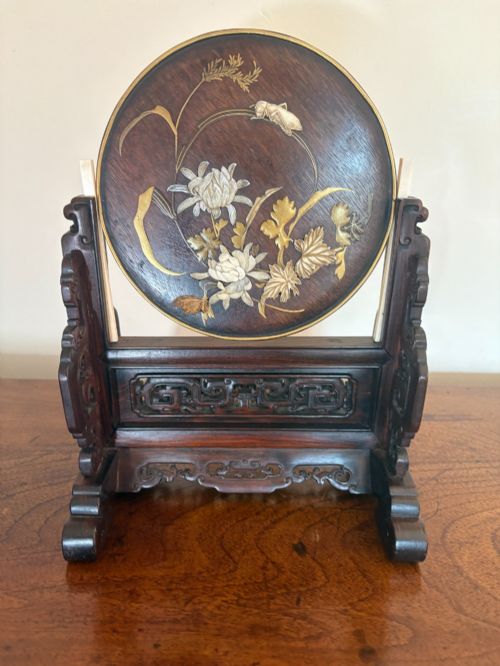
The material palette is dominated by oak, supplemented by mahogany, rosewood, and other hardwoods. Whether integrated into seating like wainscot armchairs or presented as flat decorative carvings, these items showcase the enduring appeal of dark timber.
Materials and technique
Makers relied primarily on solid oak, mahogany, and rosewood, often enhanced with brass hardware or glass elements depending on the object type. Timber selection prioritized density and deep natural grain patterns that responded well to hand carving.
Construction involved traditional joinery techniques such as mortise and tenon frames surrounding inset panels, allowing the wood to expand and contract naturally. Carving was executed by hand using gouges and chisels to produce high relief figures, geometric shapes, and intricate linenfold designs.
Listings feature oak, mahogany, rosewood, and hardwood across periods spanning the sixteenth to the twentieth centuries.
Judging quality
Quality rests in the crispness and depth of the hand carving, where sharper details and well-proportioned figures separate superior work from simpler execution. The integrity of the timber and the retention of original surface patination also dictate the standing of a piece.
Construction methods reveal the standard of manufacture, with tight joinery and appropriate ageing of the wood marking out better examples. Pieces that maintain their structural cohesion without excessive modern replacement parts hold greater integrity for collectors.
The Dark Wood Panel Glossary
- Linenfold
- A style of wood carving representing folded cloth, commonly found on sixteenth-century panels and coffers. This technique creates a textured surface resembling vertical folds of fabric.
- Coffer
- A large wooden chest used historically for storage, often constructed with heavy panelled sides. These boxes frequently feature carved fronts and sturdy lids.
- Wainscot
- A type of solid wooden armchair or panelling associated with seventeenth-century craftsmanship. The term denotes heavy framing and panel construction typical of early domestic interiors.
- Over mantle
- A decorative architectural element placed directly above a fireplace opening. These panels or framed works often anchor the visual weight of a chimney breast.
- Patina
- The surface sheen and coloration developed by aged wood through handling, wax, and time. A desirable surface shows depth and character unique to centuries of existence.
Dark Wood Panel: Frequently Asked Questions
How do I date a carved panel?
Dating relies on examining the tool marks left by the maker, the wood species, and the style of the carving. Sixteenth and seventeenth-century work typically displays hand-hewn surfaces and distinct regional motifs.
Secondary indicators include the construction joints and the natural wear accumulated on the timber over centuries. Comparing the piece to documented examples from periods like the Jacobean era helps confirm its age.
Where were wood panels placed?
Historic wood panels usually formed part of interior wall schemes, furniture doors, or structural chest walls. Architectural pieces decorated the walls of substantial homes and institutional buildings.
Smaller carved elements often originated from altarpieces, coffers, or cabinet doors. Today, many survive as standalone decorative items hung on walls or integrated into modern interiors.
Is oak the only wood used?
While oak dominates the earlier centuries and revival pieces, other timbers appear regularly across the collection. Mahogany and rosewood are found in later Victorian, Georgian, and Regency furniture and panels.
Hardwoods were chosen for their density and finish, allowing makers to achieve different tones and grain structures. Each material requires specific environmental conditions to prevent movement.
How should I clean dark wood?
Maintenance requires gentle dusting with a dry, soft cloth to prevent abrasive particles from scratching the surface. Avoid modern silicone polishes that can build up and degrade the historic wax finish over time.
Occasional application of high-quality beeswax feeds the dry timber and preserves its natural sheen. Keep pieces away from direct heat sources and strong sunlight to protect the wood.