
Dark Wood Open Armchair
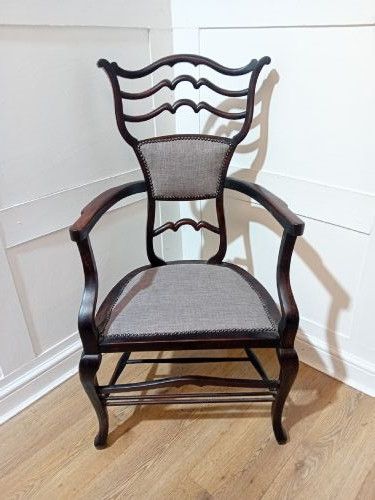
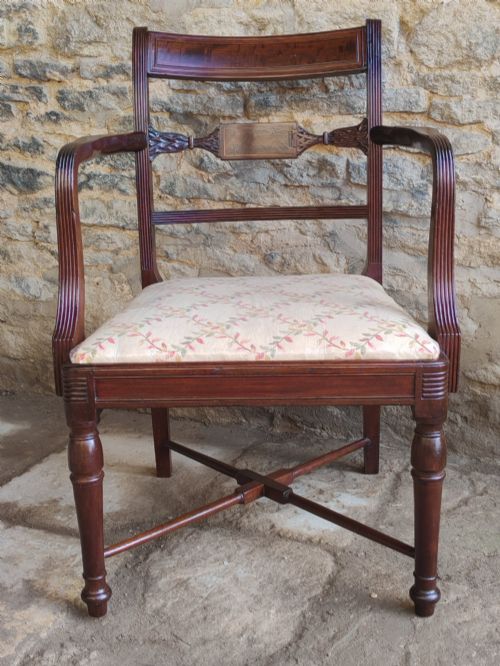
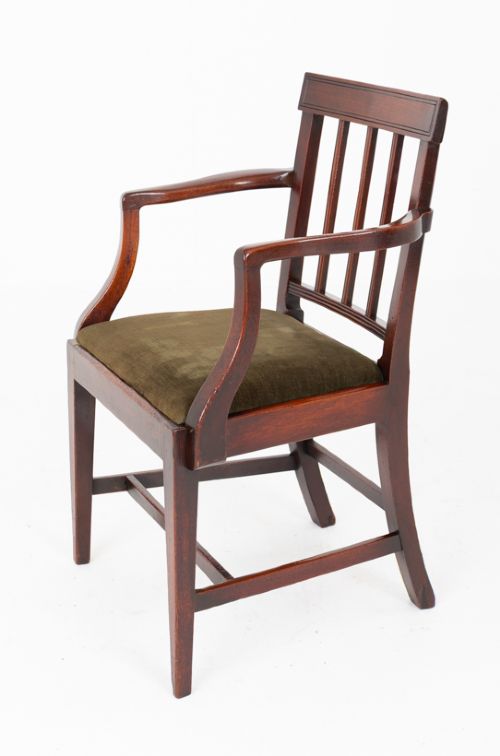
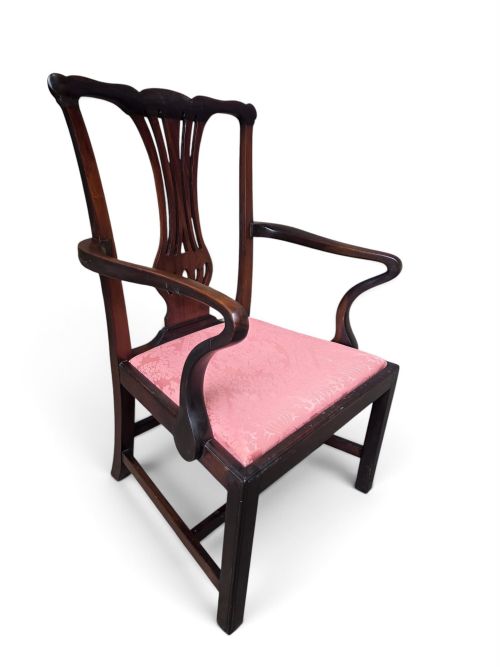
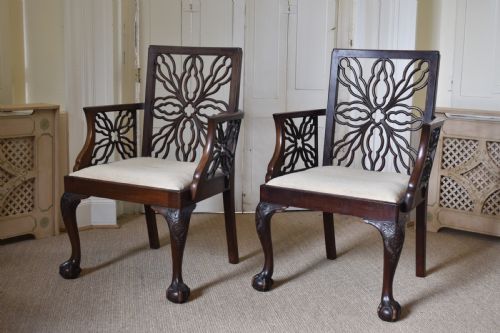
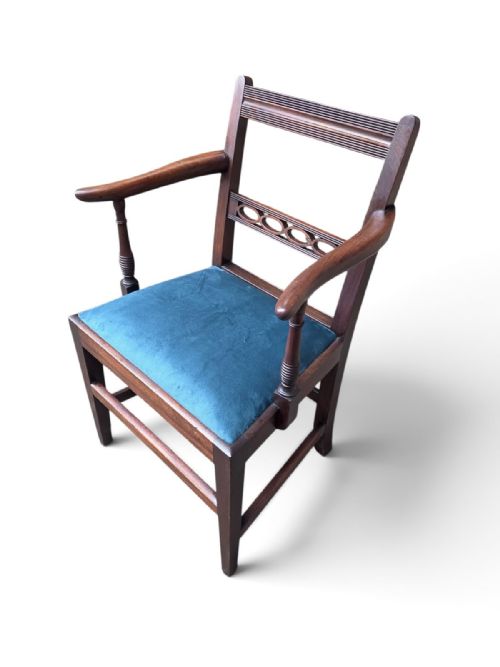
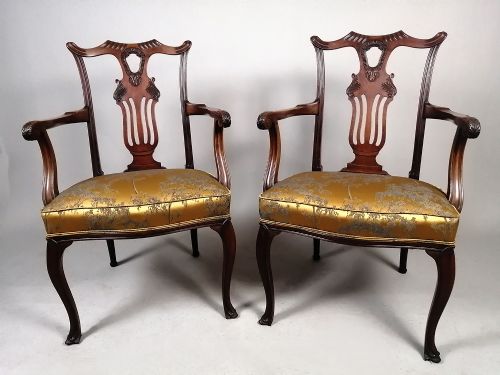
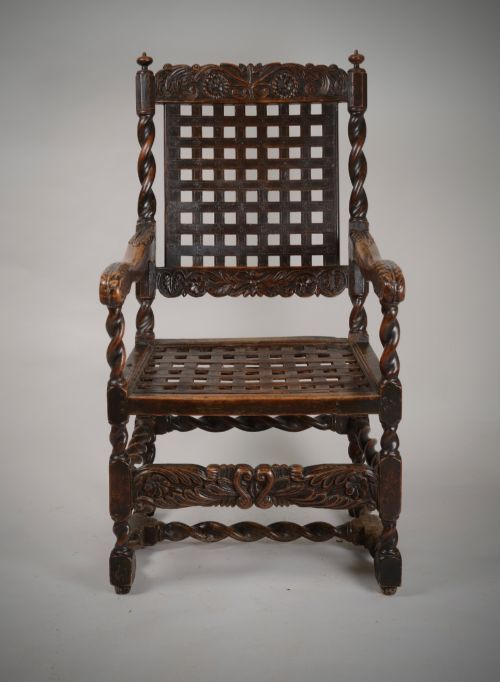
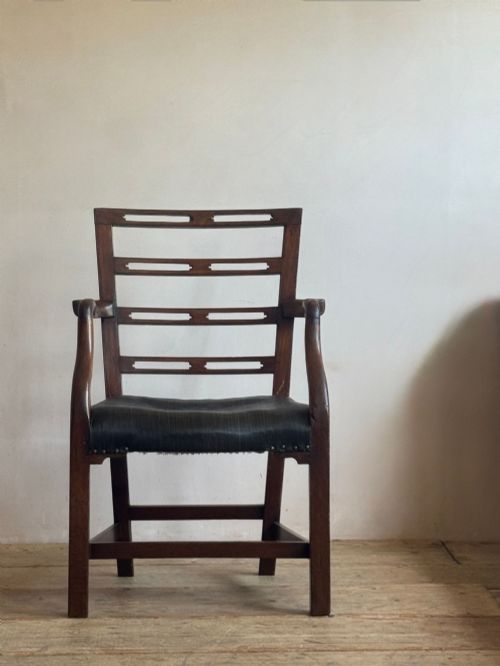
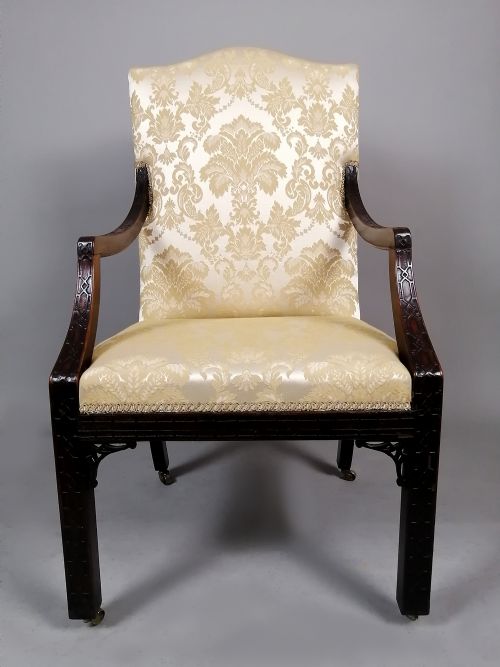
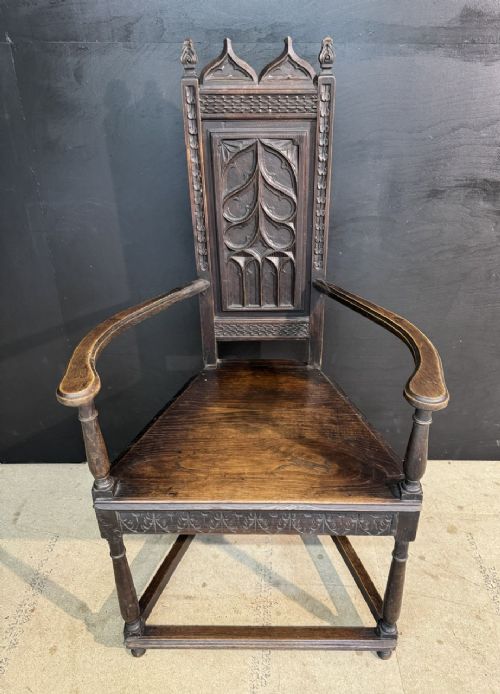
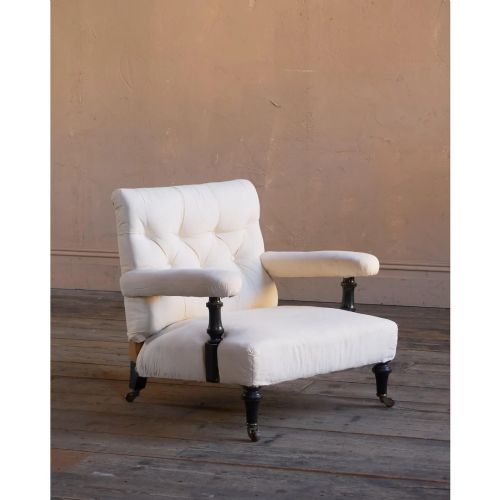
A dark wood open armchair brings warmth and architectural presence to a room, offering comfortable seating with exposed timber frames.
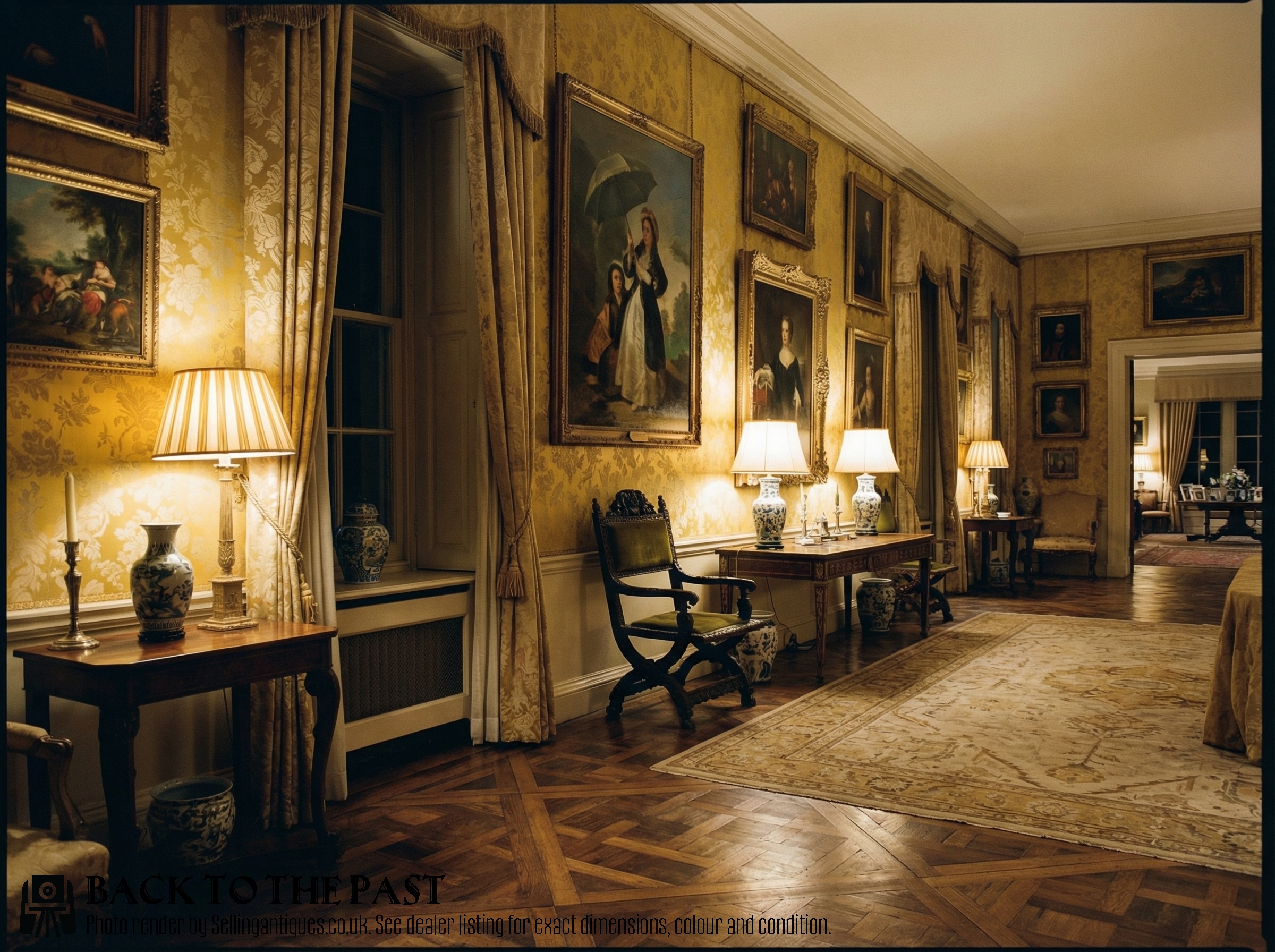
Identifying your dark wood open armchair
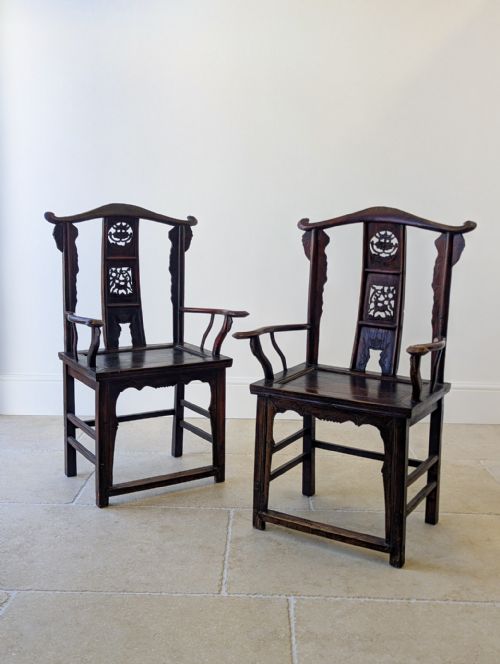
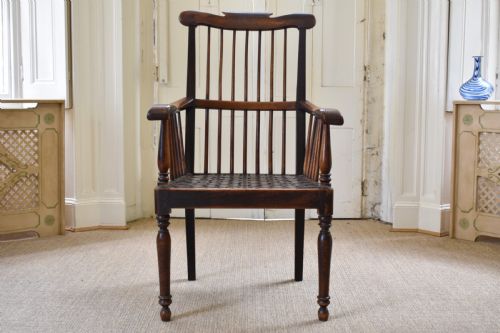
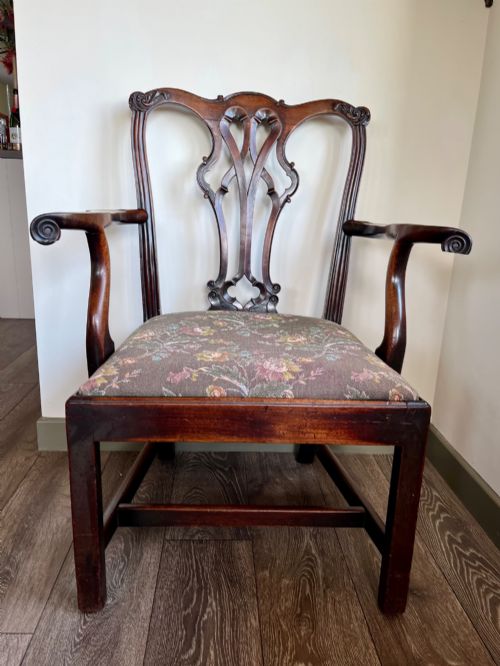
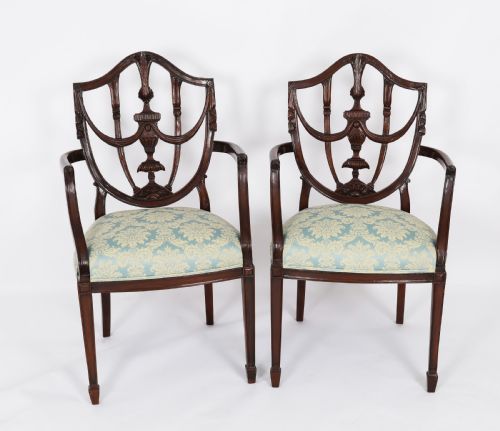
A dark wood open armchair combines robust structural timber with upholstered or woven seating panels, presenting a distinct silhouette defined by unclosed armrests. These pieces span several centuries, drawing on traditional craftsmanship from British, French, and colonial traditions.
The selections on this page encompass various historical periods, ranging from the eighteenth century through the nineteenth century and into nineteen hundred. Examples include eighteenth-century Gainsborough designs, Victorian rosewood elbow chairs, and Anglo-Indian colonial seating.
Makers utilised dense timbers such as teak, rosewood, and padouk, alongside walnut and giltwood. Seating surfaces vary from woven rush to needlepoint tapestry, wool tapestry, and plush velvet.
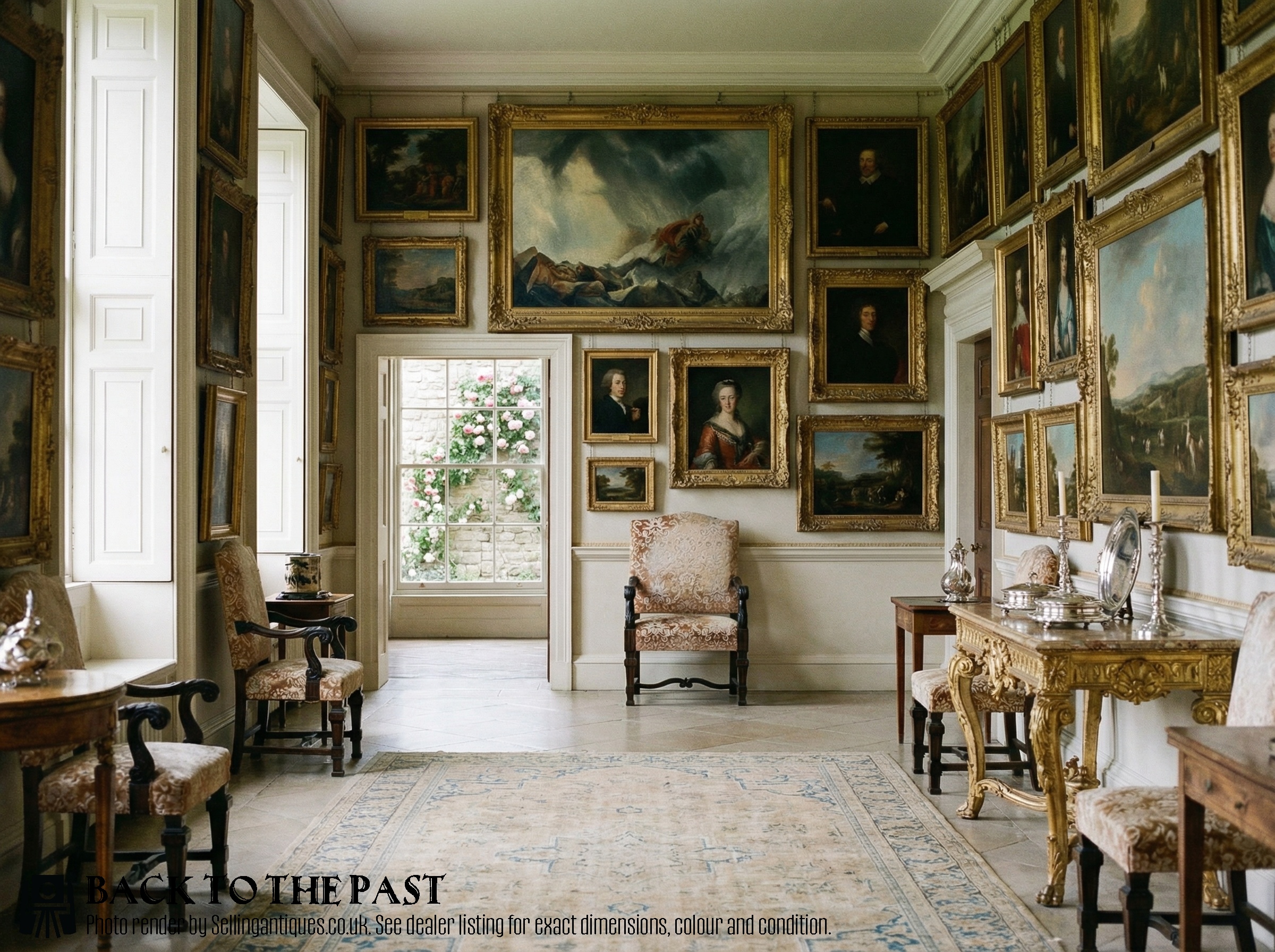
Construction and materials
The frames are constructed from hard timbers like teak, rosewood, and padouk, often shaped with hand-carved details. Joinery techniques connect the components securely while allowing for decorative open arms and sturdy legs.
Upholstered versions incorporate traditional stuffing and webbing beneath textiles such as velvet, wool tapestry, or needlepoint panels. Alternatively, some models utilise natural rush woven tightly across the seat frame.
Retail Price Guide 2026
Typical UK retail prices for dark wood open armchair, calculated from the Sellingantiques database of over a million retail prices indexed since 2003. This retail price guide relies exclusively on Sellingantiques data; no external sources or auction records are used, so the figures do not describe the wider market.
Judging quality and character
Quality rests in the crispness of the timber carving and the density of the chosen wood, whether native walnut or exotic padouk. Superior pieces exhibit harmonious proportions and expert joinery that remains stable over centuries.
The integrity of the original upholstery materials, from hand-stitched needlepoint panels to tight rush weaving, elevates the piece. Finer examples display meticulous attention to detail in both the structural woodwork and the decorative textile finish.
The Dark Wood Open Armchair Glossary
- Open armchair
- A seat featuring armrests that remain unfilled or unpadded beneath the top rail, unlike fully upholstered closed armchairs. This design became prominent in various eighteenth and nineteenth-century formal seating styles.
- Elbow chair
- An alternative traditional term for an armchair, often denoting a smaller scale or a specific seating form from the Victorian era. These pieces provide comfortable support for the arms while maintaining a compact footprint.
- Rush
- Dried marsh grass woven into a durable, textured surface for seating. This traditional material appears on vernacular and colonial chairs alike.
- Needlepoint tapestry
- Hand-stitched canvas embroidery utilising wool or silk yarn to create intricate pictorial or geometric patterns. These decorative panels frequently adorn the backrests and seats of nineteenth-century French and English chairs.
Frequently Asked Questions
How do I date a dark wood open armchair?
Dating relies on identifying the timber species, joinery methods, and stylistic characteristics recorded in the design. Eighteenth-century pieces often reflect classical proportions, whereas Victorian examples introduce heavier rosewood frames.
Examining the upholstery technique and wear patterns also helps determine whether a piece originates from the eighteen-seventies or the turn of the twentieth century.
Where should I place an open armchair?
These chairs suit living rooms, studies, or bedrooms where their exposed timber frames add texture and historic character. An open armchair works well as a reading seat or paired beside a fireplace.
Because the arms are unpadded, they occupy less visual space than bulky upholstered armchairs, making them versatile for smaller reception spaces.
How do I care for antique timber and textiles?
Maintain the dark wood by keeping it away from direct sunlight and sudden temperature fluctuations that can dry out timber. Gentle dusting with a dry cloth preserves the polished surface.
For upholstered elements like velvet or wool tapestry, professional cleaning is recommended to protect delicate historic fibres from damage.