


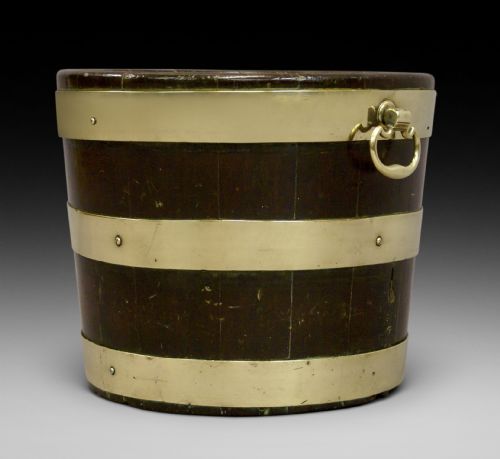
Dark Wood Log Bucket
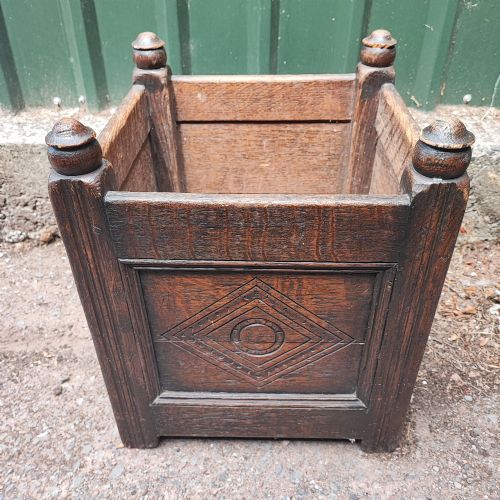
A dark wood log bucket brings solid Georgian and Victorian presence to the hearth, offering a practical way to store firewood beside the grate.
Dark Wood Log Bucket
The pieces appearing here span the Georgian and Victorian eras, alongside rustic country examples from the nineteenth century. Most take sturdy cylindrical, oval or elliptical shapes formed from mahogany and oak.
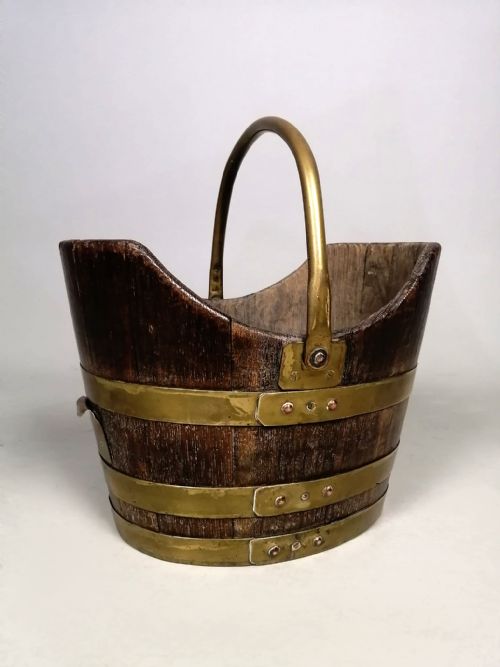
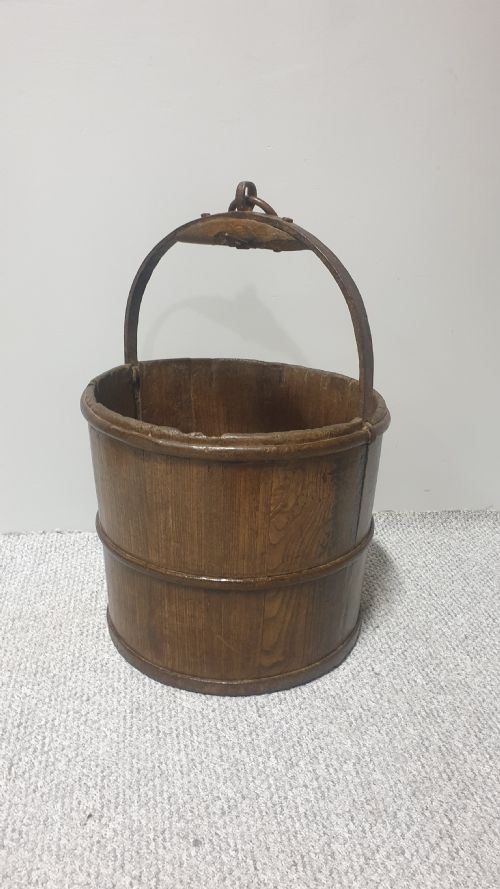
Makers shaped these containers with utility in mind, adding swing handles and sturdy metal liners to protect the wood from damp bark and ash. They range from formal brass-banded mahogany vessels to simple rustic oak bins intended for farmhouse hearths.
How they were made
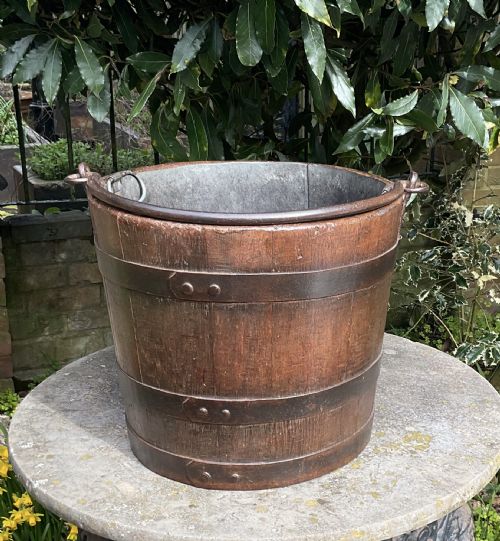
The construction of a dark wood log bucket relies heavily on traditional coopering techniques, where narrow staves of mahogany or oak are fitted tightly together. Metal bands, usually fashioned from brass or iron, wrap securely around the timber to hold the structure firm against daily wear.
Interior protection remains a vital feature, with many examples retaining zinc, metal or copper liners designed to contain moisture and debris from the fuel. Swing handles forged from iron or brass are secured through sturdy mounts, allowing the loaded bucket to be carried safely.
Listings feature robust nineteenth-century oak and mahogany pieces alongside mid-eighteenth-century Georgian designs.
What varies in quality
The distinction between a standard vessel and a finer example lies in the choice of timber and the crispness of the cooper's work. Richly figured mahogany combined with heavy brass bands indicates a piece intended for a formal reception room, whereas simpler oak and iron versions served rustic utility.
Survival of original components dictates the standing of each piece, particularly the presence of matching metal liners and authentic swing handles. Finer specimens show careful attention to the grain and tight stave joints that remain stable across centuries.
The Dark Wood Log Bucket Glossary
- Coopered
- Constructed from curved wooden staves bound together with metal hoops, much like a traditional barrel. This method provides the structural strength needed to hold heavy loads of wood.
- Peat bucket
- A deep container traditionally used in regions where turf was burned on the hearth rather than timber. These often feature distinctive brass banding and upright swing handles.
- Coal scuttle
- A vessel designed specifically for holding and carrying coal to the fire, sometimes taking an enclosed form with a hinged lid known as a purdonium.
- Stave
- One of the narrow vertical strips of wood that form the curved sides of a bucket or tub. The tight assembly of these pieces creates a solid watertight or debris-proof shell.
Dark Wood Log Bucket: Frequently Asked Questions
How do I clean a wooden log bucket?
Wipe the exterior timber gently with a dry cloth to remove dust while preserving the natural patina of the wood. Avoid harsh polishes that might build up on antique surfaces.
Lift out the metal or zinc liner for cleaning if the design permits. Ensure the interior is completely dry before placing fresh logs back inside to prevent moisture damage.
Can I use an antique bucket for actual logs?
These vessels were built for hearthside use and remain sturdy enough to hold firewood today. Take care when dropping heavy logs inside to protect the historic interior lining.
Using smaller pieces of kindling or placing logs in gently helps preserve the ancient staves and metal bands. Modern protective inserts can also be added inside the original liner if moisture is a concern.
How do I date a mahogany log bucket?
Examine the timber species, the style of the brass banding, and the construction methods used on the base and interior. Georgian examples often display refined mahogany with neat dovetailing or pegged joints.
Victorian and later nineteenth-century pieces tend to show heavier brass work or simpler rustic oak construction. The presence of hand-forged iron versus machine-rolled metal also points towards earlier manufacture.
What is the difference between a log bin and a coal bucket?
Log bins generally take an open cylindrical or oval shape designed to display split firewood beside the hearth. They often rely on sturdy oak and iron construction for a rustic appearance.
Coal buckets and scuttles typically include internal liners, specialised scoops, or enclosed lids to contain fine dust and small fuel. Their proportions are tailored for carrying mineral fuel rather than large timber lengths.