
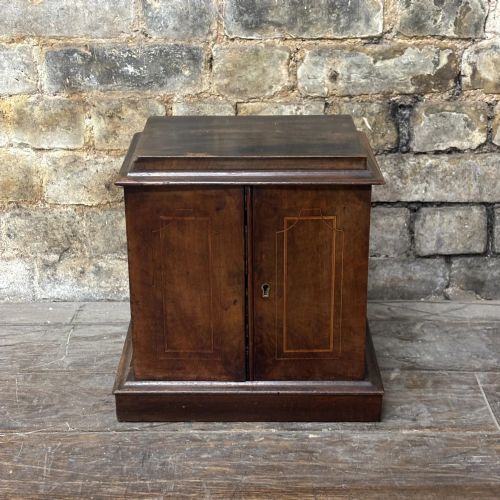


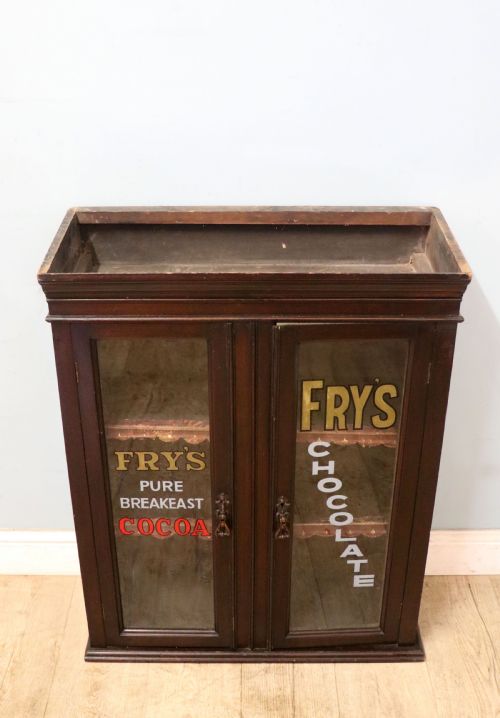


Dark Wood Letter Cabinet
A dark wood letter cabinet organises desk correspondence with compartments and drawers, crafted in mahogany, coromandel, and oak during the Victorian and Edwardian eras.
Dark Wood Letter Cabinet
A dark wood letter cabinet brings order to correspondence, housing stationery, envelopes, and documents within structured compartments. These pieces range from domestic correspondence boxes and stationery cabinets to institutional filing systems and display cupboards.
Victorian and Edwardian examples dominate the selection, spanning the nineteenth and early twentieth centuries. Makers utilised rich timbers such as mahogany and coromandel, often incorporating brass fittings and glass panels for practical desk use.
Buyers encounter variations including drop-front stationery boxes, desktop pigeon holes, and patent letter files. Each form serves a specific administrative function, reflecting the bureaucratic and domestic writing habits of past periods.
How they were made
Carpenters constructed these cabinets using dense hardwoods like mahogany, oak, and exotic coromandel, frequently applying pine for internal linings and secondary structures. Surfaces received polished finishes that highlighted the natural grain and deep tones of the timber.
Joinery techniques included dovetailed joints for drawers and precise framing for doors and drop-front panels. Brass hinges, handles, and lock escutcheons were fitted to secure contents and withstand daily administrative handling.
Specialised interiors incorporated tiered pigeon holes, glass inkwells, and patent mechanism folders. Hand-painted signage and glazed panels appeared on commercial shopfitting examples intended for retail display.
Objects range from domestic stationery boxes and patent letter files to school cupboards and sweet shop display cabinets.
What varies in quality
The choice of timber underpins the distinction between standard and superior pieces, with figured coromandel and dense Honduras mahogany indicating higher status commissions. Fine timber selection extends to secondary woods and interior dividers.
Hardware and mechanisms differentiate everyday office furniture from luxury fitted items. Original brass working locks, maker-stamped hinges, and complex patent filing actions demonstrate superior original manufacture.
Subtlety of joinery and interior detailing reveal the maker's skill. Flush-fitting doors, hand-dovetailed pigeon holes, and integrated pen trays separate standard production items from bespoke desk accessories.
Houghton and Gunn·Amberg
The Dark Wood Letter Cabinet Glossary
- Coromandel
- A dense, heavy tropical hardwood featuring dark brown and black stripes over a warm reddish background. It was favoured by nineteenth-century cabinet makers for luxury stationery boxes and dressing cases.
- Pigeon hole
- An open compartment within a desk or cabinet designed for sorting letters and papers. These sections are typically arranged in stacked tiers.
- Drop-front
- A hinged panel that folds downward to reveal an internal writing surface or nested letter compartments. This mechanism allows quick access to contents while maintaining a compact exterior.
- Escutcheon
- A protective metal plate surrounding a keyhole. It is commonly cast from brass to prevent the timber from splitting around the lock.
Dark Wood Letter Cabinet: Frequently Asked Questions
What is a letter cabinet used for?
These cabinets organise correspondence, writing paper, and envelopes within private studies, offices, and institutional libraries.
They keep writing materials accessible and protected from dust using dedicated compartments, drawers, and drop-front panels.
How do I identify a Victorian cabinet?
Victorian examples typically feature dense hardwoods such as mahogany or coromandel combined with traditional joinery like hand-cut dovetails.
They often incorporate heavy brass hardware, lockable panel doors, and tiered internal pigeon holes characteristic of nineteenth-century desk furniture.
Are these cabinets suitable for modern desks?
Compact desktop models fit modern office tables while providing practical storage for stationery, notebooks, and correspondence.
Larger standing cupboards and filing units function effectively as standalone accent pieces in studies or living spaces.
What timber was used for these cabinets?
Cabinet makers utilised durable hardwoods including mahogany, oak, and exotic coromandel for exterior surfaces and visible structures.
Secondary timbers like pine frequently appear on internal drawer linings and hidden partitions.