


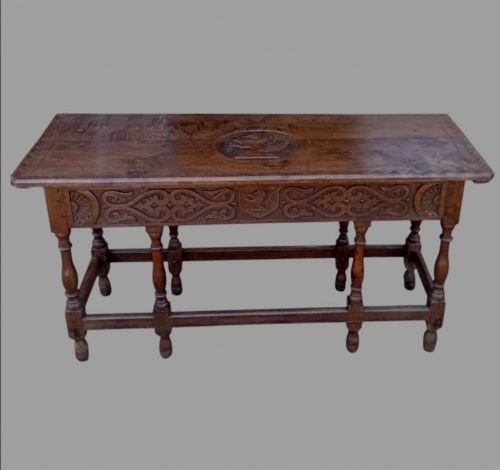
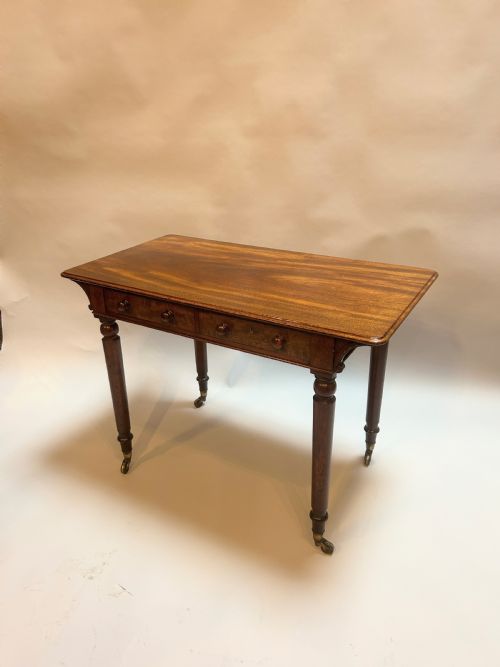
Dark Wood Hall Console
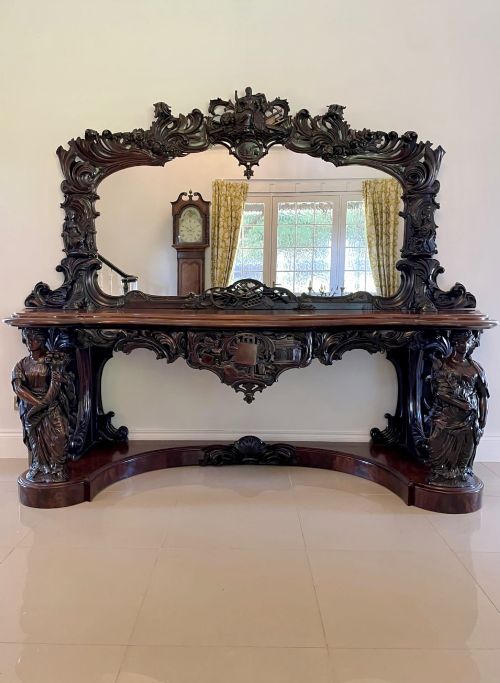
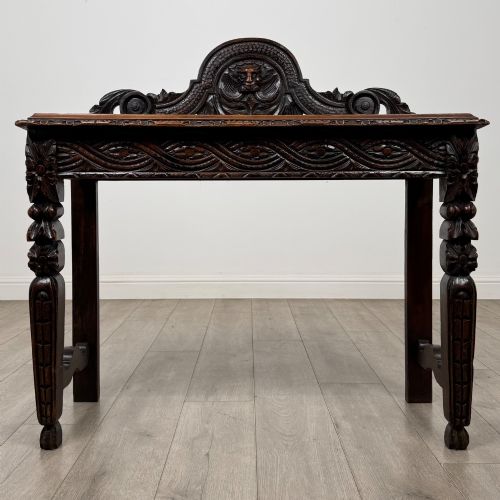
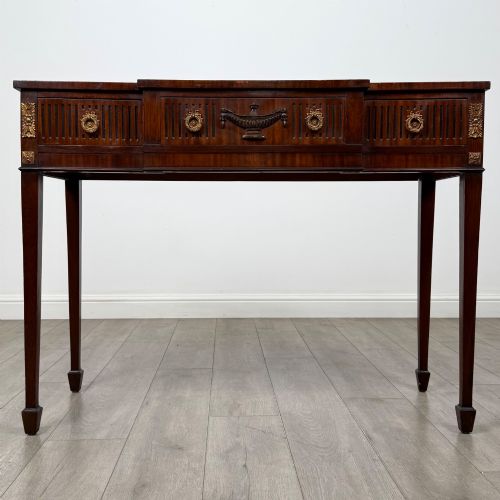
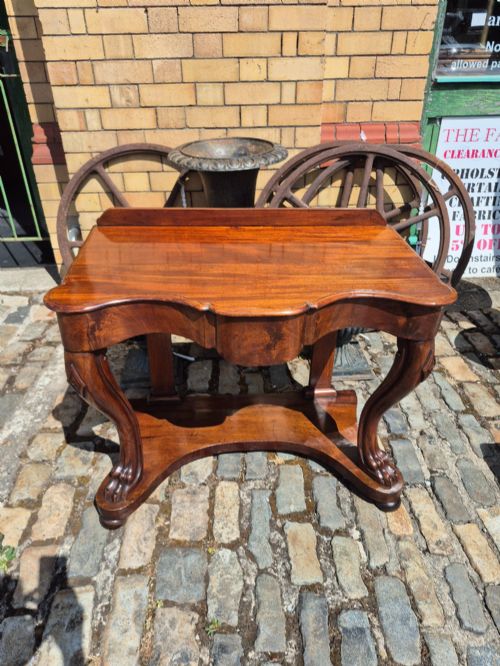
A dark wood hall console provides a practical surface and architectural focal point for an entranceway, drawing the eye immediately with rich timber tones.
Dark Wood Hall Console
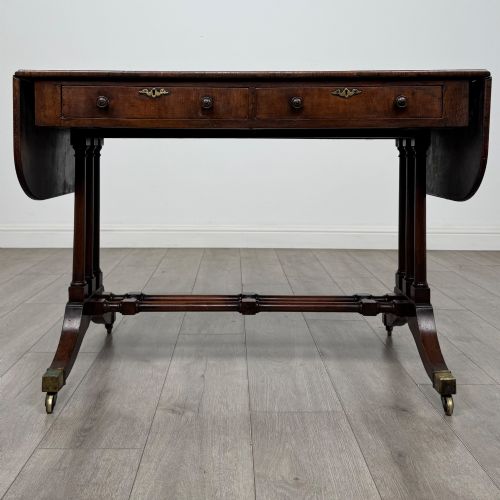
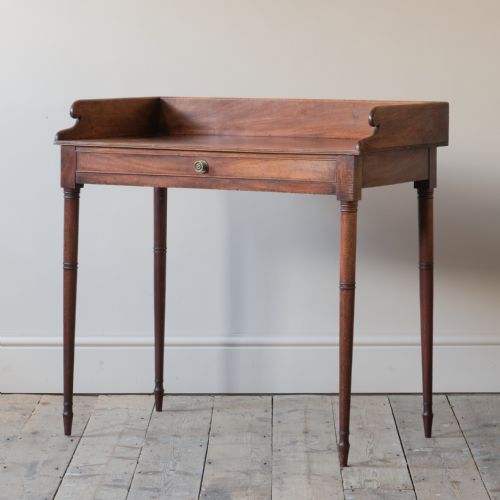
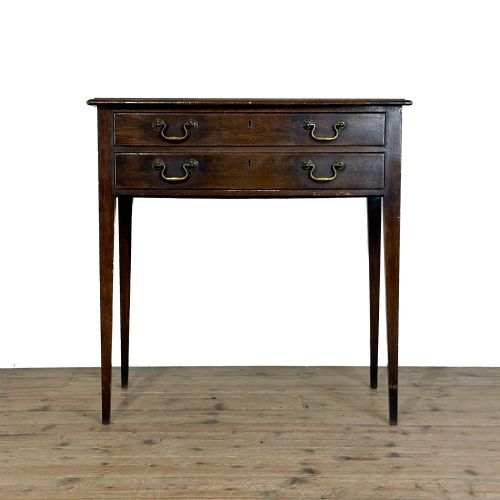
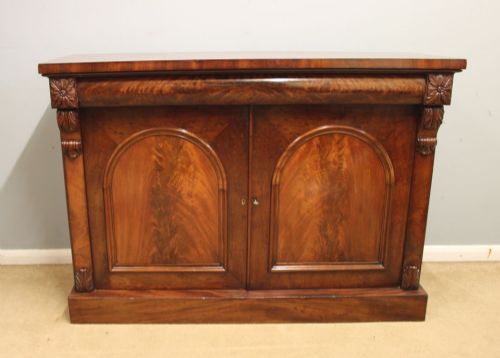
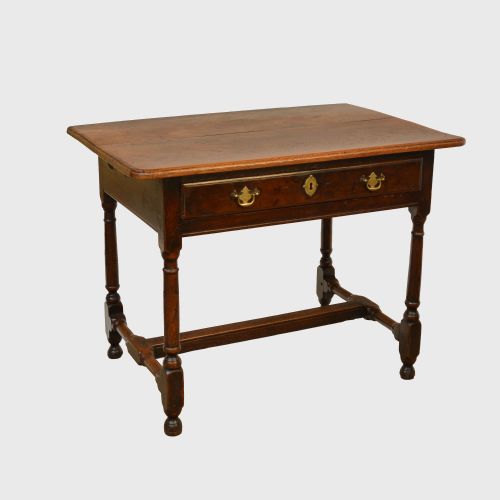
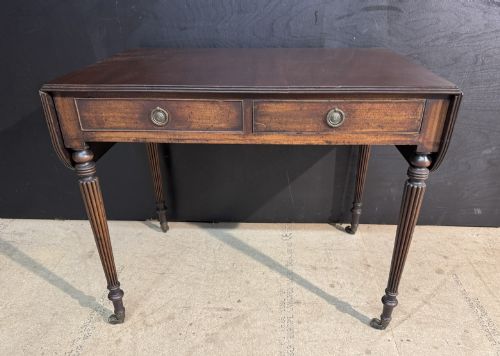
A dark wood hall console serves as a narrow surface designed specifically for placement in entranceways, corridors, and narrow passageways. These items frequently share stylistic traits and forms with related antique furniture such as side tables, lowboys, and writing desks.
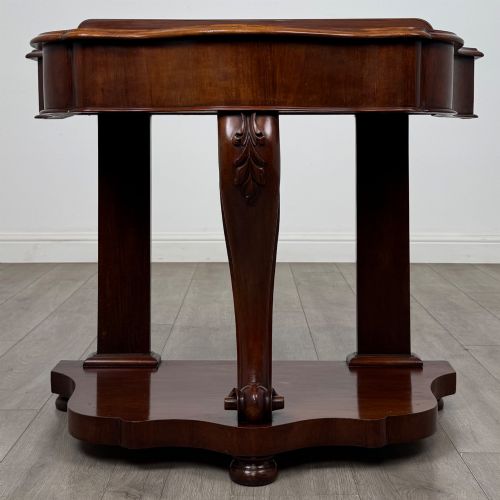
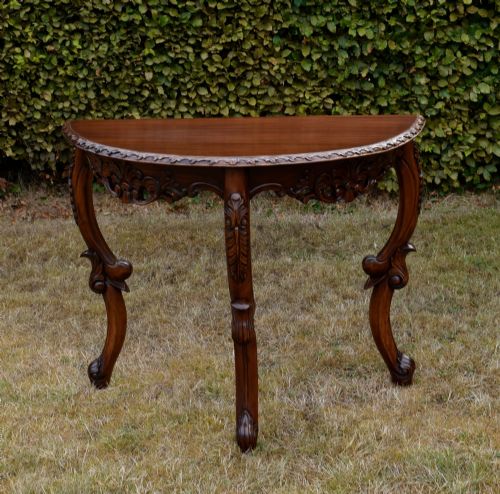
The selection encountered most often on this page spans several distinct eras, drawing heavily from Georgian, Victorian, and Edwardian periods. Pieces emerge in various configurations, including demilune shapes, marble-topped designs, and versions fitted with practical drawers.
Construction relies upon traditional cabinet timbers, which have darkened gracefully over centuries of exposure and polishing. Workshops produced these tables to occupy shallow floor spaces while offering a formal drop-off point for correspondence and small objects.
Materials and construction methods
Cabinet makers utilised dense hardwoods such as mahogany, oak, and walnut as the primary structural and visual foundation for these tables. Secondary timbers like elm and yew occasionally appear in internal framing or regional variants.
Surface decoration frequently incorporates hand carving, turned legs, and occasionally inset marble slabs or subtle inlay work. Joinery relies on traditional pegged or dovetailed joints rather than modern fasteners.
Listings span the eighteenth, nineteenth, and early twentieth centuries, featuring mahogany, oak, and walnut timbers.
Distinctions in craftsmanship and finish
The hierarchy of quality rests upon the selection of timber, the crispness of hand-carved details, and the integrity of the original construction. Superior examples display carefully matched grain patterns and substantial weight.
Subtleties in proportion and the use of secondary timbers for drawer linings separate standard workshop output from exceptional bespoke commissions. Original brass hardware and untouched patination elevate the standing of a piece considerably.
Gillows·Gillingtons of Dublin
The Dark Wood Hall Console Glossary
- Console table
- A table designed to stand against a wall, frequently supported by brackets or ornate legs rather than four standard columns. These items anchor hallway spaces effectively.
- Demilune
- A half-moon shape utilised for tabletops and commodes, allowing the furniture to sit flush against a wall while projecting outward into the room.
- Lowboy
- A small eighteenth-century table with one or more rows of drawers, commonly utilised as a side table or dressing surface.
- Chiffonier
- A low sideboard or cabinet featuring shelves or a raised back, adapted in Victorian times for domestic storage and display.
- Patina
- The deep lustre and surface alteration developed by wood and metal over decades of handling, exposure, and polishing.
Dark Wood Hall Console: Frequently Asked Questions
How do I style a hall console?
Position the console flat against the entrance wall to maintain clear walking routes through the corridor. Balance the surface layout using a tall mirror or artwork above, flanked by a modest lamp or ceramic bowl.
Keep everyday clutter contained within any available drawers to preserve clean lines. A low stool or basket tucked underneath adds texture without obstructing the walkway.
What wood types are most common?
Mahogany dominates the surviving inventory, prized for its stable grain and rich reddish-brown colour. Oak appears frequently in earlier and revival pieces, offering robust character and prominent grain patterns.
Walnut and rosewood feature in select refined examples, displaying striking figuring across the tabletops. Secondary woods like elm and yew support the primary structures in regional furniture.
How do I date a console table?
Examine the construction methods visible beneath the tabletop and inside the drawer boxes. Hand-cut dovetails and timber shrinkage indicate older eighteenth and nineteenth-century origins.
Compare the decorative motifs, such as Gothic revival arches or Edwardian inlaid stringing, against known stylistic periods. Secondary wood choices also help pinpoint the regional workshop origin.
Are marble tops original to these tables?
Marble inserts frequently formed part of specific grand console designs intended for formal reception rooms. These heavy stone slabs provided durable surfaces for displaying heavy decorative objects.
Verify that the wooden rebate holding the marble shows matching age and wear to the rest of the frame. Most marble-topped variants date from the Victorian era and French-influenced designs.