

Dark Wood Hall Chairs
These dark wood hall chairs are statement seating designed for entrance spaces, combining architectural presence with functional utility.
What dark wood hall chairs are
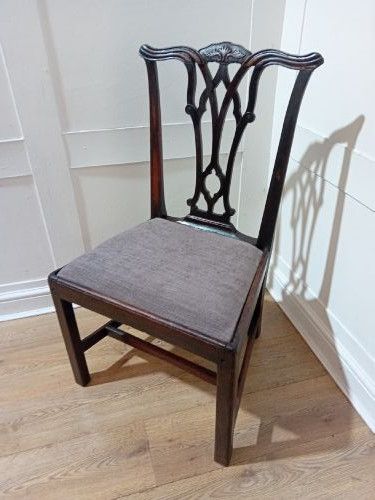
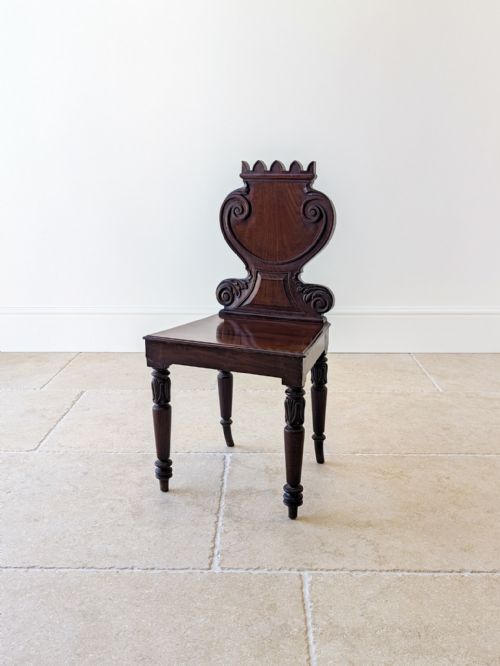
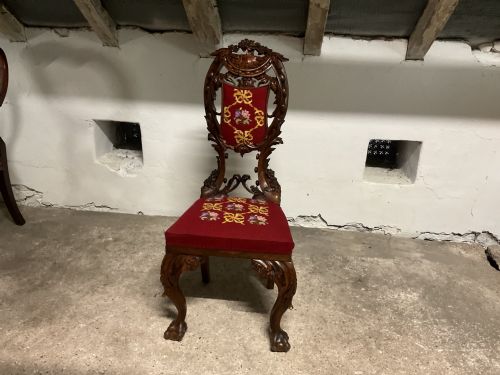
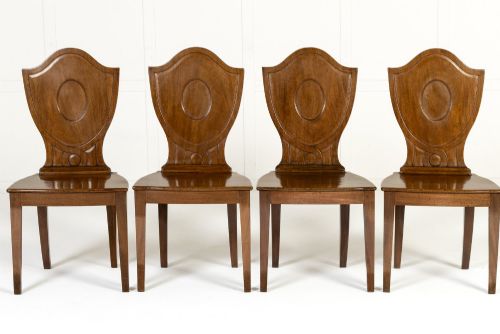
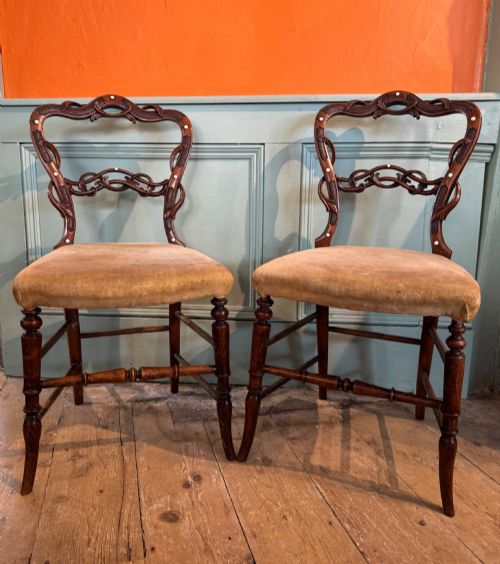
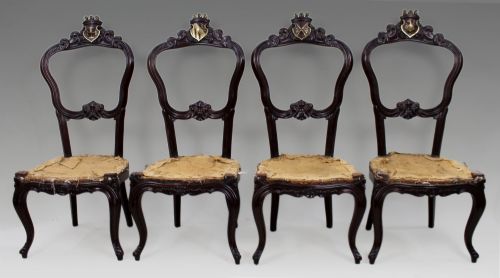
When you search for dark wood hall chairs, you encounter robust seating forms designed primarily for entrance halls rather than prolonged lounging. These items function as sculptural elements in a domestic interior, often featuring carved wooden seats rather than upholstery.
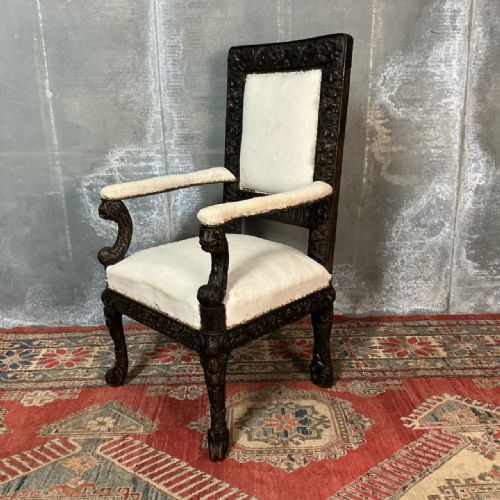
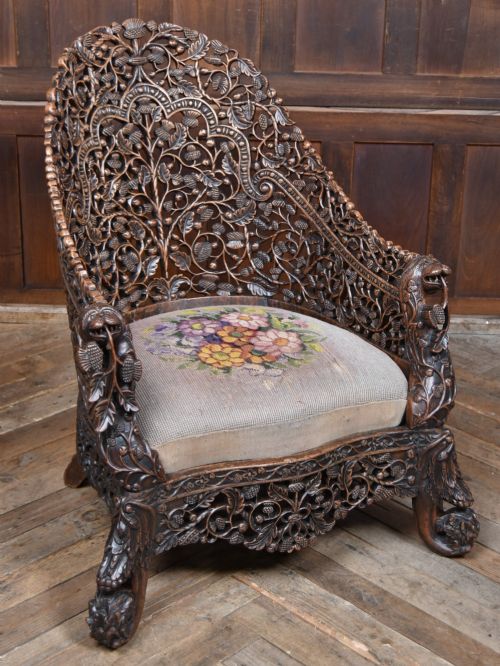
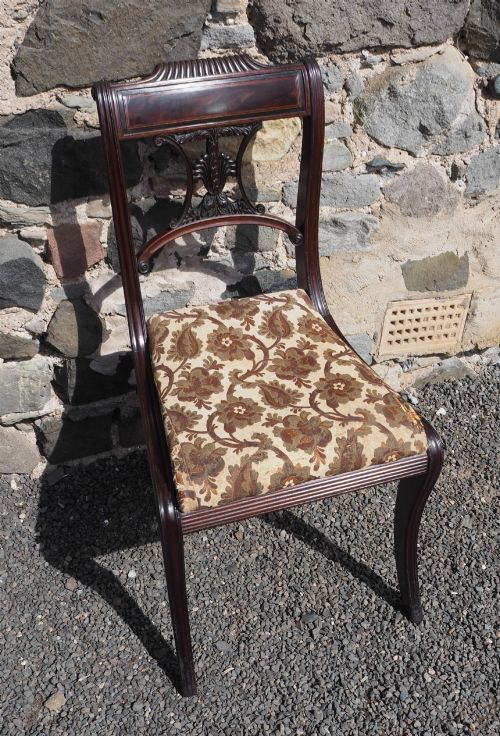
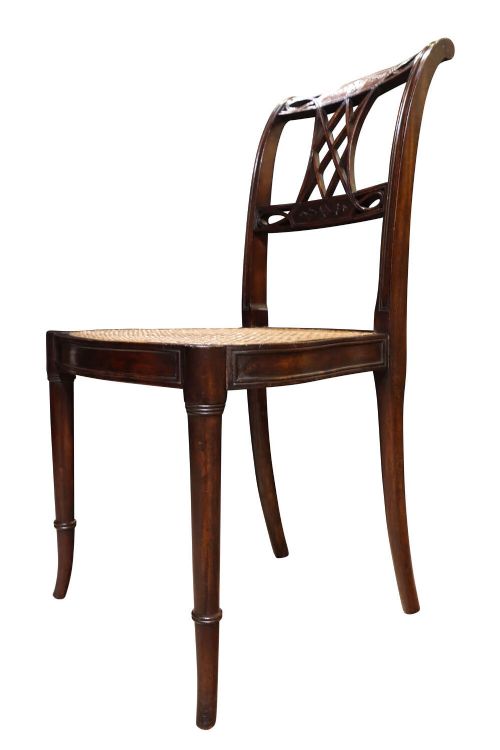
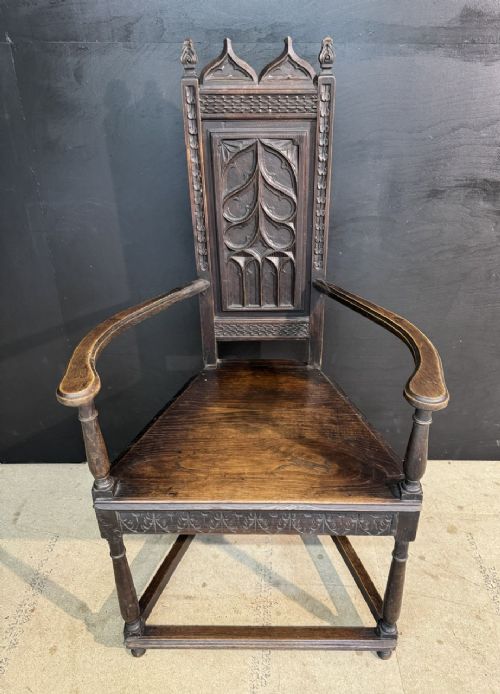
The selections available span several distinct historical periods, notably the Georgian, Regency, and Victorian eras. You will encounter pieces showing specific regional or stylistic influences, including Anglo-Indian Colonial work and Jacobean or Renaissance revivalism.
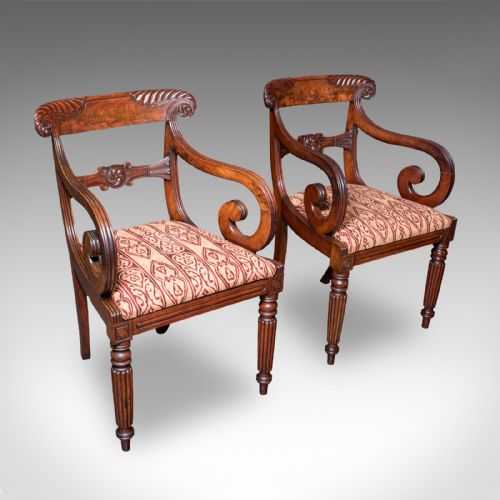
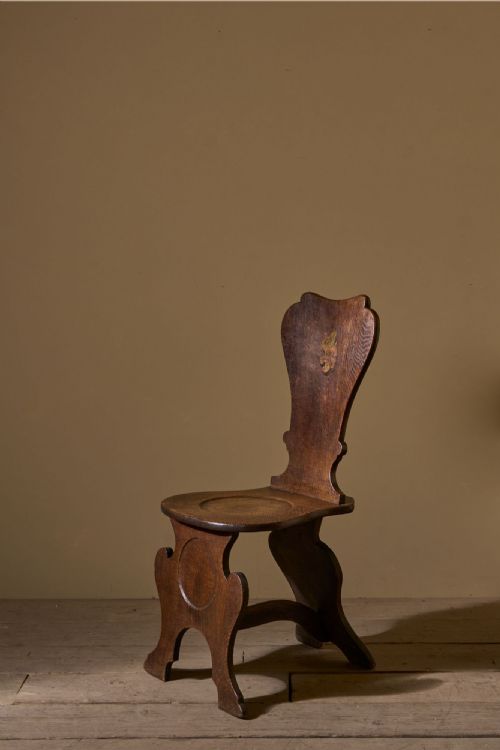
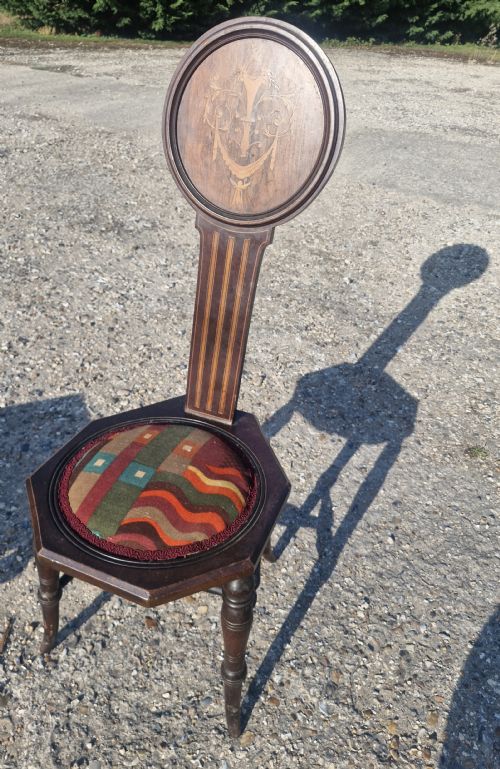
The physical forms include traditional hall chairs alongside larger armchairs and sgabello configurations. Most examples appear in matched pairs, intended to flank a hallway console or mirror.
How they were made
The construction relies heavily on dense timbers such as oak, mahogany, and hardwood, frequently finished to mimic exotic grains like faux rosewood. Cabinetmakers utilised these heavy materials to ensure stability in high-traffic entryways where lighter furniture would easily suffer damage.
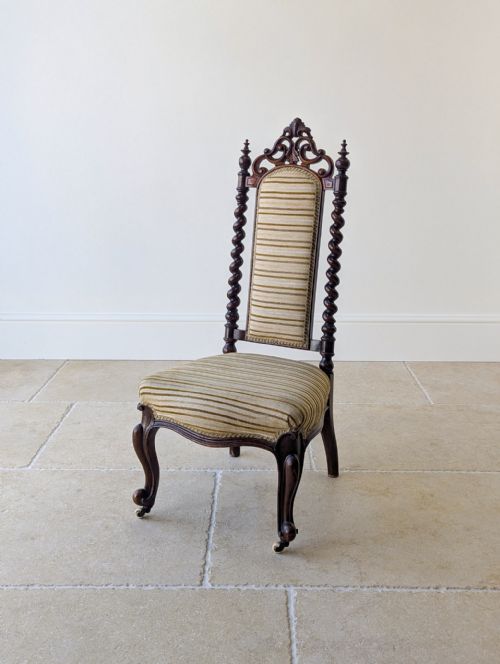
Surface ornamentation ranges from deep timber carving to metallic embellishment. Selected pieces incorporate brass inlay alongside fabric or velvet upholstery elements on associated seating variants.
Retail Price Guide 2026
Typical UK retail prices for dark wood hall chairs, calculated from the Sellingantiques database of over a million retail prices indexed since 2003. This retail price guide relies exclusively on Sellingantiques data; no external sources or auction records are used, so the figures do not describe the wider market.
Listings feature oak, mahogany, and hardwood across periods ranging from the eighteenth century through the Victorian era.
What varies in quality
The distinction between standard examples and superior work lies in the depth and precision of the timber carving. Master craftsmen executed crisp relief work on wooden seats and backrests that inferior workshops rendered with softer, shallower detail.
Material selection and decorative restraint also separate categories of quality. The integration of fine brass inlay or the use of dense, figured mahogany indicates a higher standard of production than plain utilitarian stock.
Gillows
The Dark Wood Hall Chairs Glossary
- Sgabello
- A Renaissance chair type featuring a wooden seat supported by solid trestle boards rather than legs. This form often includes elaborate carved decoration on the backrest.
- Faux rosewood
- A painted or stained finish applied to a secondary timber to imitate the rich, dark grain of genuine rosewood. This technique was popular during the Regency period.
- Anglo-Indian Colonial
- Furniture produced in India by local craftsmen working to British stylistic briefs. These pieces merge traditional British forms with intricate regional carving.
- Regency
- A design period spanning the early nineteenth century defined by classical restraint and archaeological revival. Furniture from this time often references Greek and Roman prototypes.
Frequently Asked Questions
What is a hall chair?
A hall chair is a rigid wooden seat designed to stand in an entrance hallway. These items were not intended for comfortable lounging.
Instead, they served as architectural punctuation marks in grand homes, often bearing a family crest or elaborate carved details.
Where should I place these?
These chairs find their natural home in entrance halls, corridors, or large landings. Their shallow profile allows them to sit flat against walls without blocking walkways.
Pairs look particularly striking placed beneath a mirror or flanking a console table.
How do I date these pieces?
Dating relies on identifying stylistic markers and timber types associated with specific eras like the Regency or Victorian periods. Cabinetmaking techniques and tool marks on the underside also provide clues.
Comparing the carved motifs to known design manuals helps narrow down the decade of production.
Are they comfortable to sit on?
Most traditional hall chairs feature solid timber seats without padding. They were meant for short use, such as waiting while a servant announced a visitor.
Some larger armchair variants include upholstered elements, but standard versions prioritise architectural form over ergonomics.