

Dark Wood Folk Art
Dark wood folk art brings together unpretentious handmade objects and vernacular carvings shaped by regional traditions.
Dark Wood Folk Art
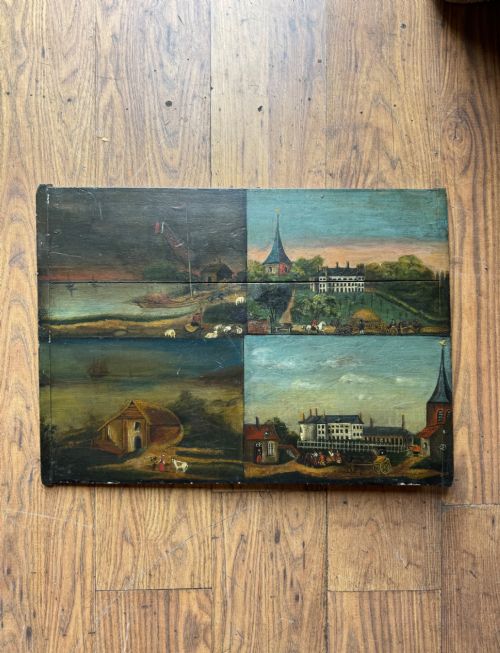
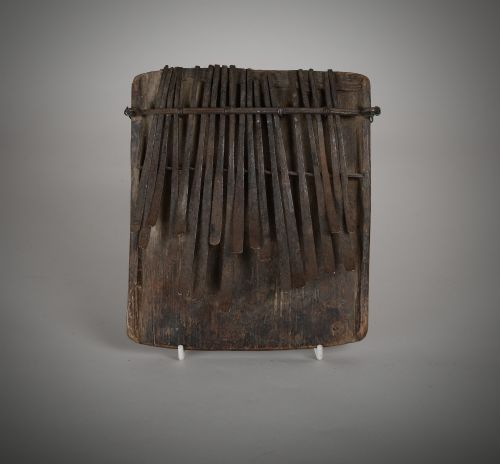
Dark wood folk art encompasses utilitarian household items, naive sculptures and regional curiosities made by self-taught makers. Buyers seek these pieces for their direct connection to domestic history and the unpretentious hand of the maker.
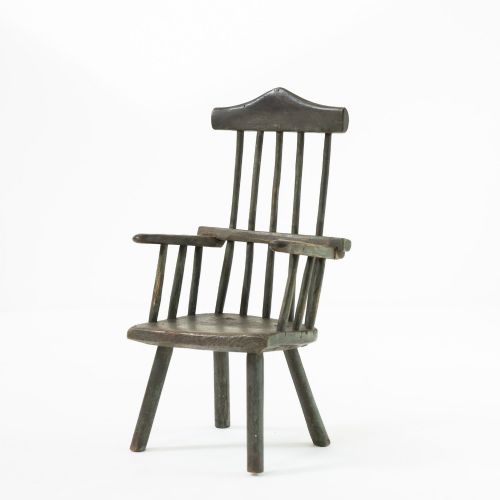
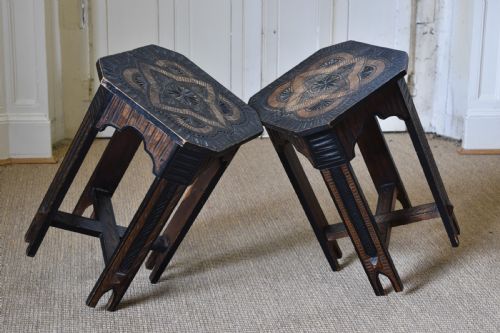
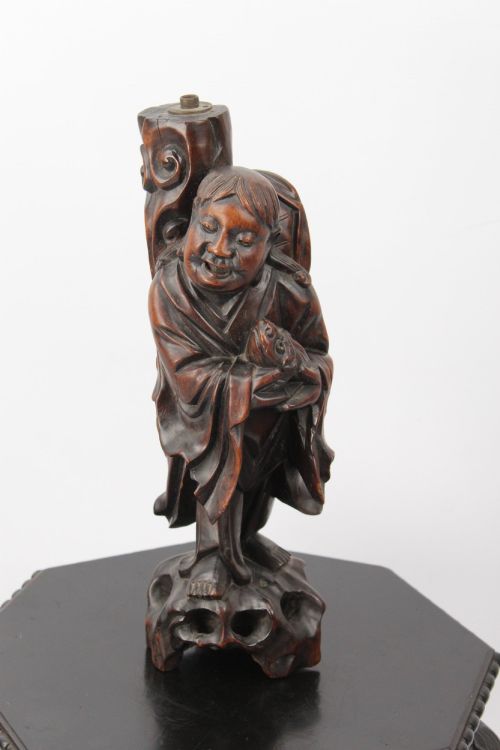
The selection here draws heavily on nineteenth-century examples alongside eighteenth-century works and later country pieces. Common forms include carved treen, small seating, sculptural figures and utilitarian vessels.
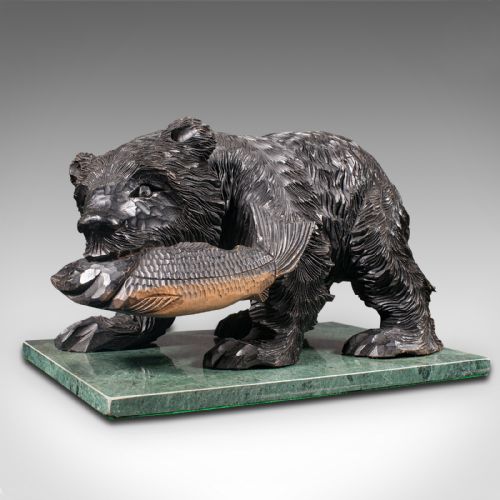
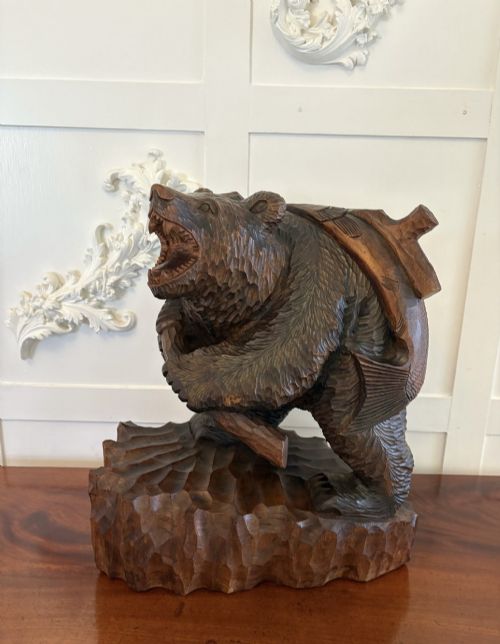
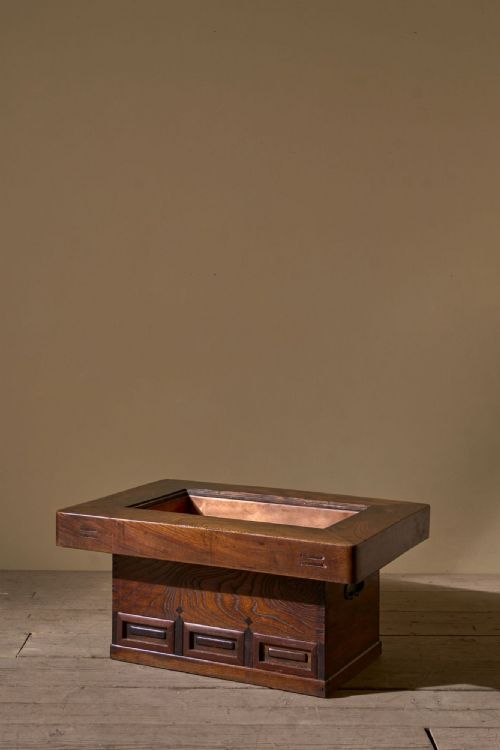
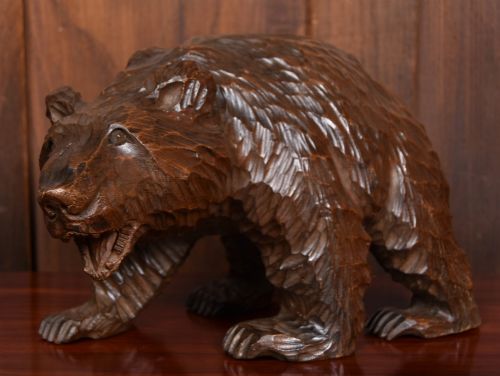
Geographic variety ranges from Welsh and Scandinavian country items to Japanese carved bears and Alpine work. This mix reflects local vernacular styles tied closely to native timbers and regional carving habits.
How they were made
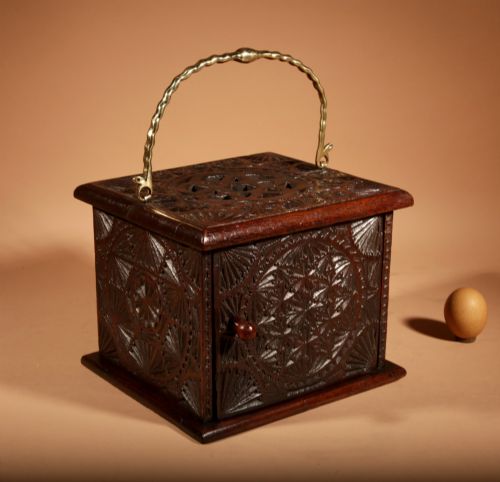
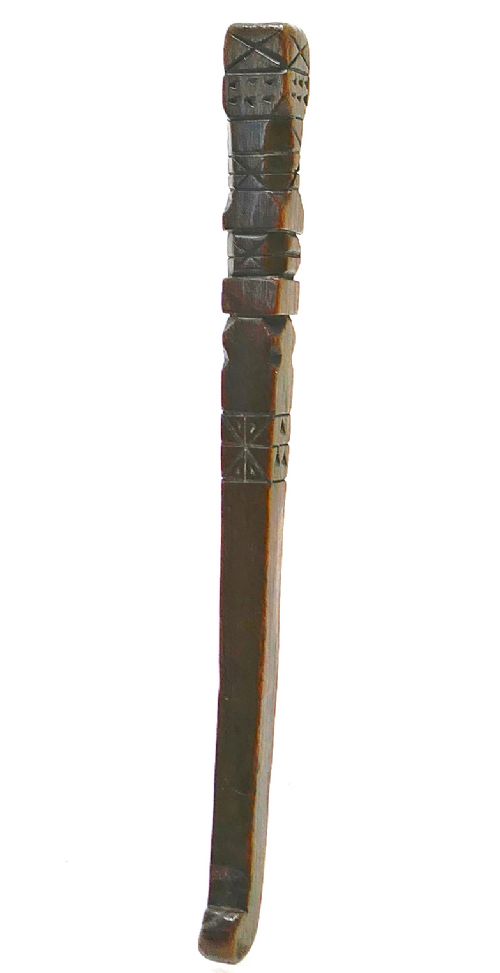
Makers utilised available hardwoods such as oak, fruitwood, walnut and linden, working with simple hand tools like pocket knives and gouges. Chip carving, punchwork and incised lines decorate surfaces where a plain utility object met someone with spare time and a sharp blade.
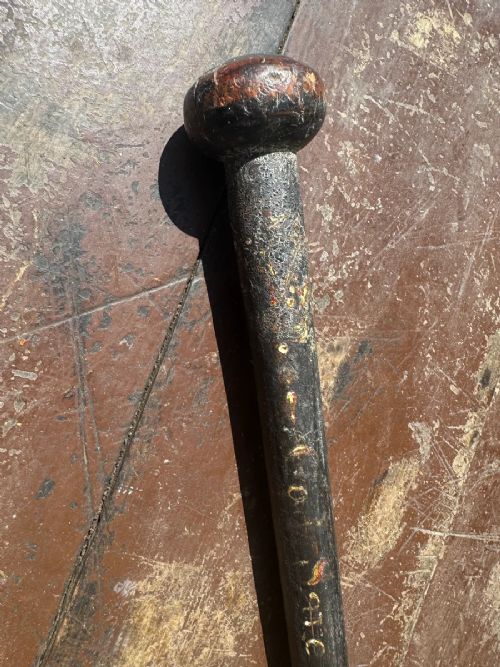
Many objects show traces of original paint or dark patination developed through decades of handling and domestic use. Construction relies on basic joinery, pegging and primitive stick-back framing suited to local workshops and home production.
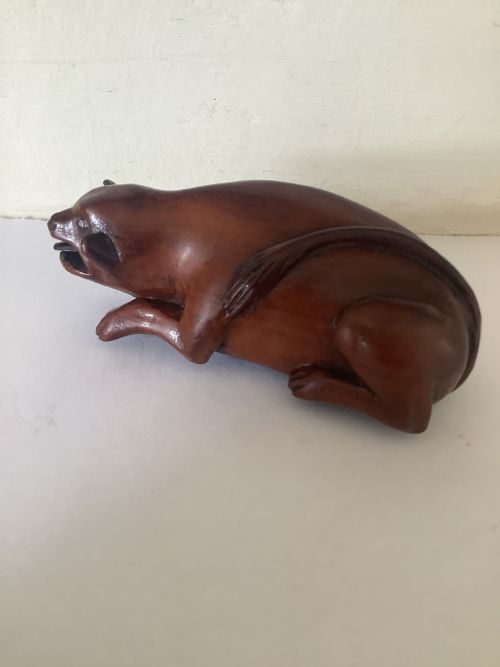
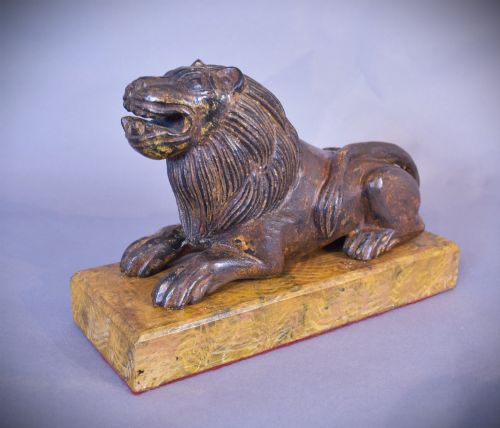
Someone spent long winter evenings carving racing pigeons and miniature bears out of solid blocks of wood.
What varies in quality
Quality rests on the confidence of the carving and the character of the surface rather than academic precision. A naive piece succeeds through expressive proportion and strong silhouette rather than correct anatomical rules.
Surface preservation dictates much of the appeal, separating pieces with undisturbed patination or original paint from those stripped or over-cleaned. The directness of the hand-carving determines whether an object holds lasting visual weight.
The Dark Wood Folk Art Glossary
- Treen
- Small handmade wooden objects for domestic use. These items range from spoons and knitting sheaths to snuff boxes.
- Folk art
- Objects made by self-taught or traditional craftsmen outside academic fine art training. The style prioritises utility and personal expression over classical rules.
- Tramp art
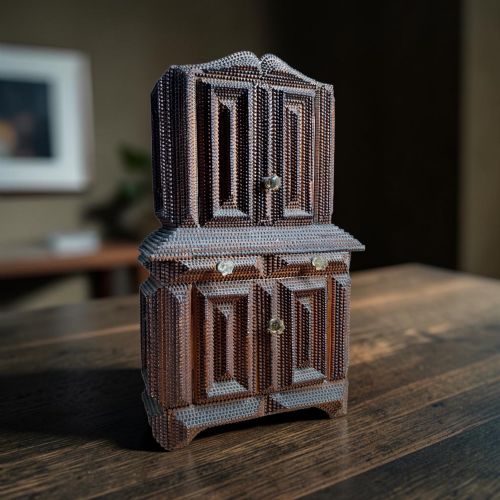
- Chip-carved woodwork made by notching small pieces of wood, often from cigar boxes, and layering them together. Makers utilised pocket knives to create geometric relief patterns.
- Mangle board
- A carved wooden board used in Scandinavia for smoothing linen around a cylinder. These boards frequently feature end handles shaped like horses or other animals.
- Patina
- The surface sheen and colour developed on wood through age, handling and wax application. This layer records the history of use.
Dark Wood Folk Art: Frequently Asked Questions
What is folk art woodwork?
Folk art woodwork consists of decorative and utilitarian items made by local craftspeople or untrained makers using regional timber.
These pieces reflect domestic traditions, storytelling and personal utility rather than academic design standards.
How do I date these carvings?
Dating relies on tool marks, timber choice, regional style markers and accumulated surface patination.
Wear patterns and construction methods help place objects within broad periods like the eighteenth or nineteenth century.
Where were these pieces made?
Origin points span British country workshops, Scandinavian farmhouses, Alpine villages and Japanese regional carving centres.
Local timber availability and domestic customs shaped the distinct visual language of each region.
How do I care for dark wood?
Keep wooden objects away from direct heat sources and sudden humidity changes to prevent splitting.
An occasional application of a suitable wax preserves the surface without building up unwanted residue.