
Antique Wooden Model
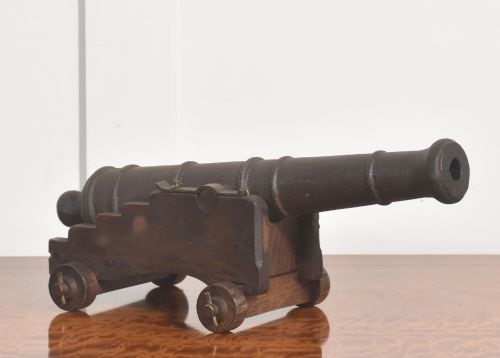
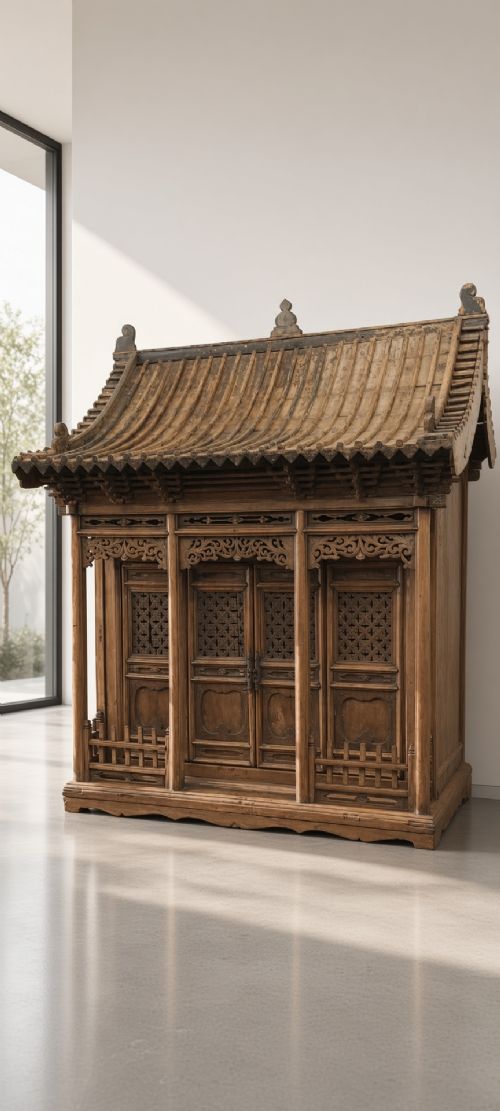
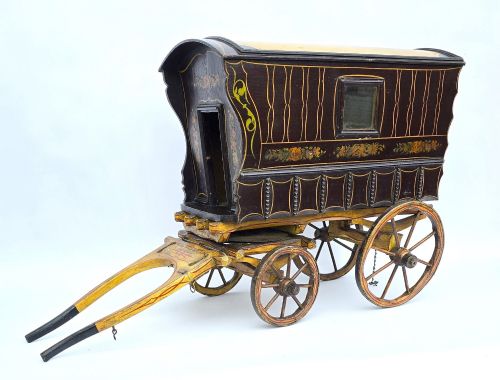
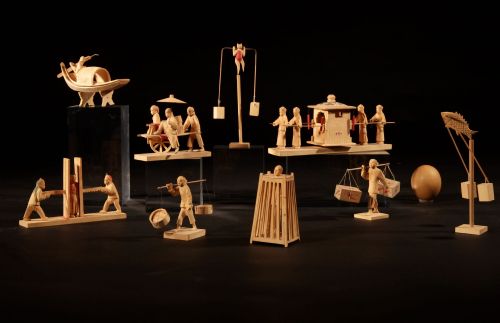
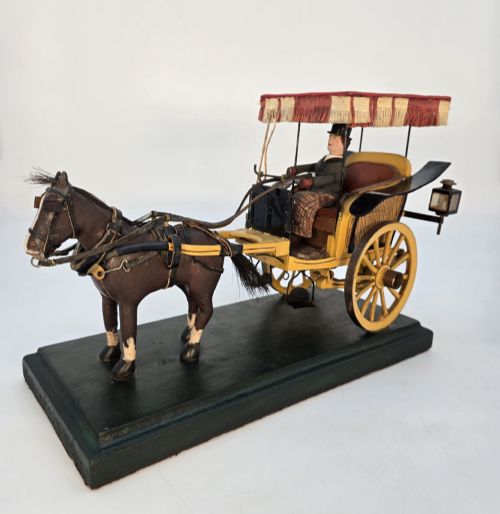
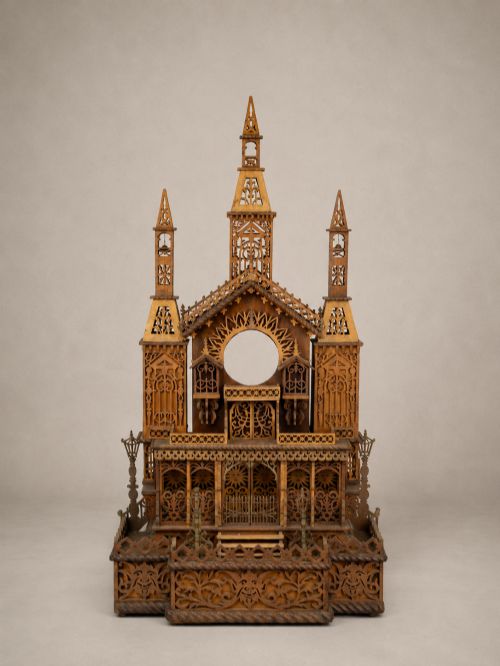
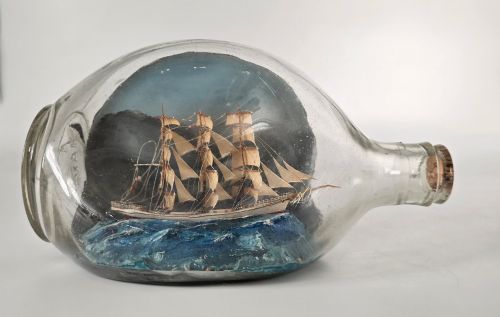
When you search for an antique wooden model, you seek miniature vessels, folk art carriages, and articulated figures carved with patient hands.
Antique Wooden Model
The materials and construction styles vary according to the original purpose of the object, shifting from utilitarian maritime timber to finely carved decorative items. Pieces span the eighteenth through to the early twentieth century, with nineteenth-century examples forming the majority of the available selection. Each item demonstrates the hand of its maker, whether constructed in an English workshop or a French studio.
How They Were Made
Makers utilised seasoned timber such as oak alongside applied layers of paint, canvas, glass, and metal fittings to construct these models. Joinery techniques ranged from basic pinned construction in folk art pieces to intricate brass hardware and metal rigging on maritime vessels.
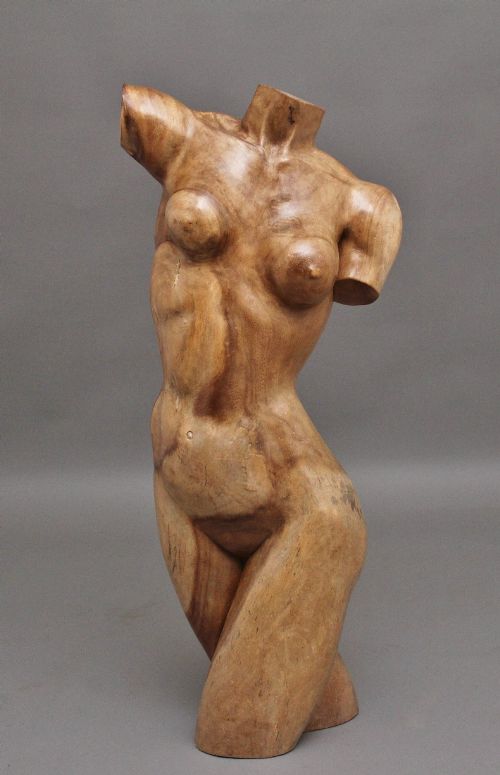
Carving formed the primary method for shaping figures, animals, and architectural elements, utilising hand tools to achieve articulation or surface texture. Paint layers were frequently applied to seal the wood and provide realistic decoration, while glass protected delicate internal dioramas from dust and moisture.
Current listings feature wooden models spanning the eighteenth, nineteenth, and early twentieth centuries, utilising oak, paint, metal, and glass.
What Varies in Quality
The standard of carving and mechanical articulation largely determines the quality of figures and lay figures, separating stiffly carved items from fluid, fully jointed examples. Detail in the rigging of ships and the structural accuracy of architectural models also signal the maker's skill and time investment.
Preservation of original surfaces, including early paint layers and untouched patina, distinguishes superior pieces from those with modern interventions or heavy restoration. The complexity of the subject matter, such as multi-masted vessels or automated displays, further indicates the ambition of the original construction.
R.D. Roberts·W. Grey & Co
The Antique Wooden Model Glossary
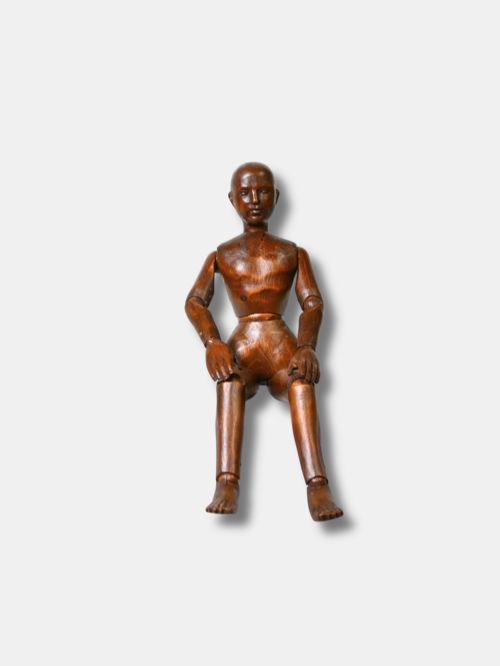
- Artist Lay Figure
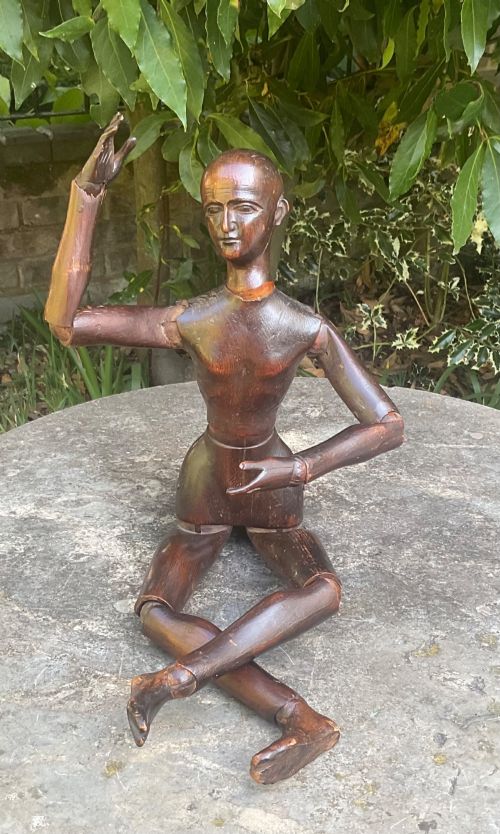
- An articulated wooden mannequin used by artists to study human anatomy, drapery, and posture. These figures feature jointed limbs connected by wooden or metal pins.
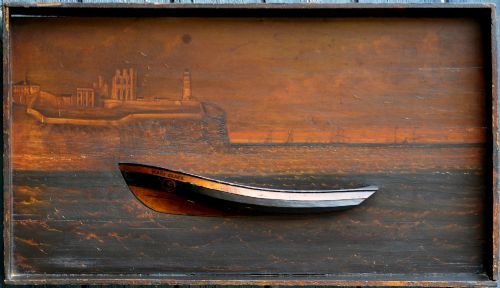
- Half Hull Model
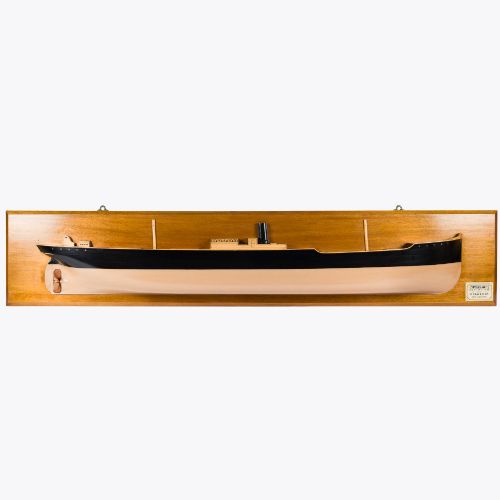
- A three-dimensional representation of one side of a ship's hull, mounted on a backboard. Shipwrights used these to design vessel shapes before full-scale construction.
- Maritime Diorama
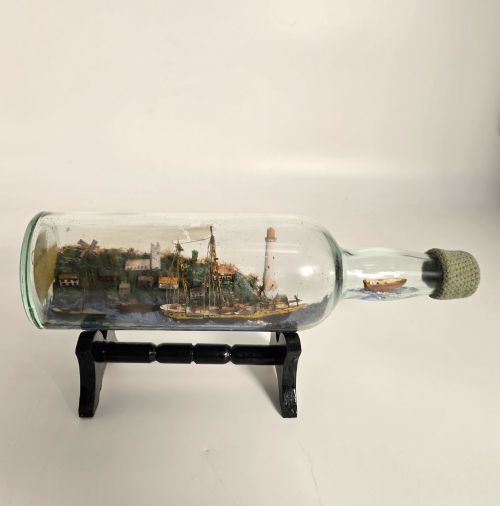
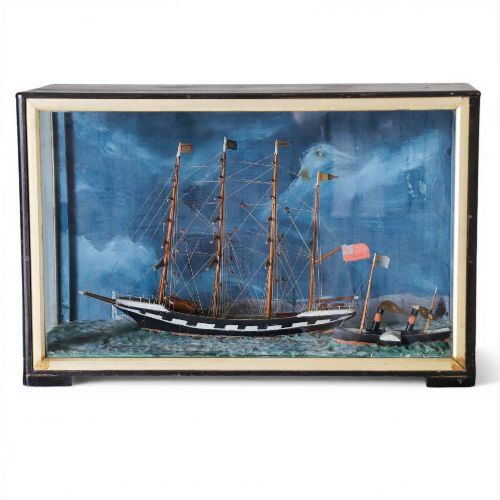
- A cased three-dimensional scene depicting ships at sea or in port, often incorporating painted backgrounds, carved waves, and detailed rigging.
- Pond Yacht
- A large-scale sailing model designed to be sailed on open water. These vessels feature substantial wooden hulls and canvas sails.
- Apprentice Piece
- A miniature item created by a craftsman in training to demonstrate mastery of joinery or carving techniques.
Antique Wooden Model: Frequently Asked Questions
How were model ships displayed?
Model ships were often housed inside glass-fronted wooden cases known as dioramas to protect their delicate rigging and painted seascapes from dust.
Larger pond yachts were constructed for actual use on water, while simpler hulls were mounted directly on stands for interior display.
What is an artist lay figure used for?
An artist lay figure served as a dependable wooden substitute for a human model when painting complex drapery and challenging lighting angles in the studio.
The fully articulated joints allowed painters to fix the mannequin into specific poses for extended periods.
How do I date an antique wooden model?
Dating relies on identifying the timber types, construction methods, hardware, and stylistic traits typical of periods like the Victorian or Edwardian eras.
Signatures, dates inscribed on cases, or historical subject matter such as specific naval vessels also help narrow down the production period.