




Architectural Scale Model
Architectural scale model pieces capture built forms in miniature, offering buyers tactile windows into historic design and craftsmanship.
Architectural Scale Model
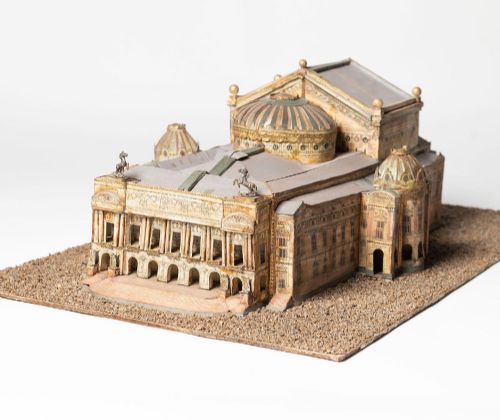
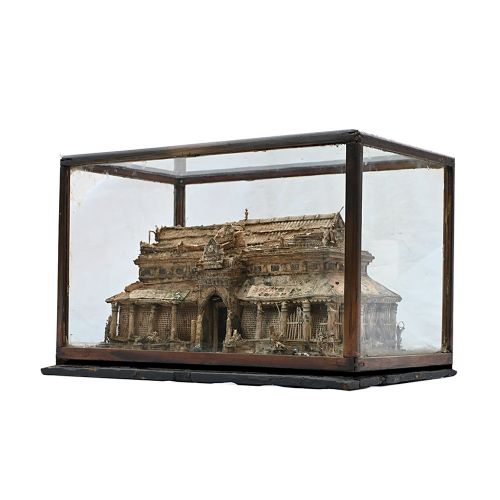
An architectural scale model represents buildings and structures in miniature, ranging from domestic houses to grand civic edifices and religious cathedrals. When exploring these architectural scale model items, buyers encounter diverse forms such as medieval houses made from matchsticks, detached Georgian dwellings, and large early twentieth century pine structures.
The selections span distinct historical eras, including Georgian, nineteenth century, and early twentieth century periods, with specific dates extending from seventeen fifty up to nineteen thirty. Alongside full buildings, related decorative items appear, including half hull ship models and working windmills reflecting folk art traditions.
Origins and styles vary widely across the inventory, encompassing Victorian folk art, Edwardian pieces, Beaux Arts designs, American Chippendale, Gothic Revival, and Dutch folk art. Each architectural scale model reflects the vernacular or academic architectural ambitions of its maker.
Materials and construction methods
Makers utilised a range of traditional materials to construct these models, predominantly relying on woods such as pine, mahogany, and carved oak, alongside paper, card, glass, and metal components. Certain vernacular examples incorporate unconventional media, notably matchsticks, demonstrating resourcefulness in miniature construction.
One determined maker decided an entire medieval house was best brought to life entirely out of matchsticks.
Distinctions in quality and execution
The standard of an architectural scale model is determined by the fidelity of its proportions, the precision of its joinery, and the subtlety of its surface carved detail. Pieces executed in fine hardwoods like mahogany demonstrate a higher level of cabinetmaker skill compared to simpler constructions made from card or matchsticks.
Another factor influencing quality is the complexity of the subject matter, where ambitious renderings of civic buildings or ecclesiastical structures demand greater spatial understanding than basic domestic forms. The integration of auxiliary materials like glass and metalwork also elevates the sophistication of the finished piece.
Liverpool Ship Building Co·Cornelius Daniel Ward
The Architectural Scale Model Glossary
- Architectural scale model
- A physical miniature representation of a building or structure, designed to study massing, proportion, or decorative scheme.
- Beaux-Arts
- An academic architectural style characterised by symmetry, monumental scale, and classical ornamentation, popular in the late nineteenth and early twentieth centuries.
- Gothic Revival
- A design movement drawing inspiration from medieval ecclesiastical architecture, featuring pointed arches, ribbed vaults, and ornate stonework detail.
- American Chippendale
- A colonial furniture and design style influenced by English rococo patterns, adapted here in miniature architectural alcove framing.
- Half hull ship model
- A three dimensional representation of one side of a vessel's hull, mounted on a board to study naval architecture and hull form.
Architectural Scale Model: Frequently Asked Questions
How were these models used?
Historically, such models served various functions including architectural planning, promotional display, and domestic decorative arts. Some acted as working prototypes for machinery or structures like windmills.
Others were created as folk art objects, cabinet display pieces, or commemorative representations of significant local and international buildings.
How do I live with them?
Displaying these models requires stable indoor environments away from direct sunlight and excessive humidity to protect delicate wooden, paper, and card components. Placing them on secure surfaces or inside glazed cabinets ensures they remain protected from dust and accidental impact.
Their sculptural presence allows them to act as focal points on tables, shelves, or dedicated display stands within a room.
How to tell periods apart?
Differentiating periods relies on identifying characteristic architectural styles, construction materials, and the decorative vocabulary applied to the model. Georgian and American Chippendale examples show classical restraint, while nineteenth-century Gothic Revival and Victorian folk art pieces display exuberant ornamentation or vernacular resourcefulness.
Twentieth-century items often reflect modern civic forms or incorporate early industrial materials, anchoring them firmly in their respective decades.