


Antique Dollhouse Miniature
These antique dollhouse miniature pieces are small domestic items and furniture crafted across the nineteenth and twentieth centuries, collected for their intricate scale and tangible history.
Antique Dollhouse Miniature
When you search for antique dollhouse miniature, you encounter small-scale domestic items spanning the Georgian, Victorian, and Edwardian periods, as well as mid-twentieth-century examples. The selection includes miniature furniture, silver tea sets, and architectural models that reflect full-size domestic history.
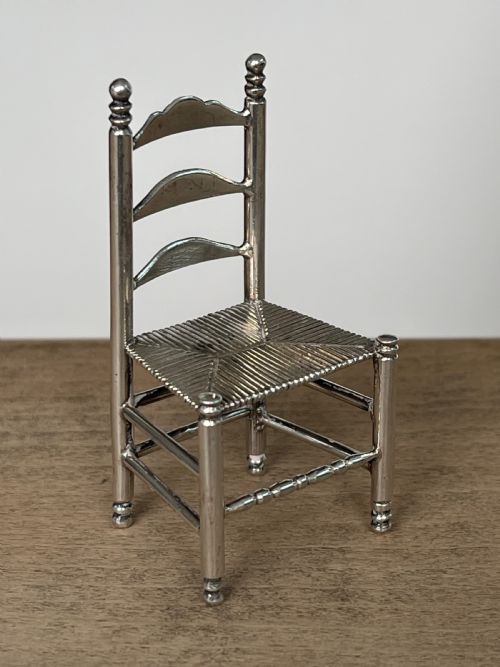
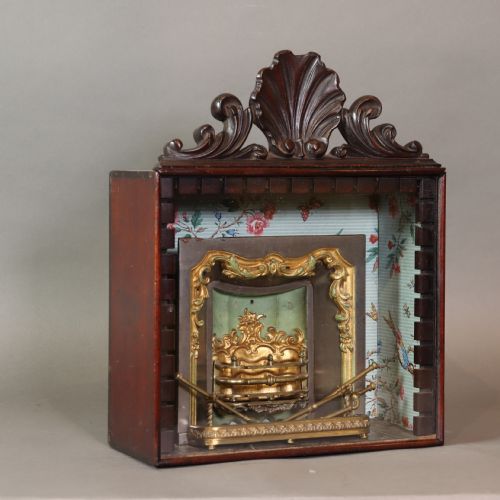
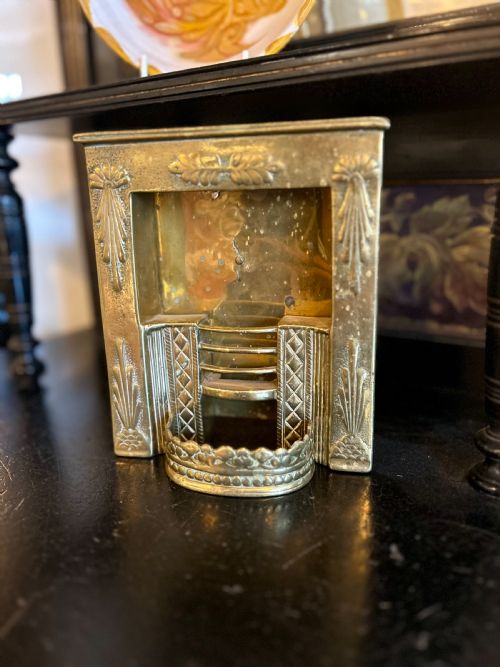
The objects take many forms, from mahogany centre tables and brass fireplaces to hand-painted Dutch Delftware furniture pieces and solid silver chocolate pot sets. These pieces served variously as child's toys, tradesmen's samples, or cabinet curiosities for adult collectors.
How they were made
Makers utilised traditional materials suited to miniature scale, working with solid silver, brass, iron, mahogany, earthenware, paper, and carved bone. Metal items often involved casting or smithing, while wooden pieces relied on fine cabinet-making techniques.
Ceramic pieces incorporate hand-painted blue and white decoration in the Dutch Delftware tradition, and bone sets demonstrate delicate carving work. These varied techniques allowed artisans to replicate full-scale household objects with remarkable precision.
Listings feature items from the Georgian, Victorian, and Edwardian eras, alongside mid-twentieth-century pieces.
What varies in quality
Quality rests primarily on the fidelity of the scale work and the crispness of the detailing, whether in the carving of bone, the casting of brass and iron, or the hand-painting on earthenware. Superior examples maintain correct proportional relationships to the full-size originals.
The choice of material also distinguishes the range, with solid silver and finely figured mahogany marking out pieces intended for adult display cabinets over robust toys designed for children's play.
The Antique Dollhouse Miniature Glossary
- Tradesman's sample
- A small-scale model created by manufacturers to demonstrate designs to prospective buyers without carrying full-size inventory. These pieces often duplicate the materials and construction of larger domestic items.
- Miniature furniture
- Small representations of household seating, tables, and case pieces produced in various periods. They served as playthings for children or display objects for collectors.
- Dutch Delftware
- Tinned-glazed earthenware originating from the Netherlands, traditionally decorated in blue and white. Miniature iterations replicate full-size ceramic vessels and furniture.
- Solid silver
- Precious metal used in miniature form for items such as chocolate pot sets and sofas. It indicates a high-status piece made for adult cabinets rather than a child's toy.
- Bone boudoir set
- A collection of miniature dressing room items carved from bone. This material allows for intricate detail on a very small scale.
Antique Dollhouse Miniature: Frequently Asked Questions
What were antique miniatures used for?
These small items served several distinct purposes depending on their material and origin. Many functioned as toys for children, while others acted as salesmen's samples for commercial travellers.
Finer silver and bone examples were made specifically as cabinet curiosities for adult collectors to display in domestic settings.
How old are most miniatures?
The pieces span from the Georgian period through the Victorian and Edwardian eras up to the mid-twentieth century. Stylistic clues and material choices help indicate the specific era of manufacture.
Victorian pieces often show heavy iron or brass construction, whereas Georgian and Edwardian examples frequently involve refined silver or specialised woodwork.
Are miniatures made of real silver?
Certain pieces are indeed formed from solid silver or sterling silver, such as miniature sofas and chocolate pot sets. These objects often bear hallmarks that assist with dating.
Other metal items utilise brass, cast iron, or base metals rather than precious materials.
How do I display miniatures?
Collectors generally house these small items in dedicated wall cabinets or glass-fronted display cases to protect them from dust and loss. Given their diminutive scale, grouping them by material or theme creates a clear visual focus.
Proper lighting helps highlight the fine carving and metalwork details.