




Vintage Building Scale Model
These vintage building scale model pieces capture historic structures and machinery, offering tactile miniatures that bring architectural history straight into a room.
Vintage Building Scale Model
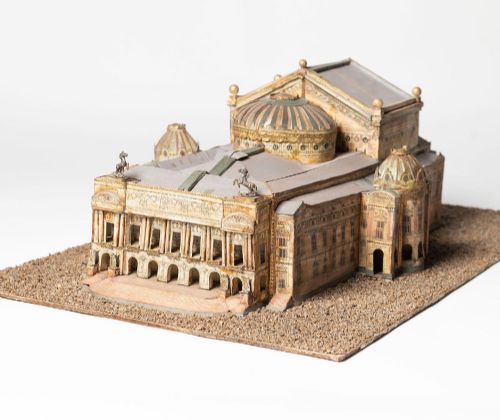
A vintage building scale model represents tangible pieces of architectural and transport history, ranging from grand European opera houses to humble detached houses and mediaeval dwellings. Buyers searching this category typically seek handcrafted representations that encapsulate the architectural ideals of periods stretching from the Georgian era through to the interwar decades.
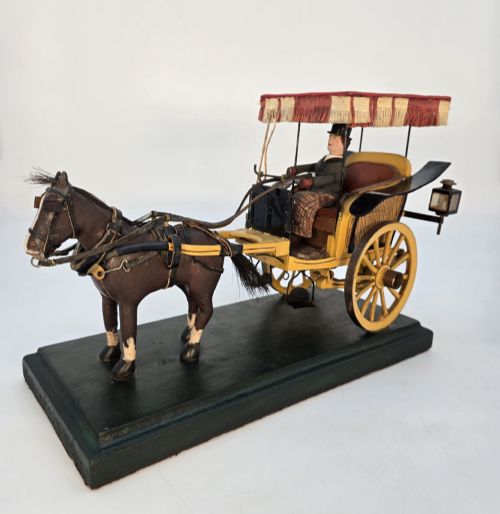
The objects available in this range include intricate structures constructed from wood, pine, paint, glass, brass, paper, and fabric, alongside vernacular folk art creations made from matchsticks or carved oak. These models often replicate cathedrals, grocery stores, and carriages, presenting a diverse cross-section of early twentieth-century and nineteenth-century craftsmanship.
Visitors navigating these options frequently encounter architectural models from the 1920s and 1930s, as well as distinct expressions of Victorian folk art and Edwardian design. Such items serve as sculptural display pieces that reflect the ambition and precision of their original makers.
Materials and construction
The construction of these pieces relies heavily on traditional woodworking techniques, utilising timber such as pine and carved oak to form the core structures of buildings and transport models. Makers incorporated glass, brass, paper, and fabric to render windows, decorative fixtures, and internal details with surprising fidelity.
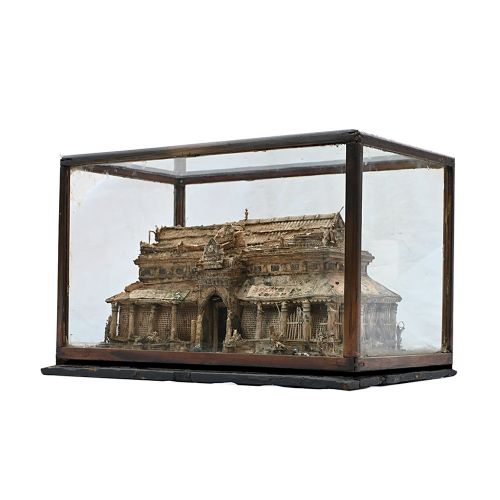
Many items in the collection are scratch built, indicating that artisans fabricated components individually without commercial kits, sometimes employing unconventional materials like matchsticks to achieve detailed facades. Painted finishes were frequently applied to wooden surfaces to simulate masonry, roofing, and decorative trims.
One remarkably patient maker constructed an entire mediaeval house out of ordinary matchsticks around 1910.
Judging the standard
Quality in these models rests upon the fidelity of the architectural proportions and the ambition of the original design, whether capturing a monumental cathedral or a local grocery store. Superior examples demonstrate rigorous attention to detail in structural elements and surface treatments.
The dexterity required for scratch building creates a clear distinction between standard items and exceptional works. Pieces featuring signed documentation or intricate hand-cut components show a higher level of artisan dedication.
The Vintage Building Scale Model Glossary
- Scratch built
- Constructed entirely from raw materials and individual components rather than from a pre-packaged commercial kit. This method denotes a unique creation born directly from the maker's own measurements and plans.
- Folk art
- Utilitarian or decorative objects created by self-taught individuals using accessible materials. In this context, it describes models shaped by vernacular traditions rather than formal architectural training.
- Architectural model
- A physical three-dimensional representation of a building designed to study massing, spatial relationships, or final appearance. These objects often survive as independent decorative sculptures.
- Beaux-Arts
- A classical architectural style characterised by symmetry, grandeur, and elaborate ornamentation originating from the École des Beaux-Arts in Paris. Models of this style reflect formal academic design principles.
Vintage Building Scale Model: Frequently Asked Questions
What materials were used to build these models?
Makers relied on traditional media including wood, pine, brass, glass, paper, and fabric to construct these miniatures. Some vernacular pieces also incorporate everyday items like matchsticks.
Surfaces were frequently finished with paint to replicate authentic exterior textures and building materials.
How do I identify the period of a model?
Dating relies on architectural styles, construction methods, and materials associated with eras such as the Georgian period, Victorian folk art, and interwar industrial design.
Signed pieces or those bearing specific dates scratched into the woodwork offer the most direct evidence of origin.
Where should I display a large architectural model?
These sculptural objects require stable surfaces such as large console tables, sturdy bookshelves, or dedicated display cabinets with adequate depth.
Placing models away from direct sunlight protects vulnerable components like paper, fabric, and painted wooden finishes.
What is a scratch built model?
A scratch built model is one fabricated entirely from raw stock timber, metal, and other supplies without the aid of manufactured kits.
This hands-on method ensures that every structural element reflects the individual maker's specific vision and skill level.