


Carved Wooden Architectural Model
A carved wooden architectural model brings the scale and craft of grand buildings into domestic spaces, offering collectors intricate miniature structures and displays.
Carved Wooden Architectural Model
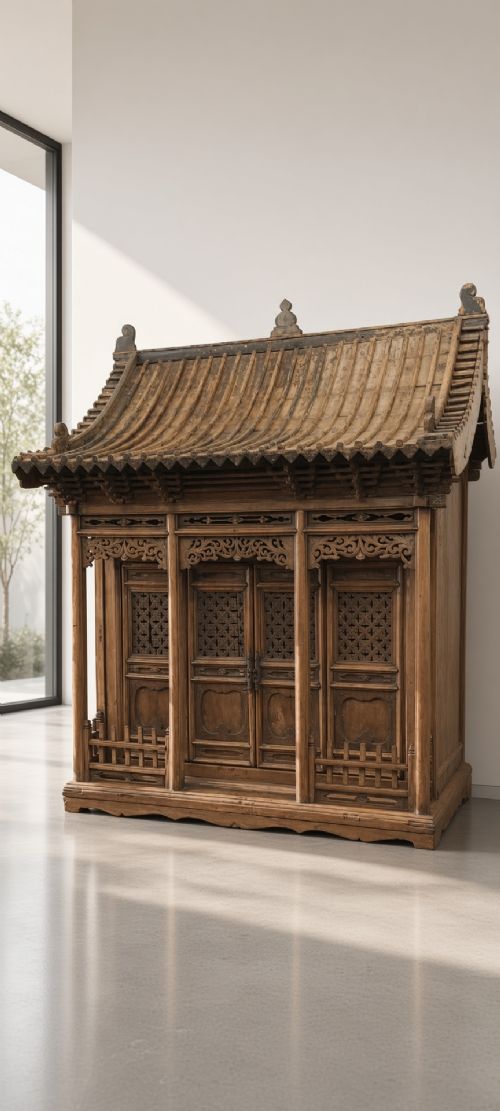
A carved wooden architectural model represents buildings, shrines, and structures through meticulous miniature construction. When exploring a carved wooden architectural model, collectors encounter objects ranging from domestic alcoves to religious shrines and working windmills.
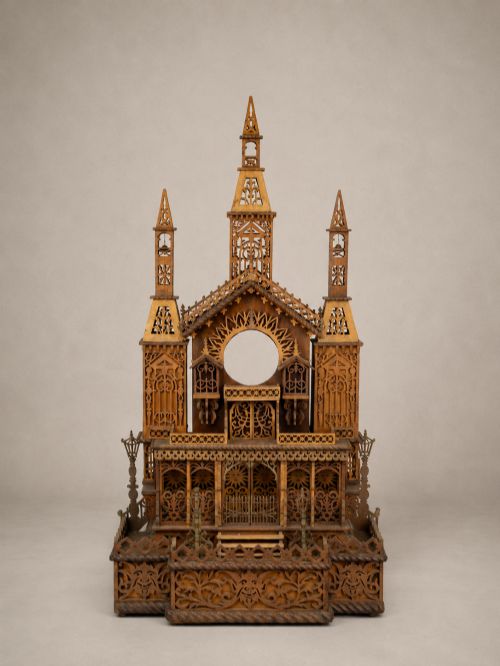
The pieces appearing on this page span several centuries and global traditions. Examples include eighteenth-century Chinese shrines, nineteenth-century folk art models, and early twentieth-century English pine structures.
Makers utilised various timber types to capture structural details at a reduced scale. These objects serve as visual records of architectural styles including Gothic Revival, American Chippendale, and Dutch folk traditions.
How they were made
Artisans shaped these models using traditional woodworking techniques on timbers such as pine, mahogany, elm, fruitwood, and oak. Carved timber forms the primary structural body of each piece, frequently enhanced with painted surfaces or brass fittings.
Construction methods vary from the intricate fretwork seen in clock cases to the detailed layering of cork work dioramas. Craftsmen employed precise joinery and carving to replicate large-scale facades, pagodas, and cathedral stonework in miniature.
One industrious maker built a working windmill model so convincing that local mice briefly attempted to mill grain in the parlour.
What varies in quality
Quality in these models rests upon the precision of the joinery and the fidelity of the architectural detailing. Superior examples demonstrate a careful balance between structural proportion and fine surface carving.
The complexity of the subject matter also distinguishes the range. Pieces featuring elaborate fretwork, multi-tiered pagoda roofs, or specialised mechanical elements like working windmill components require a higher level of artisan skill.
W Grey And Co
The Carved Wooden Architectural Model Glossary
- Fretwork
- Ornamental design created by cutting intricate patterns through wood. This technique appears frequently on decorative clock cases and architectural panels.
- Half hull model
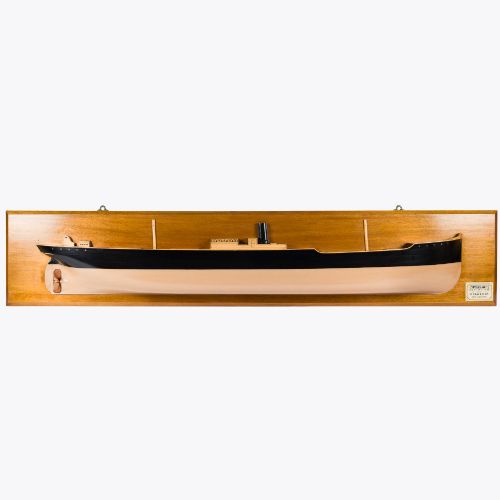
- A three-dimensional representation of a ship's hull mounted on a board, used historically for naval design. These models focus on accurate hull contours.
- Shrine
- A consecrated enclosure or structure housing sacred objects or figures. Eighteenth-century examples often incorporate elaborate carved wooden surrounds.
- Diorama
- A three-dimensional scene depicting historical or architectural subjects. Cork work versions utilise layered natural materials to create depth.
- Pagoda
- A tiered tower with multiple eaves, originating in East Asian architecture. Miniature wooden versions replicate traditional roof curves and bracket systems.
Carved Wooden Architectural Model: Frequently Asked Questions
What is a carved wooden architectural model?
These pieces are miniature representations of buildings, structures, and shrines constructed by craftsmen from timber. They capture the design principles of full-scale architecture in portable formats.
Collectors prize them for their intricate hand-carved details and historical representation of diverse architectural styles.
How were these architectural models used?
Historically, makers created these models as demonstration pieces, design prototypes, or decorative items for domestic interiors. Some versions served religious or devotional functions within shrines.
Others functioned as playful folk art or commemorative displays, such as working windmills and half hull ship models.
How do I date an architectural model?
Dating relies on identifying the prevailing architectural style, such as American Chippendale or Gothic Revival, alongside the choice of materials like pine or mahogany. Construction methods and tool marks also offer clues to the period of origin.
Comparing the structural details to known buildings or period furniture helps narrow down the decade of creation.
How should I care for wooden models?
Protect these pieces by keeping them away from direct sunlight and fluctuating humidity levels to prevent the timber from warping or cracking. Gentle dusting with a soft, dry brush maintains the surface without damaging delicate carved details.
Avoid applying liquid polishes or chemical cleaners to painted or bare wood surfaces.