



Early 20th Century Miniature
An early 20th century miniature brings distinct detail and proportion to a room, offering concentrated craftsmanship in small scale.
Early 20th Century Miniature
When you search for an early 20th century miniature, you encounter a diverse gathering of small-scale items spanning portrait paintings, bronze sculptures, child-sized furniture, and scale models. These objects capture the aesthetic preoccupations of the Edwardian era through the nineteen-thirties, reflecting both domestic utility and decorative arts.
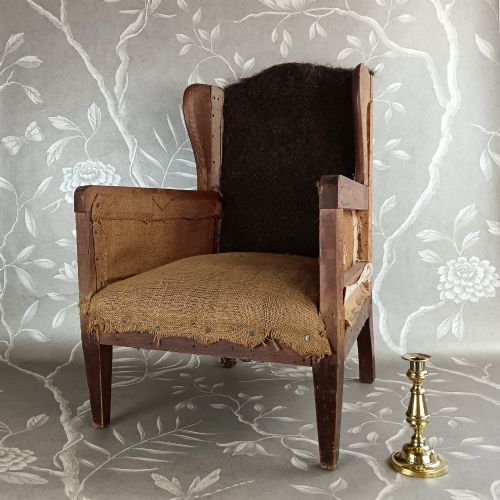
The most frequent versions on this page include cold painted bronzes of animals and figures, hand-painted portrait miniatures on watercolour and ivory, and small scale models such as pond yachts and machines. Alongside these sit diminutive furnishings including child-sized armchairs and elm chairs, alongside small crystal and glass vessels.
Materials and construction methods
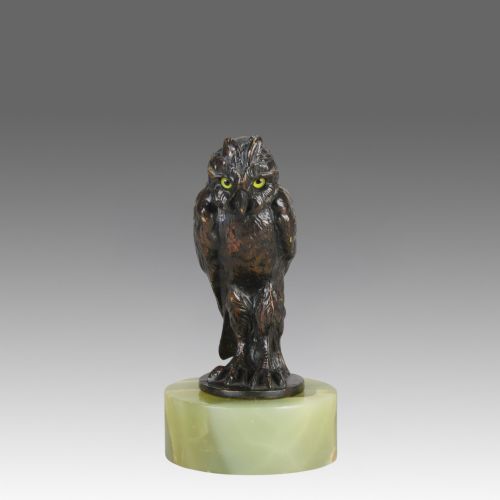
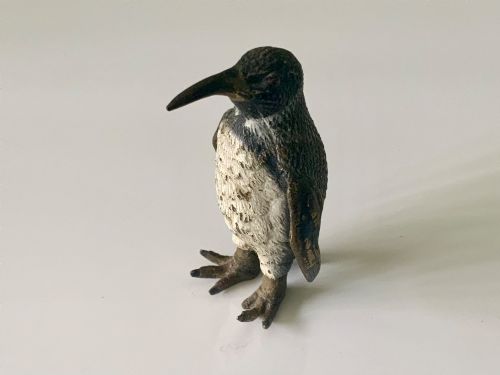
Metalwork relies heavily on bronze, brass, cast iron, and cold painting techniques, particularly visible in Vienna bronzes and small figurative sculptures. Wood appears through timber, elm, and various carved elements used in miniature furniture and model boats.
Delicate visual works utilise watercolour, crystal, and glass, often combined with gilt frames or mounted within ivory settings. Hand-painting and machine modeling demonstrate the varied production techniques of the period, from signed portrait miniatures to industrial metal models.
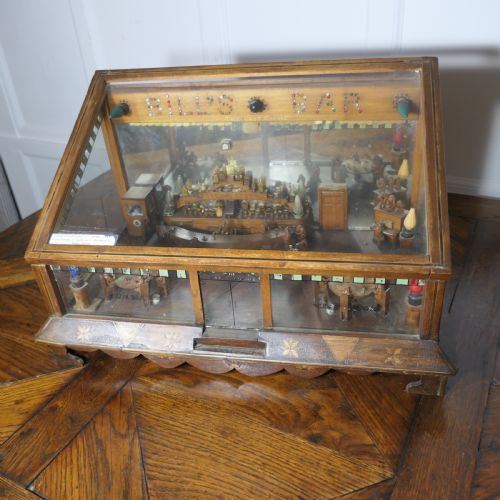
Among the tiny furnishings and grand bronzes sits an entire saloon bar diorama meticulously fashioned by an American prisoner.
Factors distinguishing quality
Quality rests upon the fineness of execution and the fidelity of detail achieved within a restricted scale. Signed works by recognised artists or specific workshops display superior control over brushwork, cold painting, or metal casting compared to unmarked commercial productions.
The integrity of materials and the preservation of original surfaces govern the standing of each piece. Intact frames, original upholstery on miniature seating, and well-preserved paint on bronzes or watercolours separate superior examples from standard decorative items.
Susie Lassam·Daum Frères·Edith Parsons·Franz Bergman
The Early 20th Century Miniature Glossary
- Cold painted bronze
- A bronze sculpture decorated with polychrome oil or enamel paints that are applied without heat firing. This technique produces vibrant coloration on small animal and human figures.
- Portrait miniature
- A small painted likeness, typically executed in watercolour on paper, ivory, or vellum. These works require precise brushwork to capture facial details within a compact format.
- Vienna bronze
- Small-scale bronze figures produced in Austrian foundries during the late nineteenth and early twentieth centuries. They are frequently characterised by humorous or naturalistic animal subjects.
- Pond yacht
- A model sailing boat designed and weighted to be sailed on open water. Larger examples feature fully rigged masts and detailed wooden hulls.
- Prisoner art
- Objects fashioned by detained individuals utilising available local materials. These items often include intricate dioramas or carved wooden models.
Early 20th Century Miniature: Frequently Asked Questions
How were portrait miniatures painted?
Portrait miniatures from this era were meticulously hand-painted using fine brushes, typically employing watercolour on paper, ivory supports, or specialised frames. Artists achieved remarkable facial detail and costume accuracy within frames often measuring just a few inches across.
Signed examples by practitioners like Susie Lassam demonstrate the professional artistry dedicated to these diminutive works of portraiture.
Where were Vienna bronzes made?
Vienna bronzes originated in Austrian foundries during the late nineteenth and early twentieth centuries, with makers such as Franz Bergman producing whimsical or naturalistic figures. These pieces were cast in bronze and finished with cold painted enamel colours.
The technique created lifelike textures on small animal subjects, including owls, penguins, dogs, and pigs.
How do I display miniatures at home?
Miniatures suit curated placement where their fine details can be examined closely, such as on dedicated display shelves, within glass cabinets, or on small tabletops. Pairing bronze figures with small glass vessels or framed watercolours creates balanced visual groupings.
Ensuring stable surfaces and avoiding direct sunlight protects delicate painted surfaces and paper works from environmental degradation.