


Dark Wood Coffer Panel
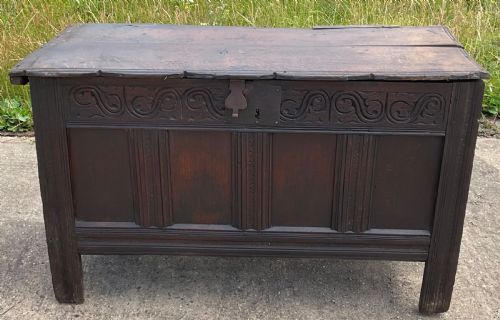
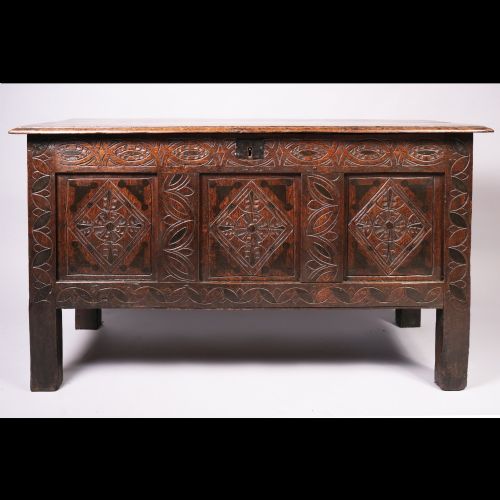
A dark wood coffer panel offers substantial storage and enduring presence, bringing centuries of structural joinery and rich timber grain straight into a room.
Dark Wood Coffer Panel
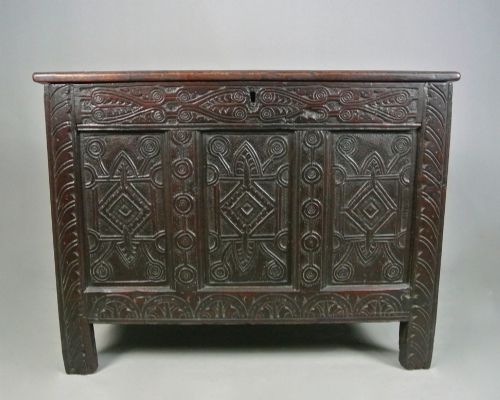
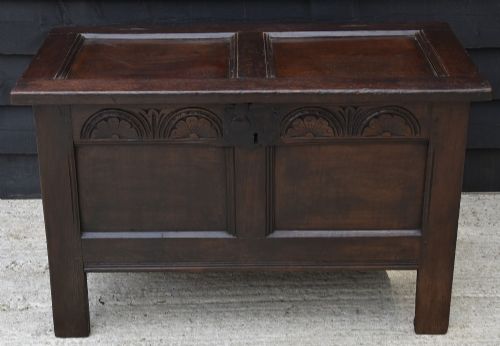
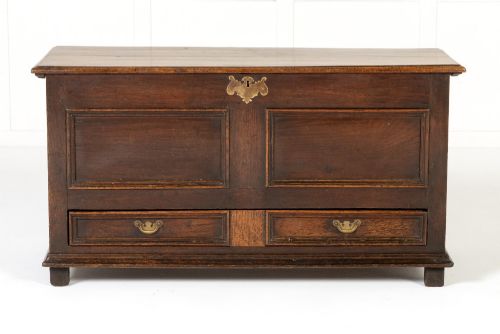
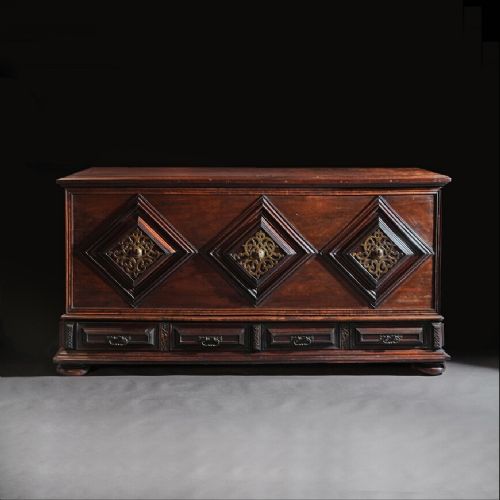
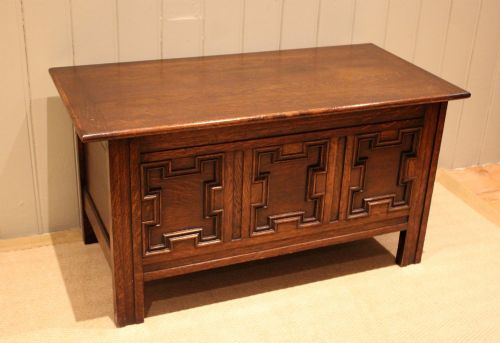
A dark wood coffer panel brings together centuries of domestic storage furniture and architectural woodwork, spanning from the sixteenth century through to the Edwardian era. You will encounter substantial timber chests, mule chests, box settles, and individual wall panels that show heavy regional influence from English, Welsh, and continental workshops.
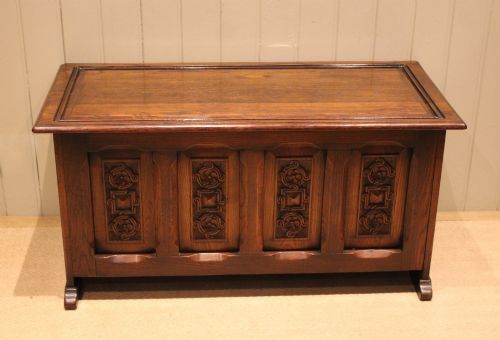
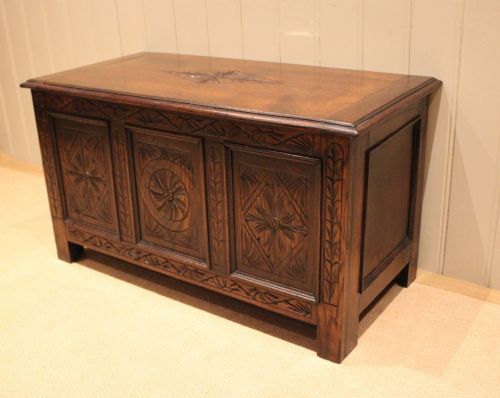
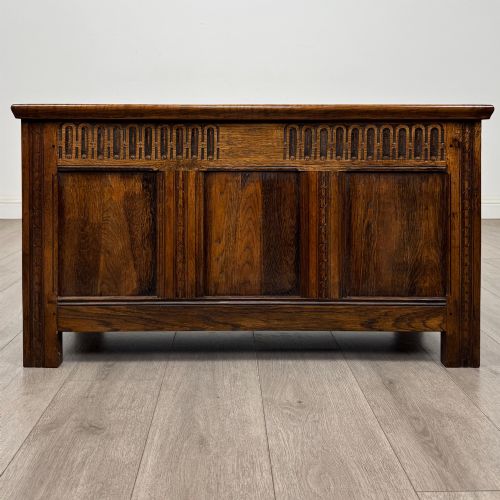
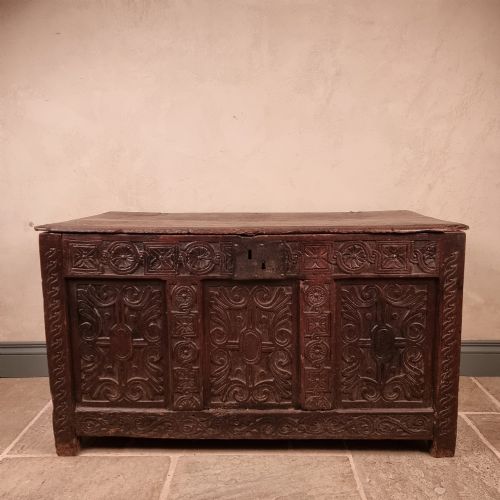
The version you are most likely to meet on this page is the seventeenth-century or eighteenth-century oak coffer, often featuring panelled construction and carved decoration. These pieces were built to house linens, documents, and valuables, and their sturdy proportions reflect their primary function as domestic strongboxes.
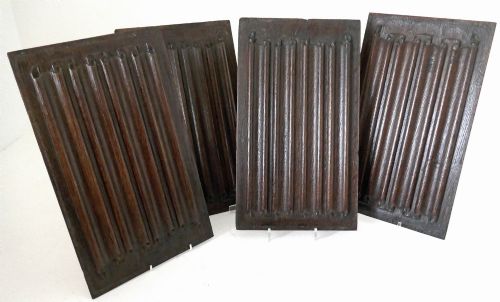
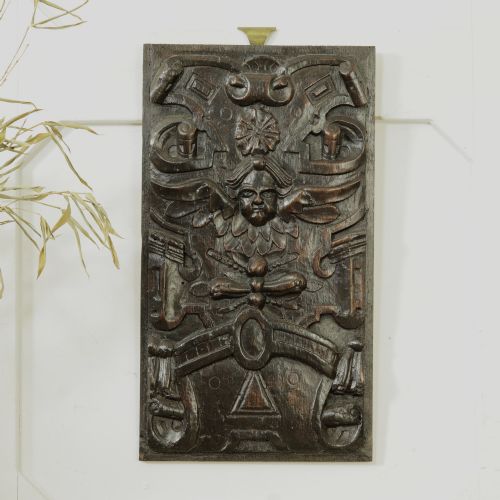
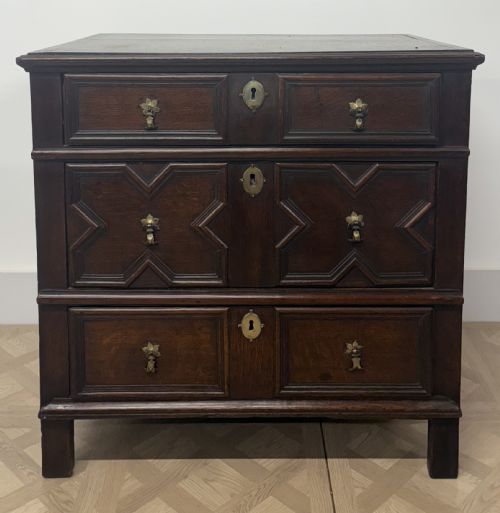
Alongside complete storage chests, the listings include individual panels, carved fronts, and cupboards created from rich timbers. This variety demonstrates how structural elements from older furniture have survived independently or been incorporated into later domestic interiors.
Materials and construction methods
Oak dominates the evidence, chosen by historical joiners for its immense strength, durability, and deep natural grain. Cabinet makers also utilised mahogany, walnut, fruitwood, and ebonised wood to achieve darker tones and finer decorative contrasts.
Traditional construction relies heavily on frame and panel joinery, which allowed solid timber to expand and contract safely across seasonal temperature changes. Metalwork fittings in iron and brass provided essential reinforcement for lids, hinges, and locking mechanisms.
Form variations include box settles, mule chests, wall panels, and traditional storage coffers.
Factors that distinguish the best examples
The standard of a dark wood coffer panel rests on the crispness of the carving and the integrity of the original timber. High-end pieces display deep relief work, such as linenfold motifs or figurative scenes, executed with confident control by skilled hands.
Proportion and surface patina also dictate quality, as untouched timber surfaces retain a warm, historic glow that lesser or heavily restored pieces lack. Structural originality, including period hinges and internal candle boxes, separates standard utility items from superior collector pieces.
The Dark Wood Coffer Panel Glossary
- Coffer
- A large wooden chest traditionally used for storing valuables and household goods. These sturdy containers often served as benches or tables in early domestic interiors.
- Linenfold
- A style of wood carving that mimics folded fabric, popular on Tudor and Jacobean panels. This technique creates a textured surface using disciplined chisel work.
- Mule chest
- A storage chest fitted with one or more drawers beneath the main compartment. This form bridges the gap between the traditional coffer and the modern chest of drawers.
- Settle
- A wooden bench with a high back, solid arms, and a box seat underneath for storage. They were placed near hearths to block draughts in period homes.
- High-relief
- A sculptural technique where figures and ornaments project significantly from the background timber. This method requires considerable skill to carve deep details without splitting the grain.
Dark Wood Coffer Panel: Frequently Asked Questions
How do I date a dark wood coffer panel?
Dating relies on observing construction methods, tool marks, and the style of the carving. Early pieces utilise pegged mortise and tenon joints without modern fixings.
The evolution of decorative motifs, from Tudor linenfold to geometric Jacobean strapwork and Georgian panels, provides a reliable timeline for these items.
Were these panels originally part of larger chests?
Many individual sections survive from dismantled furniture or architectural fittings. Cabinets and coffers were occasionally broken down over centuries, leaving distinct panels to circulate independently.
Examining the edges for dowel holes or rebate grooves reveals whether a section belonged to a larger chest or a wall installation.
How should I care for historic oak timber?
Historic timber requires stable humidity and protection from direct sunlight to prevent warping and splitting. Feeding the wood with traditional wax polish maintains the protective surface without building up sticky residue.
Avoid placing these items near modern heating radiators, which dry out the antique fibres and loosen traditional wooden pegs.
What is an internal candle box?
A candle box is a small, lidded compartment built into the interior side of a storage chest. It kept fragile tallow or beeswax candles separate from heavy textiles and linens.
Finding an intact candle box adds significant authenticity and charm to an eighteenth-century or seventeenth-century coffer.