
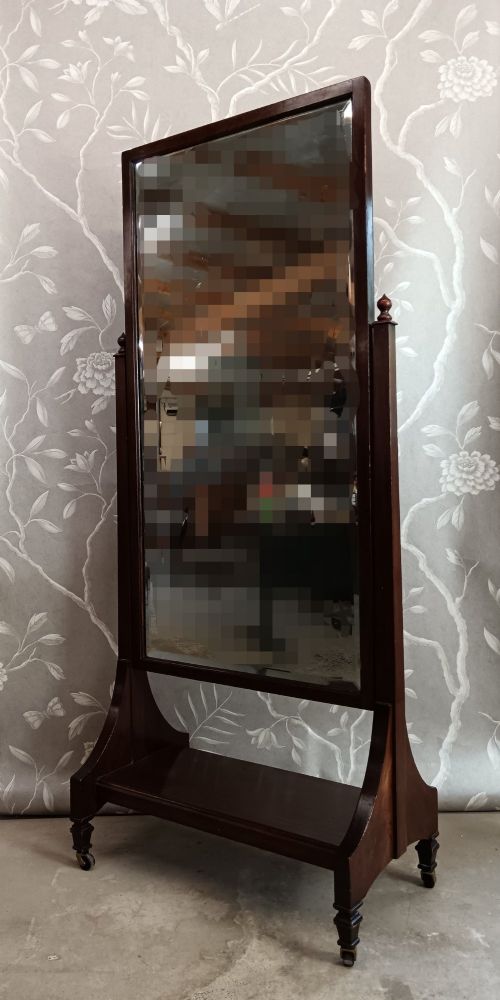


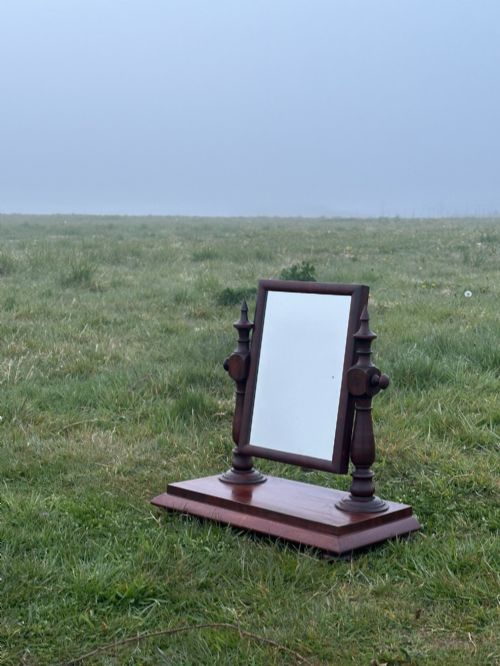
Dark Wood Cheval Mirror
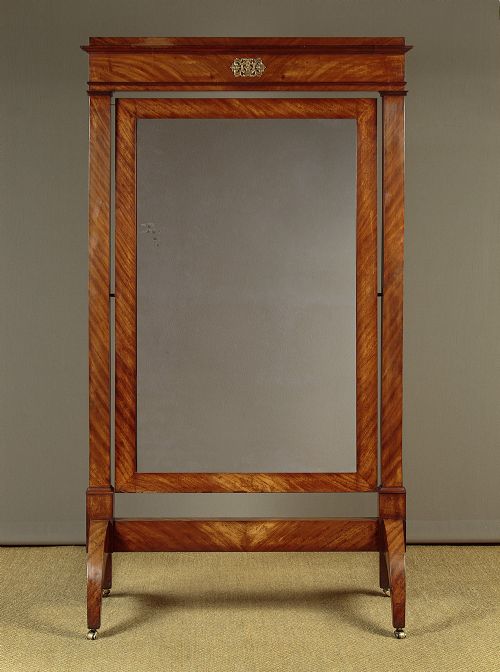
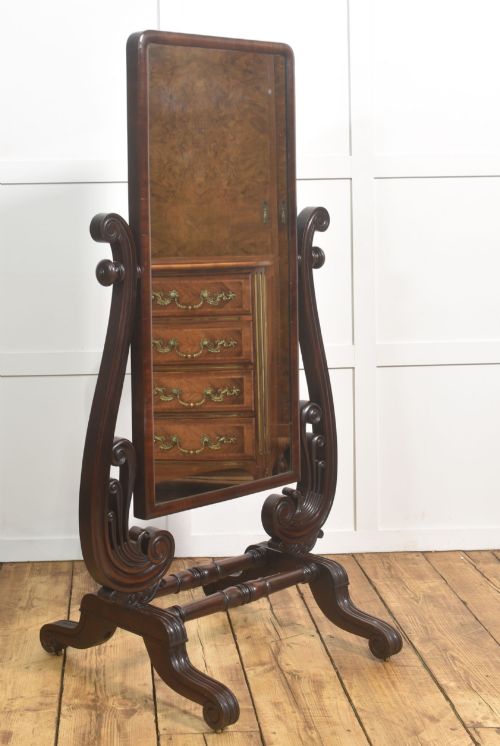
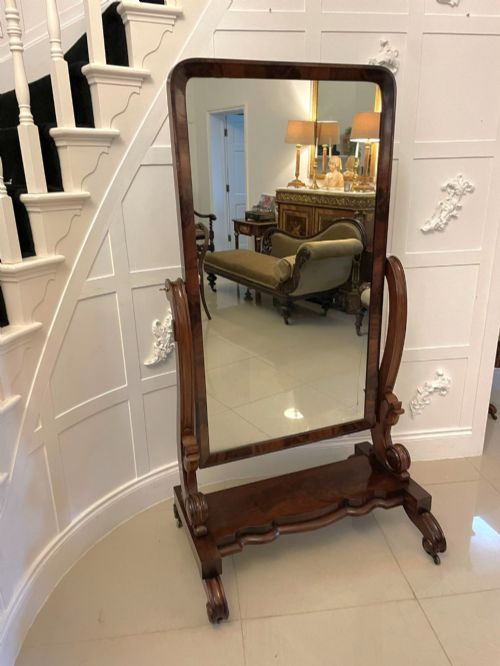
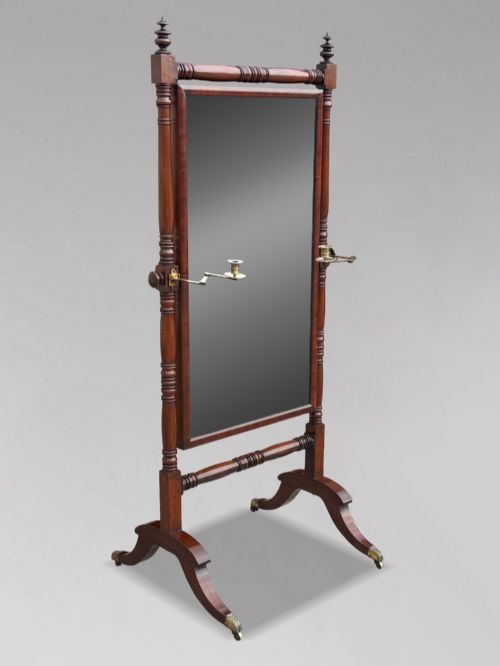
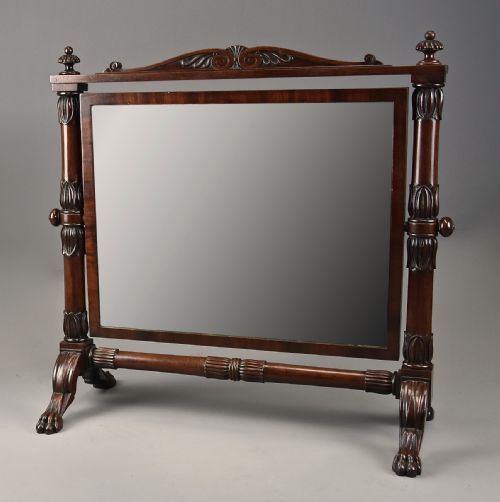
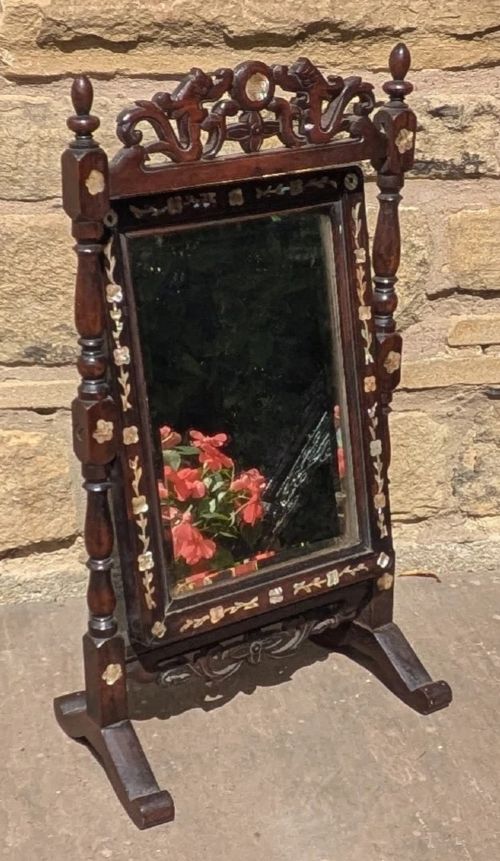
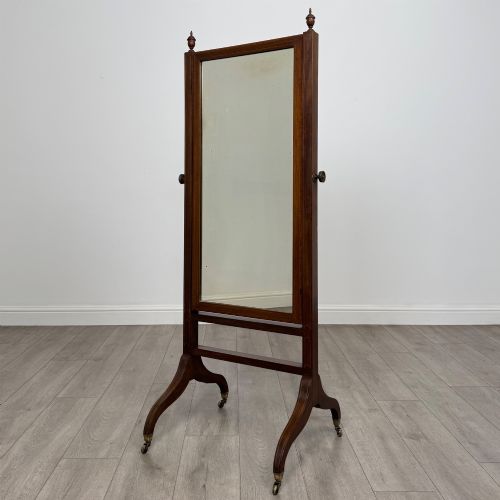
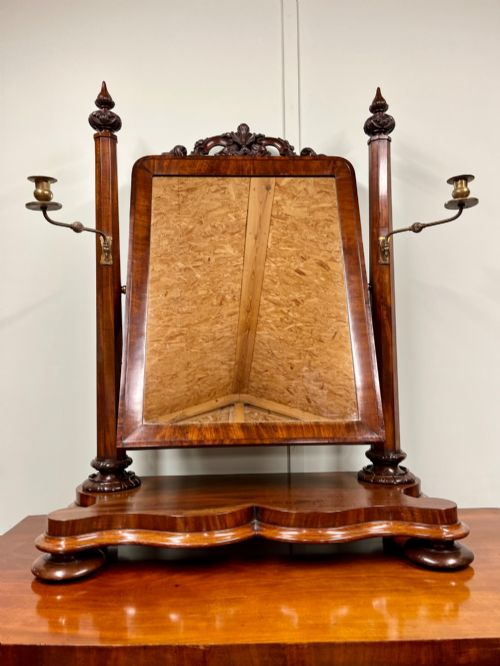
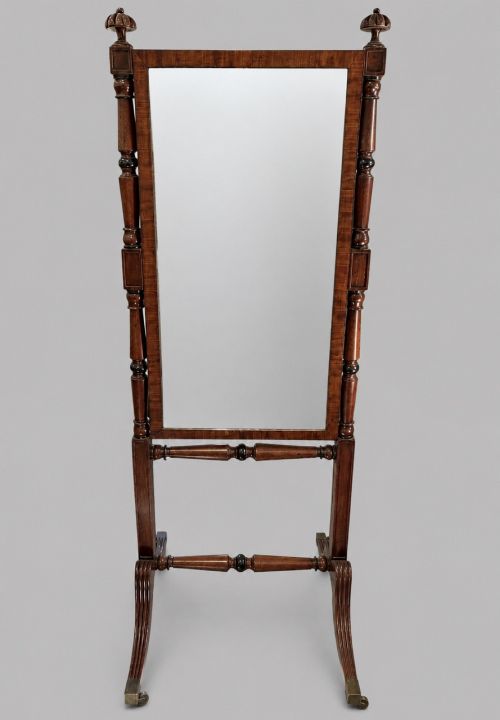
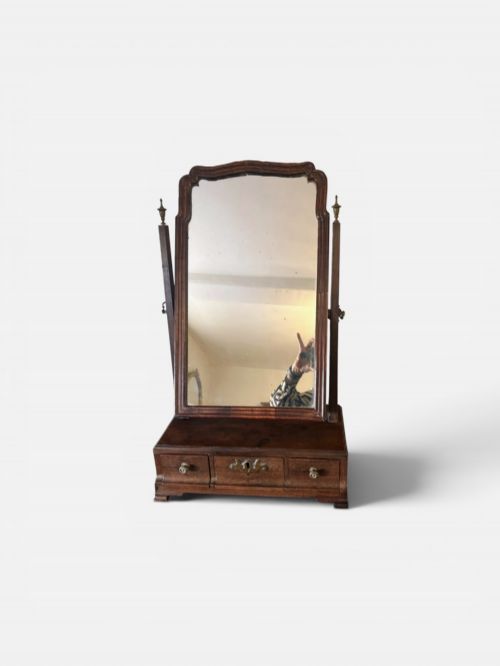
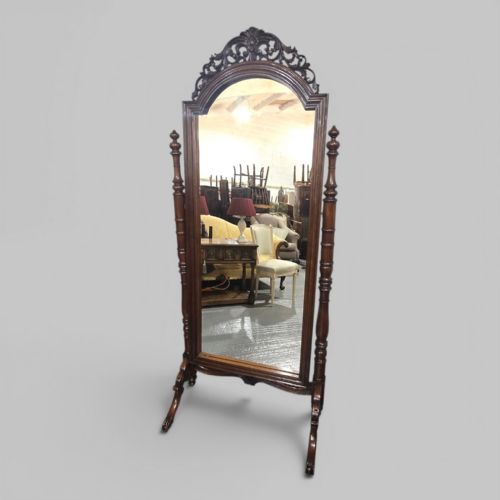
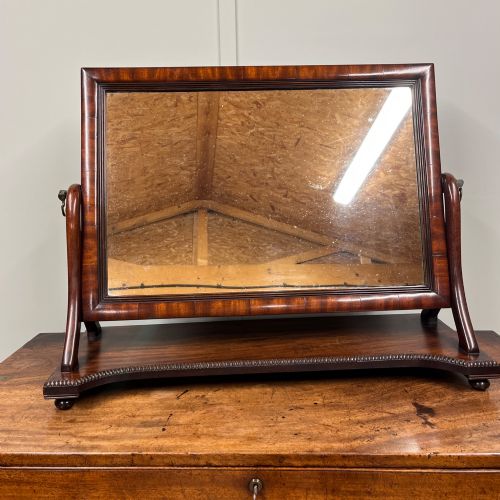
These dark wood cheval mirror examples offer the freestanding full-length reflection that every dressing room requires.
What a dark wood cheval mirror is
A dark wood cheval mirror provides a tall, freestanding glass surface designed to pivot within a supportive frame for dressing room use. These pieces span multiple historical periods, including Victorian, Edwardian, and Art Deco eras.
The predominant timber found in these selections is mahogany, alongside walnut and general wood constructions. Pieces range from mid-nineteenth century designs up to mid-twentieth century items like Art Deco and 1950s examples.
Buyers encounter formats such as full-length freestanding dressing mirrors and specialised double-sided dressing room variants. Origins stretch across traditional British periods and French Chateau styles.
How they were made
Joiners constructed the frames using solid timbers such as mahogany and walnut, selected for deep colour and steady weight. Mirror glass was securely fitted into pivoting wooden housings.
Hardware components like brass fixings provided the adjustable pivots that allow the mirror frame to tilt smoothly. Craftsmen utilised traditional woodworking joints to stabilise the heavy freestanding uprights.
Retail Price Guide 2026
Typical UK retail prices for dark wood cheval mirror, calculated from the Sellingantiques database of over a million retail prices indexed since 2003. This retail price guide relies exclusively on Sellingantiques data; no external sources or auction records are used, so the figures do not describe the wider market.
Listings span several eras, recording pieces from the Victorian, Edwardian, and Art Deco periods alongside mid-century items.
What varies in quality
The refinement of the timber grain and the depth of the polished finish separate standard utility items from superior examples. Heavier mahogany frames with harmonious proportions demonstrate finer workshop standards.
The quality of the brass hardware and the smoothness of the pivoting mechanism indicate the care taken during original manufacture. Surviving original mirror glass with clean bevelling adds further distinction.
The Dark Wood Cheval Mirror Glossary
- Cheval mirror
- A tall freestanding mirror mounted on a frame that allows it to swing or tilt. This form originated to provide a full-length view for attire.
- Mahogany
- A durable, reddish-brown tropical hardwood favoured for fine cabinet making. Its stability made it ideal for large freestanding mirror frames.
- Edwardian
- The architectural and decorative style spanning the reign of King Edward VII until the First World War. Pieces from this period often display lighter interpretations of earlier traditional forms.
- Art Deco
- The design movement of the 1920s and 1930s characterised by sleek geometric shapes and stylised forms. Items from this era bring a distinct modern glamour to dressing spaces.
Frequently Asked Questions
How do I date a dark wood cheval mirror?
Dating relies on observing timber choices, framing details, and hardware construction methods. Earlier nineteenth-century examples often feature dense mahogany and hand-turned supports.
Later Edwardian and Art Deco iterations introduce sleeker lines and different proportioning. Comparing these stylistic markers against known period designs clarifies the age.
Where should I place a cheval mirror?
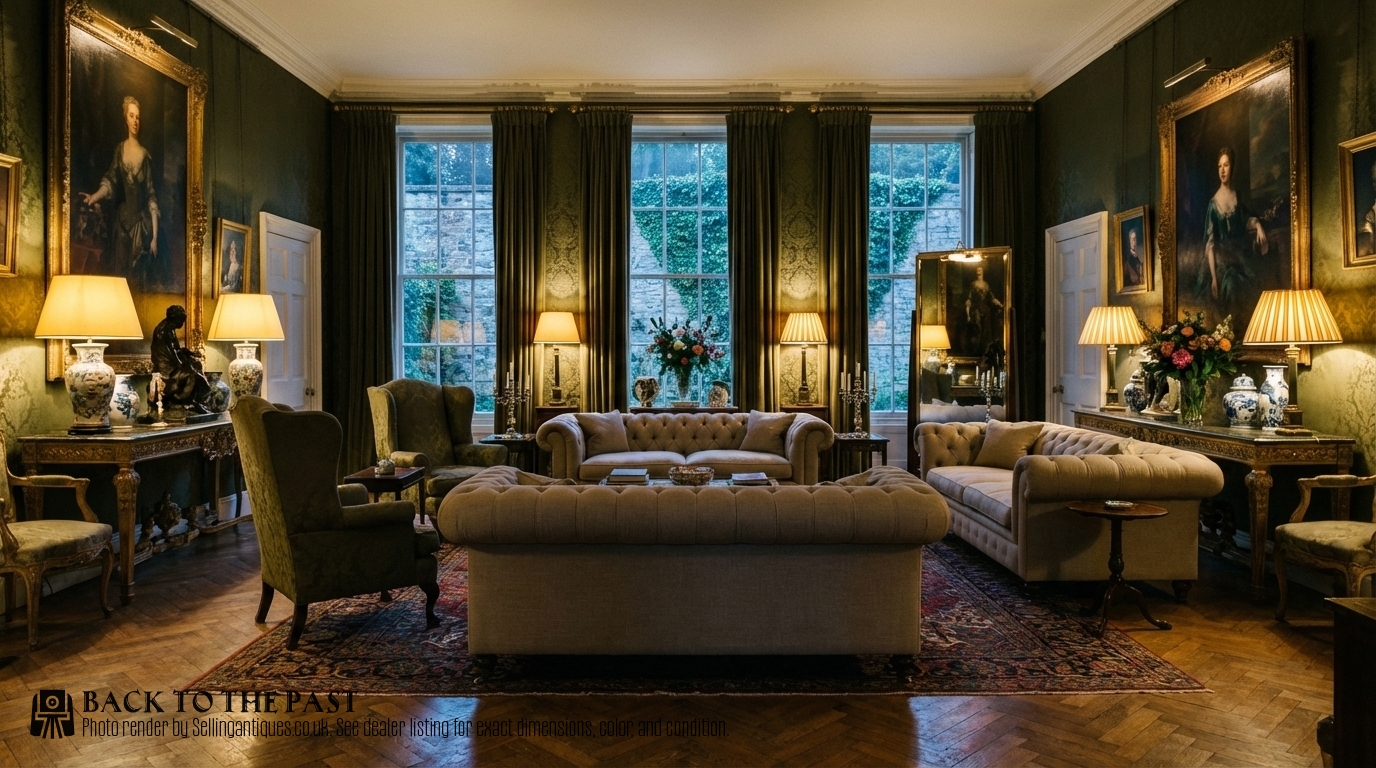
These freestanding mirrors suit bedrooms, dressing rooms, and spacious hallways where full-length reflections are practical. Placing them near natural light sources helps brighten the surrounding room.
Ensure the floor surface is level so the pivoting frame remains stable during daily use.
Are these mirrors stable on carpets?
Freestanding cheval mirrors require a firm base to support their shifting weight when tilted. Thick carpets can cause the feet to sit unevenly, affecting the balance of the frame.
Placing the mirror on a hard floor or using small stabilizing pads ensures safe operation.
What maintenance do the wooden frames need?
Wooden frames benefit from occasional dusting with a soft, dry cloth to protect the polished surface. Avoiding direct sunlight prevents the mahogany or walnut timber from fading over time.
Applying appropriate wax polish periodically helps maintain the rich lustre of the wood.