


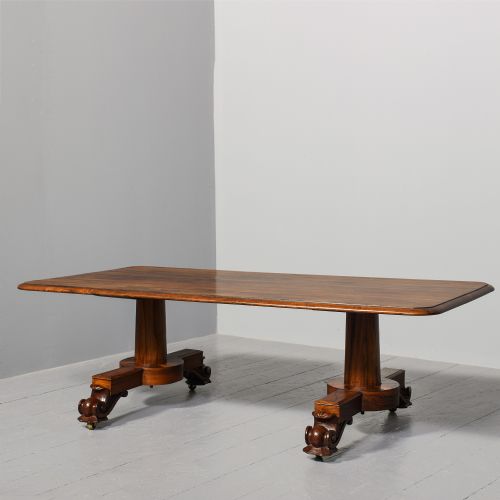
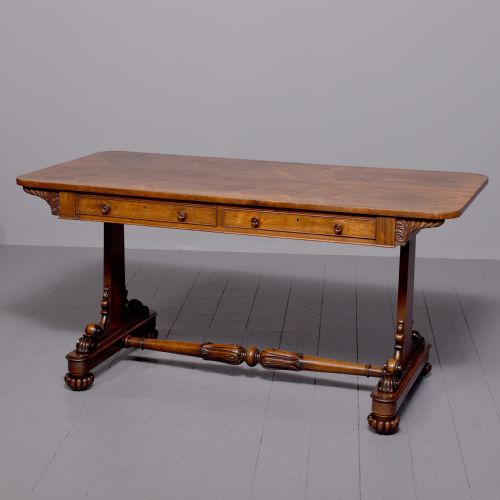
Dark Wood Center Table
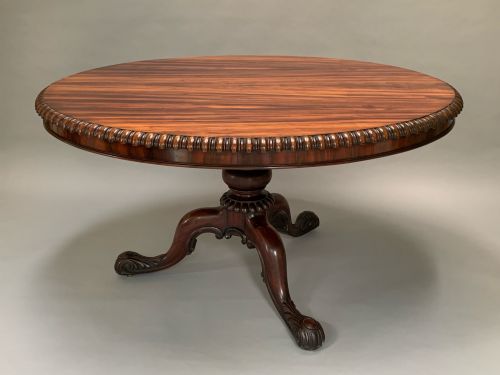
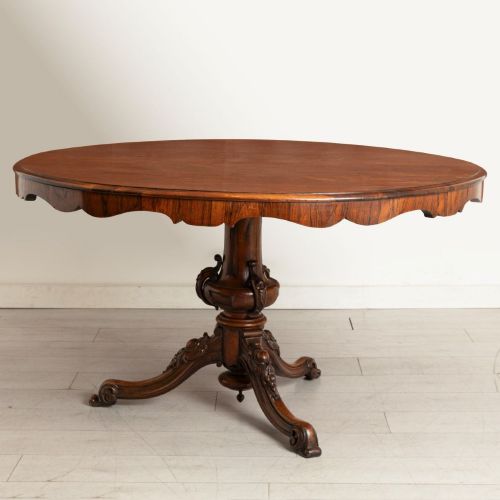
A dark wood centre table anchors a room with rich timber and period presence.
Dark Wood Center Table
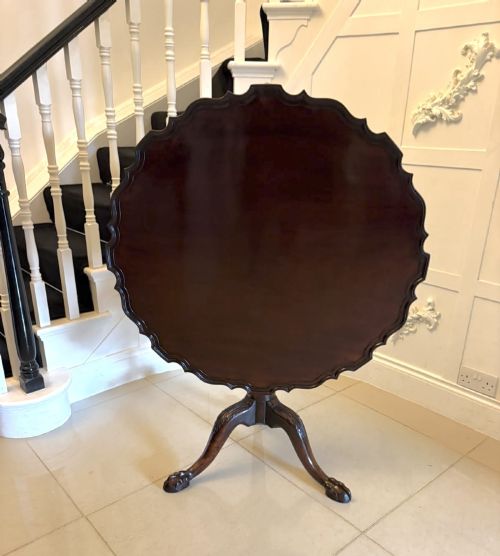
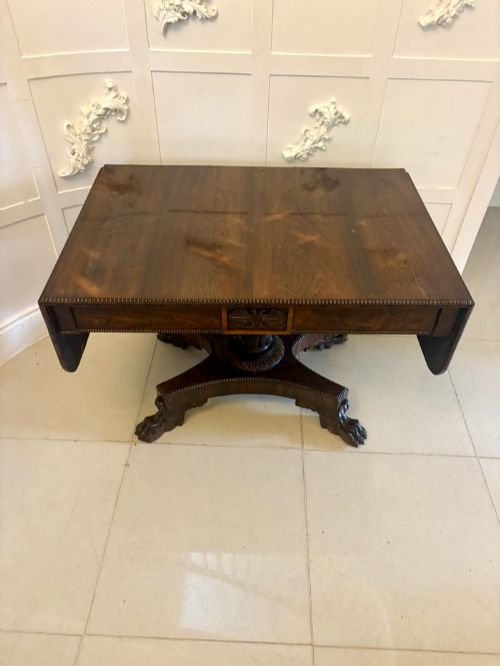
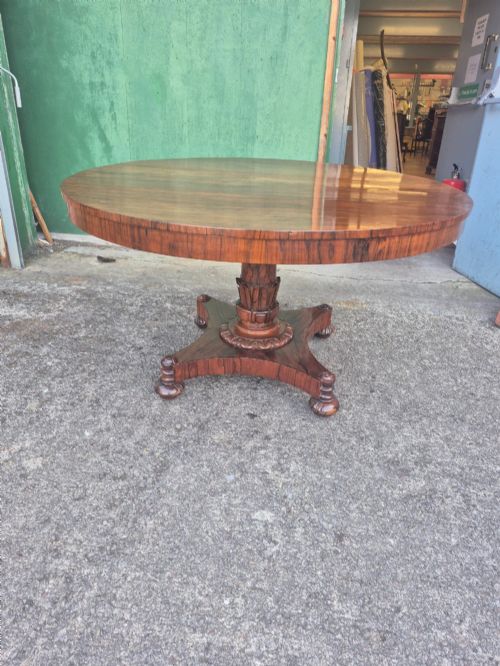
A dark wood centre table serves as a freestanding focal point in a principal room, designed to be viewed from all sides rather than pushed against a wall. When you search for a dark wood centre table, you encounter substantial freestanding surfaces created to sit in the middle of a space.
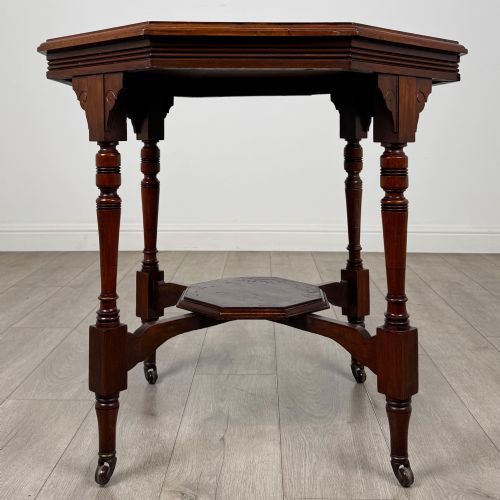
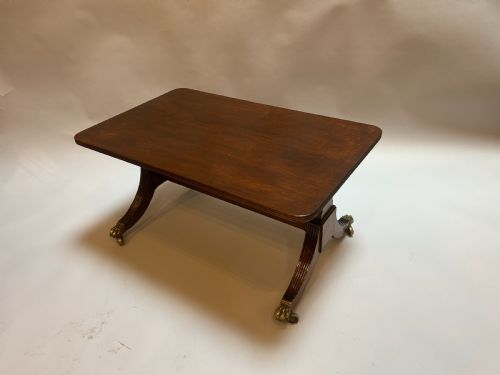
The selections span significant periods including the 18th century, Regency, William IV, Victorian, and Edwardian eras. Forms range from dedicated centre tables and breakfast tables to library tables, occasional tables, and adapted coffee tables.
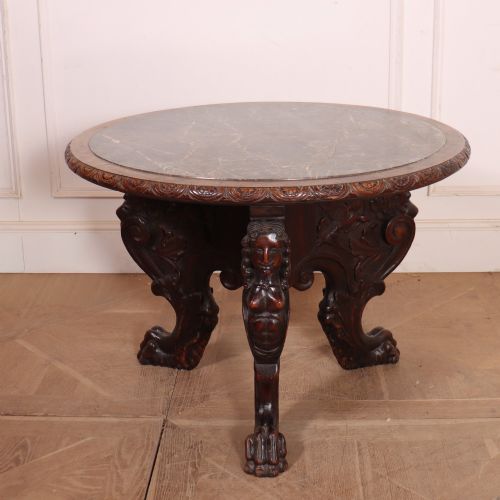
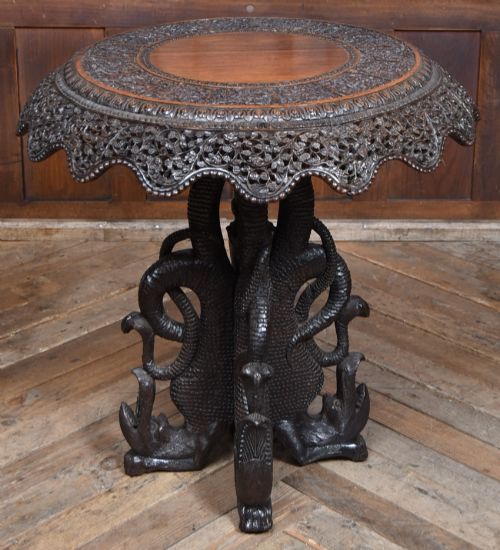
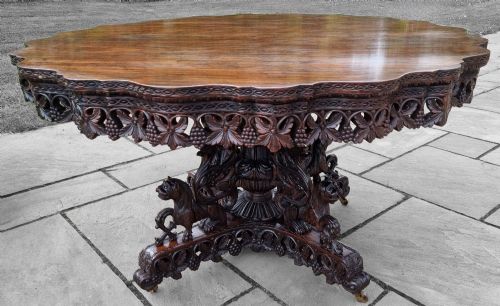
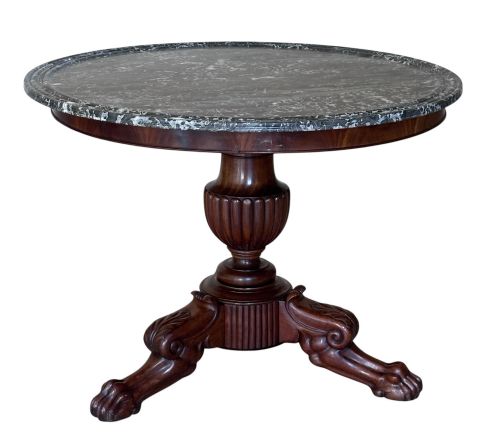
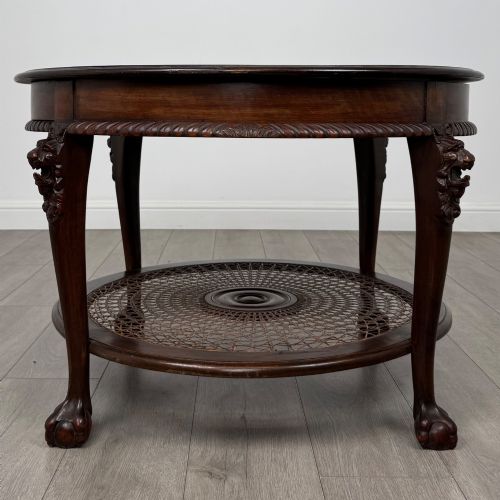
Timbers such as mahogany, rosewood, walnut, and ebony dominate the selection, often complemented by brass hardware or marble tops. Origin varies from English workshops to French, Anglo-Indian, Ceylonese, and Burmese makers.
How they were made
Cabinetmakers utilised dense tropical and domestic hardwoods, selecting rosewood, mahogany, walnut, and ebony for their deep colour and fine grain. These timbers were frequently worked into solid bases or applied as veneers over secondary woods to achieve expansive patterned surfaces.
Construction techniques combined robust joinery with decorative carving, turning, and inlay. Tripod bases, triform supports, and carved solid columns bore the weight of heavy circular or oval tops, while specialised variations incorporated tilt-top mechanisms or secret drawers.
Recorded periods span from the 18th century and Regency era through the Victorian and Edwardian periods into the 20th century.
What varies in quality
The distinction between ordinary and exceptional pieces lies in the selection of the timber and the crispness of the carving. Superior examples display carefully matched grain patterns, such as burr walnut or flame mahogany, combined with deeply undercut, hand-carved details on pedestals and legs.
Structural integrity and original mechanical elements also divide the range. Tables retaining working tilt mechanisms, original brass castors, fitted secret drawers, and stable weight distribution without excessive timber shrinkage represent the highest standard of period craftsmanship.
Gillows
The Dark Wood Center Table Glossary
- Freestanding
- Finished on all sides so that it can sit in the middle of a room rather than against a wall. This design ensures that the back and sides receive the same fine polish and detail as the front.
- Tilt-top
- A table top hinged to the pedestal so it can tilt vertically when not in use. This mechanism allowed the table to be stored flat against a wall to save floor space in period interiors.
- Triform
- A three-sided base or pedestal support common on nineteenth-century tables. It typically rests on three feet or castors to provide stable floor contact.
- Calamander
- A heavy, durable exotic hardwood featuring distinctive dark brown and light brown stripes. It was frequently used for luxury cabinet work and decorative banding.
- Gueridon
- A small French table designed to hold a light or ornament, often operating as a decorative centre table. These pieces frequently feature tripod supports or column pedestals.
Dark Wood Center Table: Frequently Asked Questions
Where do you put a centre table?
A centre table traditionally occupies the middle of a large entrance hall, saloon, or principal reception room. Because the piece is finished on all sides, it requires open floor space where people can walk entirely around it.
In modern homes, these tables frequently function as large display surfaces or gathering points beneath a central ceiling light or chandelier.
How do I identify a Victorian table?
Victorian tables typically display darker, denser timbers like rosewood and walnut, often combined with heavy turned pedestals and platform or triform bases. The proportions tend to be substantial and sturdy, reflecting the manufacturing capabilities of the nineteenth century.
Decoration on these pieces frequently includes elaborate hand-carving, applied mouldings, and sometimes marble inserts or specimen wood tops.
Can I use a breakfast table for dining?
Period breakfast tables were originally constructed for morning meals or light repasts in private parlours rather than formal evening banquets. Their pedestal bases provide ample legroom, making them suitable for everyday dining.
Many of these tables feature tilt mechanisms, so checking the stability of the central pivot is essential if the surface will experience regular daily use.
What is an Anglo-Indian table?
Anglo-Indian tables are nineteenth-century pieces manufactured in the Indian subcontinent using traditional local timbers like padauk and rosewood, built to European furniture forms. They typically feature exceptionally deep, intricate hand-carvings reflecting regional craftsmanship.
These works combine British furniture designs of the Regency or Victorian periods with distinctive oriental motifs and exotic wood grains.