
Dark Wood Carved Stool
These dark wood carved stool examples span centuries of domestic seating, offering solid timber frames and ornate handwork that suit traditional and modern rooms alike.
Dark Wood Carved Stool
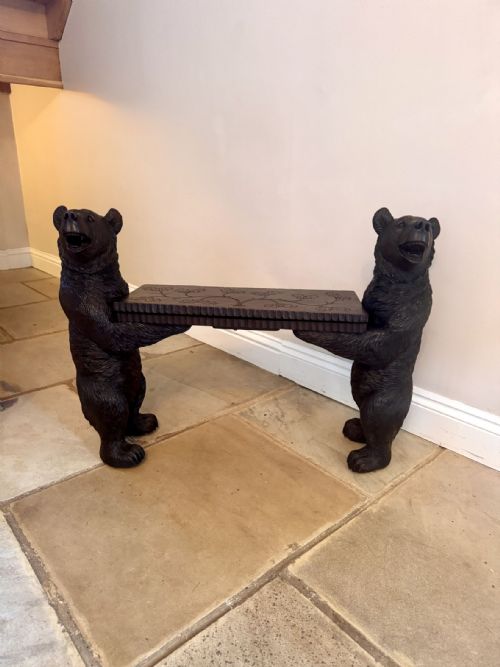
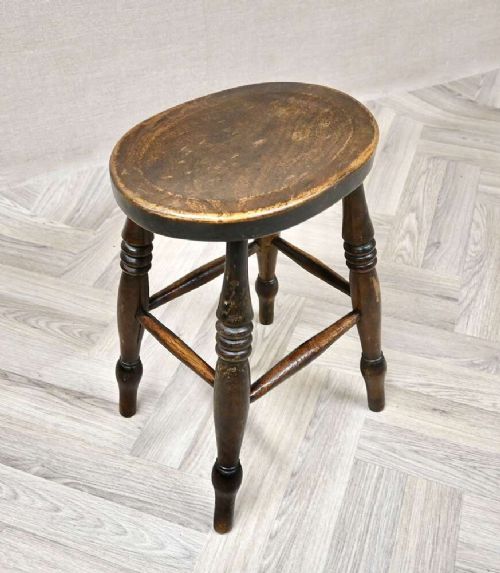
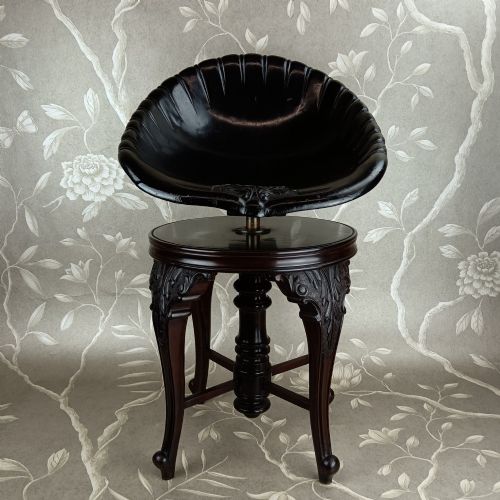
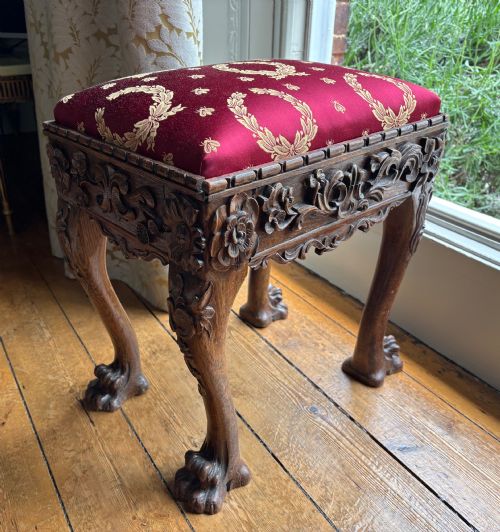
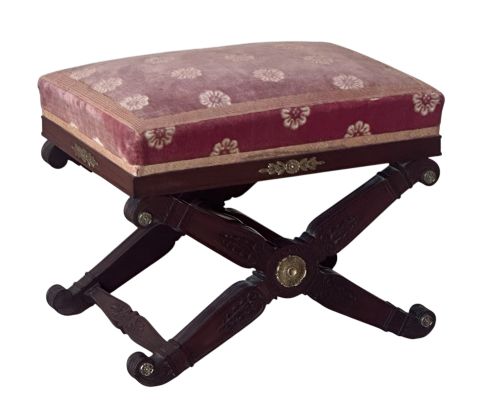
When you examine a dark wood carved stool, you encounter a range of functional seating forms including footstools, music stools, dressing stools, and box stools. The evidence shows these pieces appearing across the seventeenth, eighteenth, and nineteenth centuries, alongside later twentieth-century examples.
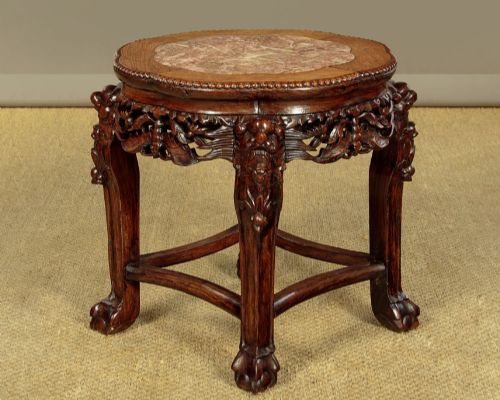
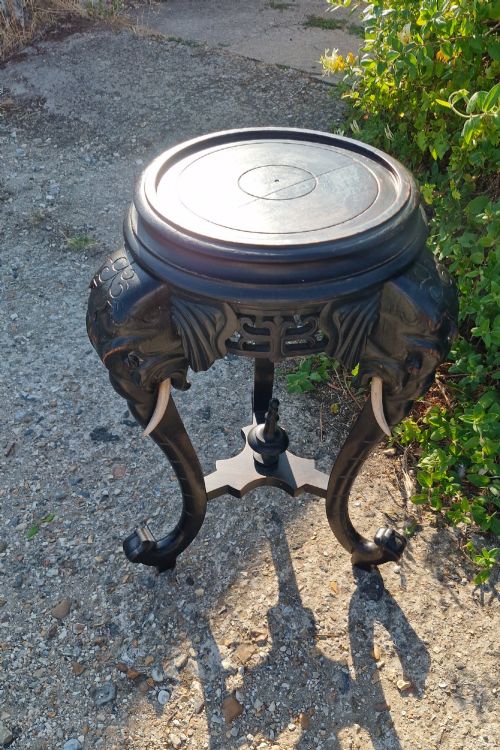
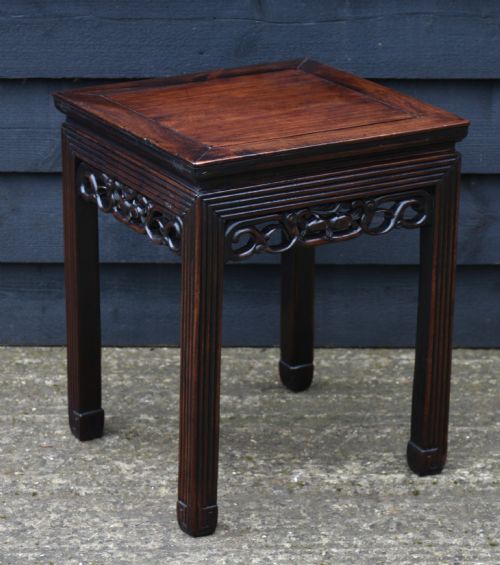
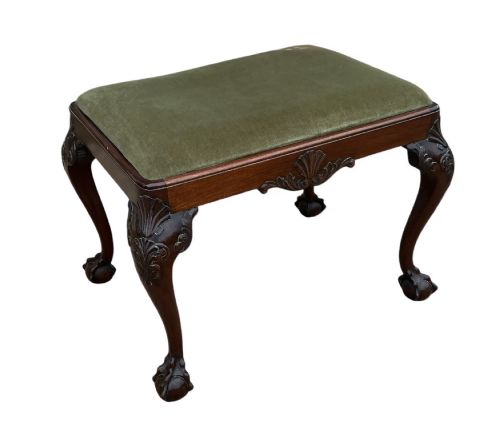
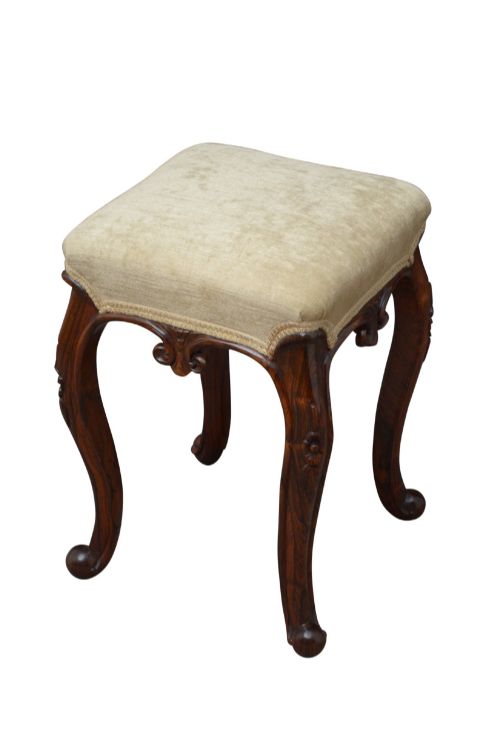
The materials and styles span straightforward vernacular oak joint stools to elaborate mahogany and rosewood pieces influenced by Chippendale, George II, and Victorian aesthetics. Asian hardwood, Chinese rosewood, and Anglo-Indian variations also appear frequently among the listings.
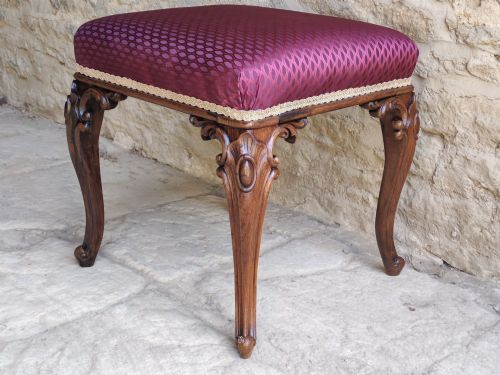
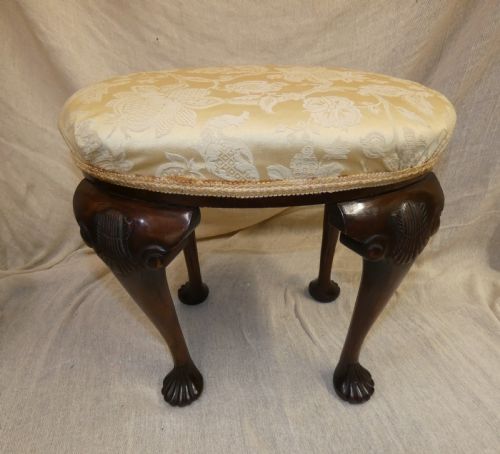
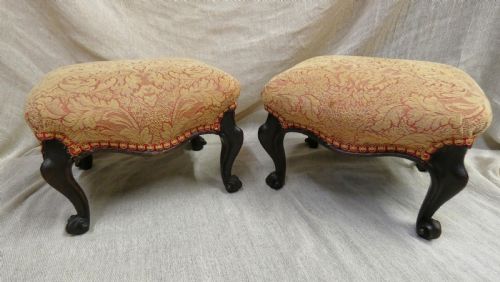
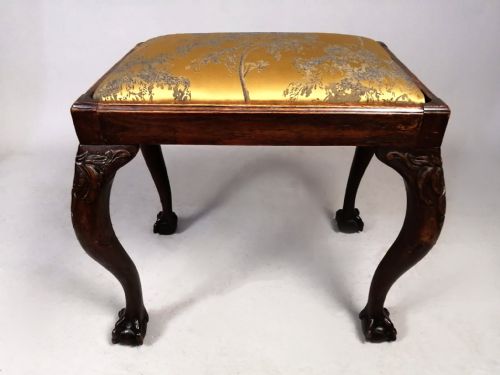
Buyers most commonly meet Victorian and nineteenth-century interpretations on this page, often featuring cabriole legs, upholstered seats, or intricate chip carving. These versatile items served diverse domestic roles, from dressing table seats to fireside footstools.
Materials and construction methods
Cabinet makers utilised heavy timbers such as oak, mahogany, rosewood, elm, and diverse Asian hardwoods to construct the foundational frames of these seats. These dense woods provided the structural integrity necessary for durable seating and deep chisel work.
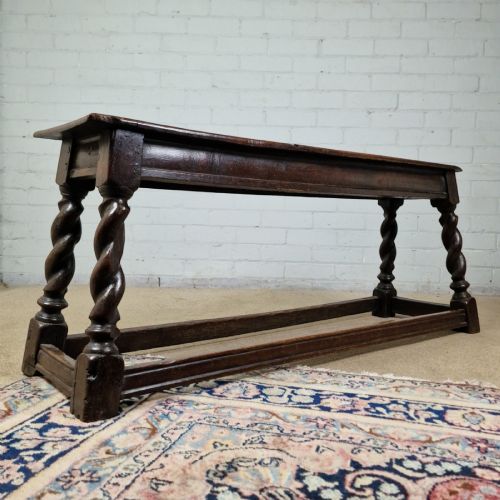
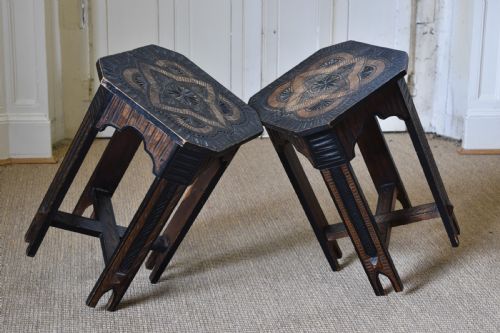
Carving techniques ranged from simple chip carving and geometric patterns to elaborate rococo curves, cabriole legs, and barley-sugar turnings. Additional decorative elements include brass details, pearl inlay, and upholstered panels in velvet, fabric, or tapestry.
The listings demonstrate a wide chronological span, running from seventeenth-century oak box stools through Victorian rosewood examples up to twentieth-century Arts and Crafts designs.
Distinctions in craftsmanship and materials
The standard of timber selection and the depth of the hand carving dictate the standing of an individual piece. Superior examples display crisp, purposeful chisel work that maintains sharp relief across dense, richly grained hardwoods like rosewood or old mahogany.
Joinery execution also separates finer items from simpler vernacular pieces, with tight traditional joints ensuring long-term stability without reliance on modern adhesives. The integration of secondary materials, such as neat upholstery webbing or precise pearl inlay, marks the work of more accomplished workshops.
Jennens And Bettridge
The Dark Wood Carved Stool Glossary
- Joint stool
- An early form of wooden seating constructed with pegged mortise and tenon joints rather than turned legs driven into a solid seat.
- Cabriole leg
- A furniture leg that curves outward at the knee and tapers inward toward the foot, frequently terminating in a pad or claw shape.
- Box stool
- A seating form featuring a hinged or removable top that opens to reveal a storage compartment within the base.
- Barley-sugar twist
- A spiral turning resembling a twisted column, popular in seventeenth and eighteenth-century furniture legs and stretchers.
Dark Wood Carved Stool: Frequently Asked Questions
How were these stools used historically?
These pieces served practical daily roles in domestic interiors, functioning as low seats near fireplaces, dressing table accompaniments, or compact music stools for piano players. Box variants provided concealed storage for small household items or needlework supplies.
Larger versions and low benches accommodated seating in specific rooms, while footstools provided ergonomic support alongside armchairs and settees during long evenings.
What woods should I look for?
The listings show a prevalence of dense timber species, predominantly oak in earlier periods and mahogany, rosewood, or elm by the eighteenth and nineteenth centuries. Asian hardwoods also feature prominently in imported items.
Selecting a timber depends on the desired interior aesthetic, with dark oak offering a rustic appearance while polished rosewood or mahogany provides a more refined, formal finish.
How do I care for antique wood?
Maintenance requires keeping timber away from direct heat sources and rapid temperature fluctuations to prevent wood shrinkage and splitting. Regular dusting with a soft, dry cloth preserves the polished surface without the buildup of heavy chemical polishes.
Occasional application of appropriate wax feeds the grain and protects older finishes from drying out over time, maintaining the natural lustre of the hardwood.
Can I reupholster a padded top?
Many examples retain padded or upholstered surfaces finished in velvet, tapestry, or plain fabric that can be updated to suit modern interiors. Reupholstering allows buyers to refresh worn textiles while preserving the underlying wooden frame and historic structure.
Working with traditional materials during reupholstery ensures the piece maintains its historical integrity and proportions.