

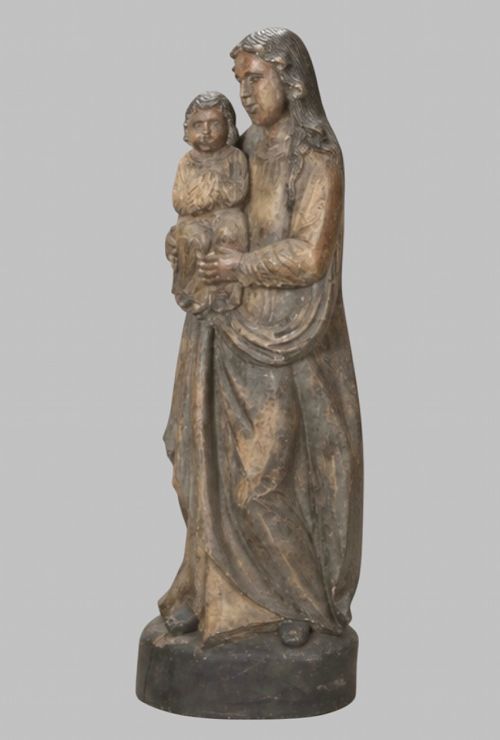

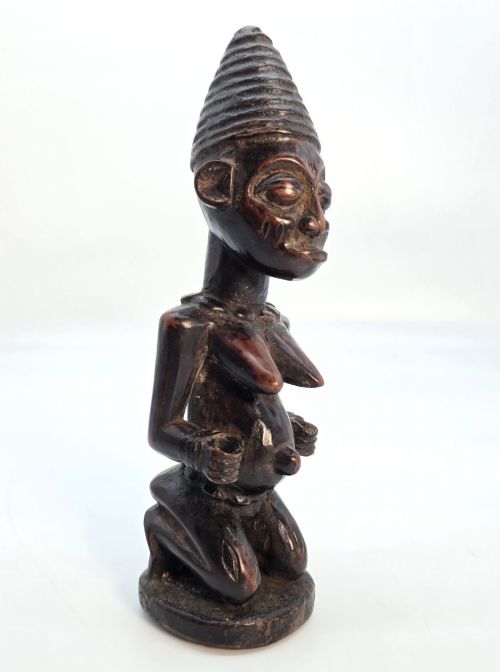
Dark Wood Carved Statue
These dark wood carved statue examples span centuries of diverse global workshops, offering rich textures and deep historical presence for any room.
Dark Wood Carved Statue
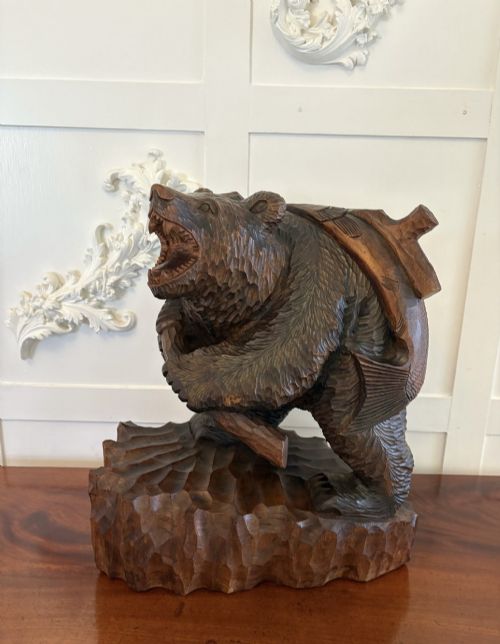
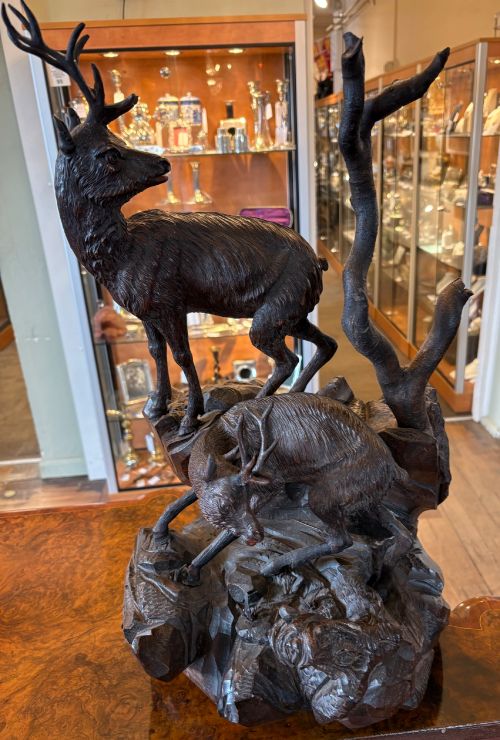
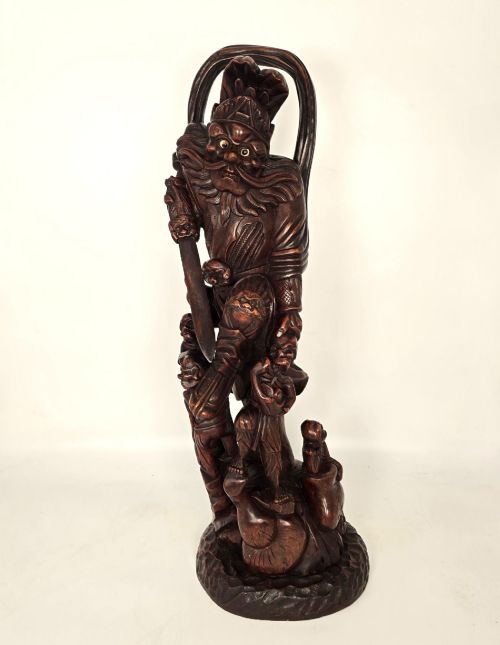
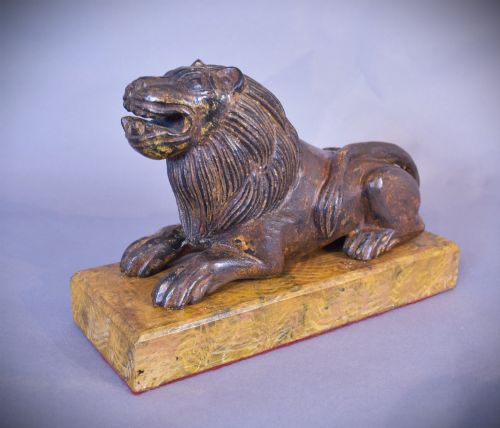
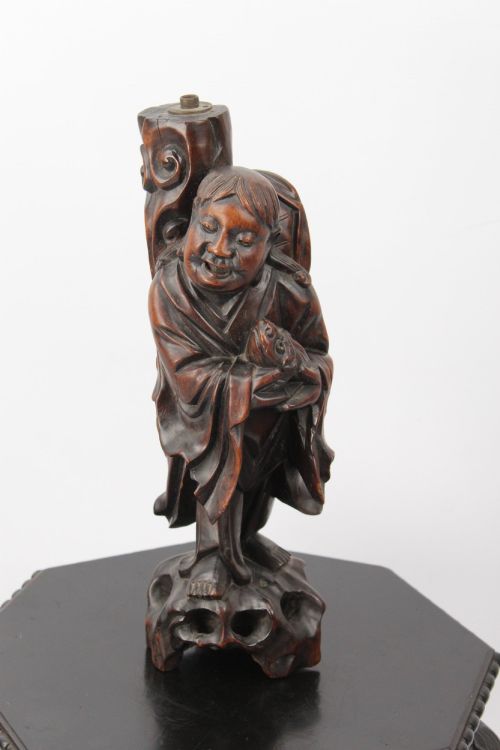
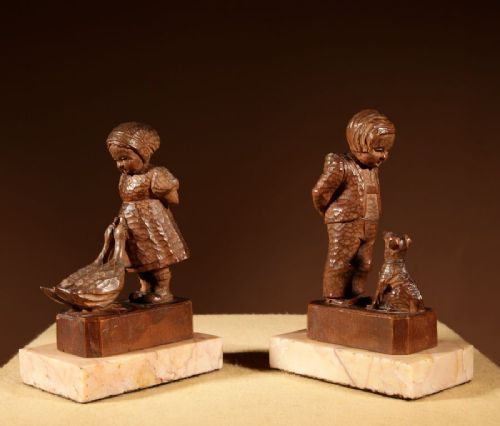
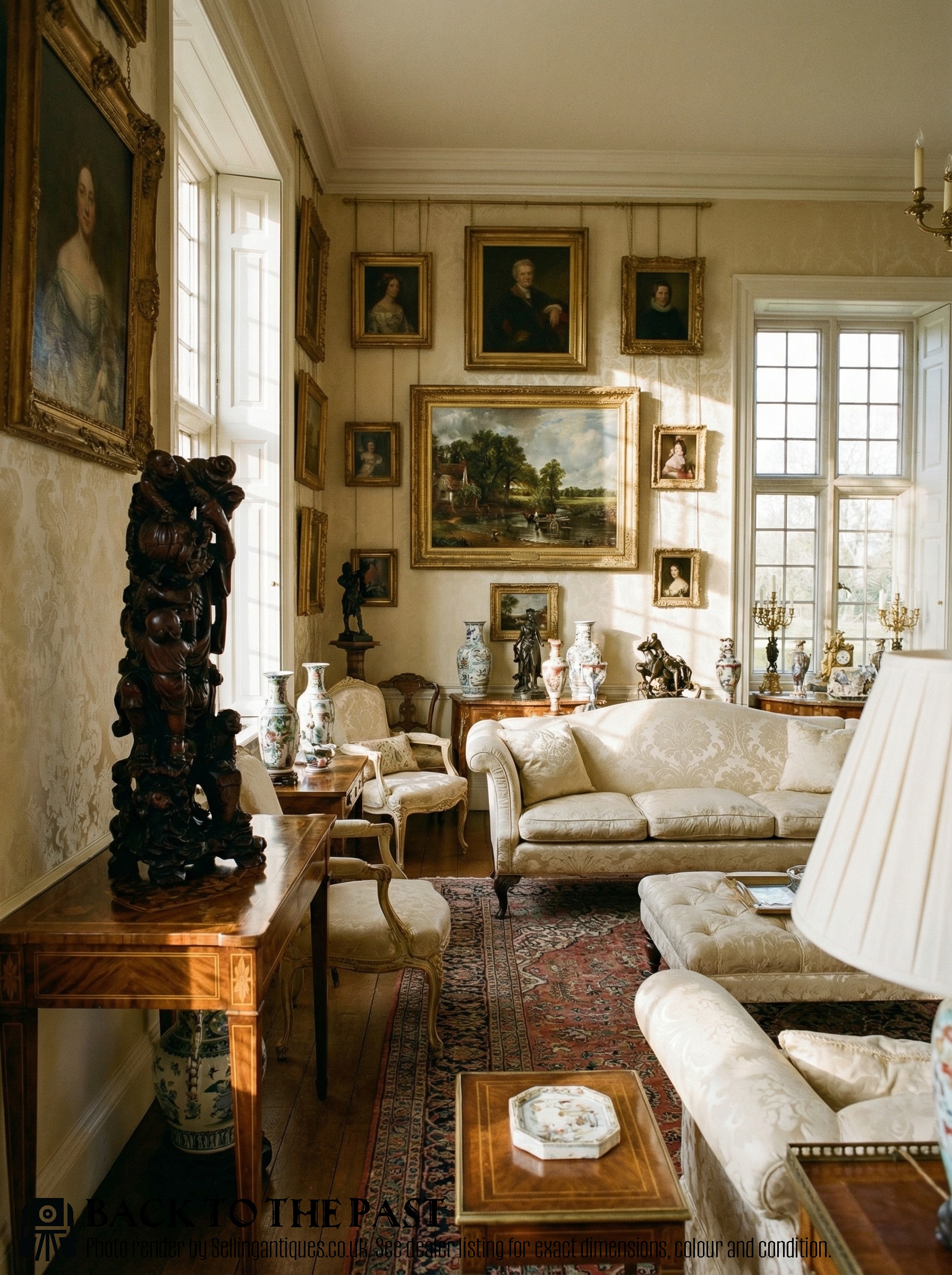
A dark wood carved statue brings tangible history into a space, ranging from devotional figures to animal studies and regional folk art. When exploring this selection, buyers frequently encounter European Black Forest carvings, traditional Chinese hardwood figures, and African tribal sculptures shaped from dense timber.
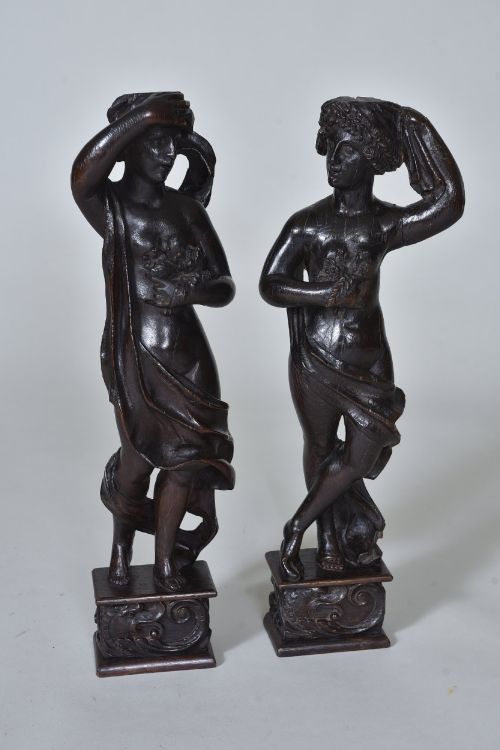
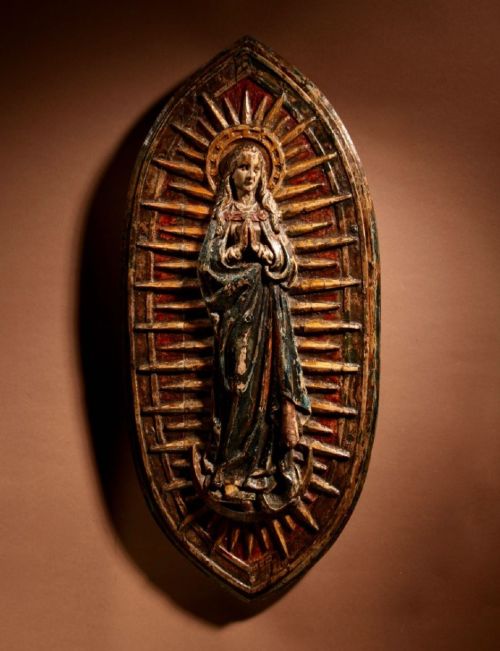
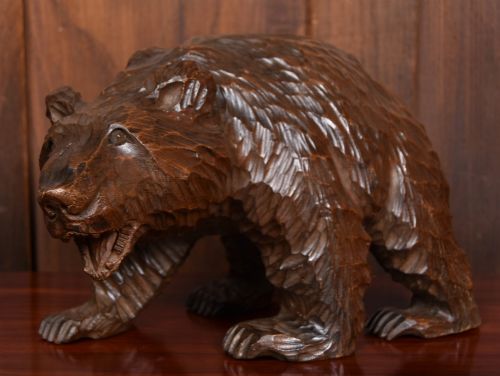
The forms vary widely across centuries and regions, encompassing medieval oak devotional panels, intricate Japanese bear sculptures, and monumental guardian figures. Each piece captures the distinct sculptural traditions of its origin, whether originating from Swiss alpine workshops or imperial Chinese dynasties.
Materials and carving techniques
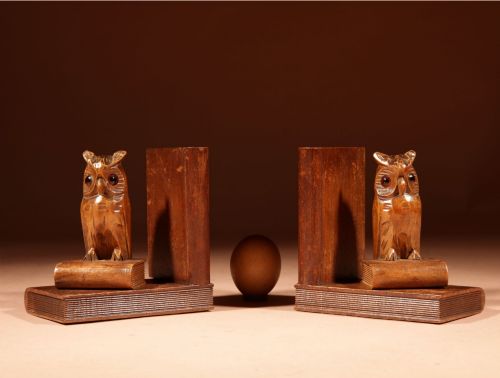
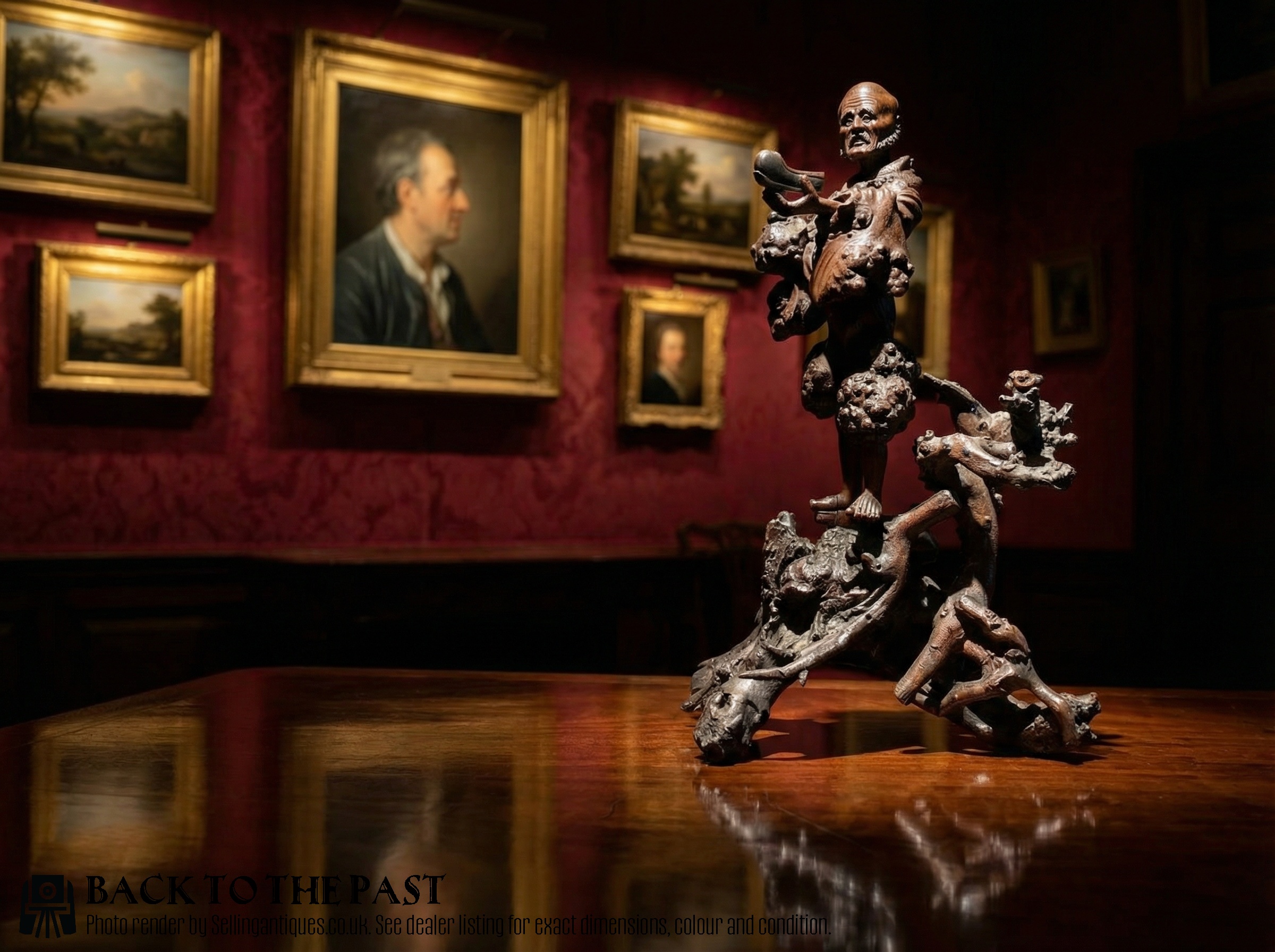
Carvers shaped these works using dense timbers such as oak, walnut, linden wood, and heavy oriental hardwoods, often applying dark stains to enrich the natural grain. Artisans relied on traditional hand chisels and gouges to build deep relief and expressive contours directly into the block.
Surface finishes range from waxed patinas that highlight the timber grain to dark surface pigments and painted details. The handling of the wood grain dictates how light plays across the sculpted folds of fabric, animal fur, or musculature.
Distinctions in sculptural quality
Superior examples demonstrate confident anatomical proportion, crisp tool control, and sensitive facial expressions that reveal the artisan's direct observation of life or adherence to strict iconography. Lesser pieces rely on repetitive, shallow cuts and static forms that lack individual character.
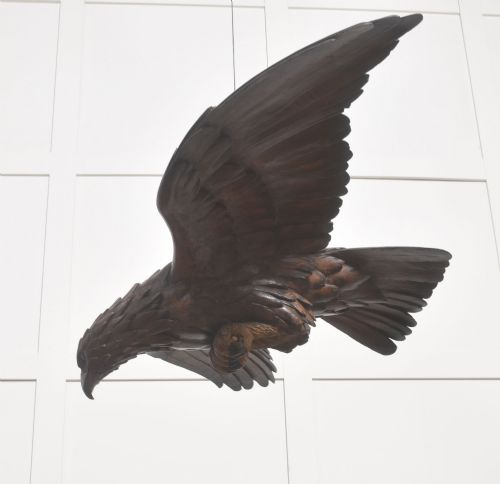
The integrity of the timber and the depth of the undercutting define the visual strength of the work. Skilled carvers liberated complex figures fully from the background block, achieving dynamic spatial movement without compromising the structural core of the wood.
Tomochika·Valentino Besarel
The Dark Wood Carved Statue Glossary
- Black Forest
- A nineteenth-century Swiss and German style known for naturalistic animal carvings, particularly bears and deer, rendered in deeply stained walnut or linden wood.
- Hardwood
- Timber derived from broad-leaved trees, providing the dense, durable substance required for intricate and enduring sculptural forms.
- Limewood
- A pale, close-grained wood favoured by European carvers for its uniform texture, which permits exceptionally fine detail without splintering.
- Okimono
- A Japanese decorative freestanding sculpture designed for display, typically carved with great intricacy during the Meiji period.
- Byeri
- An ancestral reliquary guardian figure from Gabon, traditionally placed above cylindrical bark boxes containing ancestral bones.
Dark Wood Carved Statue: Frequently Asked Questions
How do I date a dark wood carved statue?
Dating relies on tool marks, the choice of timber species, and stylistic conventions tied to specific periods like the sixteenth century or the Meiji era. Examining the natural wear and drying cracks beneath the base also helps establish age.
Changes in patination and surface oxidation provide further clues to authenticity. Comparing the sculptural style against documented regional workshops narrows down the probable decade of creation.
Where should I display a dark wood carved statue?
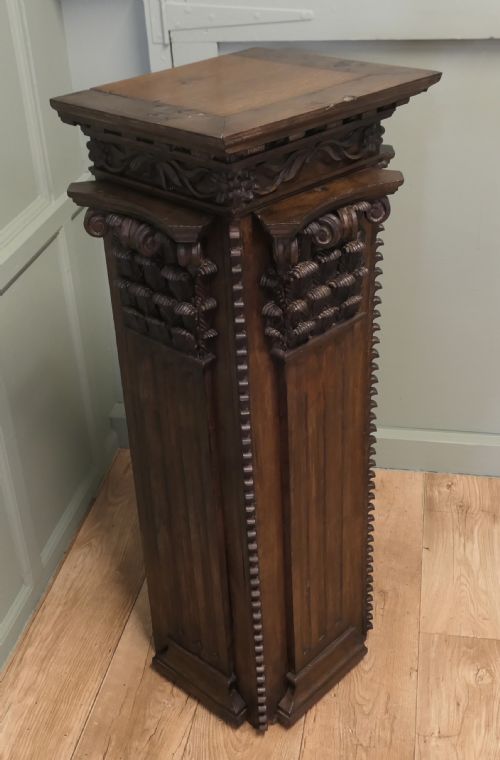
These pieces require stable indoor environments away from direct sunlight and sudden temperature shifts that can cause the timber to split. Placing them on sturdy sideboards, dedicated pedestals, or mantels allows proper appreciation from multiple angles.
Ensure adequate clearance so the sculpture is not crowded by surrounding objects. Low-intensity directional lighting enhances the carved depth and shadow play across the dark grain.
How do I clean a carved wooden sculpture?
Maintenance involves gentle dusting with a soft, dry brush to prevent debris from settling into deep crevices. Avoid using liquid cleaners, polishes, or wet cloths, as moisture damages traditional wax patinas and historic wood finishes.
Occasional light buffing with a clean, dry microfiber cloth helps maintain the natural sheen of the timber. Professional conservation is advised if the surface requires deeper intervention.
What is the difference between European and Asian carvings?
European works in this category frequently draw on Gothic, Renaissance, or alpine folk traditions, focusing on religious narratives or naturalistic animal studies. Asian sculptures often utilise heavy exotic hardwoods to portray guardian kings, deities, or cultural figures with symbolic attributes.
The carving techniques also reflect regional tool traditions and timber availability. Chinese and Japanese pieces often demonstrate extreme precision in hard tropical woods or boxwood, whereas European carvers utilised native oaks, walnuts, and soft fruitwoods.