


Dark Wood Buffet Display
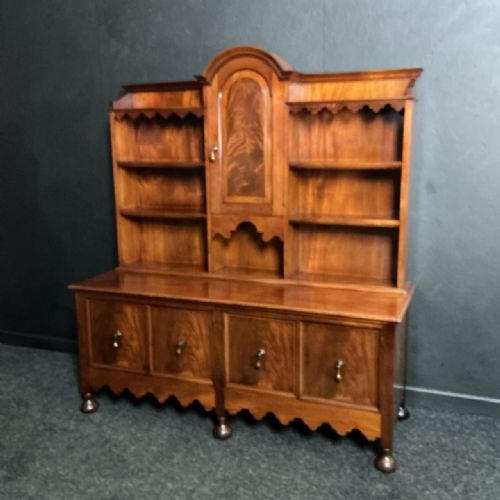
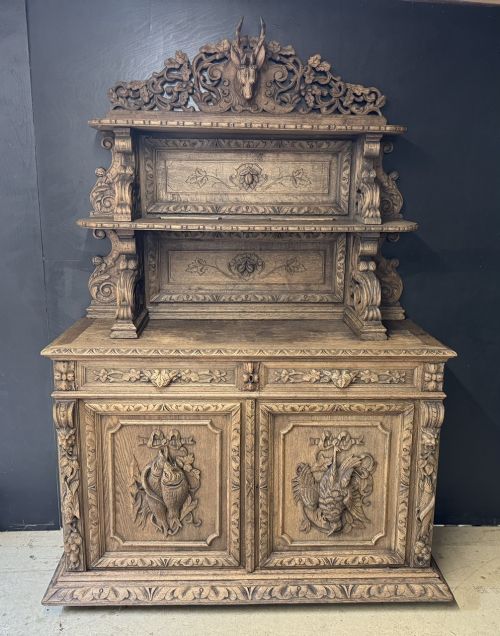
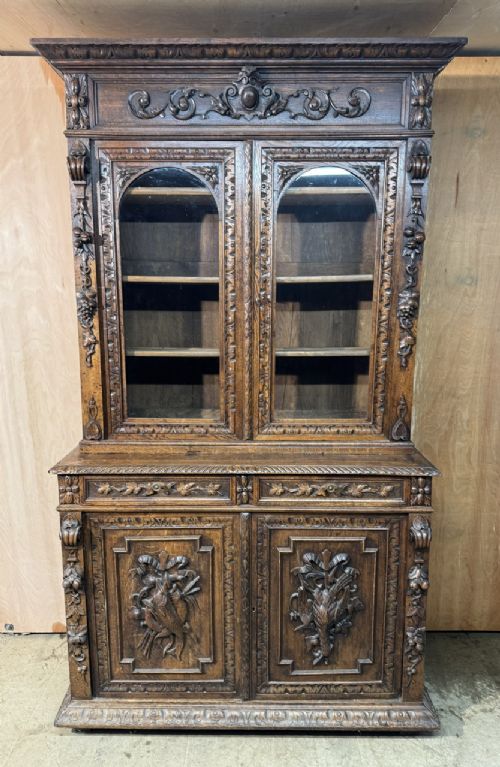
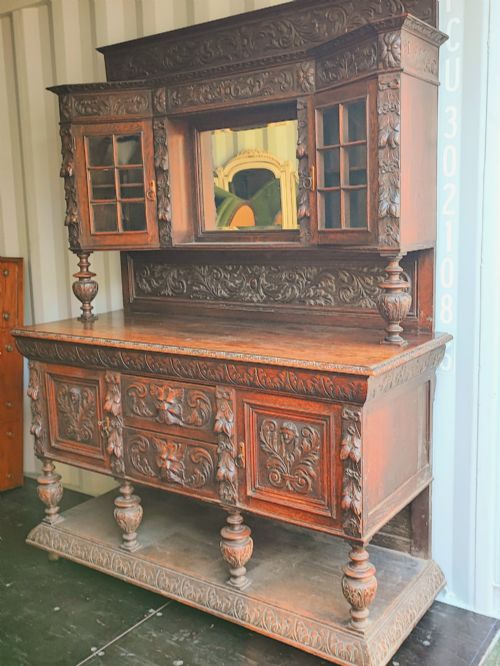
These dark wood buffet display pieces combine deep timbers and glazed or open tiers for storing and showing silver.
Dark Wood Buffet Display
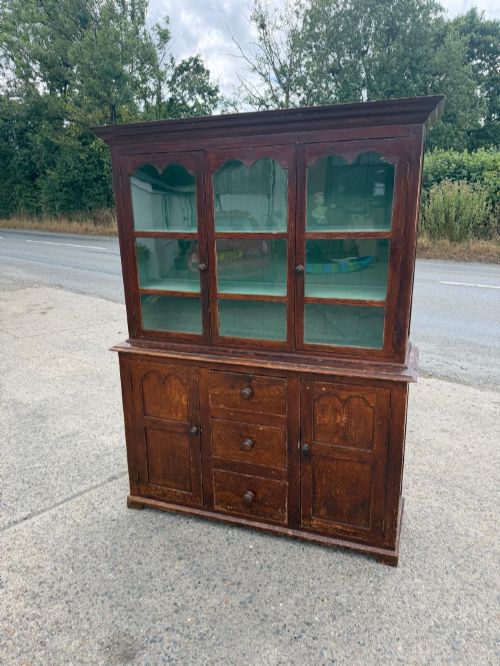
When you search for dark wood buffet display, you encounter a varied group of heavy timber furniture including sideboards, dressers, cabinets, and tiered stands designed for serving and exhibiting tableware. The selection spans from Georgian and Regency forms through Victorian revivals to Edwardian iterations, reflecting shifting domestic habits in dining and display.
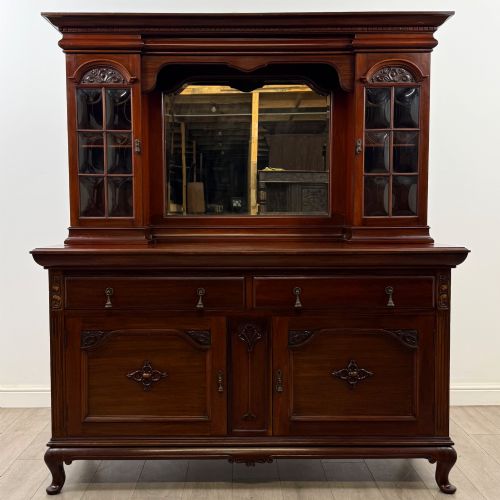
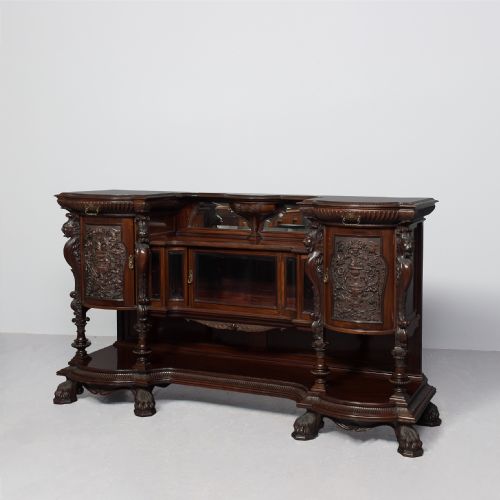
Oak and mahogany dominate the offerings, often appearing alongside rosewood, walnut, and palisander. Pieces range from carved oak court cupboards and hunting cabinets to refined mahogany chiffoniers and rosewood side cabinets fitted with mirrors and glass.
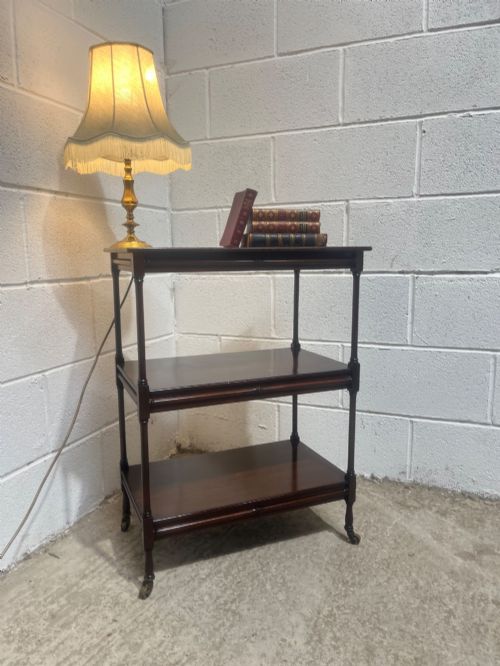
The practical function unites these forms, whether acting as a dumb waiter for holding dishes or a mirrored cabinet for reflecting light and porcelain. The dark wood ground provides a solid visual anchor that balances the reflective qualities of brass hardware and glass panes.
Materials and construction methods
Cabinet makers utilised dense hardwoods such as oak, mahogany, and rosewood, selected for their grain pattern and structural stability under heavy loads of ceramic and silver. Flame mahogany veneers and geometric solid carvings add texture to flat surfaces, while secondary timbers provide internal support for drawers and shelves.
Joinery methods rely on traditional mortise and tenon frames, dovetailed drawer construction, and panelled doors that accommodate seasonal wood movement. Brass handles, hinges, and gallery rails furnish structural points, alongside mirrored backs and glazed upper sections designed to illuminate the interior.
Some Victorian dumb waiters managed to hold three tiers of food without losing their balance or tipping over.
Judging build quality and finish
The standard of a piece rests upon the crispness of its hand-carving, the alignment of timber grain across drawer fronts, and the weight of the hardware used. Superior examples display thoughtful proportions, seamless timber matching, and robust internal framing that withstands centuries of daily use without sagging.
Makers known for exceptional joinery, such as Gillows or Howard and Sons, distinguish themselves through refined secondary woods, meticulous dovetailing, and integrated design elements like tiered shelving or bespoke brass fittings. Lesser examples rely on repetitive factory milling with simpler applied ornamentation and thinner timber veneers.
Sigmund Jaray Wien·Howard and Sons·Gillows·James Plunckett Art Furniture Makers
The Dark Wood Buffet Display Glossary
- Chiffonier
- A low sideboard or cabinet, typically featuring enclosed cupboards below and shelves or a mirror above. It developed during the Regency and Victorian eras for dining room storage.
- Dumb waiter
- A multi-tiered freestanding stand or trolley used for holding dishes and serving items without domestic staff present. They appear in mahogany and walnut across the eighteenth and nineteenth centuries.
- Palisander
- A dense tropical timber related to rosewood, prized for its dark grain and used in high-status nineteenth-century cabinet making. It takes a high polish and provides a rich, deep surface.
- Whatnot
- An open shelving unit designed for displaying decorative objects and books, frequently incorporated into nineteenth-century cabinet designs. It relies on slender uprights to support multiple graduated tiers.
Dark Wood Buffet Display: Frequently Asked Questions
What is a dark wood buffet display?
It is a heavy timber storage and display furniture piece, such as a sideboard, chiffonier, or tiered cabinet.
These items combine enclosed cupboards with open shelves or glass doors to hold and exhibit dining room wares.
How do I date an oak sideboard?
Examine the carving style, construction marks, and timber selection to distinguish original periods from later revivals.
Jacobean and Gothic revival pieces from the Victorian era often mimic earlier centuries through geometric mouldings and dark patination.
Where were these cabinets used?
They belonged primarily in dining rooms and parlours for serving meals and storing silver or porcelain.
Tiered versions allowed hosts to keep extra dishes close at hand during formal dinner parties.
What is the difference between a chiffonier and a sideboard?
A chiffonier is typically smaller and includes a raised shelf or mirror back above a low cupboard.
Sideboards offer broader serving surfaces and extensive under-counter storage configured for larger dining settings.
How do I care for antique mahogany?
Keep timber furniture away from direct heat sources and sudden humidity changes to prevent wood splitting.
Apply natural beeswax occasionally to nourish the grain and maintain the deep sheen of the surface.