




Dark Wood Bedding Chest
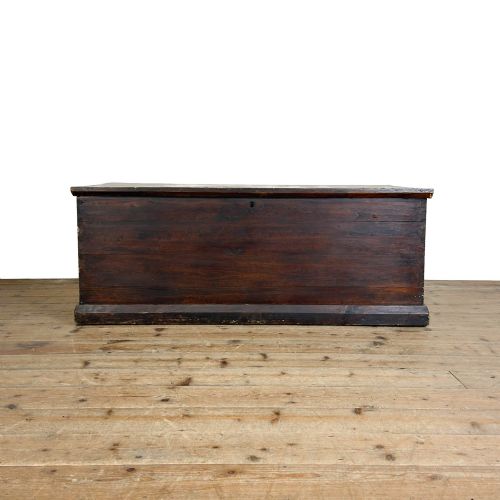
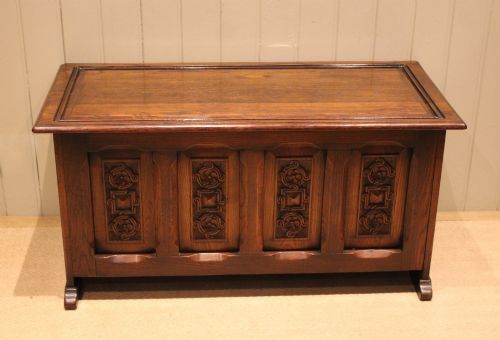
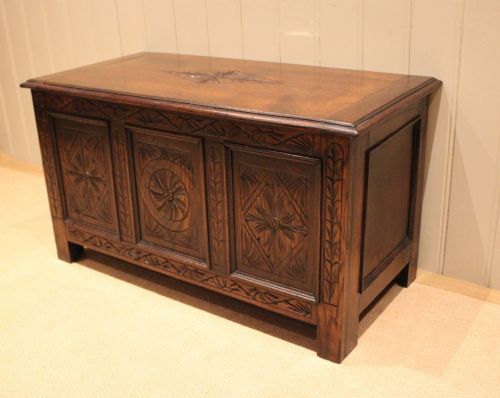
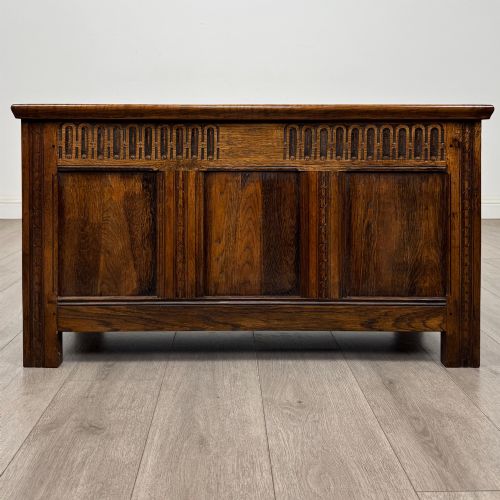
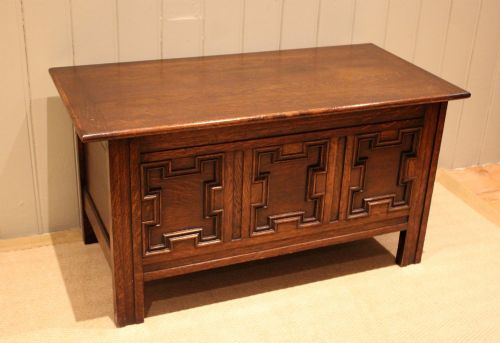
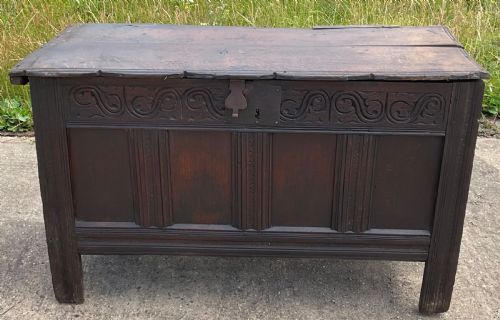
These dark wood bedding chest pieces are solid oak and mahogany storage boxes that keep linens secure while anchoring a room with deep timber tones.
Dark Wood Bedding Chest
When you search for a dark wood bedding chest, you encounter sturdy coffers, blanket chests, and mule chests spanning the seventeenth century through to the Edwardian period and the 1930s. The most common form met on this page is the heavy oak coffer, often decorated with carved panels in Georgian, Jacobean Revival, or Breton folk art styles.
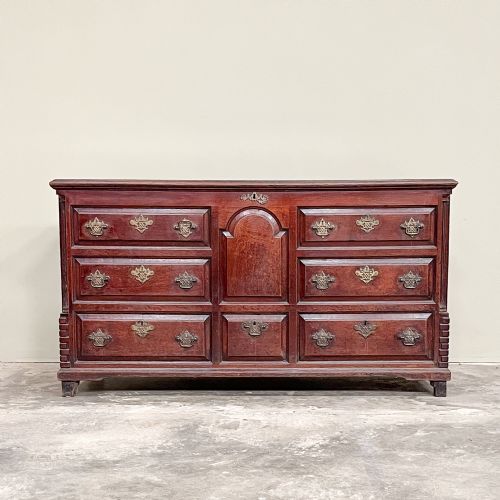
Beyond traditional blanket chests, the selection broadens into related forms including nineteenth-century cabinets adapted from closed bed fronts, step commodes, and bedside tables in mahogany and oak. These pieces originate from English country houses and continental workshops, maintaining a utilitarian purpose for household storage.
The aesthetic is defined by dark timbers such as ebonised wood, chestnut, and aged mahogany alongside oak. Structural hardware typically involves iron or brass hinges and locks, which secured valuable domestic textiles in eras before fitted wardrobes.
How they were made
Construction relies on solid hardwoods, predominantly oak and mahogany, joined using traditional methods suited to heavy daily use. Panels are frequently hand-carved with geometric or floral motifs, reflecting the stylistic preferences of the seventeenth, eighteenth, and nineteenth centuries.
Metalwork components such as iron and brass provide both structural reinforcement and functional handles or lock plates. Secondary timbers like chestnut appear in framing and internal compartments, while ebonised wood treatments alter the surface tone of the timber.
Object types include coffers, blanket chests, mule chests, bedside tables, cabinets, and step commodes.
What varies in quality
Quality rests in the selection of the timber and the crispness of the hand-carving across the front panels and lid rails. Pieces fashioned from solid oak or figured mahogany with integrated panel construction stand apart from simpler utilitarian boxes.
The integrity of the original hardware, including brass and iron hinges, contributes significantly to the character and standing of a chest. Depth of colour in the aged timber and minimal alteration to the primary structure also distinguish finer examples.
The Dark Wood Bedding Chest Glossary
- Coffer
- A heavy wooden chest traditionally used for storing valuables, linens, and personal documents. These receptacles form the majority of early storage furniture.
- Mule Chest
- A storage chest featuring one or more drawers at the base beneath the main compartment. This form bridges the traditional coffer and the modern chest of drawers.
- Jacobean Style
- An architectural and furniture aesthetic marked by heavy proportions and geometric carved panels. It experienced revivals during the late nineteenth and early twentieth centuries.
- Commode
- A piece of bedroom furniture that evolved from a chest to enclose chamber pots or serve as a bedside table. George III examples often incorporate steps for high beds.
- Ebonised Wood
- Timber treated with a chemical stain or pigment to imitate ebony. This finish provides a dark, uniform surface seen on select period pieces.
Dark Wood Bedding Chest: Frequently Asked Questions
What is a dark wood bedding chest used for?
These chests function primarily as storage vessels for heavy blankets, bed linen, and seasonal garments. Their sturdy lids also allow them to double as bench seating or display surfaces at the foot of a bed.
In contemporary interiors, they serve as living room coffee tables or hallway storage units that conceal clutter while introducing historical character to the space.
How do I date an antique oak coffer?
Dating relies on observing construction joints, nail types, and the style of hand-carved decoration on the front panels. Seventeenth and eighteenth-century examples display pegged mortise and tenon joints, whereas twentieth-century revival pieces show modern machining marks.
The depth of the patina and the wear patterns around the keyholes and lid edges provide further physical evidence of age.
Are these chests made of solid wood?
The pieces recorded here utilise solid hardwoods such as oak, mahogany, and chestnut throughout their main carcasses and lids. Cabinetmakers selected these dense timbers to withstand the structural stress of heavy hinged lids and frequent movement.
Secondary woods occasionally appear in internal framing or drawer bases, but the primary exterior surfaces remain solid timber.
How do I care for a dark wood chest?
Maintain the timber by keeping the chest away from direct heat sources and strong sunlight, which can dry and crack old wood. Regular dusting with a dry cloth preserves the wax finish without building up residue.
Applying a traditional beeswax polish occasionally helps nourish the grain and protects the patina developed over centuries of handling.