




Dark Wood Bear Carving
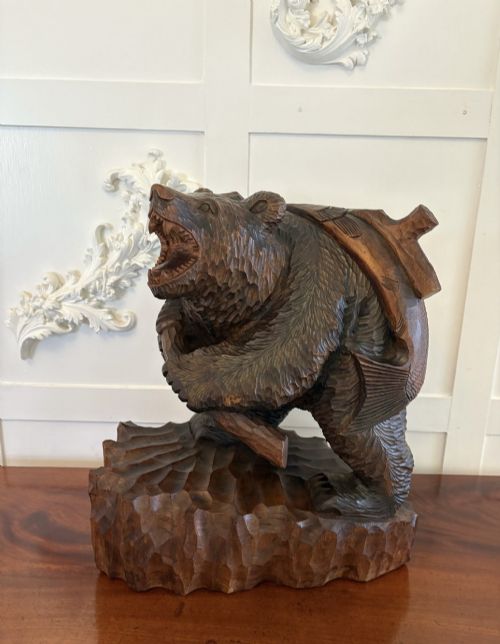
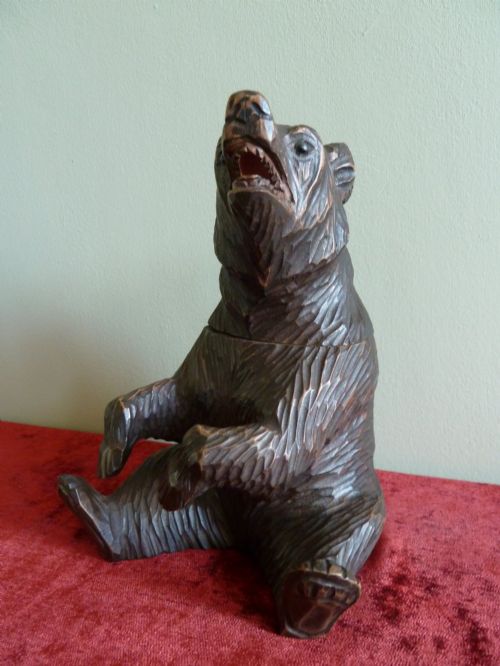
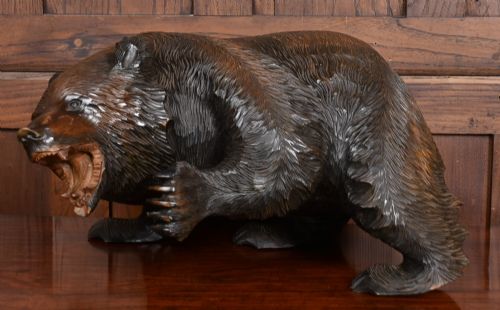
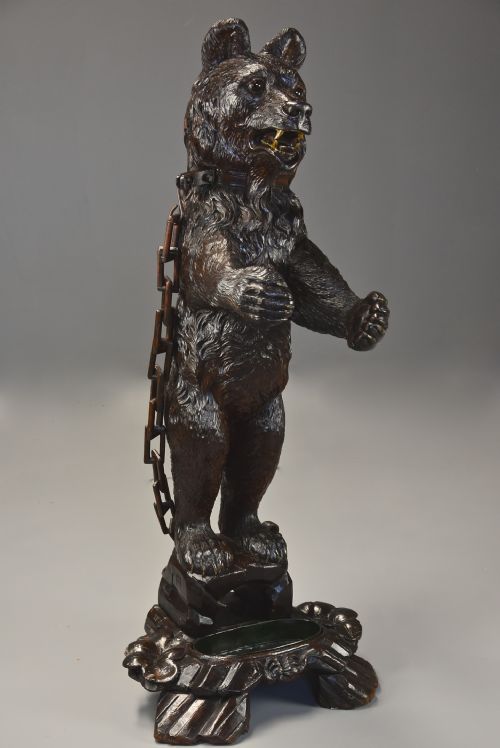
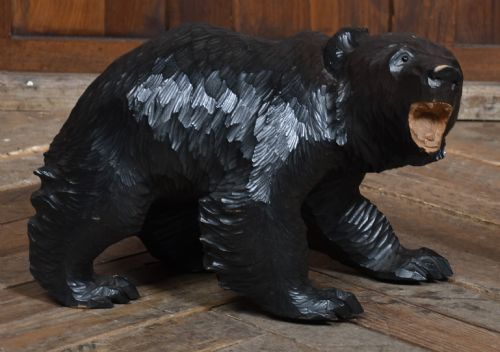
These dark wood bear carvings are characterful sculptural works that bring rustic warmth and historical charm to any interior.
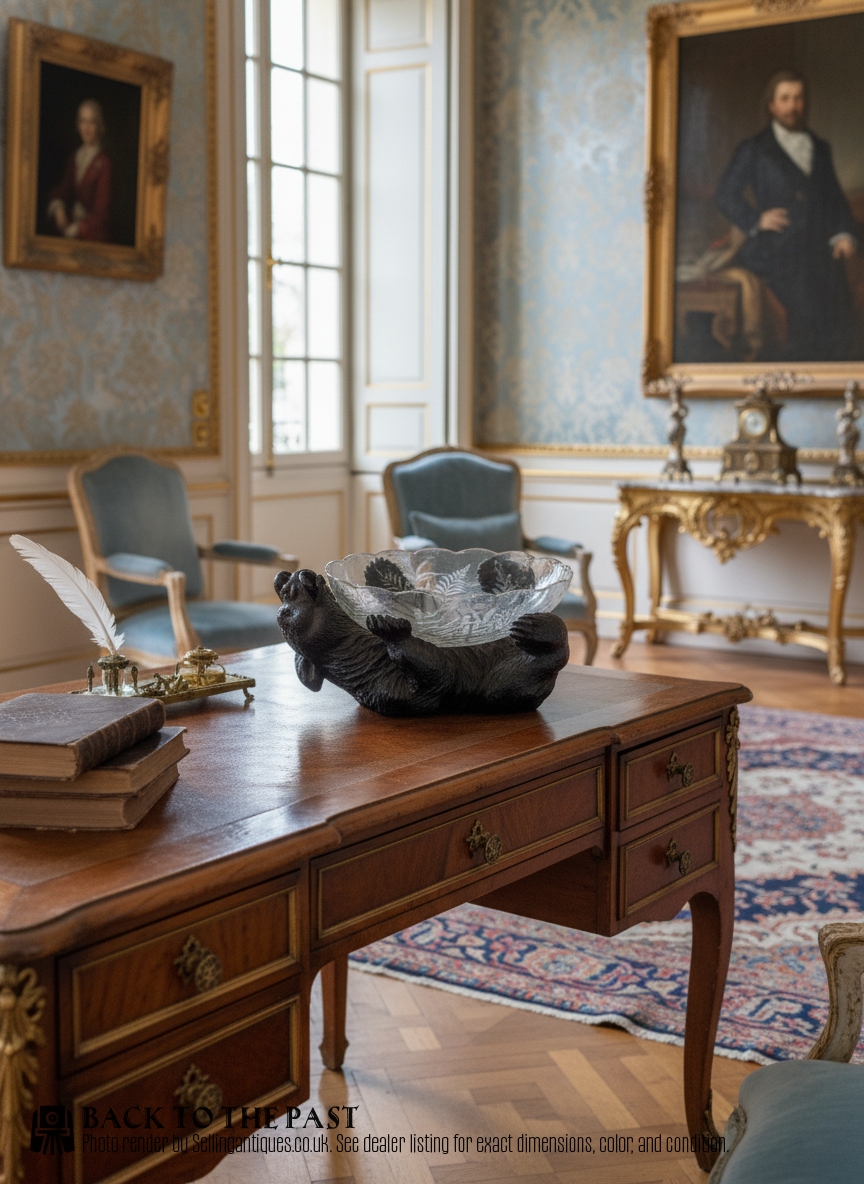
Dark Wood Bear Carving
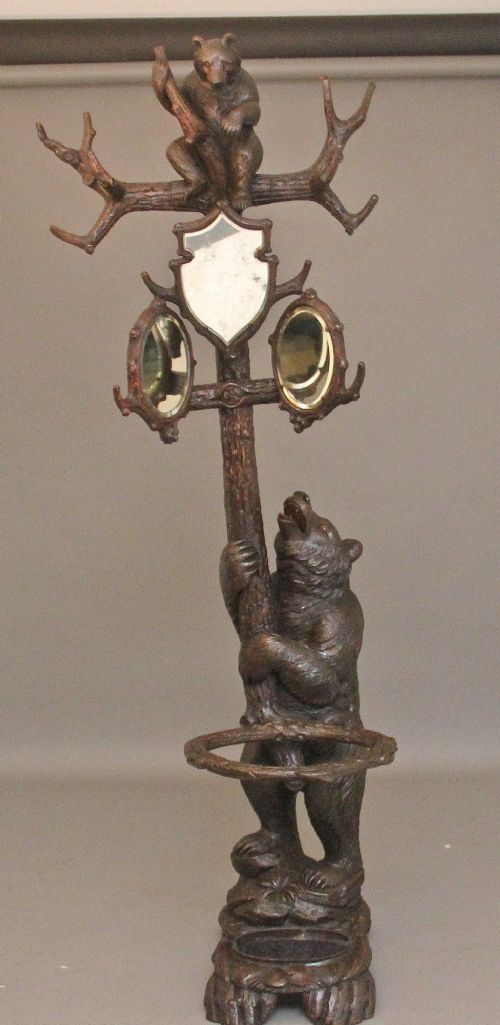
A dark wood bear carving brings sturdy animalistic form and sculptural presence into a room, typically taking the shape of decorative sculptures, wood carvings, and occasional lighting pieces. When you search for a dark wood bear carving, you encounter expressive figures rendered in distinct regional traditions and European workshops.
The selections available here span the nineteenth century through the Edwardian era and into the early twentieth century. These pieces include large individual figures and sets of smaller carvings originating from distinct stylistic movements.
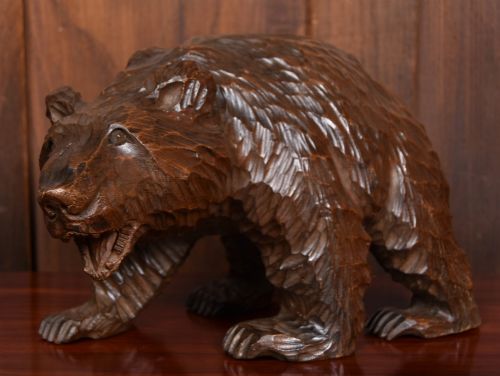
European Black Forest pieces share space with Japanese folk art traditions such as Kibori Kuma. Collectors find both domestic decorative items and functional objects like table lamps among these listings.
Assessing Quality
Superior quality in these carvings shows in the confidence of the tool marks and the anatomical accuracy of the bear's pose. A master carver captured lifelike movement and expression rather than a stiff or generic silhouette.
The tactile patina developed through handling and age separates exceptional examples from ordinary ones. Rich surface finishes and well-preserved carved details elevate the visual weight of the sculpture.
Dark Wood Bear Carving Retail Price Guide 2026
Typical asking prices for dark wood bear carving among the pieces listed under this phrase on Sellingantiques today, from the lower quarter to the upper quarter. They describe what is for sale here now, not the wider market.
The Dark Wood Bear Carving Glossary
- Black Forest
- A nineteenth-century European style of intricate wood carving, originating in the mountainous region of Switzerland and Germany, renowned for wildlife and animal sculptures.
- Kibori Kuma
- A Japanese tradition of hand-carved wooden bears originating from Hokkaido, often characterised by bold facet cuts and expressive stances.
- Linden wood
- A pale, fine-grained timber favored by traditional woodcarvers for its even texture and suitability for detailed chisel work.
- Patina
- The deep, lustrous surface sheen developed on wooden objects over decades of handling, exposure, and natural ageing.
- Faceted cuts
- Distinct, angular chisel marks left visible on the wood surface to create texture and form rather than a smooth finish.
Dark Wood Bear Carving: Frequently Asked Questions
Where were these bears made?
The pieces originate from European workshops associated with the Black Forest style as well as Japanese folk art traditions. Different regions developed distinct carving methods and choice of timbers.
European pieces often emerged from Alpine regions, whilst Japanese examples represent the Kibori Kuma tradition of Hokkaido.
How do I care for a wooden bear?
Keep wooden carvings away from direct sunlight and sudden temperature changes to prevent the timber from drying out or splitting. Dust gently with a dry, soft cloth.
Avoid using harsh chemical polishes that can damage the historical surface patina and accumulated wax finish.
What wood types are common?
Carvers relied heavily on linden wood and walnut for their dependable grain and malleability. These timbers allowed artisans to execute fine fur details and deep facial expressions.
Dark stains were frequently applied to enhance the dramatic presence of the finished animal sculptures.
Are these pieces functional?
Whilst the majority of these items serve purely as decorative sculptures and wood carvings, some examples were adapted for daily use. You can find functional table lamps integrated into early twentieth-century Black Forest designs.
Most pieces, however, were created simply to display the sculptural skill of the carver and celebrate wildlife.