

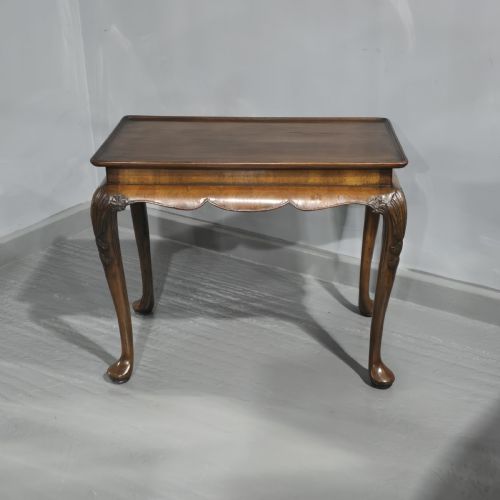


Dark Walnut Tea Table
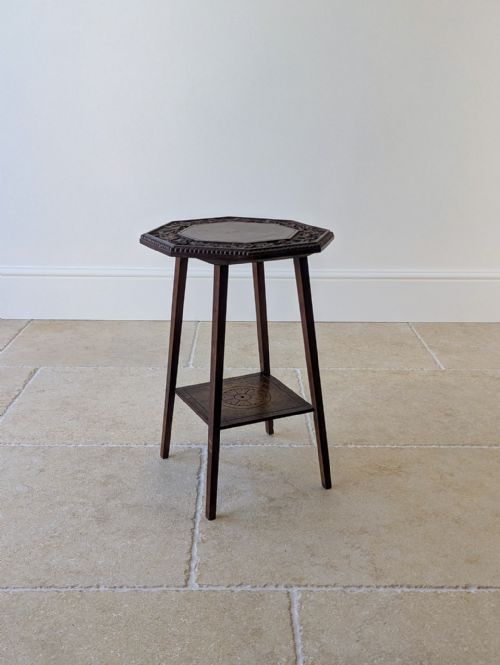
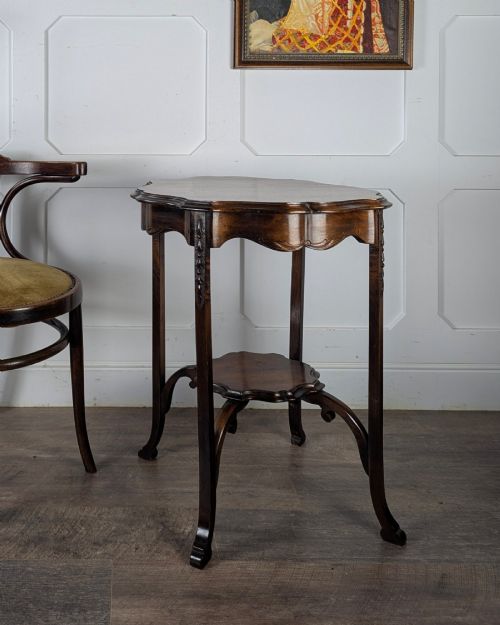
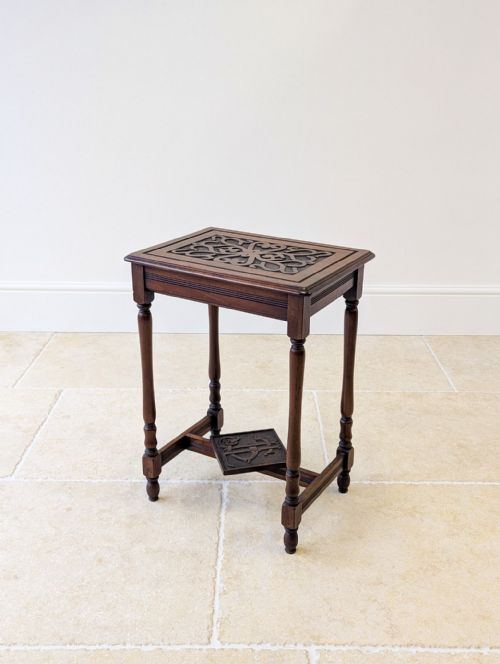
A dark walnut tea table brings rich warmth and useful surface space to a room, spanning Victorian, Edwardian and earlier periods.
Dark Walnut Tea Table
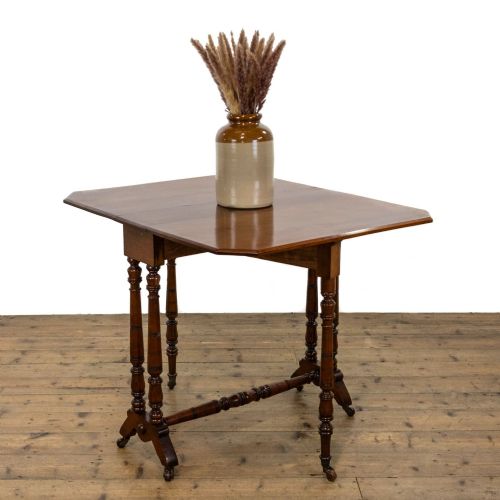
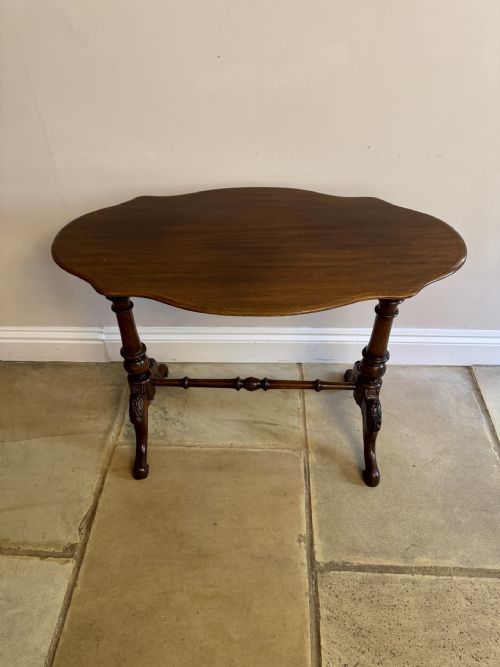
A dark walnut tea table combines practical service with deep timber tones, frequently appearing in Victorian and Edwardian iterations alongside earlier examples. Buyers encounter diverse forms ranging from drop-leaf Sutherland tables to fixed occasional tables and tripod designs.
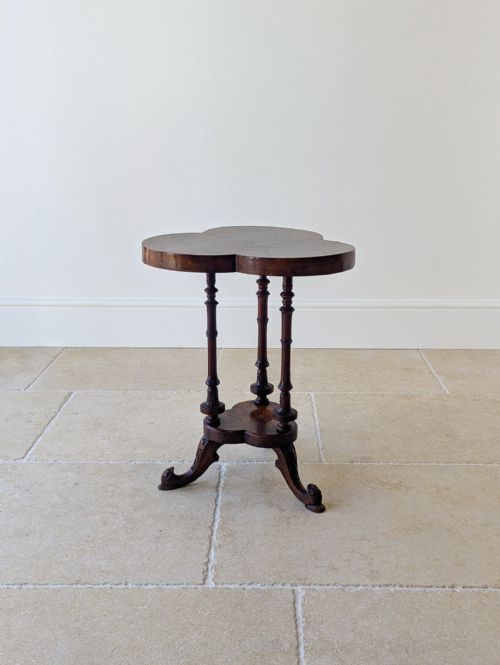
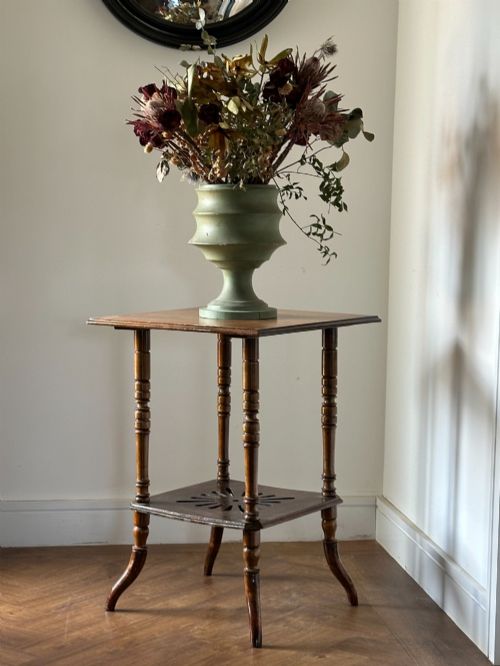
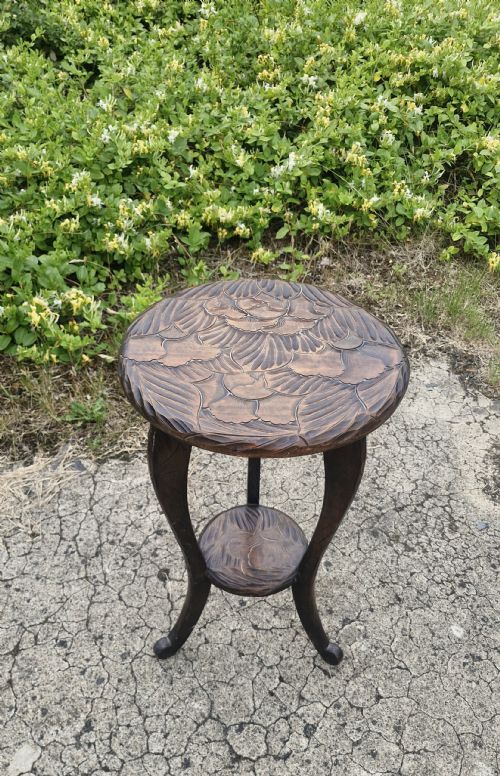
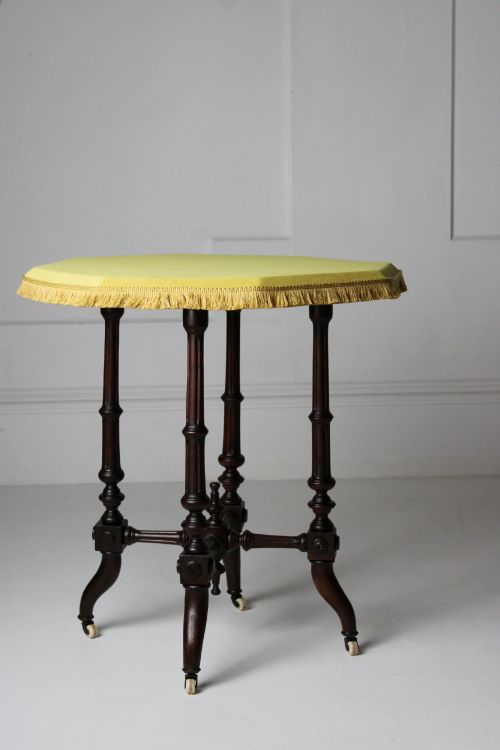
The selection includes specialised variants such as trefoil occasional tables, swivel-top pieces, and tray-topped coffee tables. Makers of these pieces drew on styles spanning Aesthetic Movement, Arts and Crafts, and Queen Anne influences.
Origins stretch from English workshops to continental and colonial production, incorporating occasional pieces like teapoys and display tables. Victorian examples dominate the selection, bringing substantial timber grain and traditional joinery to domestic interiors.
Materials and construction methods
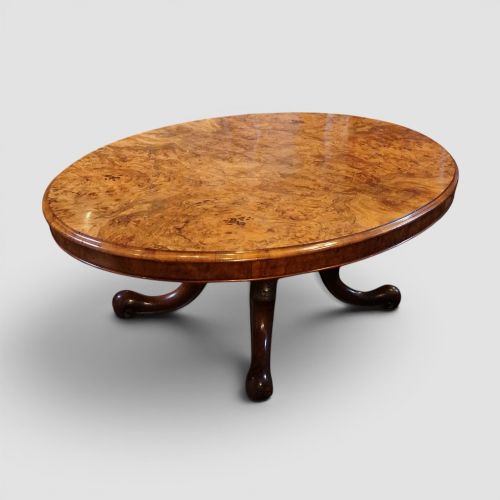
Construction relies heavily on solid walnut and figured walnut veneer, often paired with secondary woods like mahogany and oak. Makers selected burr walnut for its distinct patterned grain on table tops, while brass fittings and ceramic elements appear on specific movement pieces.
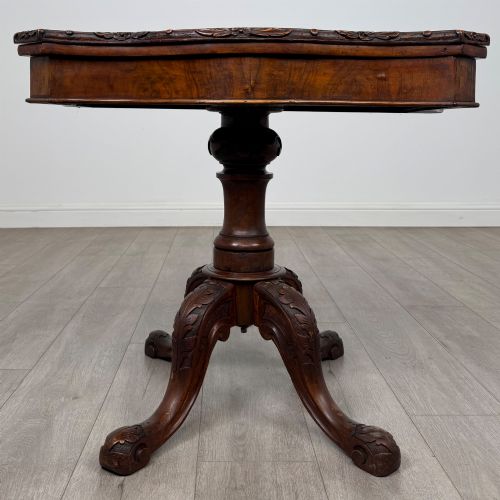
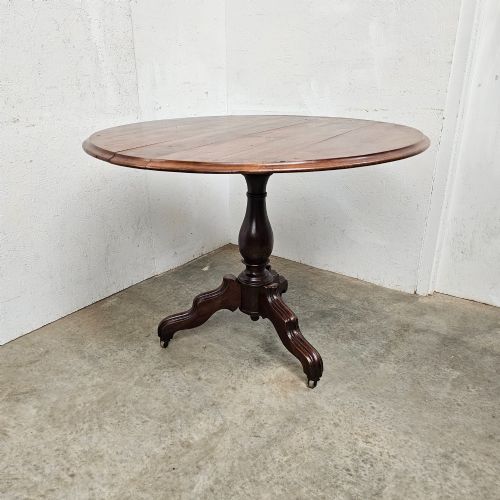
Joinery techniques support tilting tops, drop leaves, and multi-tiered structures, alongside carved details found in Arts and Crafts and Aesthetic Movement designs. Surface finishing enhances the natural dark tones and intricate grain patterns of the walnut timber.
Listings feature walnut, burr walnut veneer, mahogany, oak, brass, ceramic, and marble across Victorian, Edwardian, and earlier periods.
Distinctions in craftsmanship and materials
Quality separates pieces through the selection of timber, particularly the choice of burr or figured walnut veneer over plain stock. Superior examples demonstrate precise inlay work, refined carving, and stable mechanisms for tilt-top or drop-leaf actions.
The integrity of the structural joinery and the depth of the timber's finish distinguish finer workshop production from standard utility items. Original hardware, such as brass castors or hinges, further indicates a higher grade of manufacture.
Liberty's·E.W Godwin
The Dark Walnut Tea Table Glossary
- Burr walnut
- A veneer taken from the wart-like growths on walnut trees, yielding highly figured, swirling patterns used on prominent table surfaces.
- Sutherland table
- A narrow drop-leaf table with exceptionally slender folding leaves supported by swinging gate legs.
- Teapoy
- A small stand or box originally designed to hold containers of tea, often elevated on a central pillar with tripod feet.
- Tripod table
- A small occasional table supported by a central column resting on three feet, frequently featuring a tilt-top mechanism.
Dark Walnut Tea Table: Frequently Asked Questions
How do I identify a Victorian tea table?
Victorian examples often feature rich figured walnut veneer, deep dark timber tones, and robust turned or carved supports.
Many incorporate practical mechanisms such as swivel tops, drop leaves, or tilt-top actions typical of nineteenth-century manufacture.
Where should I place a dark walnut table?
These tables suit sitting rooms, hallways, and drawing rooms as lamp tables, display surfaces, or central coffee tables.
Their compact footprints and folding leaf options allow them to fit easily beside seating or beneath windows.
What materials are used besides walnut?
Makers frequently combined walnut with mahogany or oak for structural stability and secondary framing.
Selected pieces incorporate brass hardware, ceramic elements, marble tops, or coromandel accents depending on the specific design style.