

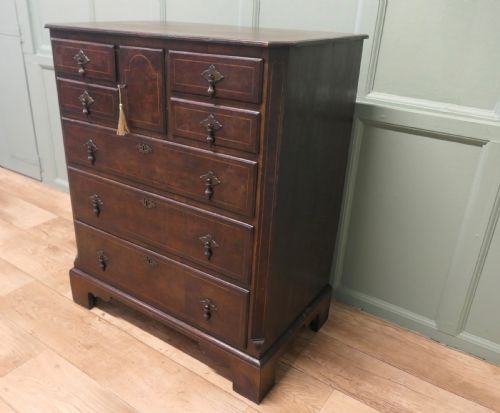
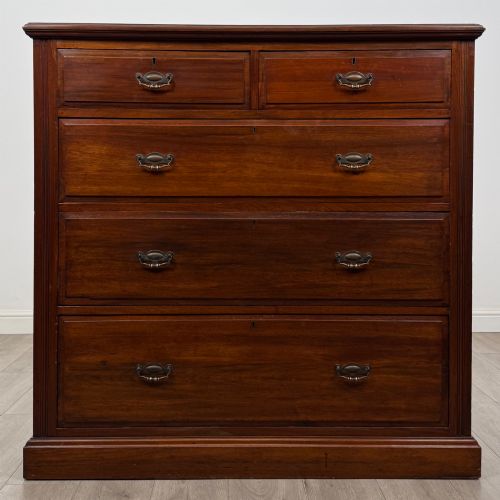
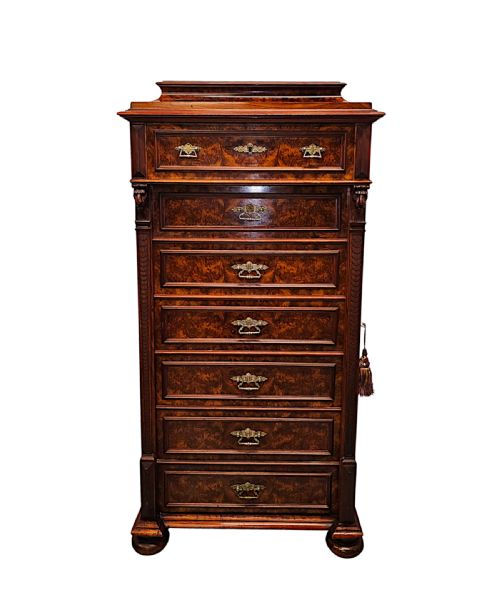
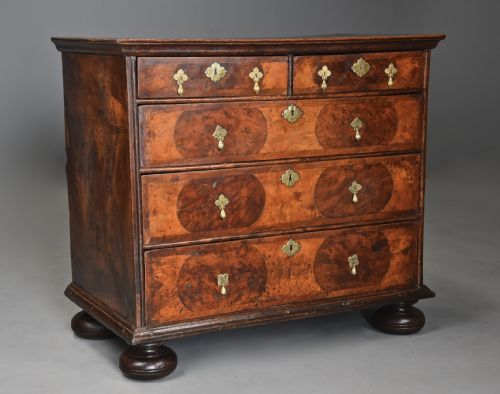






Dark Walnut Tallboy
A dark walnut tallboy brings deep timber grain and vertical presence to a room, offering generous storage without demanding much floor space.

Dark Walnut Tallboy
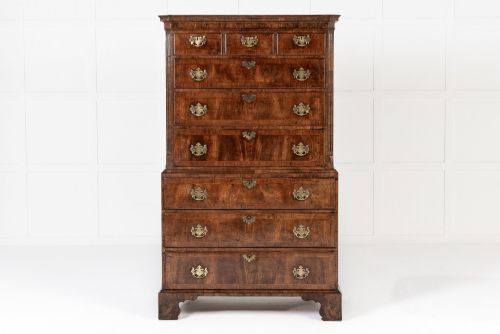
A dark walnut tallboy or chest-on-chest stands as a commanding piece of storage furniture, uniting deep wood tones with practical vertical drawer arrangements. When hunting for a dark walnut tallboy, you encounter forms that span several centuries, from early period interpretations to later twentieth-century pieces.
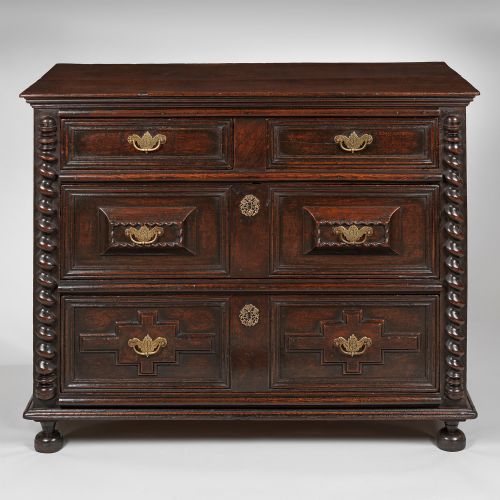
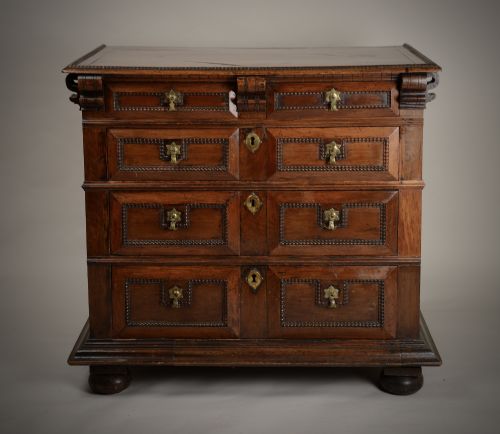
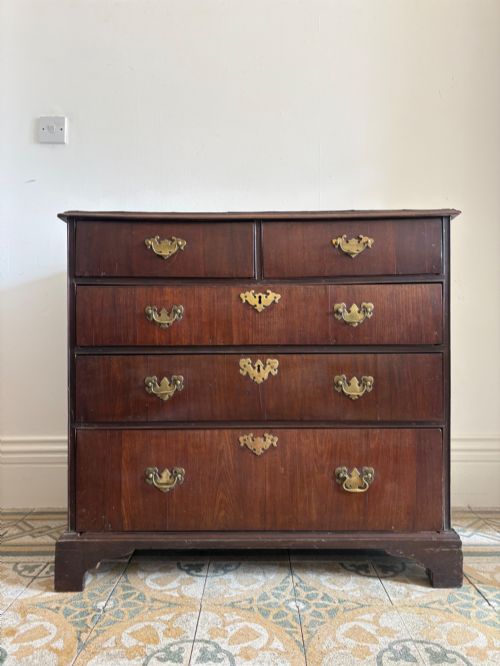
The evidence shows these tall forms appearing across multiple eras, including the seventeenth century and the Georgian period, alongside later nineteenth and twentieth-century examples. Alongside traditional tallboys, related storage forms such as chests of drawers, cabinets on chests, and linen presses share the same timber palette.
Makers utilised dark walnut alongside burr walnut, fruitwood, and oak, often mounting the drawers with brass handles. The selection ranges from restrained early joinery to more decorative veneered surfaces.
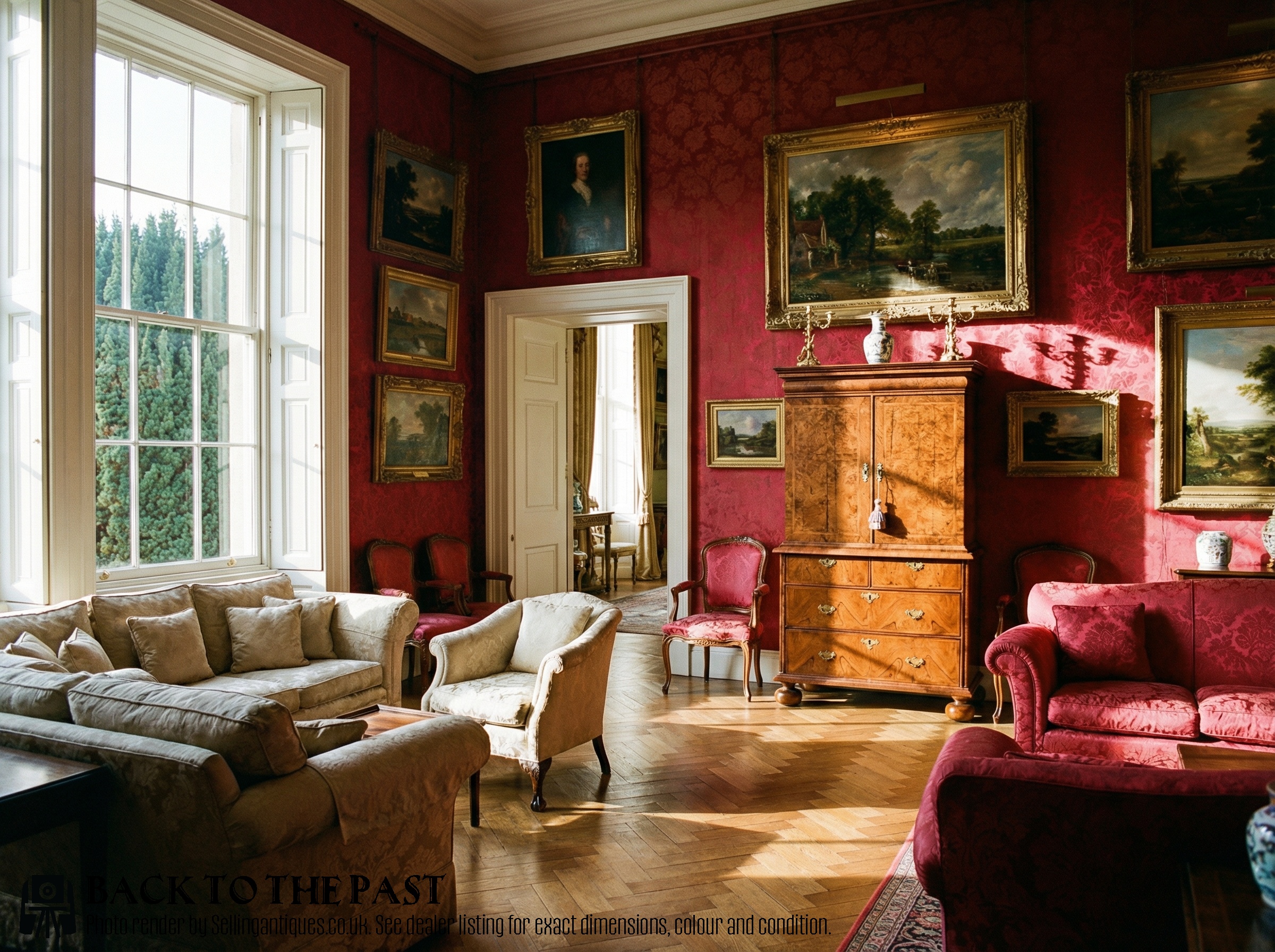
Markers of quality
Quality rests in the selection of the timber veneer and the precision of the drawer construction, where finely figured burr walnut or rich red walnut marks out superior examples. The crispness of the marquetry or parquetry work and the integration of original brass hardware further distinguish the better pieces.
Proportion and structural integrity define the remaining differences, as well-balanced proportions and clean lines separate master-built pieces from simpler utilitarian items.
Dark Walnut Tallboy Retail Price Guide 2026
Typical asking prices for dark walnut tallboy among the pieces listed under this phrase on Sellingantiques today, from the lower quarter to the upper quarter. They describe what is for sale here now, not the wider market.
Listings feature walnut tallboys alongside seventeenth-century chests, Georgian linen presses, and twentieth-century burr walnut furniture.
The Dark Walnut Tallboy Glossary
- Tallboy
- A tall chest of drawers, often constructed as one chest sitting atop another chest of similar width. This form maximises storage capacity while keeping a compact footprint.
- Marquetry
- Decorative patterns formed by fitting together thin slices of wood veneer into pictorial or geometric designs. It appears on period cabinet fronts to create surface contrast.
- Parquetry
- Geometric mosaic woodwork used for repeating patterns on tabletops, drawers, and cabinet doors. This technique highlights the natural tones of walnut and contrasting timbers.
- Veneer
- A thin layer of finely figured wood applied over a secondary timber carcase. Burr walnut veneer was frequently utilised for its swirling grain patterns.
- Escutcheon
- A flat plate of brass surrounding a keyhole to protect the surrounding wood from wear. These fittings contribute to the visual rhythm of multi-drawer case pieces.
Dark Walnut Tallboy: Frequently Asked Questions
What is a dark walnut tallboy?
A dark walnut tallboy is a vertical storage unit designed with stacked drawers, traditionally taking the form of a chest-on-chest. It provides substantial drawer space while retaining a narrow floor footprint.
These pieces emerge across various historical periods, incorporating rich walnut timbers, decorative veneers, and brass hardware.
How do I date a tallboy?
Dating relies on examining the construction methods, timber choices, and decorative styles visible on the carcase and drawer linings. Seventeenth-century examples often feature oak framing with geometric mouldings or marquetry, while Georgian pieces show refined proportions and red walnut.
Later nineteenth and twentieth-century versions introduce different handle styles and veneering techniques that set them apart from earlier work.
Where should I place a tallboy?
A tallboy suits bedrooms, dressing rooms, or hallways where vertical storage is required without occupying excessive floor space. Its height makes it an effective anchor against large wall surfaces.
Ensure the room has adequate clearance for drawers to open fully, particularly on two-part chest-on-chest designs.
What woods were used for tallboys?
Cabinetmakers primarily used walnut, red walnut, and burr walnut, frequently supported by secondary timbers like oak and fruitwood. Inlays and banding sometimes incorporated yew or other contrasting woods.
Brass was standard for handles and escutcheons across multiple periods.