
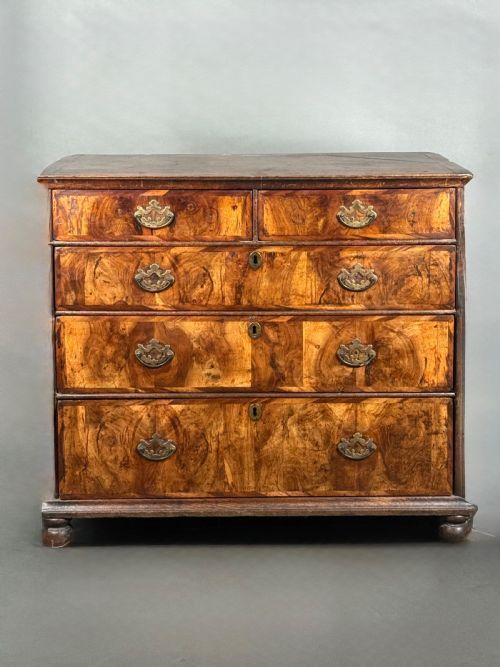
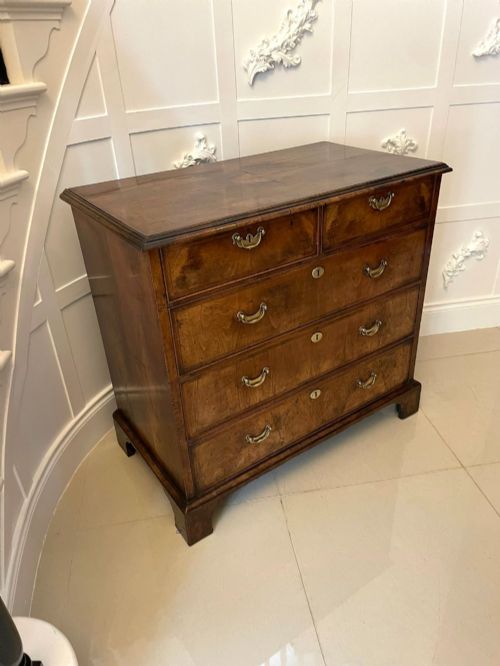
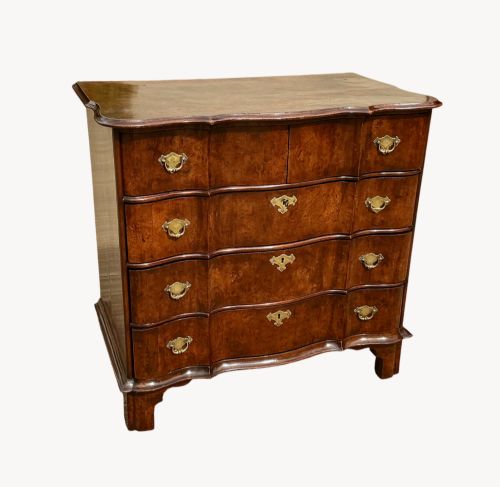
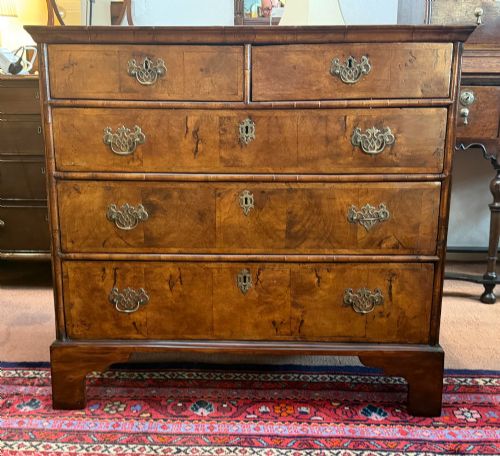
Brass Handled Walnut Chest
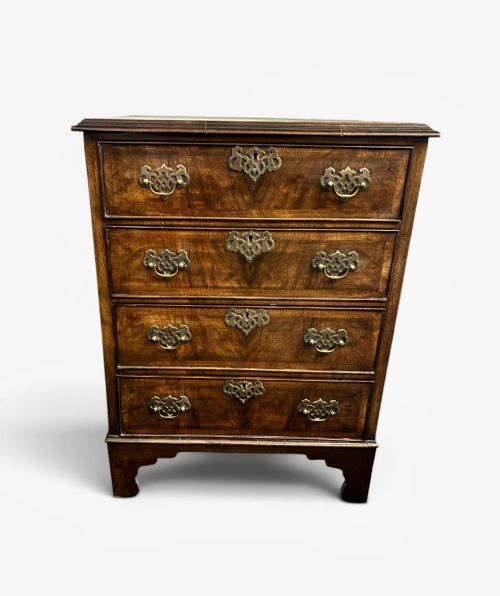
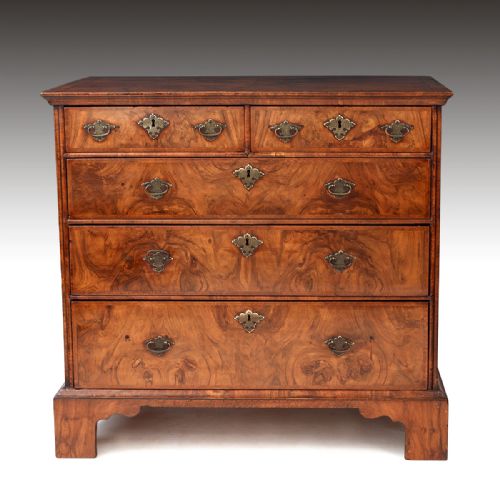
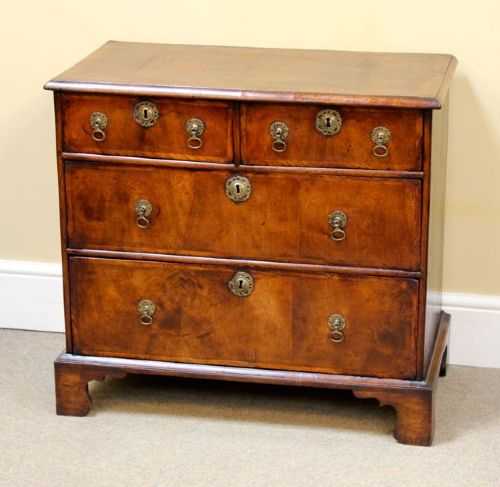
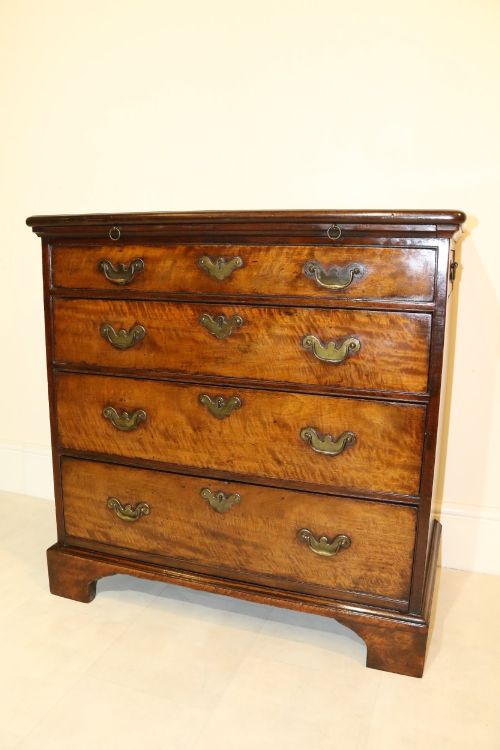
A brass handled walnut chest combines rich timber grain with durable metal hardware, offering both storage capacity and period character.

Brass Handled Walnut Chest
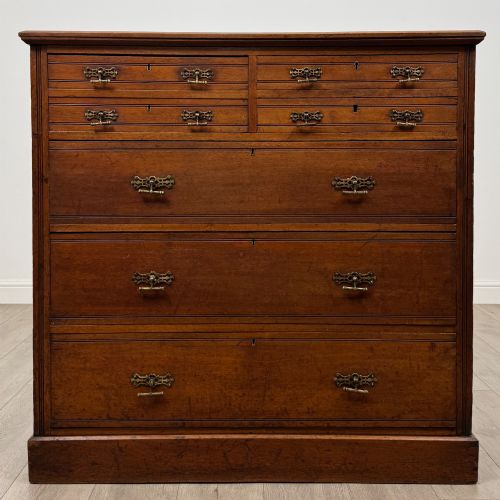
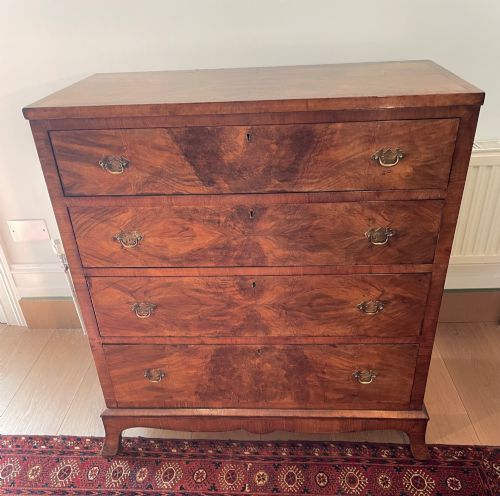
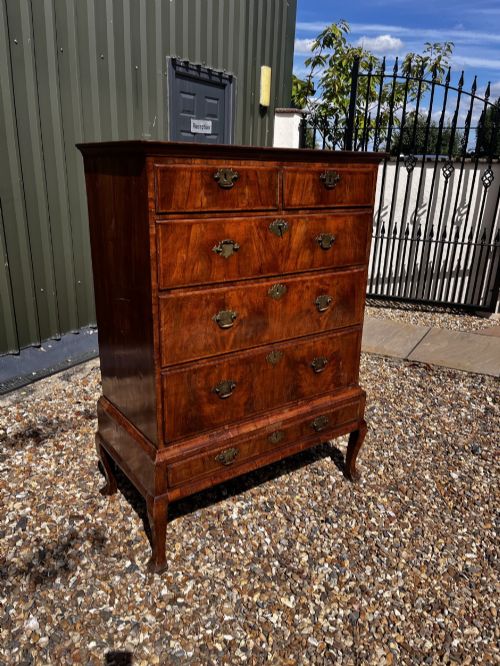
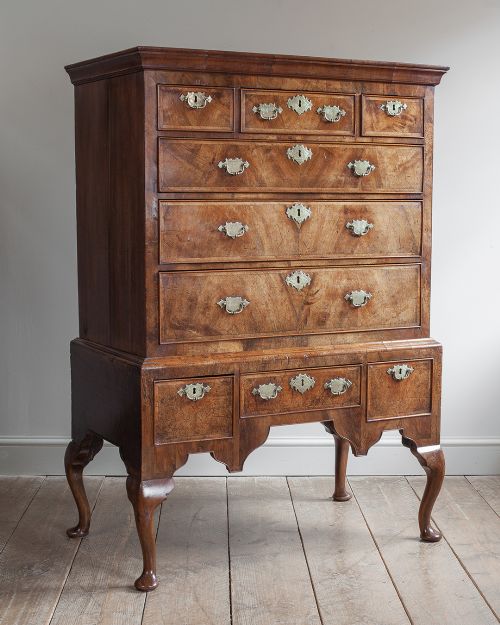
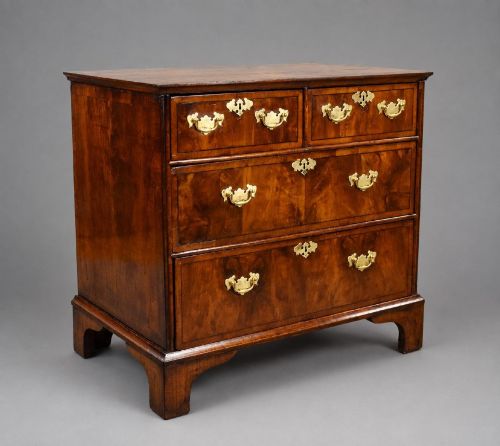
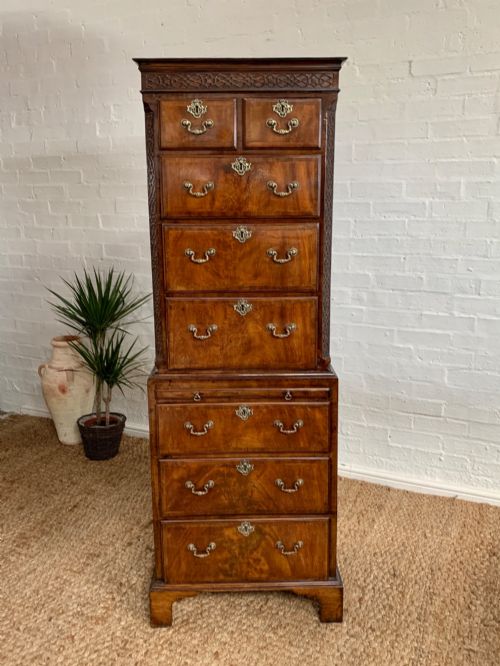
A brass handled walnut chest is primarily a drawer-based storage furniture piece defined by its timber selection and metal mountings. When searching this phrase, a buyer encounters forms ranging from compact bedside tables and bachelor's writing chests to tallboys and large chests on stands.
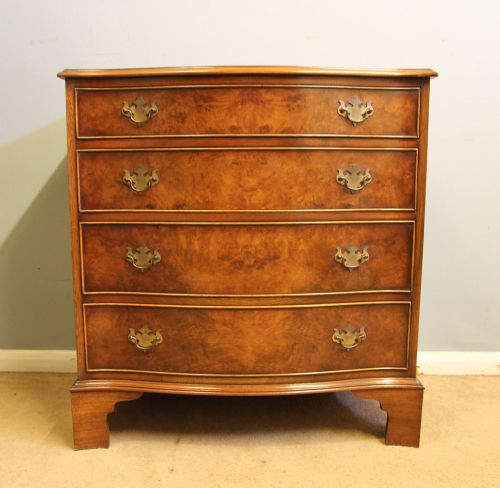
The pieces on this page span several centuries, with a strong representation of 18th century, Georgian, and Victorian examples alongside 20th century revivals. Forms include serpentine fronts, bow fronts, and straight-fronted drawer configurations constructed from solid timbers and distinct veneers.
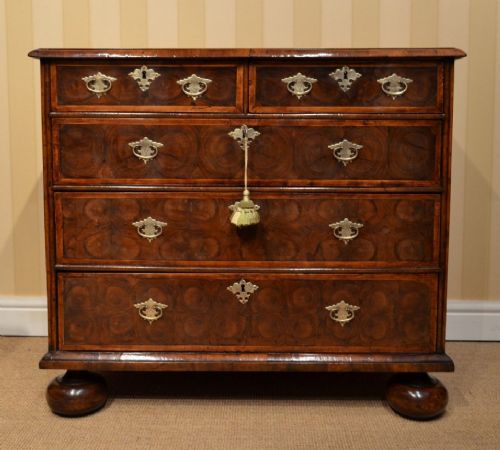
Origins stretch across English, Dutch, French, and Italian workshops, reflecting diverse regional cabinet-making traditions. Buyers are most likely to meet pieces finished in figured walnut, burr walnut, or oyster veneer paired with brass drop handles or backplates.
What varies in quality
The visual depth and selection of the walnut timber dictate much of the piece's standing, with highly figured grain patterns and matched burr veneers marking out superior examples. Cabinet-making precision is evident in the tightness of the drawer dovetails and the alignment of the grain across moving drawer fronts.
Hardware originality significantly influences a piece, as surviving period brasses that match the original fixing impressions hold greater integrity than later replacements. The secondary timbers used inside the drawers and the crispness of edge mouldings further distinguish workshop standards.
Listings feature walnut chests constructed from solid timber, burr veneers, and oyster veneers, paired with brass handles across multiple centuries.
Jas Shoolbred
The Brass Handled Walnut Chest Glossary
- Burr walnut
- A figured wood harvested from the abnormal growth or burl of a walnut tree, yielding swirling, knotty patterns. It was frequently sliced into thin veneers for high-status drawer fronts.
- Oyster veneer
- Slices cut transversely across small branches or roots of walnut to create small, circular patterns resembling oyster shells. This technique was popular in late seventeenth-century cabinet work.
- Chest on stand
- A form consisting of a main drawer chest elevated upon a separate, distinct supporting frame or base with legs. It often dates from the early eighteenth century.
- Tallboy
- A tall chest of drawers made in two stacked sections, placing a smaller chest on top of a larger base chest. This form maximised vertical storage in period bedchambers.
- Serpentine
- A furniture front profile characterised by a convex centre flanked by concave curves. It requires advanced carpentry to shape timber and veneer to a undulating line.
Brass Handled Walnut Chest: Frequently Asked Questions
What is a bachelor's chest?
A bachelor's chest is a compact drawer unit featuring a pull-out brushing slide above the primary drawers. It served as a multi-functional surface for writing and dressing in period bedchambers.
These pieces typically date from the 18th century and were designed for smaller domestic spaces while retaining high-quality walnut veneers and brass hardware.
How do I identify a Georgian walnut chest?
Georgian walnut chests are identified by their proportions, carcass construction in oak or pine, and the use of figured or burr walnut veneers. They often feature feather-banding around the drawer edges and original brass drop handles.
Stylistic shifts across the period move from the simpler straight lines of the early 18th century to the more elaborate serpentine or bow-fronted forms of the later Georgian decades.
Where were walnut chests placed in a home?
Period walnut chests were primarily utilised in private bedchambers and dressing rooms for storing garments, linens, and personal valuables. Their decorative grain meant they also featured in hallways and reception rooms.
Smaller formats such as bedside tables and tea caddies fulfilled specialised storage needs within the domestic interior.
How should I care for a walnut surface?
Walnut furniture requires protection from direct sunlight and excessive heat fluctuations to prevent the timber and delicate veneers from drying out or splitting. Maintaining stable room humidity preserves the integrity of the wood.
Dusting with a dry, soft cloth is sufficient for routine maintenance, avoiding modern silicone-based polishes that can damage historic finishes.