


Dark Walnut Centre Table
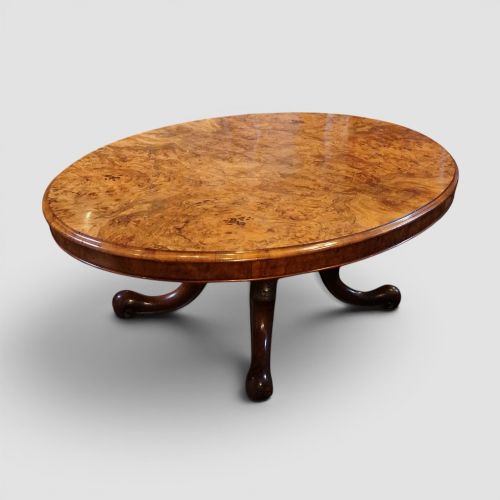
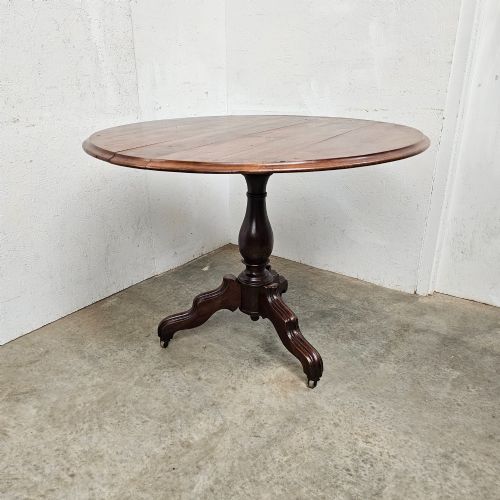
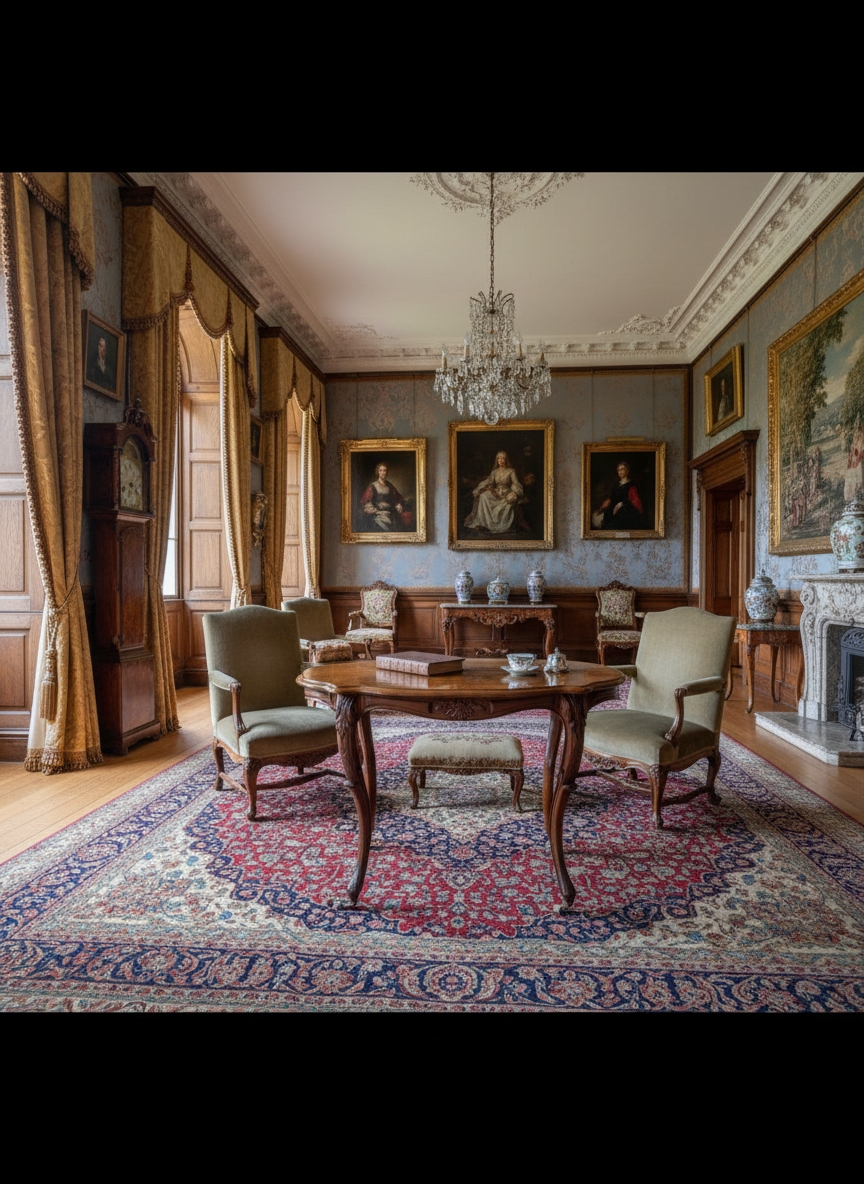
A dark walnut centre table brings rich timber tones and sculptural presence to a room, serving as a striking freestanding focal point.
Dark Walnut Centre Table
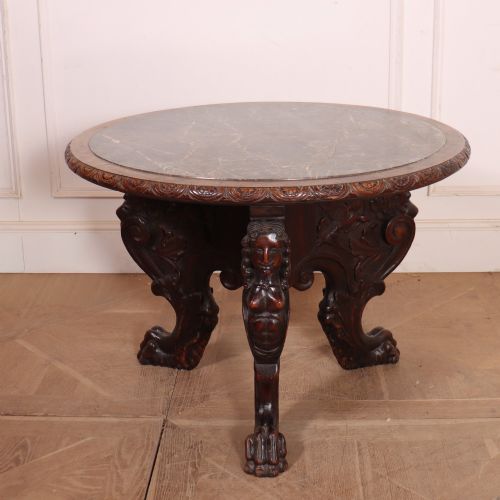
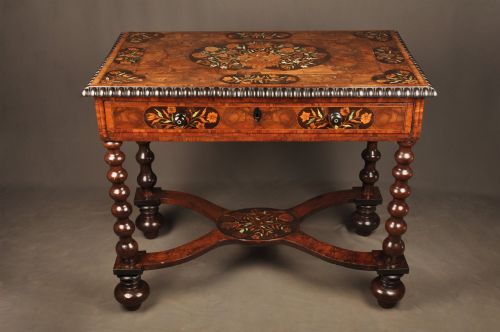
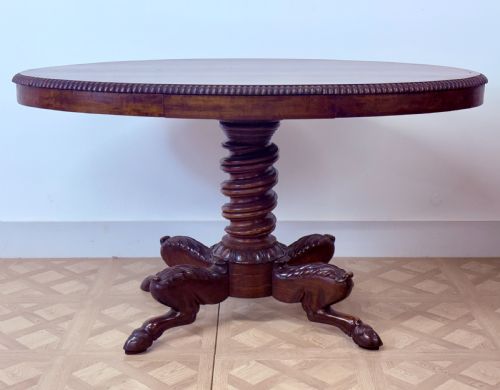
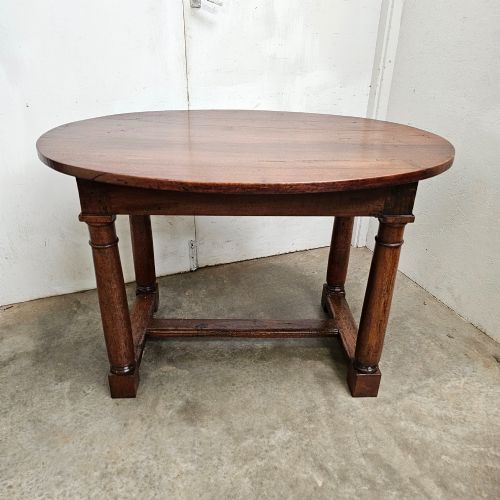
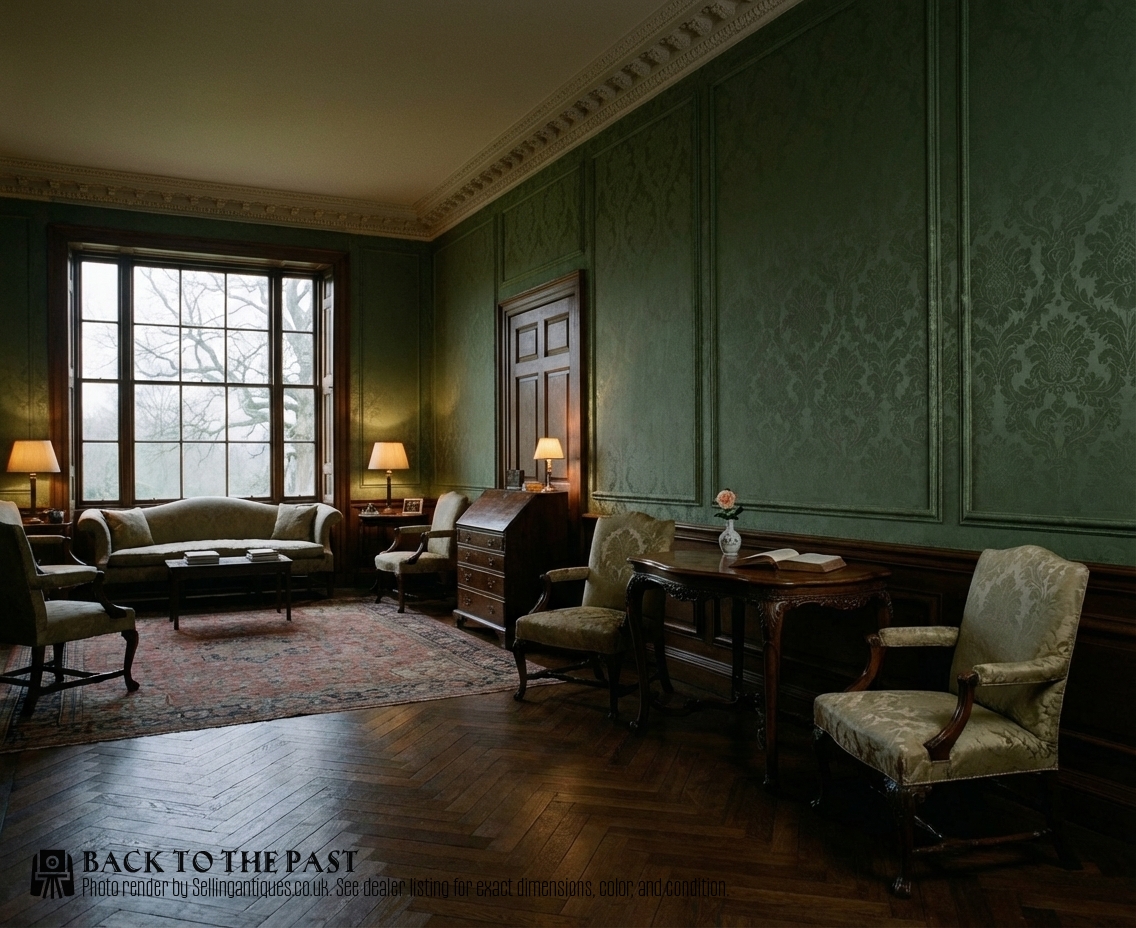
A dark walnut centre table stands independently in a room, designed to be viewed from all sides rather than pushed against a wall. The pieces collected under this search phrase span centuries, including solid timber examples from the seventeenth and eighteenth centuries alongside intricately figured Victorian and Edwardian iterations.
Most examples encountered on this page date from the nineteenth century, particularly the Victorian era, displaying oval, octagonal, or circular tops supported by turned spindle bases, pillars, or stretcher frames. Alongside traditional centre tables, the selection includes occasional tables, coffee tables, and occasional library pieces sharing the same predominant dark walnut palette.
Origins vary across English, French, Spanish, and Italian workshops, bringing distinct regional carving traditions and decorative vocabulary to the foundational dark walnut timber. Whether utilising a tilt-top mechanism or a fixed pedestal, each piece occupies the middle of a room with substantial architectural weight.
What varies in quality
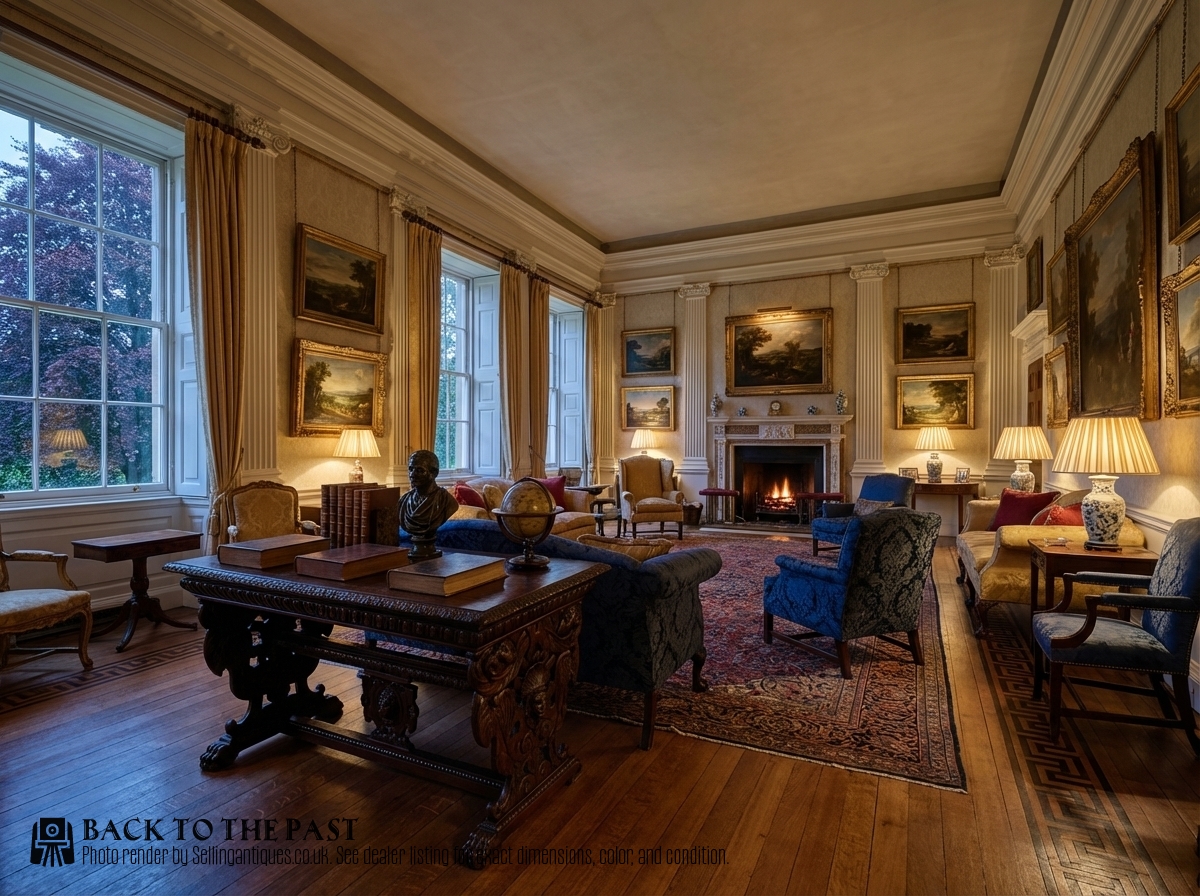
The degree of refinement in the timber selection and carving separates standard production from exceptional examples, with highly figured burr walnut veneers and crisp, hand-chiselled ornamentation marking the upper tier. Superior pieces display harmonious proportions where the base architecture properly balances the scale of the tabletop.
The integrity of the construction and the preservation of original surfaces dictate desirability, particularly in pieces featuring complex elements like tilt-top mechanisms, marquetry inlay, or integrated drawers. Master craftsmanship shows in tight joinery that remains stable without modern reinforcement, maintaining the structural rigidity required of a freestanding table.
Dark Walnut Centre Table Retail Price Guide 2026
Typical asking prices for dark walnut centre table among the pieces listed under this phrase on Sellingantiques today, from the lower quarter to the upper quarter. They describe what is for sale here now, not the wider market.
The listings demonstrate a strong preference for burr walnut and intricate marquetry inlay across Victorian and Edwardian centre tables.
Angiolo Barbetti Firenze
The Dark Walnut Centre Table Glossary
- Burr walnut
- A highly prized wood harvested from walnut tree growths, displaying swirling, knotted grain patterns. It creates highly decorative veneered surfaces on Victorian tabletops.
- Marquetry
- The art of applying small pieces of veneer to form decorative patterns and pictures on a wooden surface. Elaborate floral and geometric designs often adorn nineteenth-century examples.
- Tilt-top
- A hinged tabletop mechanism allowing the surface to pivot vertically when not in use. This allowed large tables to be stored against walls in smaller domestic spaces.
- Stretcher base
- A system of horizontal or curved wooden braces connecting the legs of a table for added structural support. They frequently feature central turned finials on nineteenth-century designs.
- Ebonised wood
- Timber treated with a chemical stain or black finish to imitate costly ebony. It appears frequently on Victorian and Aesthetic Movement pieces to create sharp tonal contrast.
Dark Walnut Centre Table: Frequently Asked Questions
Where should a centre table go?
A centre table belongs in the middle of a room where it can be approached from all sides, functioning as a display surface for lamps, books, or decorative objects.
Because these tables are finished on every side, they anchor large open spaces or serve as striking focal points in entrance halls and libraries.
How do I care for antique walnut?
Maintain antique walnut by dusting regularly with a soft, dry cloth and avoiding placement near direct heat sources or strong sunlight.
Applying a traditional beeswax polish periodically helps nourish the timber and preserve the historic finish without building up heavy residues.
Are these tables sturdy enough for daily use?
These tables were built by skilled cabinet makers using dense hardwoods like walnut, making them structurally robust for everyday domestic placement.
Freestanding tables rely on balanced pillar bases or secure leg frames, though heavy downward pressure on the edges of tilt-top mechanisms should be avoided.
What is the difference between a centre table and a coffee table?
Traditional centre tables stand at standard table height, designed for display and occasional writing rather than low seating arrangements.
Many nineteenth-century examples adapted as coffee tables retain taller proportions, though twentieth-century iterations were specifically built lower for lounge seating.