



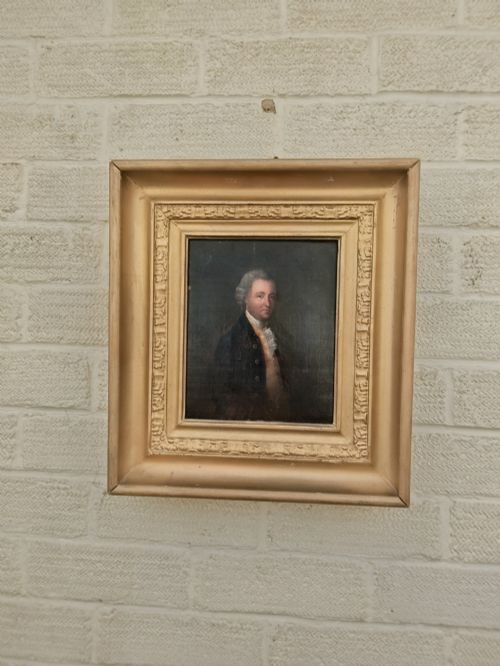
Dark Victorian Oil Painting
A dark victorian oil painting brings moody palettes, atmospheric shadows, and compelling nineteenth-century subjects directly into domestic rooms.
Dark Victorian Oil Painting
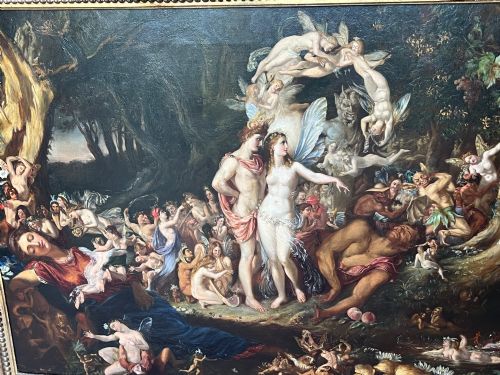
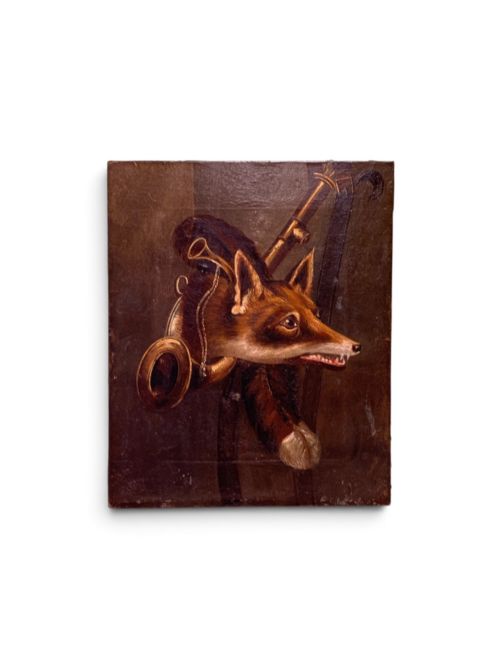
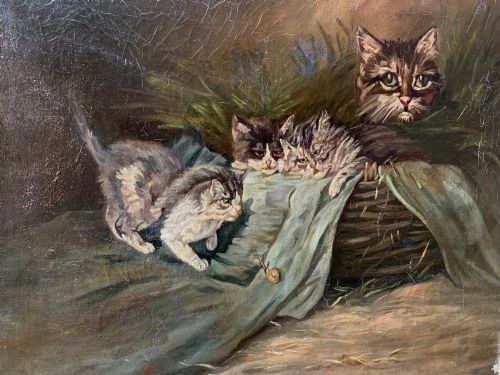
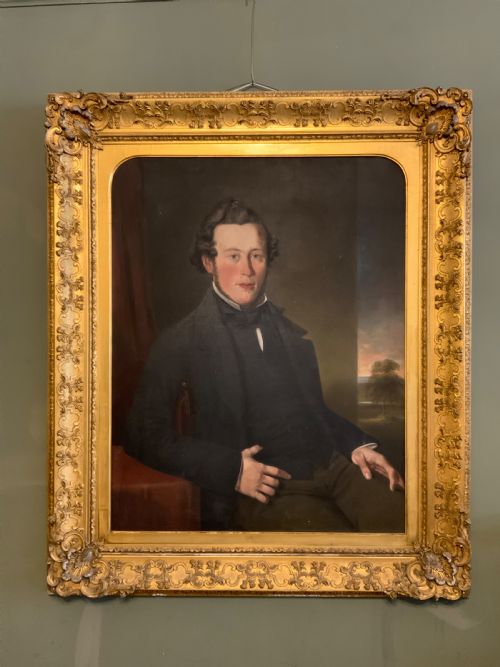
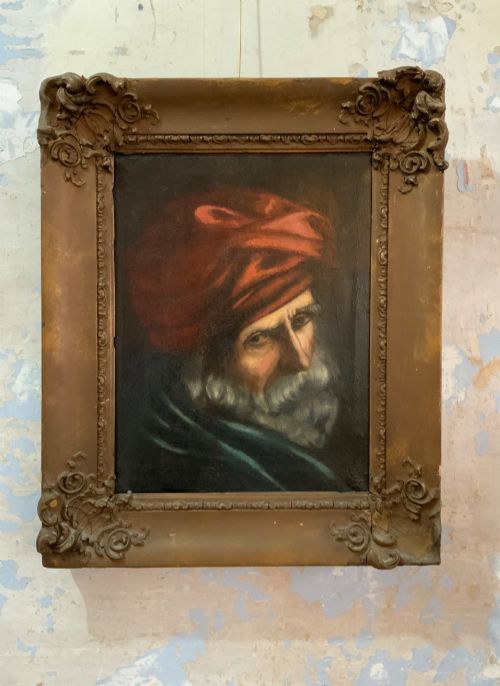
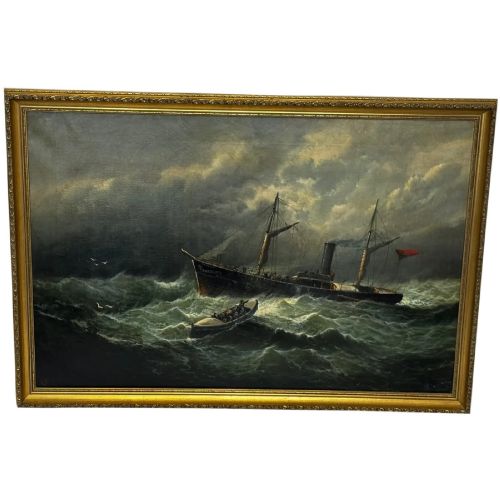
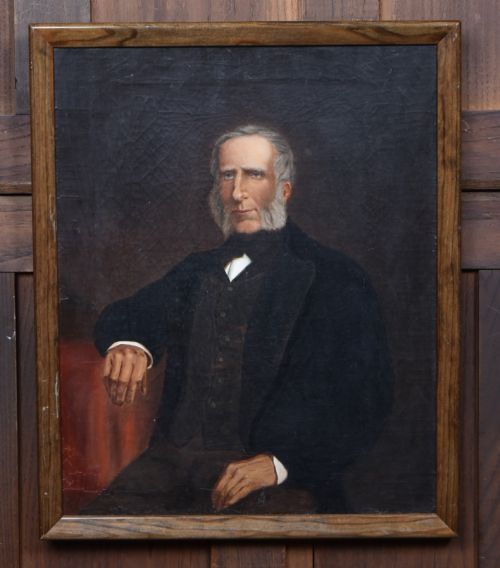
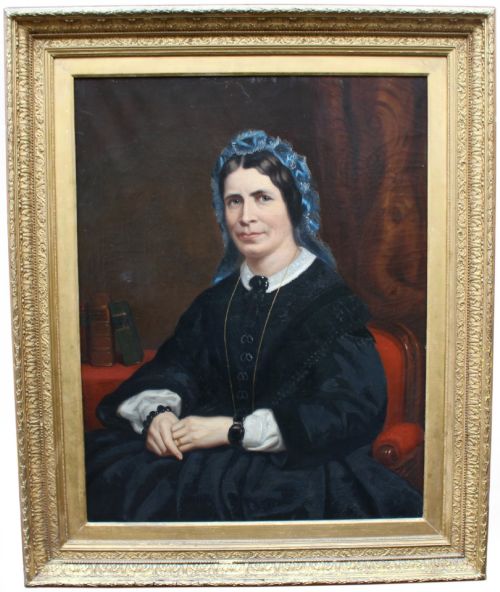
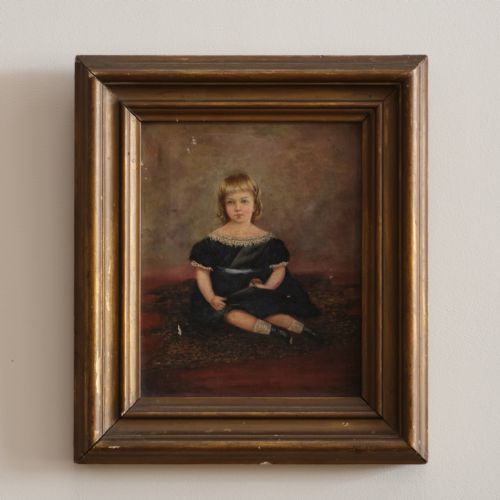
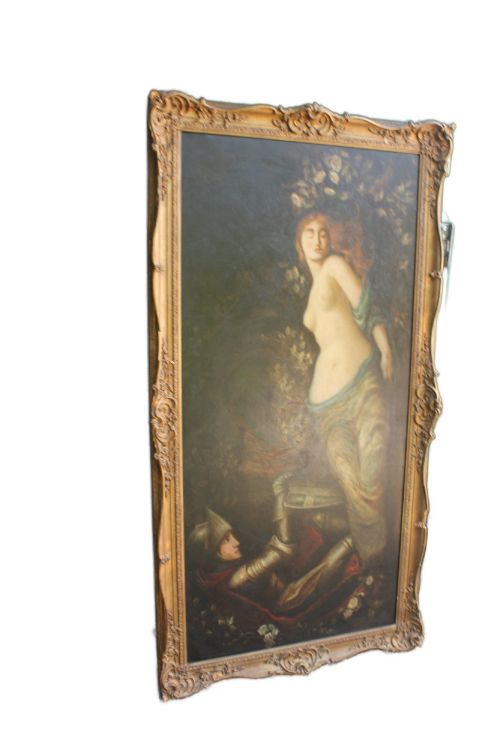
A dark victorian oil painting encompasses atmospheric portraits, sombre still lifes, and shadowy landscapes originating primarily from the nineteenth century. Buyers searching this phrase look for works dominated by deep tones, heavy chiaroscuro, and serious expressions that project gravitas.
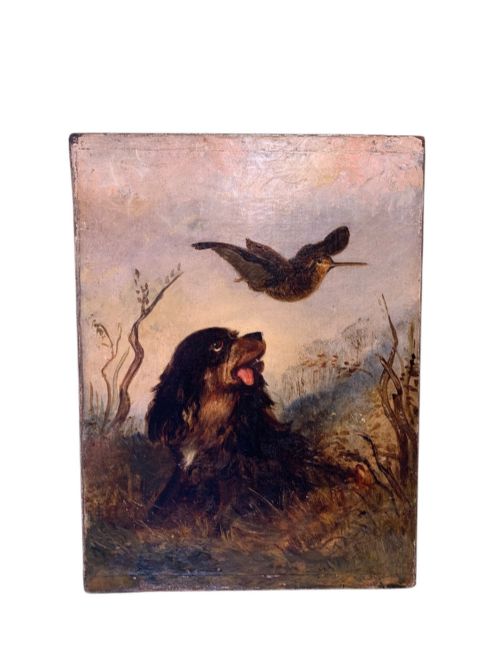
The pieces on this page span from Regency origins through Victorian output to Edwardian and early twentieth-century examples. Common subjects include military officers, gentlemen, sporting dogs, and moody interiors rendered in oil on canvas or board.
How They Were Made
Artists built these works utilising oil paint applied to prepared canvas, wood panels, or boards. Pigments were layered to achieve deep shadows and subdued tonal ranges.
Many surviving examples retain their original wooden frames embellished with gold leaf, gesso, and giltwood detailing.
Among the gentlemen and nobility, a pigeon racing painting and a naive folk art lion quietly watch from the canvas.
What Varies in Quality
The distinction between ordinary and superior works rests upon the confidence of the brushwork and the psychological depth of the subject. Master painters captured light and shadow with precise anatomical accuracy and subtle tonal transitions.
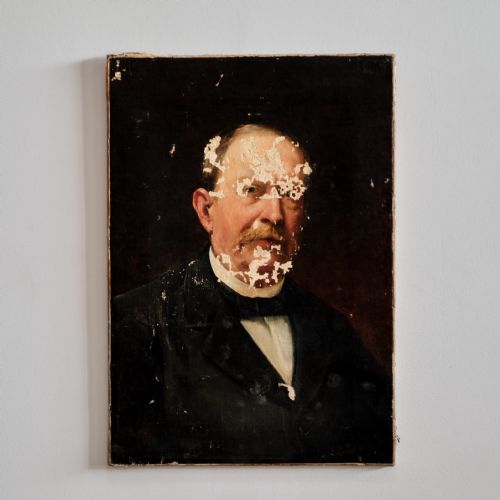
Condition also separates examples, as untreated craquelure, paint shrinkage, or poor past restoration alter the original visual impact of the composition.
Holley Bros·J Brown·William Broome·W.R. Waters·Margaret Sarah Carpenter·Frederick Walker·William Blake Richmond·Stephen Pearce·William Henry Ward·Edwin Steele·Florence Small·Sydney Yates Johnson·Alexander Rosell·Bertram Priestman·William Etty
The Dark Victorian Oil Painting Glossary
- Chiaroscuro
- The use of strong contrasts between light and dark to give a three-dimensional volume to figures and objects.
- Gesso
- A plaster-like mixture applied to wood or canvas as a base for painting or applied to frames before gilding.
- Craquelure
- The fine pattern of dense cracking formed on the surface of old oil paintings as the paint ages.
- Oil on Canvas
- Pigment mixed with drying oil applied directly to stretched woven fabric.
Dark Victorian Oil Painting: Frequently Asked Questions
How do I date a dark oil painting?
Dating relies on stylistic clues, costume details, and stretcher construction. Examination of the canvas weave and underlying pigments provides further chronological context.
Pinned dates within titles and recorded artist lifespans help narrow the period of creation.
Where should I hang a dark painting?
These works suit rooms with neutral or rich wall colours that complement deep shadow tones. Placing them away from direct sunlight protects the oil pigments.
Adequate directional lighting brings out hidden details in the darker passages of the composition.
What frames are period appropriate?
Nineteenth-century works typically sit within moulded wood frames finished with gesso and gold leaf. Matching the frame style to the era of the canvas preserves historical integrity.
Victorian frames often feature ornate scrolling details and deeper mouldings.