
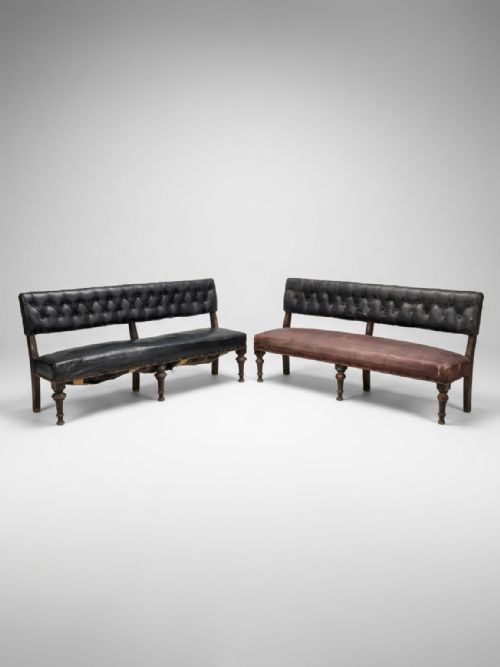
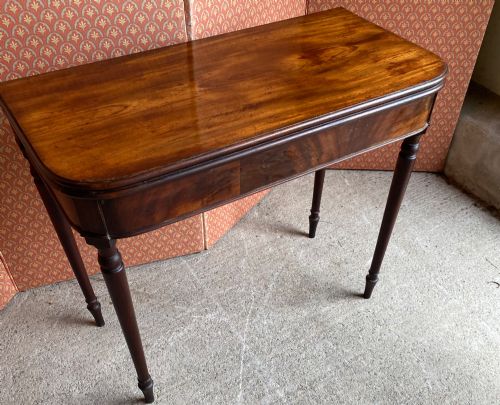
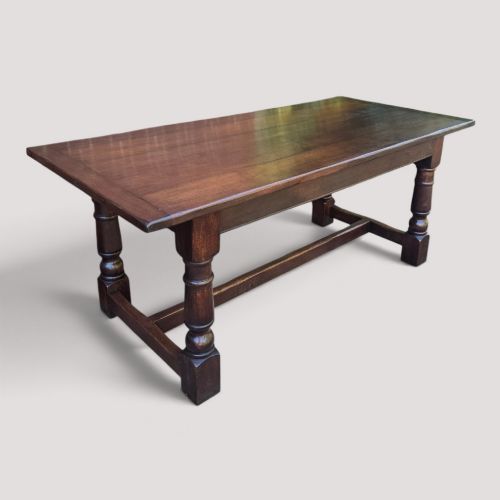
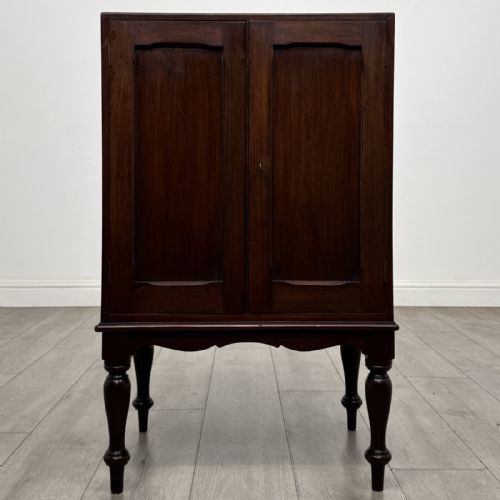
Dark Turned Wooden Legs
Dark turned wooden legs support centuries of practical tables, chairs, and stools built from solid timber.
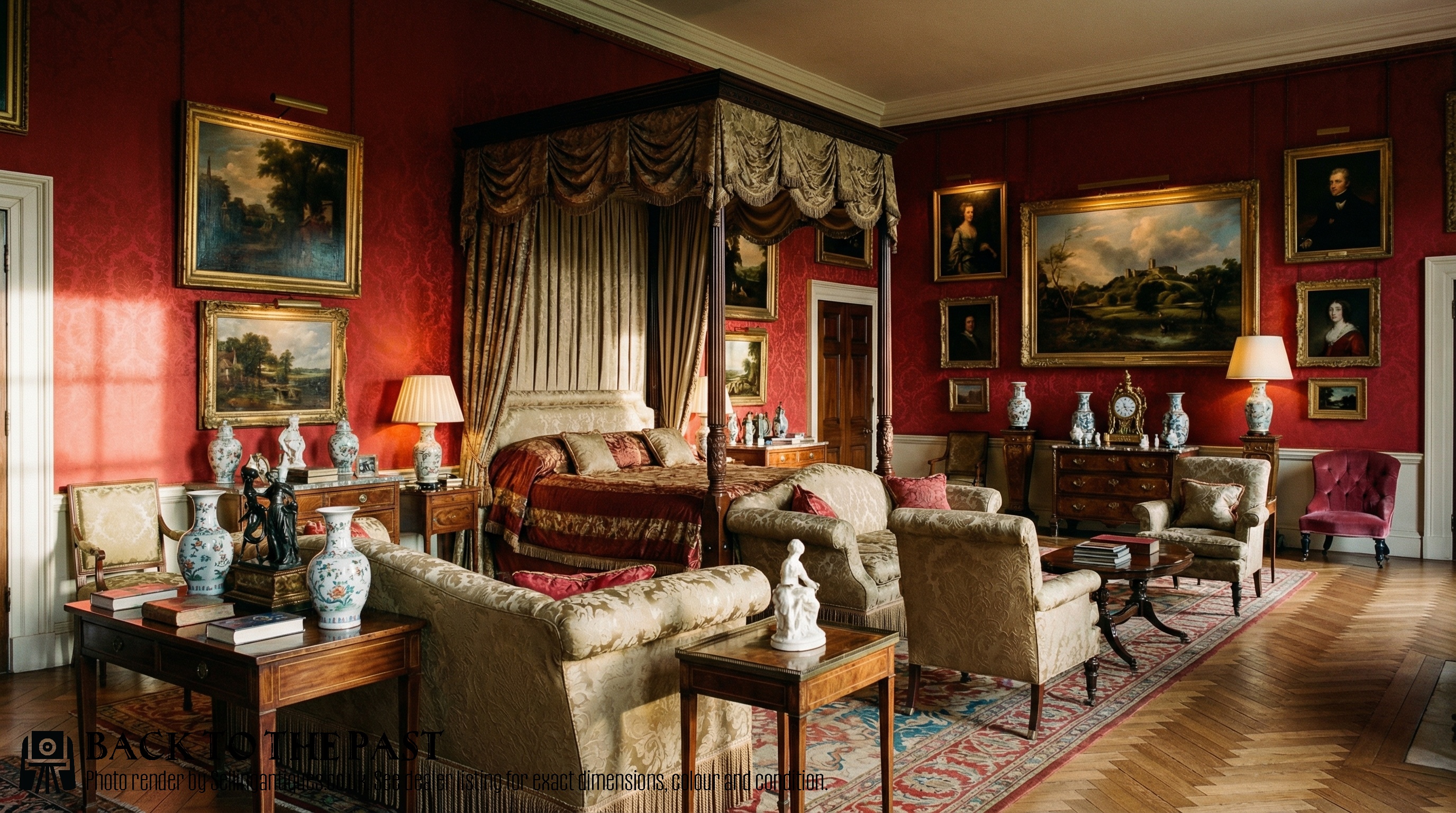
Dark Turned Wooden Legs
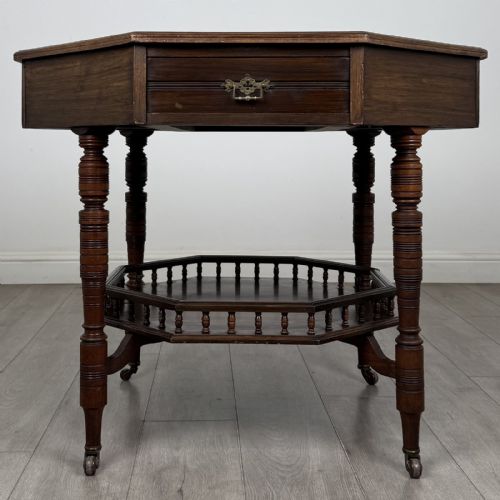
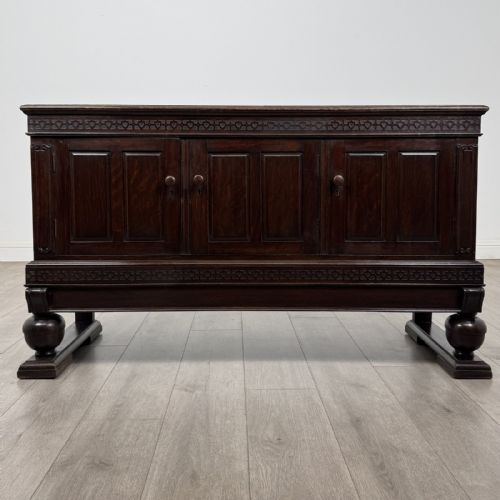
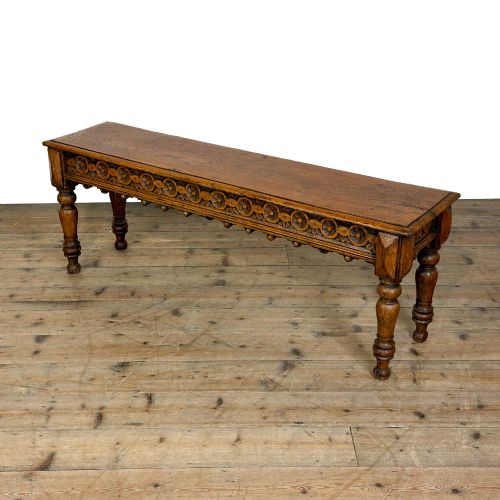
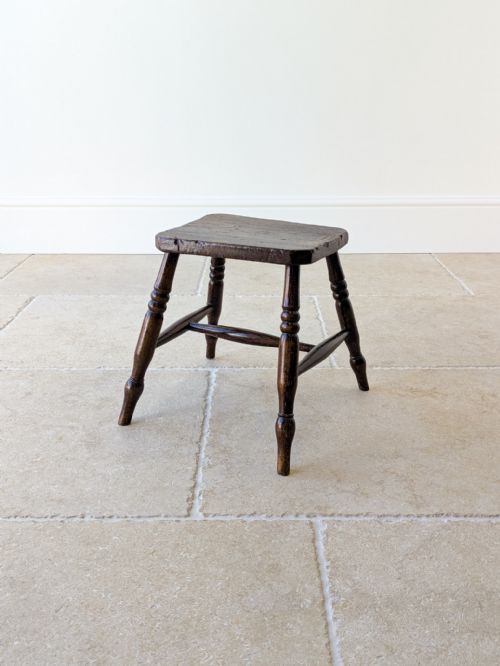
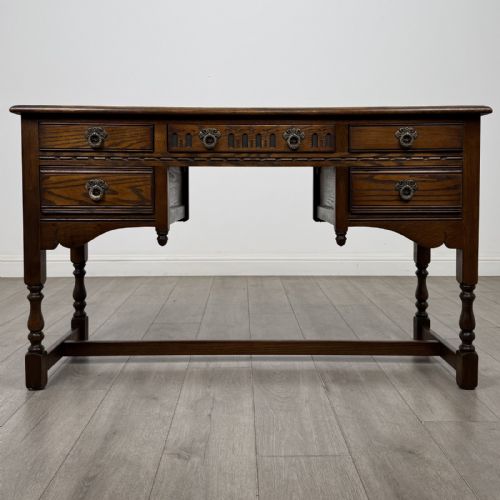
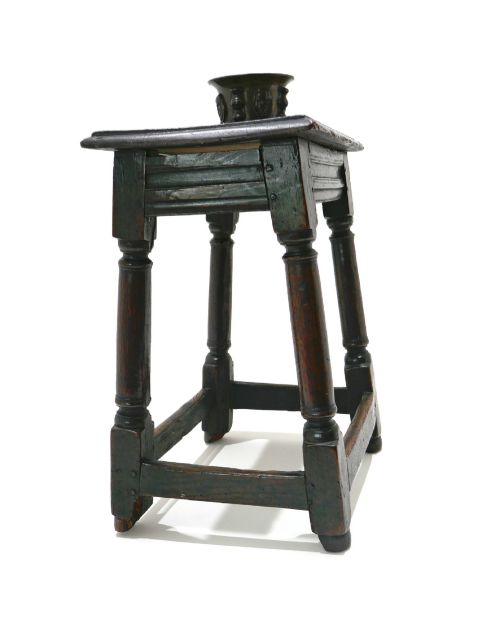
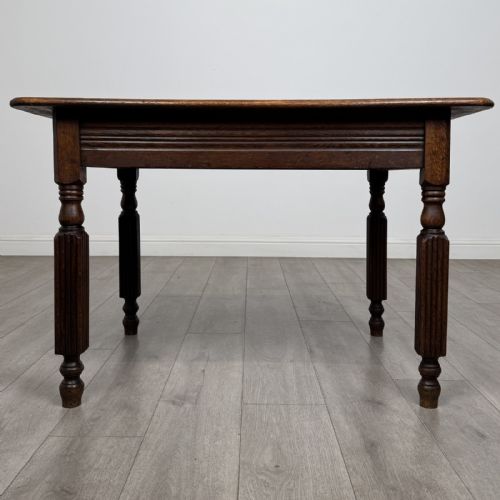
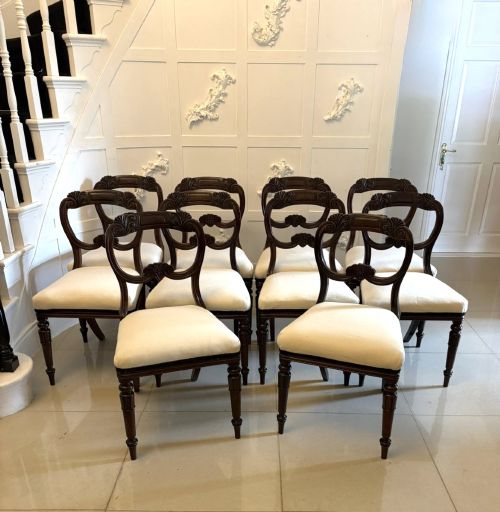
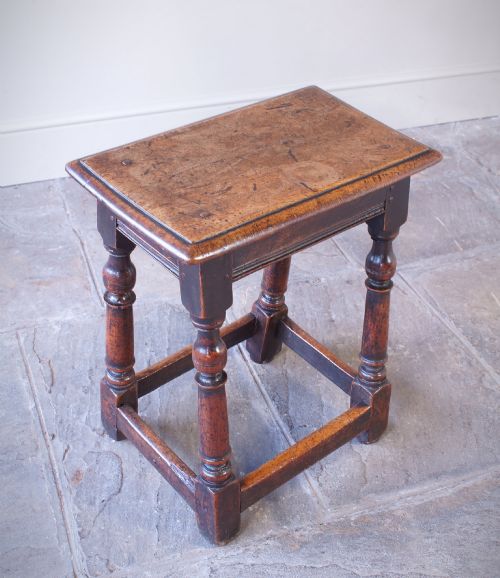
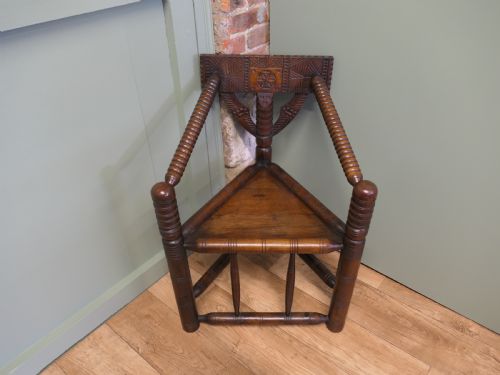
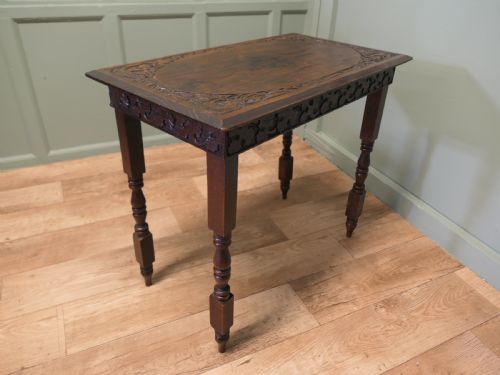
Dark turned wooden legs appear across a variety of traditional furnishings, providing sturdy structural support for tables, seating, and stands. When searching for dark turned wooden legs, buyers encounter everything from seventeenth-century joint stools to Edwardian side tables and Victorian dining furniture.
The pieces on this page span several centuries, including seventeenth-century, eighteenth-century, nineteenth-century, and twentieth-century examples. Common formats featuring these supports include Windsor armchairs, drop-leaf dining tables, joint stools, and nests of tables.
Origins range from formal Georgian drawing-room pieces to robust English country farmhouse furniture. Oak and mahogany dominate the selection, accompanied by elm, yew, sycamore, and walnut.
Materials and construction
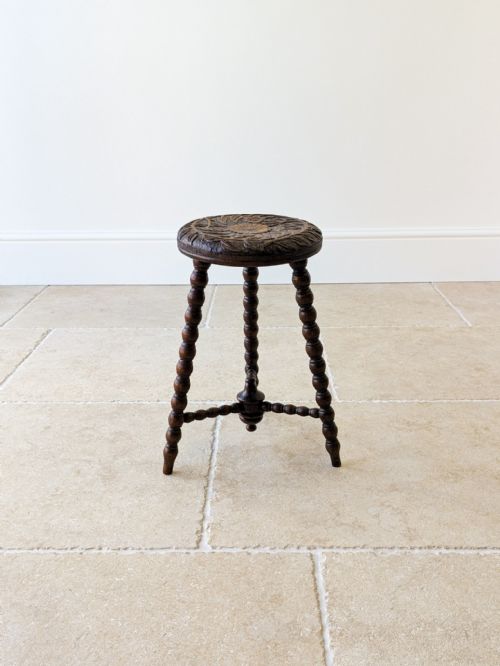
Turned components are shaped on a lathe, producing symmetrical profiles like bobbins, reels, or spindles from dense hardwoods. Oak and mahogany provide the primary structural integrity for heavier tables and seating.
Secondary timbers such as elm, sycamore, and yew are utilised in country pieces, particularly for chair seats and minor supports. Joinery methods rely on traditional pegged mortise and tenon joints rather than metal fasteners.
Some tavern stools survived centuries of spilled ale simply because their thick turned legs were too stubborn to wobble.
Judging quality in turned supports
Quality rests in the precision of the turning and the selection of the timber grain. Crisp definition in the mouldings of the turned legs indicates skilled lathe work and careful wood selection.
Proportion and balance dictate the overall success of the piece, ensuring the legs harmonise with the top or seat. Original timber surfaces and depth of patina elevate the status of older examples.
The Dark Turned Wooden Legs Glossary
- Turned leg
- A support shaped by rotating timber against a cutting tool on a lathe. This technique creates cylindrical, swelling, or linear profiles.
- Joint stool
- A sturdy wooden seat constructed with mortise and tenon joints rather than turned parts alone. These low forms often feature heavy turned underframing.
- Gateleg table
- A drop-leaf table where hinged legs swing outward to support the raised flaps. The supporting legs are typically turned and joined by stretchers.
- Windsor chair
- A timber seat featuring turned legs and spindles socketed directly into a solid sculpted seat. The legs provide rigid vertical support.
- Patina
- The surface sheen and colour developed on wood over decades of use and polishing. It signals age and natural wear.
Dark Turned Wooden Legs: Frequently Asked Questions
What pieces have dark turned wooden legs?
These legs appear predominantly on seating and tables, including Windsor armchairs, tavern stools, joint stools, gateleg tables, and occasional side tables.
They serve both structural and decorative purposes across numerous historical periods.
How are these turned legs made?
Craftsmen shape the timber on a lathe using hand chisels to create uniform profiles, rings, and tapered sections.
The turned components are then fitted into the framework using traditional joinery techniques.
How do I date these items?
Dating relies on timber species, construction methods, tool marks, and overall design styles such as Jacobean, Georgian, or Victorian.
Earlier pieces often display hand-split oak and peg construction, while later items utilise sawn timber and factory methods.
How do I care for wooden furniture?
Keep wooden pieces away from direct heat sources and dramatic humidity fluctuations to prevent timber splitting.
Apply natural beeswax periodically to nourish the surface and maintain the finish.