







Dark Timber Display Cupboard
A dark timber display cupboard brings deep grain and glazed doors together to show and protect cherished possessions.
Dark Timber Display Cupboard
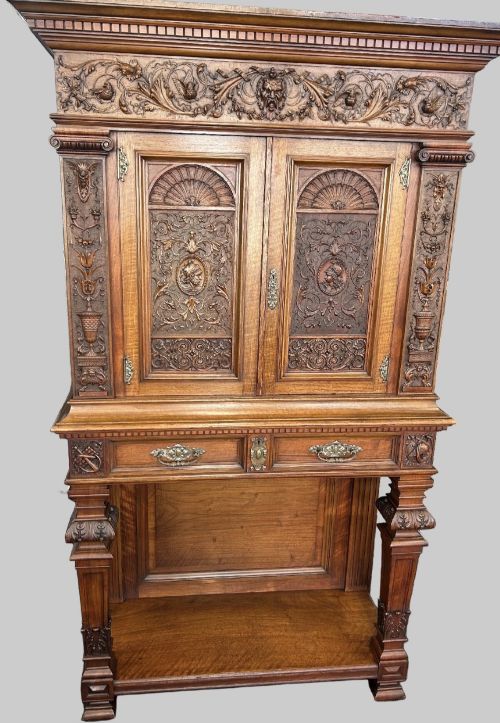
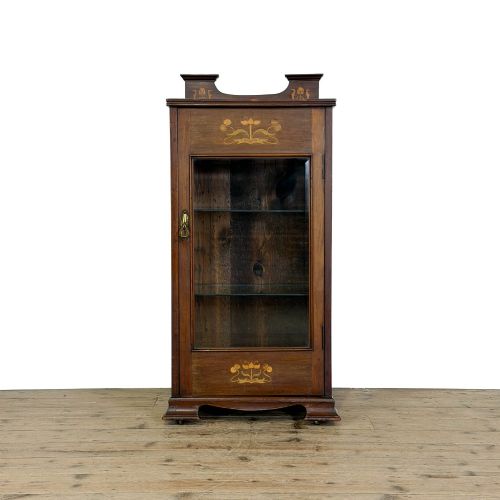
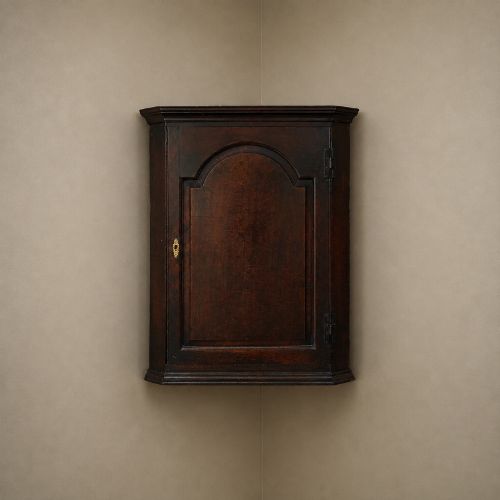
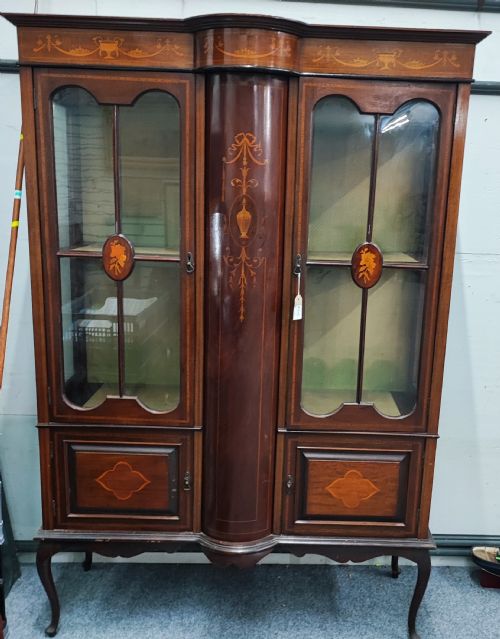
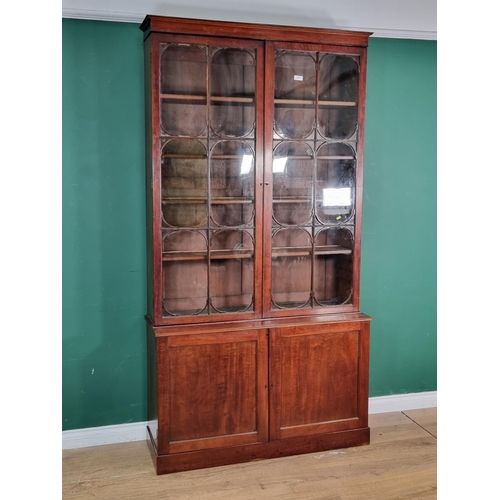
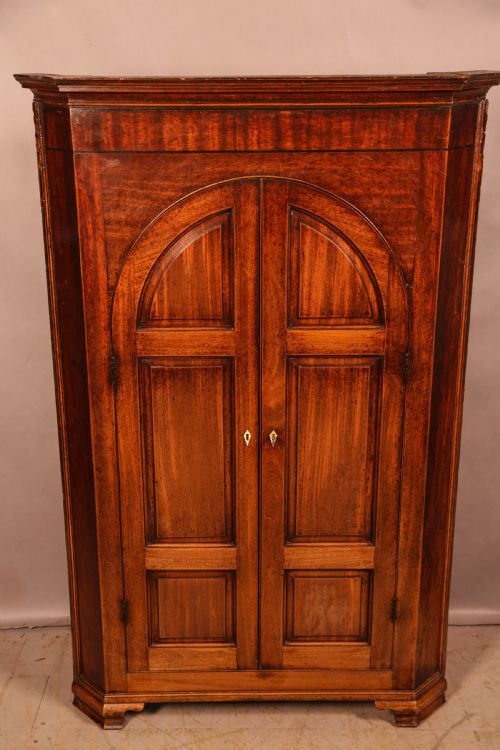
A dark timber display cupboard is a practical piece of furniture designed to exhibit objects behind glass whilst keeping them secure. When you search for a dark timber display cupboard, you encounter forms ranging from wall-hanging corner cupboards to substantial freestanding cabinets and bookcases.
The pieces on this page span several centuries and global traditions, featuring Georgian, Victorian, and Edwardian examples alongside Chinese, Japanese, and Indian pieces. These works utilise rich woods like mahogany, walnut, rosewood, and oak, often incorporating intricate carving, inlay, or glazed panels.
Corner cupboards and freestanding cabinets dominate the selection, offering versatile storage solutions for various room layouts. Whether you seek a tall mahogany bookcase or a compact inlaid display cabinet, these furnishings provide functional display space with distinct period character.
Markers of quality
Quality in these cabinets rests upon the selection of timber and the precision of the joinery. Finer pieces display carefully matched wood veneers or solid hardwoods with consistent grain, alongside tight, enduring joints that withstand daily use.
The refinement of decorative details separates standard pieces from exceptional ones. Hand-carved motifs, delicate wood inlay, and original brass fittings indicate a higher level of craftsmanship during production.
Proportion and the integration of glass panels also define the better examples. A well-balanced frame with clear, original glazing and thoughtful interior shelving demonstrates superior design and execution.
Period origins span the Georgian, Victorian, and Edwardian eras, complemented by Chinese and Japanese examples from the Meiji and Taisho periods.
The Dark Timber Display Cupboard Glossary
- Shodana
- A traditional Japanese display cabinet featuring asymmetrical shelving and sliding doors. These pieces often showcase intricate carved woodwork and fine joinery from the Meiji or Taisho periods.
- Corner Cupboard
- A storage unit built with an angled back to fit neatly into the corner of a room. They appear in both wall-hanging and freestanding formats.
- Zitan
- A dense, heavy Asian hardwood prized for its dark colour and fine grain. It was frequently used for high-status Chinese compound cabinets.
- Inlay
- A decorative technique where contrasting materials like light wood are inserted into recesses within the primary timber surface. This creates geometric or floral patterns.
- Chiffonier
- A low sideboard or cabinet featuring a combination of drawers, cupboards, and sometimes a raised shelf back. They became particularly popular during the Victorian era.
Dark Timber Display Cupboard: Frequently Asked Questions
How do I clean a dark timber display cupboard?
Dust the exterior regularly with a soft, dry cloth to prevent particulate build-up on the polished wood surface. Avoid silicone-based sprays, opting instead for a traditional beeswax polish applied sparingly when the timber appears dry.
Keep the glass panels clean using a mild glass cleaner sprayed onto a cloth rather than directly onto the cabinet. This prevents moisture from seeping into the wooden frame or antique joints.
Where should I place a corner cupboard?
A corner cupboard is designed to utilise empty room angles efficiently, making them ideal for dining rooms, hallways, or living spaces with limited wall expanse. Wall-hanging versions require secure fixing to solid masonry or properly located studs to support their weight.
Freestanding corner cabinets anchor room layouts effectively while providing enclosed storage without protruding too far into the floor space. Ensure the chosen corner avoids direct, prolonged sunlight to protect the timber and internal contents.
How can I tell a Georgian corner cupboard apart from a Victorian one?
Georgian corner cupboards, particularly those from the George III period, typically feature restrained classical proportions, fielded panels, and mahogany or oak construction with simple brass H-hinges. Their aesthetic prioritises architectural clarity and functional elegance.
Victorian and later pieces often incorporate more elaborate carving, darker ebonised finishes, or decorative glass arrangements. They frequently reflect eclectic stylistic revivals or international influences such as Art Nouveau.
Can these cabinets support heavy books?
Freestanding bookcases and larger cabinets with sturdy wooden shelving can accommodate standard book collections. However, older interior shelves should be inspected for thickness and support before loading heavy volumes.
Wall-hanging corner cupboards are generally better suited for lighter decorative items, ceramics, or glassware rather than extensive libraries. The weight capacity depends entirely on the strength of the wall fixings and the original internal shelf supports.