


Dark Rosewood Lap Desk
A dark rosewood lap desk offers a portable writing surface and secure storage, prized for its rich timber and brass mounts.
Dark Rosewood Lap Desk
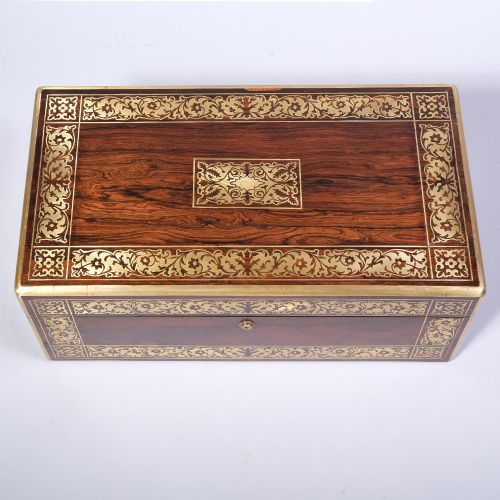
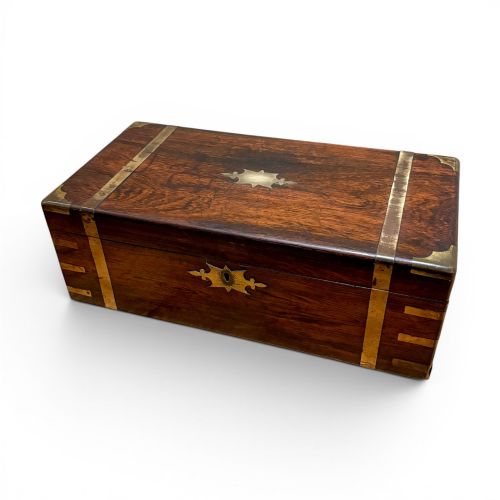
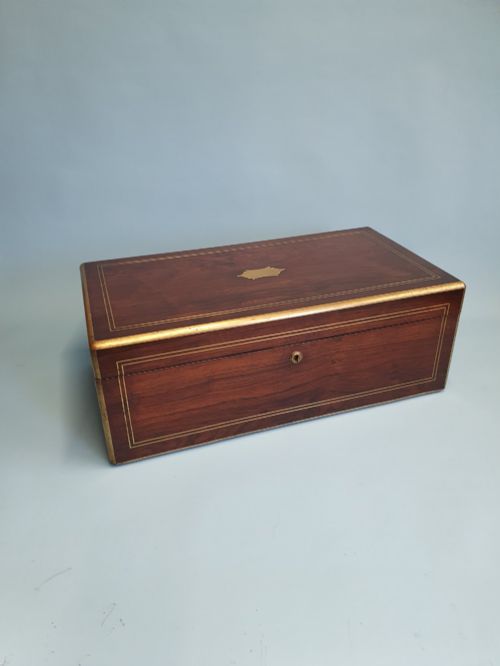
When you search for a dark rosewood lap desk, you are looking at nineteenth-century writing slopes, writing boxes, and campaign boxes designed for travel or desktop correspondence. These pieces date across the Georgian, Regency, William IV, and Victorian periods, reflecting an era when letters were written by hand with pen and ink.
The version you are most likely to meet on this page is a rectangular box that opens to reveal a sloping writing surface lined with leather or velvet, alongside compartments for inkwells, pens, and paper. Many examples feature brass banding or inlaid corners to protect the wood during transport.
Originating as portable stationery chests for officers, travellers, and gentlemen, these dark rosewood lap desks combine functional utility with the deep, figured grain of exotic timber. They survive in various forms, from plain document boxes to substantial military slopes with secret drawers.
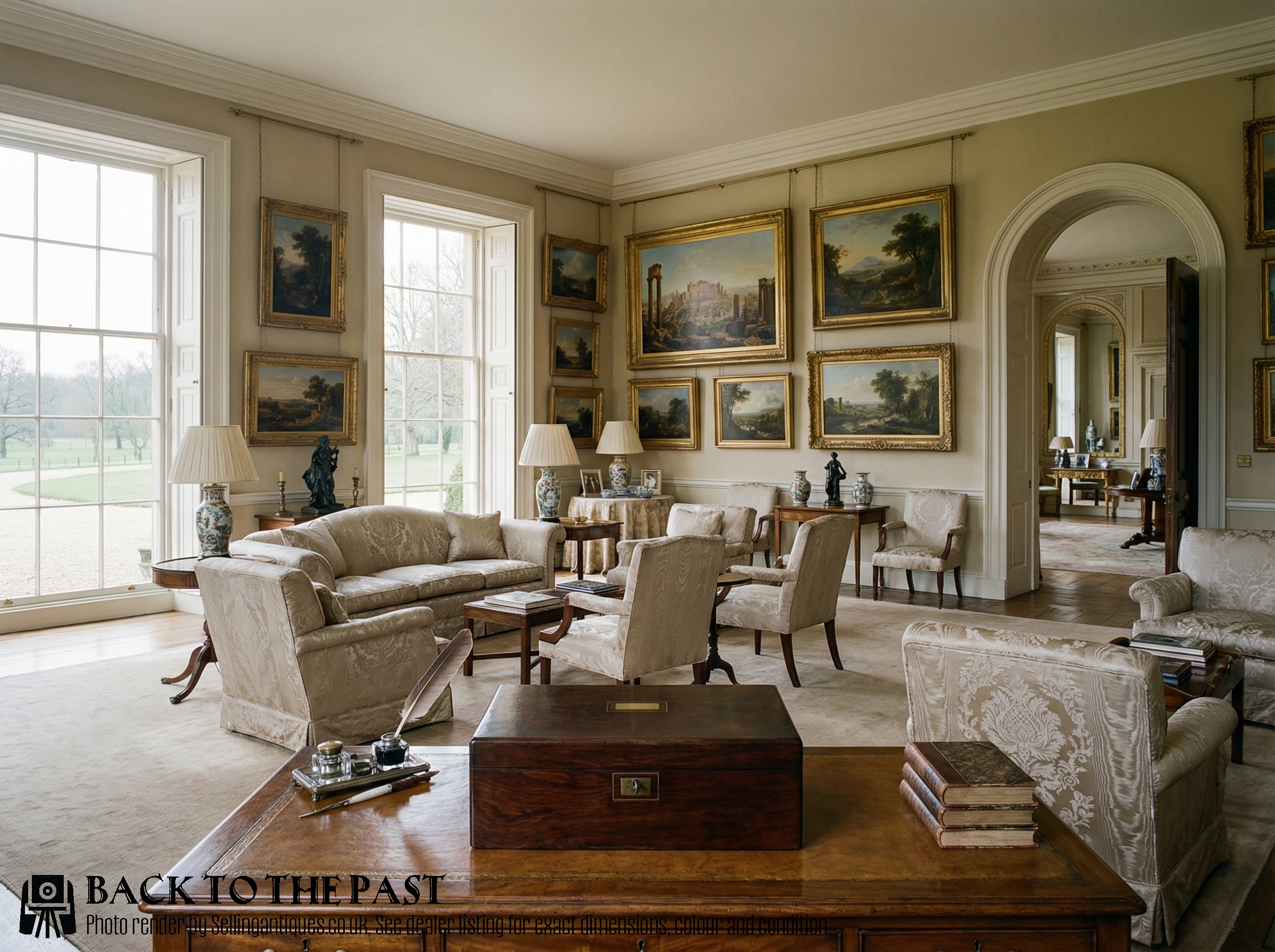
How they were made
Interiors combined fine hardwoods with specialised storage compartments, often incorporating hidden spring-loaded drawers or secret panels beneath the stationery slots. Inlaid details utilised contrasting materials such as boxwood, bone, mother-of-pearl, and occasional panels of tortoiseshell or metal.
The slope interiors relied on hinged folding writing surfaces that doubled as lids for shallow storage compartments beneath. Lock mechanisms were countersunk into the timber, requiring working keys to secure the compartments and secret drawers.
Many a nineteenth-century letter was penned on a hidden spring-loaded drawer.
What varies in quality
The distinction between a standard box and a superior example lies in the precision of the brass inlay and the selection of the rosewood timber. Top-tier pieces exhibit perfectly flush brass banding, meticulously fitted secret drawers, and dense, highly figured grain patterns.
Hardware weight and interior sophistication set the better examples apart from plain utility boxes. A well-executed campaign slope includes heavy-gauge brass mounts, robust locking mechanisms, and secondary compartments that operate smoothly without binding.
The Dark Rosewood Lap Desk Glossary
- Writing slope
- A portable box with a hinged, slanted writing surface that opens to reveal storage space for paper and ink. These pieces served as portable desks during travel.
- Campaign box
- A sturdy portable chest fitted with brass corners and flush handles, built for military officers or travellers. They are designed to withstand frequent movement.
- Secret drawers
- Concealed compartments hidden behind false panels or accessed through spring-loaded mechanisms within the box. They provided secure storage for valuables and confidential documents.
- Brass bound
- A method of reinforcing box edges and corners with fitted brass strips and plates to prevent splitting. This construction technique is common on military and travel pieces.
- Document box
- A rigid container designed for storing letters and papers rather than functioning as a sloped writing desk. These boxes often feature rectangular proportions and hinged lids.
Dark Rosewood Lap Desk: Frequently Asked Questions
What is a dark rosewood lap desk used for?
These boxes served as portable writing desks for travellers, officers, and Victorian correspondents who needed a stable surface and organised storage for ink, pens, and paper.
Today, they function as decorative desktop accessories or practical storage for letters, stationery, and small personal items.
How do I tell a Regency slope from a Victorian one?
Regency pieces often display restrained brass banding and architectural proportions associated with the early nineteenth century, typically dating around eighteen twenty to eighteen thirty.
Victorian examples frequently incorporate more elaborate inlay work, such as mother-of-pearl or boxwood, reflecting mid-nineteenth-century decorative preferences.
What are secret drawers in a writing box?
Secret drawers are concealed compartments hidden behind sliding panels or beneath stationery dividers, designed to keep sensitive documents and valuables secure.
Owners accessed them by lifting false bottoms or releasing hidden spring catches built into the interior woodwork.
Are these boxes suitable for daily use?
Many nineteenth-century writing slopes remain structurally sound and retain working locks and keys for everyday desktop storage.
Careful placement away from direct heat sources protects the rosewood timber and prevents warping of the folding writing surfaces.