


Dark Rosewood Cabinet
These dark rosewood cabinet pieces offer rich timber tones and refined storage that elevate any period interior.
What these dark rosewood cabinet examples represent
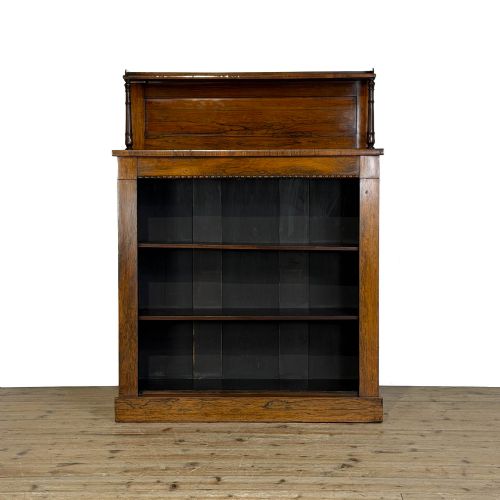
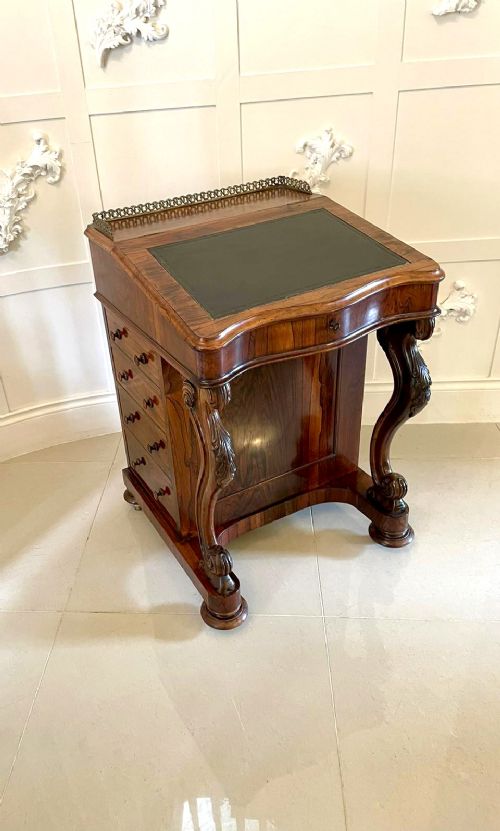
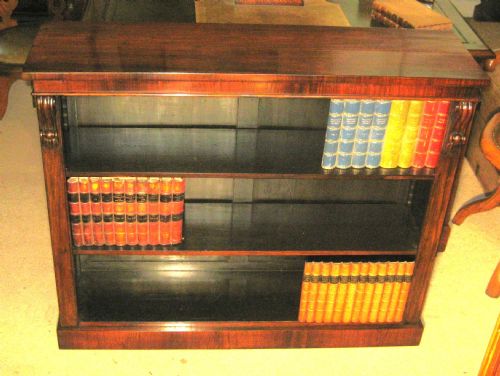
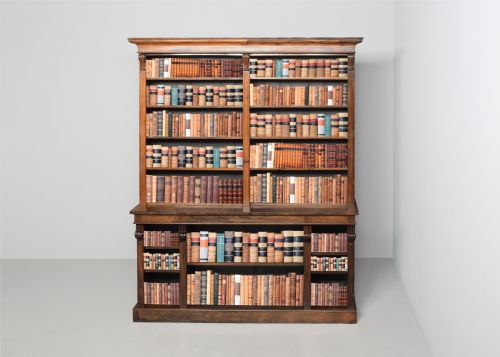
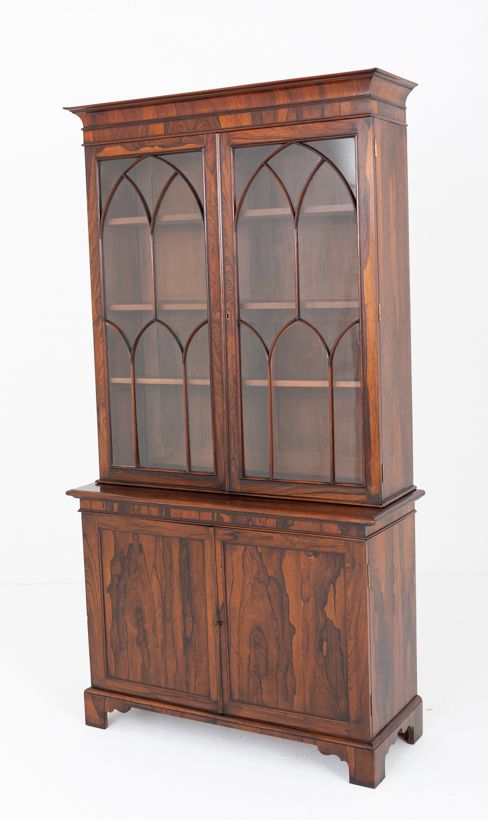
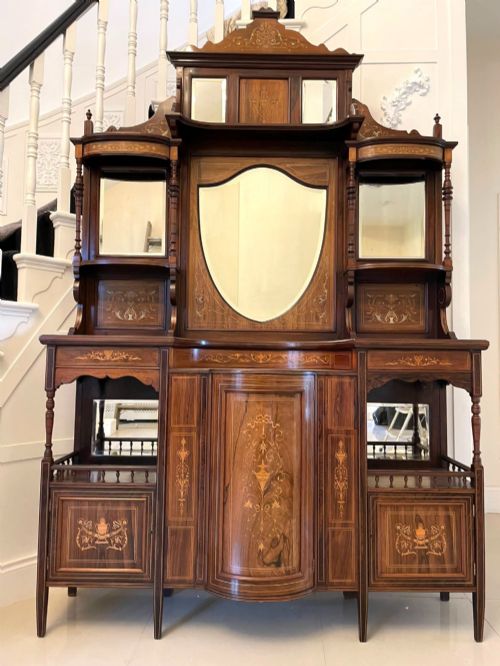
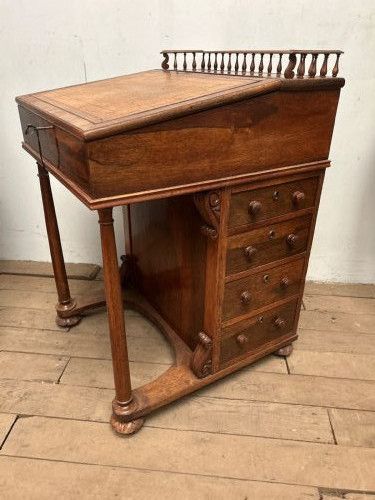
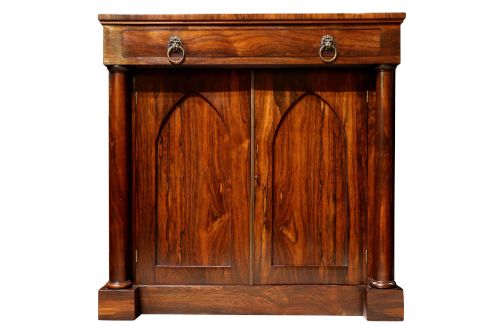
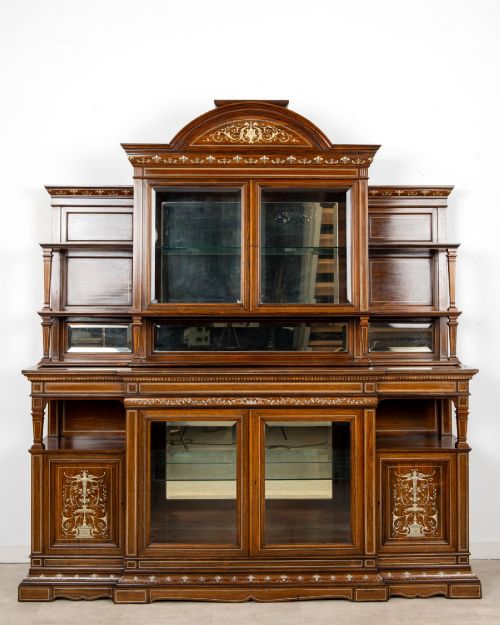
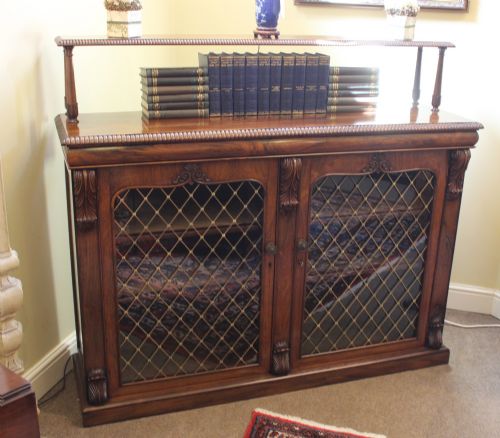
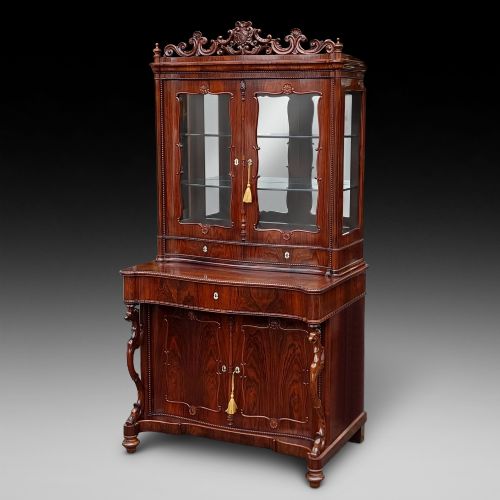
A dark rosewood cabinet spans several distinct eras and forms, ranging from early nineteenth century Regency models to later nineteenth century iterations. Buyers browsing this selection encounter side cabinets, bookcases, chiffoniers, and display cabinets created in various regional traditions.
The assortment on this page most frequently includes nineteenth century pieces, featuring notable styles such as Victorian, Regency, William IV, and Qing Dynasty. Each form serves a specific functional purpose, from glass-fronted bookcases to marble-topped chiffoniers designed for formal reception rooms.
Construction and materials
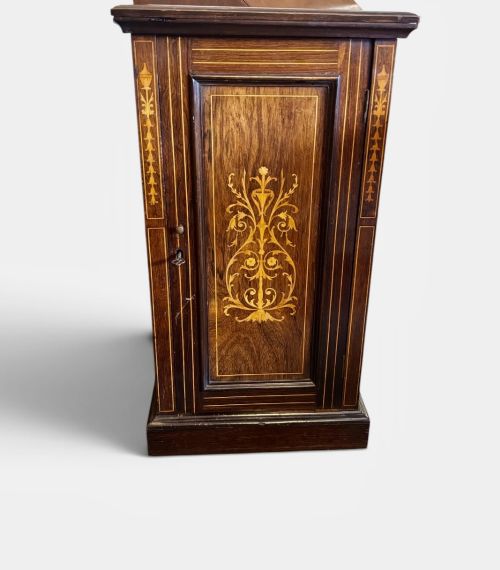
Construction relies heavily upon dense rosewood and hardwood foundations, often enhanced by detailed carving or smooth polished finishes. Many examples incorporate contrasting or supporting elements such as brass, gilt wood, and mirror glass.
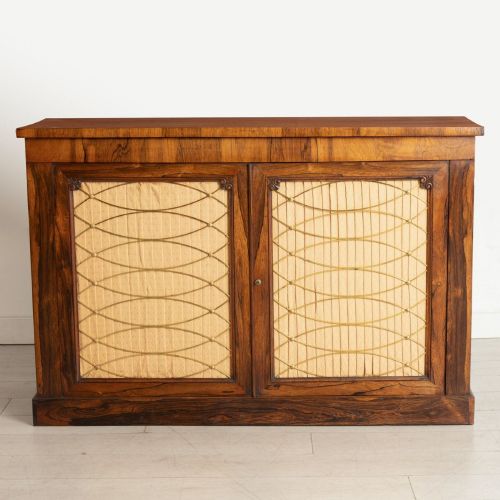
Surface treatments frequently integrate white or coloured marble tops on specific side cabinets and chiffoniers, whilst other variations utilise glass panels within doors for display purposes, occasionally backed by fabric.
Retail Price Guide 2026
Typical UK retail prices for dark rosewood cabinet, calculated from the Sellingantiques database of over a million retail prices indexed since 2003. This retail price guide relies exclusively on Sellingantiques data; no external sources or auction records are used, so the figures do not describe the wider market.
Some dwarf side-cabinets feature shelves so intricately staggered that even the most determined Victorian knick-knack struggled to find a flat spot.
Distinctions in craftsmanship and design
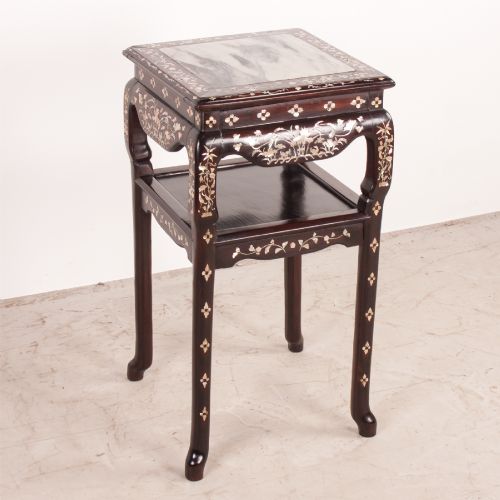
Superior examples display an exceptional standard of timber selection, showcasing deep grain patterns alongside precise joinery and structural integrity. The presence of profusely carved detail, particularly on Chinese Qing Dynasty dwarf side-cabinets, demonstrates a higher tier of artisan skill.
Integration of secondary materials dictates another layer of distinction, where fitted marble tops, original brass mounts, and intact mirror glass elevate the overall refinement of the piece compared to plainer counterparts.
The Dark Rosewood Cabinet Glossary
- Chiffonier
- A low sideboard or cabinet featuring shelves and enclosed cupboards beneath, popular during the nineteenth century for storing dining silver or linen.
- Secretaire
- A cabinet incorporating a pull-down writing drawer that conceals a fitted interior of small drawers and pigeonholes.
- Pier cabinet
- A low freestanding cabinet designed specifically to fit into the wall space between windows, frequently fitted with glass doors and mirror glass backs.
- Shodana
- A traditional Japanese or Chinese multi-shelf display cabinet with asymmetrical compartments for exhibiting small decorative objects.
Frequently Asked Questions
What is a dark rosewood cabinet?
A dark rosewood cabinet is a piece of antique furniture constructed from dense tropical timber, encompassing forms like chiffoniers, bookcases, and side cabinets.
These pieces were typically used in principal rooms of grand houses to store books, display porcelain, or serve as sideboards during formal dining.
How do I date a rosewood cabinet?
Dating relies on identifying stylistic markers associated with periods such as Regency, William IV, Victorian, or the Qing Dynasty, alongside construction techniques.
Examining secondary materials like marble tops, brass mounts, and interior fabric also helps place a piece within the nineteenth century.
Where should I place a chiffonier?
A chiffonier works effectively in a dining room or drawing room against a main wall, echoing its original placement in nineteenth century homes.
The flat top surface, often made of marble, provides a suitable stage for lamps, candlesticks, or decorative vessels.
How do I care for rosewood?
Rosewood requires stable indoor humidity and protection from direct sunlight to prevent the dense hardwood from drying out or fading over time.
Periodic dusting with a soft, dry cloth maintains the polished sheen without needing heavy commercial waxes or oils.