





Dark Patina Bronze Figure
A dark patina bronze figure brings sculptural depth and tactile weight to a room, cast in bronze and finished with rich, dark surfaces.
Dark Patina Bronze Figure
When you search for a dark patina bronze figure, you encounter sculptural works cast from bronze and finished with deep surface patination. These sculptures range from small desk ornaments and paperweights to large decorative statues.
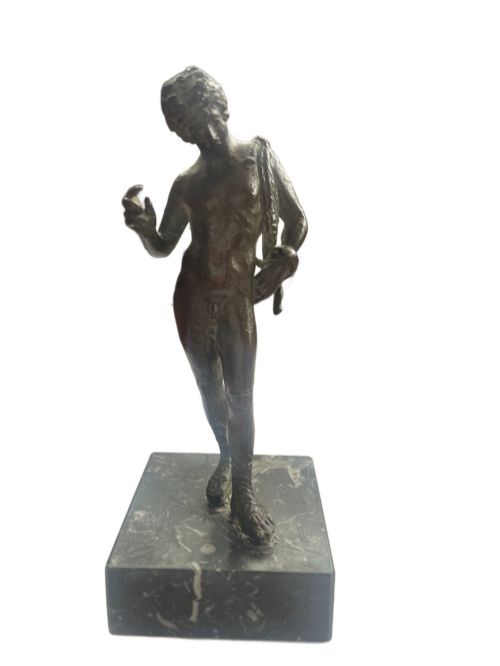
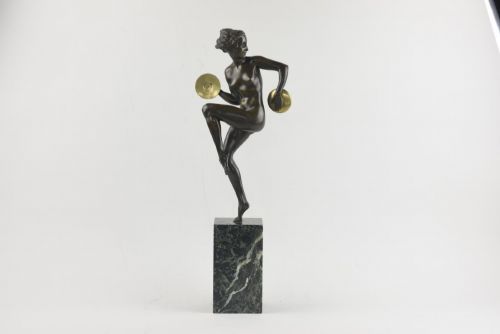
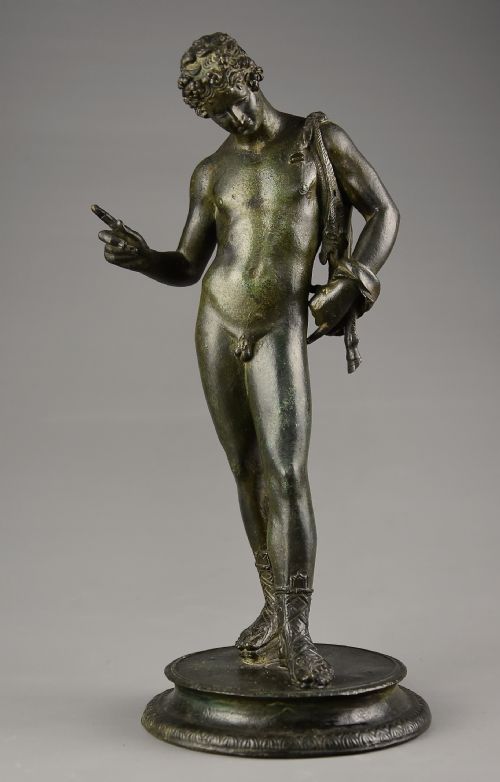
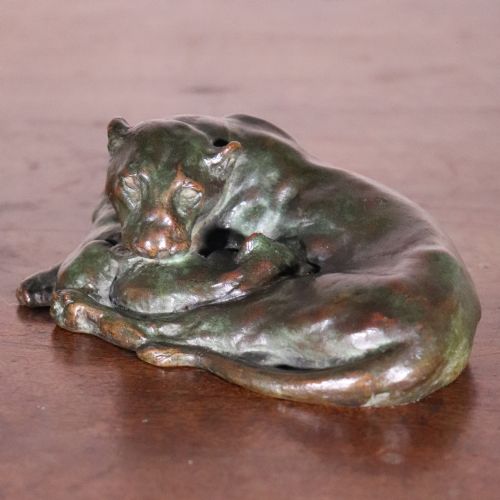
The pieces on this page span several distinct traditions, including Neoclassical Grand Tour subjects, French Animalier studies of dogs and wild cats, Art Deco dancers, and Asian temple bronzes. You will frequently find figures mounted on marble or fossil marble bases.
Origins stretch across Europe and Asia, taking in French foundries, Italian workshops, Japanese casting traditions, and Javanese temple art. Each piece reflects the sculptural ambitions of its specific period, from the nineteenth century down to the later twentieth century.
How they were made
Many European and Asian sculptures are paired with heavy stone plinths, utilising polished marble or fossil marble bases to support the bronze weight. Signatures and foundry marks are frequently chiselled or cast directly into the metal surface.
Keep a watchful eye out for small bronze dogs that double as heavy paperweights on Victorian desks.
What varies in quality
The quality of the mount and the integrity of the base also influence the piece, especially where marble or fossil marble supports are integrated into the design. Foundry signatures and artist inscriptions add notable provenance when clearly struck into the metal.
Pierre Jules Mene·Emmanuel Villanis·Isidore Bonheur·A L Barye·Barbedienne
The Dark Patina Bronze Figure Glossary
- Patina
- The surface coloration and finish developed on bronze through age or chemical treatment. Dark patination enhances the contours of a figure by accentuating shadow and depth.
- Animalier
- A nineteenth-century artistic style focusing on the realistic depiction of animals, particularly dogs, big cats, and birds. French Animalier sculptors mastered the accurate anatomy of moving beasts.
- Grand Tour
- Cultural travel souvenirs collected by Europeans and Americans during the eighteenth and nineteenth centuries. These bronze figures typically reproduce classical antiquities such as Narcissus or Crouching Venus.
- Okimono
- A Japanese decorative sculpture designed for display on a shelf or in a tokonoma alcove. These figures often depict mythical creatures, dragons, or figures from nature.
- Hot cast
- A traditional foundry method where molten bronze is poured into a mould. This technique ensures high fidelity to the original model and allows for precise patination.
Dark Patina Bronze Figure: Frequently Asked Questions
How do I clean a dark patina bronze figure?
Dust the surface gently with a soft, dry brush to remove particles without disturbing the underlying chemical finish. Avoid using water, detergents, or abrasive polishes that can strip away the historical patination.
Apply a very light microcrystalline wax if the metal requires protection against atmospheric moisture. Buff the wax off completely with a clean cloth to maintain a stable, matte appearance.
What is a Grand Tour bronze?
Grand Tour bronzes are small-scale reproductions of classical sculptures collected by travellers touring European cultural centres in the nineteenth century. They served as scholarly keepsakes and refined decorative ornaments.
Subjects frequently include mythological figures like Narcissus or classical deities mounted on marble bases. Their dark patination mimics the aged appearance of excavated antiquities.
How can I tell if a bronze is hot cast?
Hot cast bronzes display sharp, well-defined details in the casting and possess a satisfying weight relative to their size. Examination of the underside often reveals casting seams or threaded bolts securing the figure to its base.
Signatures and foundry stamps on hot cast pieces are crisp rather than blurred. The metal itself feels cool to the touch and rings slightly when gently tapped.
Where should I place a bronze figure at home?
Position your sculpture on a stable surface away from direct sunlight and excessive humidity to protect the metal and any stone base. Desks, bookcases, and side tables allow the tactile qualities and dark patination to be appreciated at close range.
Ensure heavy pieces on marble bases rest on sturdy furniture capable of supporting concentrated weight. Keep the sculpture clear of heating vents to prevent thermal stress on the bronze and its mount.