






Dark Oak Vanity Table
These dark oak vanity table pieces are sturdy wooden furnishings designed for grooming and writing, offering practical surfaces and period character.
Dark Oak Vanity Table
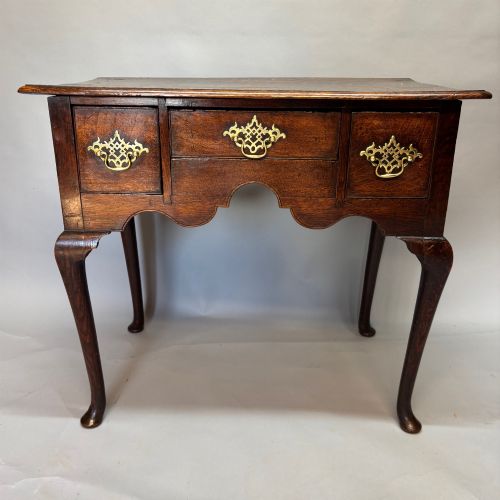
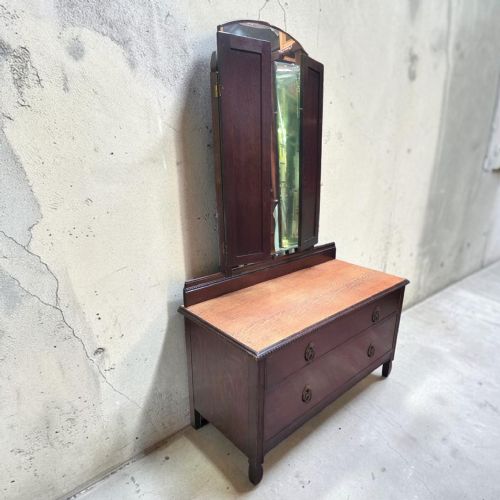
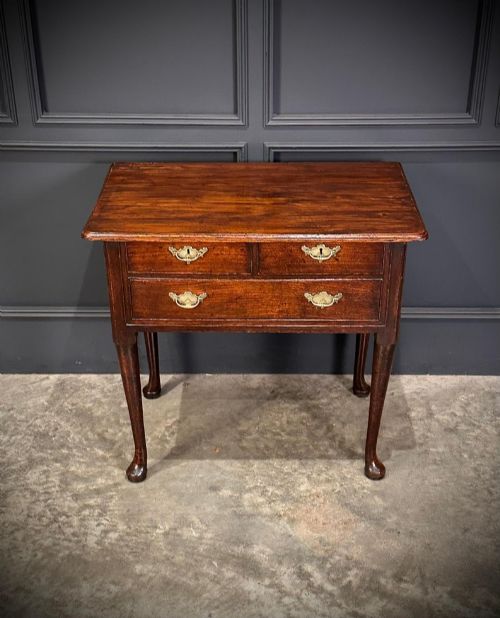
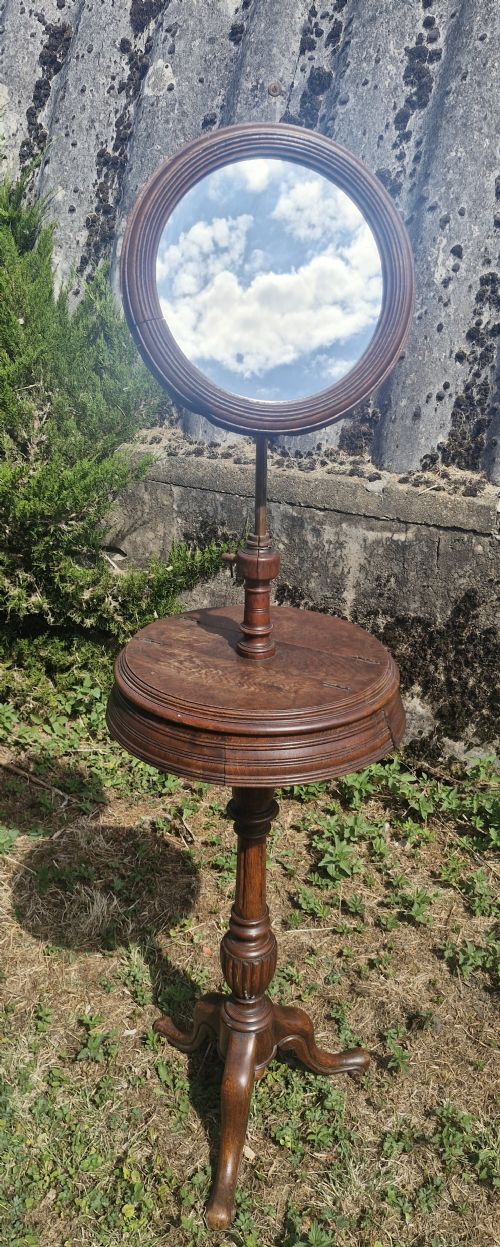
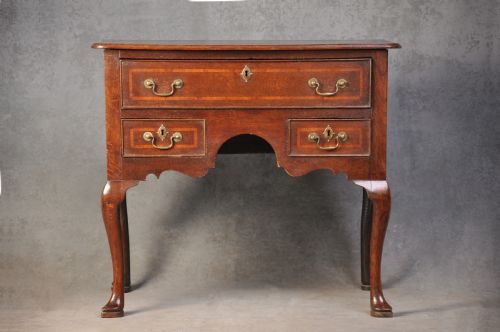
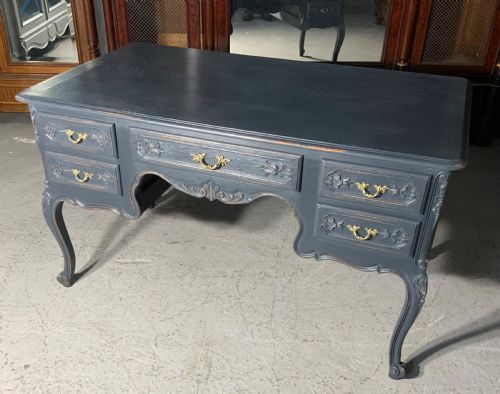
When you search for a dark oak vanity table, you encounter lowboys, dressing chests, shaving stands, and swing mirrors spanning the eighteenth century to the 1930s. The lowboy serves as the most frequent form representing this group, functioning historically as a small dressing table or writing desk.
Makers produced these pieces across Georgian, Victorian, Edwardian, and Art Deco periods, utilising durable timbers. You find simple eighteenth-century proportions alongside revival styles like Jacobean, Tudor, and Queen Anne.
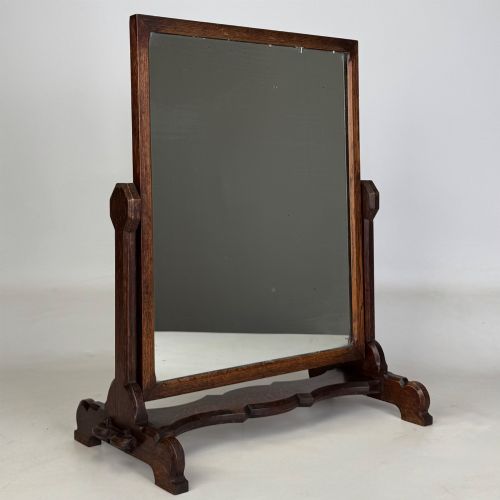
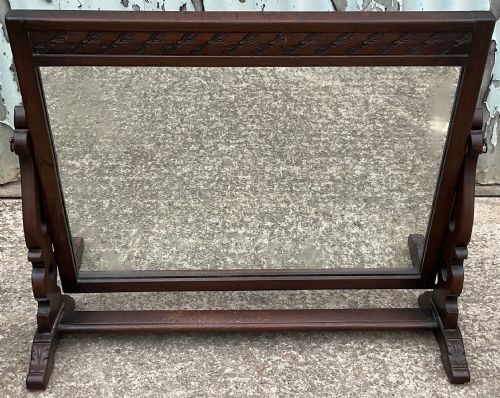
The inventory includes dedicated dressing tables with triple or oval mirrors, alongside compact side tables and adjustable toilet mirrors. Each variation provides a distinct surface arrangement for personal use within a bedroom or dressing room.
How they were made
Carpenters constructed these items primarily from solid oak, sometimes pairing the timber with brass handles, glass mirror plates, and occasional fabric or paint finishes. Construction methods rely on traditional joinery to support the weight of drawers and mirrors.
Surfaces feature hand carving, turned elements like barley twists, and bevel-edge glass on adjustable swing mirrors. The combination of dense wood and metal hardware gives these tables their lasting structural integrity.
Dark Oak Vanity Table Retail Price Guide 2026
Typical asking prices for dark oak vanity table among the pieces listed under this phrase on Sellingantiques today, from the lower quarter to the upper quarter. They describe what is for sale here now, not the wider market.
Materials recorded across the selection include solid oak, brass hardware, bevel-edged glass, and painted finishes.
What varies in quality
Quality in these pieces rests upon the crispness of the timber carving, the originality of the brass fittings, and the clarity of the glass mirror plates. Tables retaining their matching mirrors and integrated drawer structures stand apart from altered examples.
Period execution matters, distinguishing eighteenth-century joined construction from later twentieth-century revival interpretations. The depth of the timber grain and the integrity of the original joints dictate the overall standard of the piece.
The Dark Oak Vanity Table Glossary
- Lowboy
- A small kneehole dressing table or side table featuring drawers, commonly dating from the eighteenth century. This form provides a compact surface with cabriole or straight legs.
- Shaving stand
- A specialist tall or adjustable table designed for morning grooming, often incorporating pivoting mirrors and small platforms. These pieces reflect the functional requirements of Victorian personal care.
- Toilet mirror
- A tabletop glass swinging within a frame, typically mounted on small drawer boxes. They sat atop chests or dressing tables to assist with reflection.
- Barley twist
- A carved wooden furniture leg resembling a spiral rope. This decorative turning appears frequently on early twentieth-century revival pieces.
- Bevel edge
- A glass mirror plate featuring an angled, polished perimeter. This technique adds depth and refinement to Victorian and Edwardian looking glasses.
Dark Oak Vanity Table: Frequently Asked Questions
What is an oak lowboy used for?
An oak lowboy functions as a compact dressing table, side table, or writing desk with integrated drawers.
Historically, owners placed these low tables in bedrooms or parlours for personal grooming and letter writing.
How do I identify an 18th century lowboy?
Eighteenth-century lowboys display period joinery, pegged drawer construction, and proportions typical of Georgian cabinet making.
They often feature unpretentious oak boards with patinated surfaces built up over generations of use.
Are dressing chest mirrors adjustable?
Many dressing chest and toilet mirrors utilise pivot pins or brass brackets to tilt the glass plate.
This adjustability allowed users to alter the angle for grooming from various seating heights.
What styles influence these oak tables?
These tables draw upon Georgian, Queen Anne, Arts and Crafts, and Jacobean Revival design aesthetics.
Maker interpretations span from simple eighteenth-century vernacular forms to heavily carved twentieth-century revival pieces.