



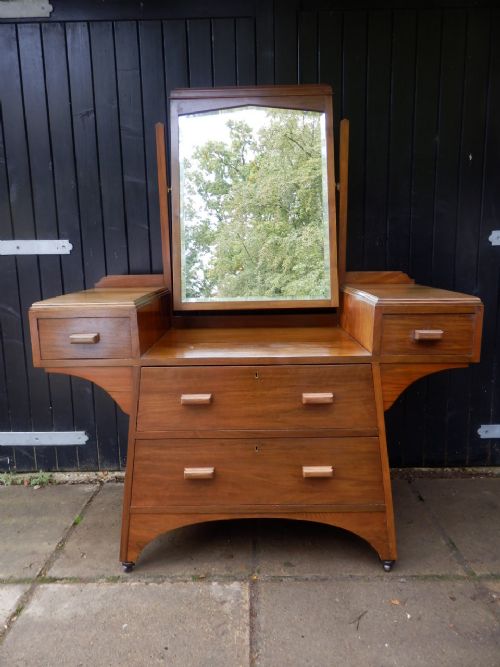


Art Deco Dressing Chest
An art deco dressing chest brings unmistakable geometric lines and rich grain to the bedroom, offering generous storage paired with original mirrors.
Art Deco Dressing Chest
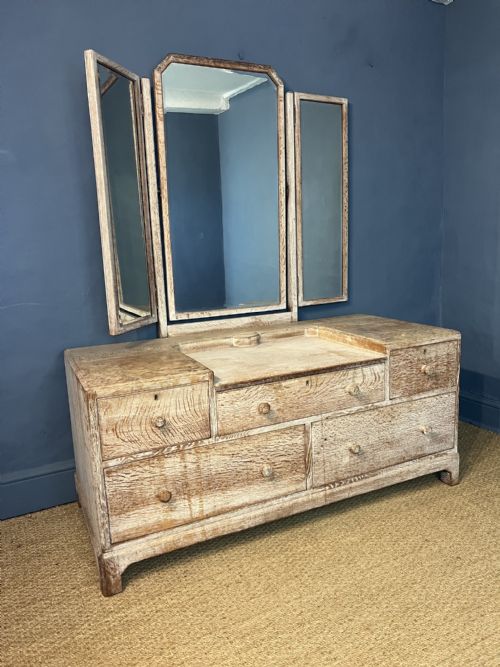
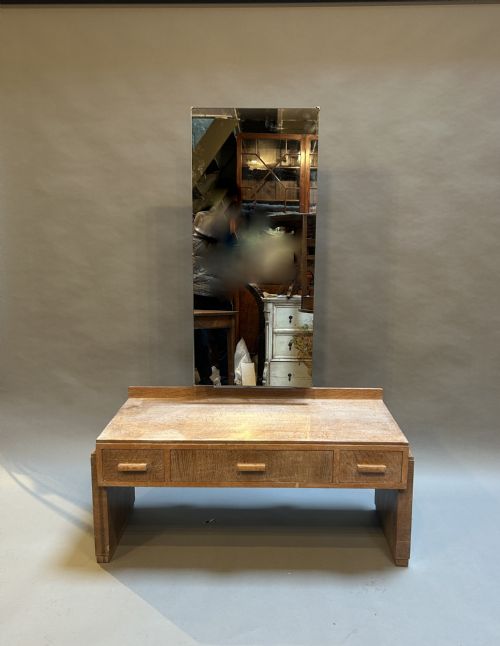
An art deco dressing chest provides low, horizontal lines and functional drawer configurations designed for bedroom storage and grooming. Pieces appear predominantly from the 1920 and 1930 periods, incorporating integral mirrors and pedestal designs.
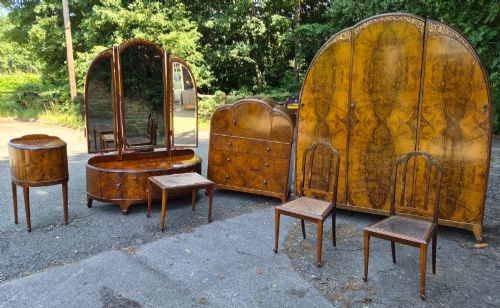
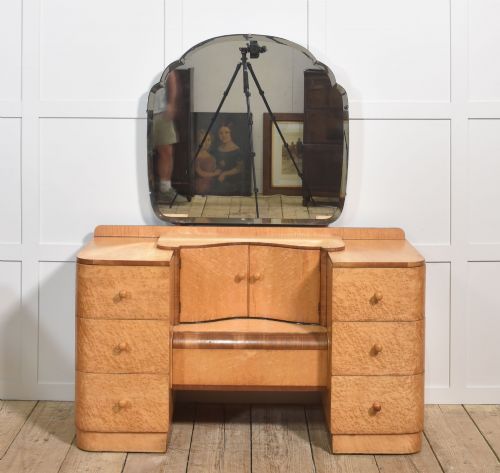
Buyers encounter single and twin pedestal formats, alongside diminutive proportions suited to compact spaces. Oak, walnut, and burr walnut dominate the forms, frequently accompanied by matching bedroom suites or standalone vanity tables.
Materials and construction
Cabinet makers utilised figured veneers such as burr walnut and plain timbers including oak and maple over solid carcases. Marquetry details and contrasting leather accents appear on select surfaces to accentuate the geometric aesthetic.
Original mirrors form an integral part of the construction, often shaped in semicircular or stepped profiles above the chest. Metal handles and brass fittings complete the structural assembly, remaining true to the period style.
Art Deco Dressing Chest Retail Price Guide 2026
Typical asking prices for art deco dressing chest among the pieces listed under this phrase on Sellingantiques today, from the lower quarter to the upper quarter. They describe what is for sale here now, not the wider market.
Judging quality and proportion
Superior examples rely on the selection and matching of wood veneers across drawer fronts, where figured burr walnut displays symmetrical grain patterns. Finer pieces maintain balanced proportions and retain their original mirror glass without spotting.
Attribution to known makers or documented workshops elevates a piece above standard production items. The integration of marquetry or specialised leather inserts further distinguishes higher grade chests from simpler counterparts.
Frank Taylor And Co·Heals·Maurice Adams·Gaylayde B Cohen And Sons·Wylie And Lochhead Glasgow·James William Benson
The Art Deco Dressing Chest Glossary
- Burr walnut
- A figured timber obtained from walnut tree growths, valued for its swirling, decorative grain patterns on drawer fronts.
- Pedestal dressing table
- A vanity form featuring banks of drawers on one or both sides supporting a central kneehole and mirror.
- Limed oak
- A finish applied to oak timber using a white pigment to highlight the open grain structure.
- Marquetry
- The art of applying thin decorative pieces of wood veneer to a structure to form geometric or pictorial designs.
- Twin pedestal
- A symmetrical furniture layout with two flanking columns of drawers connected by a central surface or recess.
Art Deco Dressing Chest: Frequently Asked Questions
How do I date an art deco dressing chest?
Pieces generally date from the 1920 and 1930 periods, showing stylistic cues like stepped mirror surrounds and modernist geometric drawer arrangements.
Construction methods, handles, and timber choices also help differentiate earlier 1920s designs from later 1930s modernist interpretations.
Are mirrors always original to the chest?
Most surviving chests retain their original mirror glass, often secured by matching wooden brackets or metal mounts.
Inspect the edges of the glass for foxing or silver loss, which naturally occurs with age on period mirrors.
What is the difference between oak and walnut versions?
Walnut and burr walnut pieces offer rich, figured brown tones with high-gloss or polished finishes typical of luxury art deco interiors.
Oak versions, including limed variations, present a lighter, more textured grain that fits domestic Arts and Crafts crossover aesthetics.
Do these chests come as part of suites?
Surviving records show dressing chests frequently formed part of larger bedroom suites that included matching wardrobes and bedside cabinets.
Standalone pieces remain common, often produced by specialist cabinet makers as individual vanity items.