



Full Length Mirror Dressing Table
A full length mirror dressing table unites reflection and surface space, bringing practical utility and period character to a bedroom.
Full Length Mirror Dressing Table
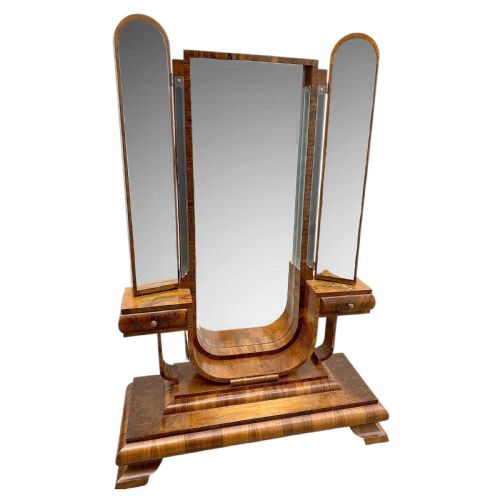
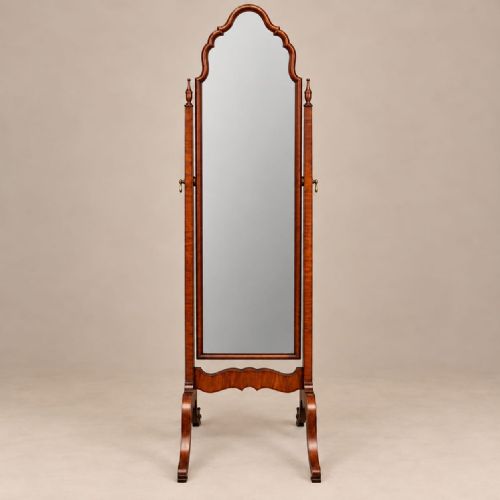
A full length mirror dressing table combines a dressing table with a tall glass panel, allowing a complete view while preparing for the day. These pieces appear in forms such as twin pedestal dressing chests, cheval mirror combinations, and carved oak or mahogany structures.
The examples on this page span the nineteenth century, the nineteen-twenties, and the Victorian era, showing how makers integrated large mirrors into timber furniture. A buyer encounters styles ranging from Victorian and Regency to Louis XV Revival, Swedish Grace, and Art Deco.
Many designs incorporate integrated cheval mirrors or pivoting glass panels set above drawers and pedestals. Materials such as mahogany, oak, satin birch, and pine dominate the selection, often featuring marquetry or satinwood inlay.
How they were made
Cabinet makers constructed these dressing tables using solid timbers such as mahogany, oak, and pine, frequently applying birch veneer and satinwood inlay for decorative contrast. Structural joints relied on traditional woodworking techniques to support the heavy weight of pivoting glass frames.
The mirrors utilise heavy sheet glass secured within adjustable wooden frames supported by brass hardware. Carved details and marquetry inlays appear on select Victorian and nineteen-twenties pieces, demonstrating skilled hand-finishing by period artisans.
Full Length Mirror Dressing Table Retail Price Guide 2026
Typical asking prices for full length mirror dressing table among the pieces listed under this phrase on Sellingantiques today, from the lower quarter to the upper quarter. They describe what is for sale here now, not the wider market.
The listings on this site feature nineteenth-century and nineteen-twenties pieces constructed from mahogany, oak, and satin birch with glass and brass components.
What varies in quality
Quality rests on the selection of timber and the crispness of decorative elements like marquetry inlay and carved oak detailing. Superior examples demonstrate thoughtful proportion between the storage base and the tall mirror frame.
The integrity of the mirror glass and the smoothness of the pivoting mechanism distinguish finer pieces from simpler utilitarian items. The use of premium woods like satin birch or figured mahogany elevates the overall presence of the furniture.
Edwards & Roberts
The Full Length Mirror Dressing Table Glossary
- Cheval mirror
- A tall freestanding or attached mirror mounted on a pivoting frame that allows the glass to tilt. This form enables a person to view their entire outfit.
- Pedestal dressing table
- A dressing table featuring one or two banks of drawers supporting the main writing or grooming surface. This layout provides substantial storage beneath the mirror.
- Marquetry inlay
- Decorative patterns formed by fitting contrasting pieces of wood veneer into a prepared surface. This technique adds pictorial or geometric enrichment to mahogany and satinwood.
- Satin birch
- A timber derived from birch trees, possessing a lustrous, light-reflecting grain often utilised in nineteenth-century cabinet making. It brings a pale, warm tone to dressing furniture.
Full Length Mirror Dressing Table: Frequently Asked Questions
How do I use a full length mirror dressing table?
Position the piece near a natural light source to make best use of the mirror while seated or standing at the table.
Utilise the drawers for storing grooming items and personal accessories while keeping the surface clear.
What materials were used for these dressing tables?
Cabinet makers utilised solid woods like mahogany, oak, and pine, frequently supplemented by birch veneer and satinwood inlay.
Fittings often incorporate brass hardware and heavy glass panels to support the adjustable mirror frames.
Are these dressing tables suitable for modern bedrooms?
These pieces provide substantial storage and functional surface space combined with a tall reflection panel suited to daily routines.
Their varied period styles, from Art Deco to Victorian, allow them to serve as focal points in traditional or eclectic interiors.