




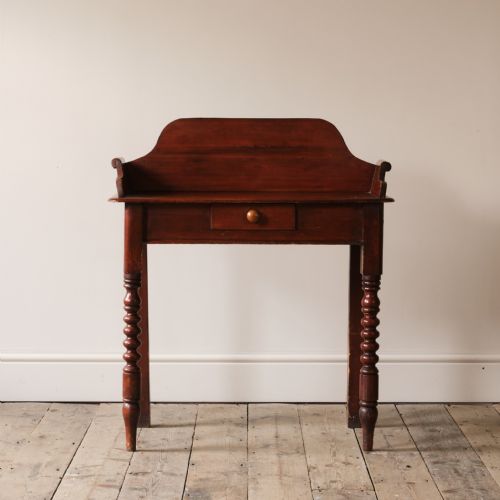

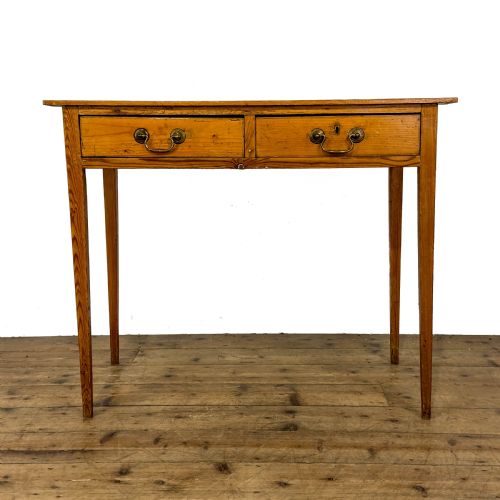


19th Century Pine Dressing Table
A 19th century pine dressing table brings honest utility and warm grain to a bedroom, combining sturdy timber construction with practical drawers and mirrors.
19th Century Pine Dressing Table
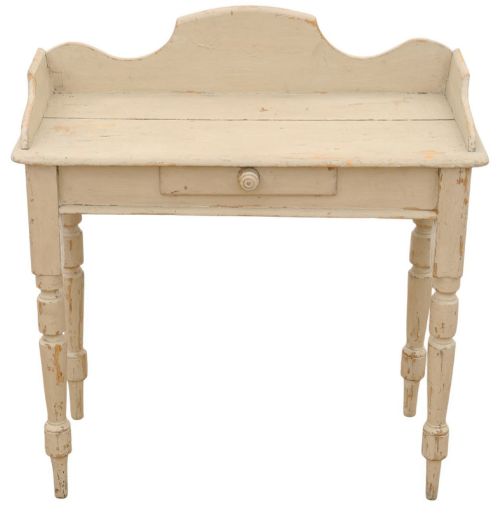
A 19th century pine dressing table represents a practical class of domestic furniture spanning the Georgian, Regency, and Victorian periods. Buyers exploring this category encounter various regional interpretations, from rustic farmhouse washstands to more formal pedestal and faux bamboo variations.
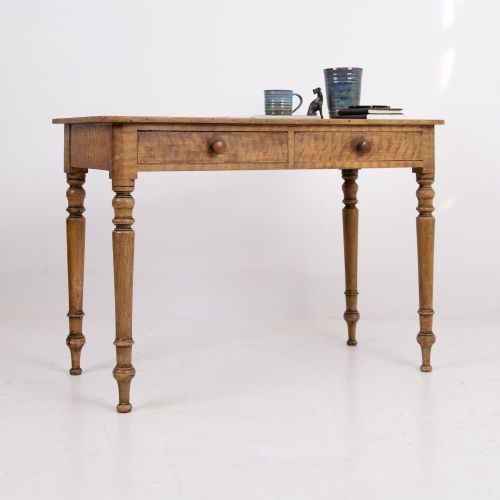
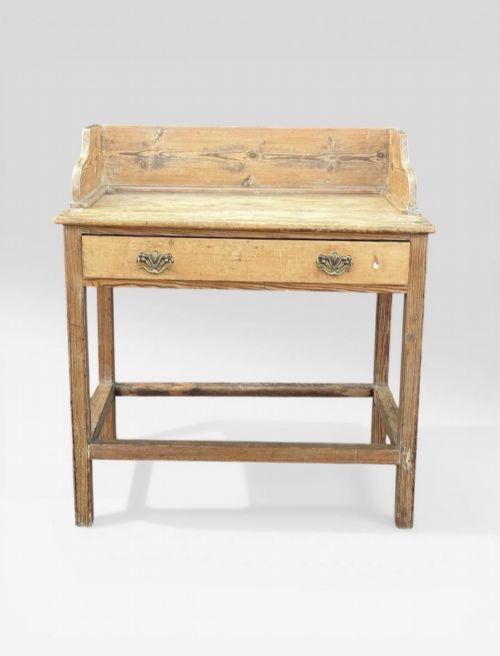
The objects listed display diverse functional forms, including writing tables, console tables, and washstands that double as dressing furniture. Pitch pine and standard pine form the primary structural bodies, occasionally accompanied by ceramic handles, glass mirrors, and marble tops.
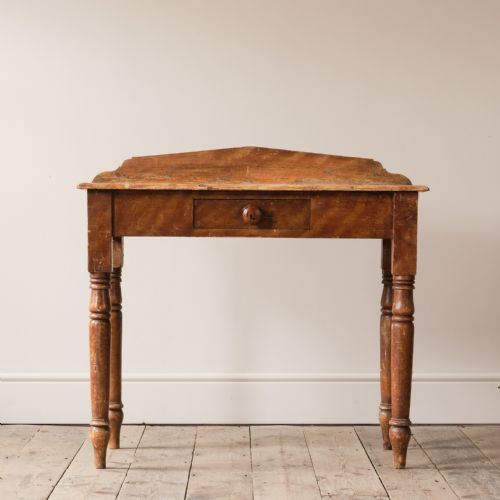
Originating predominantly from English country workshops, these pieces bridge the gap between utilitarian storage and decorative room furniture. Surviving examples often retain traces of original paint finishes, simulated graining, or rich patinated timber surfaces accrued over generations of domestic use.
How they were made
Cabinet makers utilised straight-grained pine and dense pitch pine for structural stability, shaping panels and framing drawers with traditional joinery. Secondary materials such as brass for hardware, ceramic for pull inserts, and occasional marble slabs for washstand tops provided functional contrast.
Surface treatments ranged from clear protective waxes to applied coats of paint and simulated graining, which replicated more expensive hardwoods. Artisans incorporated turned legs, bowfront facades, and integrated swing mirrors depending on the prevailing stylistic demands of the nineteenth century.
19th Century Pine Dressing Table Retail Price Guide 2026
Typical asking prices for 19th century pine dressing table among the pieces listed under this phrase on Sellingantiques today, from the lower quarter to the upper quarter. They describe what is for sale here now, not the wider market.
Object variations include washstands, writing tables, and pedestal dressing tables equipped with original drawers and mirrors.
What varies in quality
Quality rests upon the selection of timber grades, with dense pitch pine and well-figured standard pine commanding greater appreciation than utility-grade softwoods. The integrity of the original construction, including tight dovetail joints in the drawers and stable leg framing, distinguishes superior items.
The preservation of original surface finishes, whether period paintwork, simulated grain, or untouched patinated timber, elevates a piece significantly. Finer examples retain their original brass or ceramic hardware and matching swing mirrors rather than relying on modern replacements.
The 19th Century Pine Dressing Table Glossary
- Pitch pine
- A resinous North American and European pine species valued for its pronounced grain pattern and robust durability. It was frequently utilised for heavier domestic furniture during the later nineteenth century.
- Washstand
- A functional piece designed to hold a basin and jug, often adapted or grouped alongside dressing tables due to their shared height and drawer configurations. Many feature raised backs or marble surfaces to protect walls from splashes.
- Faux bamboo
- A decorative technique where pine or other softwoods are carved and painted to imitate the segmented joints of natural bamboo. This style gained popularity during the late nineteenth century under aesthetic and orientalist influences.
- Simulated pine
- A surface finishing method where common timber is painted to resemble a superior wood grain such as oak or mahogany. It allowed modest households to emulate fashionable high-status furniture.
- Pedestal dressing table
- A form featuring banks of drawers supporting the main writing or mirror surface on either side. This layout provided substantial storage capacity within bedrooms.
- Bowfront
- A convex curved cabinet front that projects outward in a smooth arc. This profile softens the rectangular lines typical of utilitarian country pine pieces.
19th Century Pine Dressing Table: Frequently Asked Questions
What is a 19th century pine dressing table?
These are wooden domestic tables produced during the eighteen hundreds, primarily designed for personal grooming and storage within bedrooms. They incorporate drawers for toiletries and frequently accommodate mirrors or wash basin inserts.
Constructed mainly from pine or pitch pine, they range from simple rustic farmhouse pieces to more elaborate Victorian Gothic and Arts and Crafts examples.
How do I identify the period?
Dating relies upon observing construction methods, hardware types, and stylistic indicators such as turned legs or decorative brackets. Georgian and early Regency pieces often display cleaner, restrained lines, whereas Victorian items frequently introduce heavier proportions or applied detailing.
Examining the drawer construction, timber ageing, and fastener types helps narrow the decade of manufacture within the nineteenth century.
Were these painted originally?
Many nineteenth century pine pieces received protective or decorative coats of paint, including simulated graining to mimic costlier hardwoods. Surviving original paintwork offers significant historical insight into period interior decoration.
Plain timber versions relied on wax finishes to nourish the grain, though subsequent generations often stripped or repainted them according to changing tastes.
How do I care for antique pine furniture?
Maintain pine furniture by placing it away from direct heat sources and dramatic humidity fluctuations, which cause timber to warp or split. Regular application of suitable wax helps preserve the surface sheen and protect the wood.
Avoid excessive moisture on unsealed pine surfaces, using coasters or protective pads beneath any jugs or wash items.