



Victorian Pine Vanity
These robust pieces of victorian pine vanity furniture offer practical bedroom charm and honest timber construction.
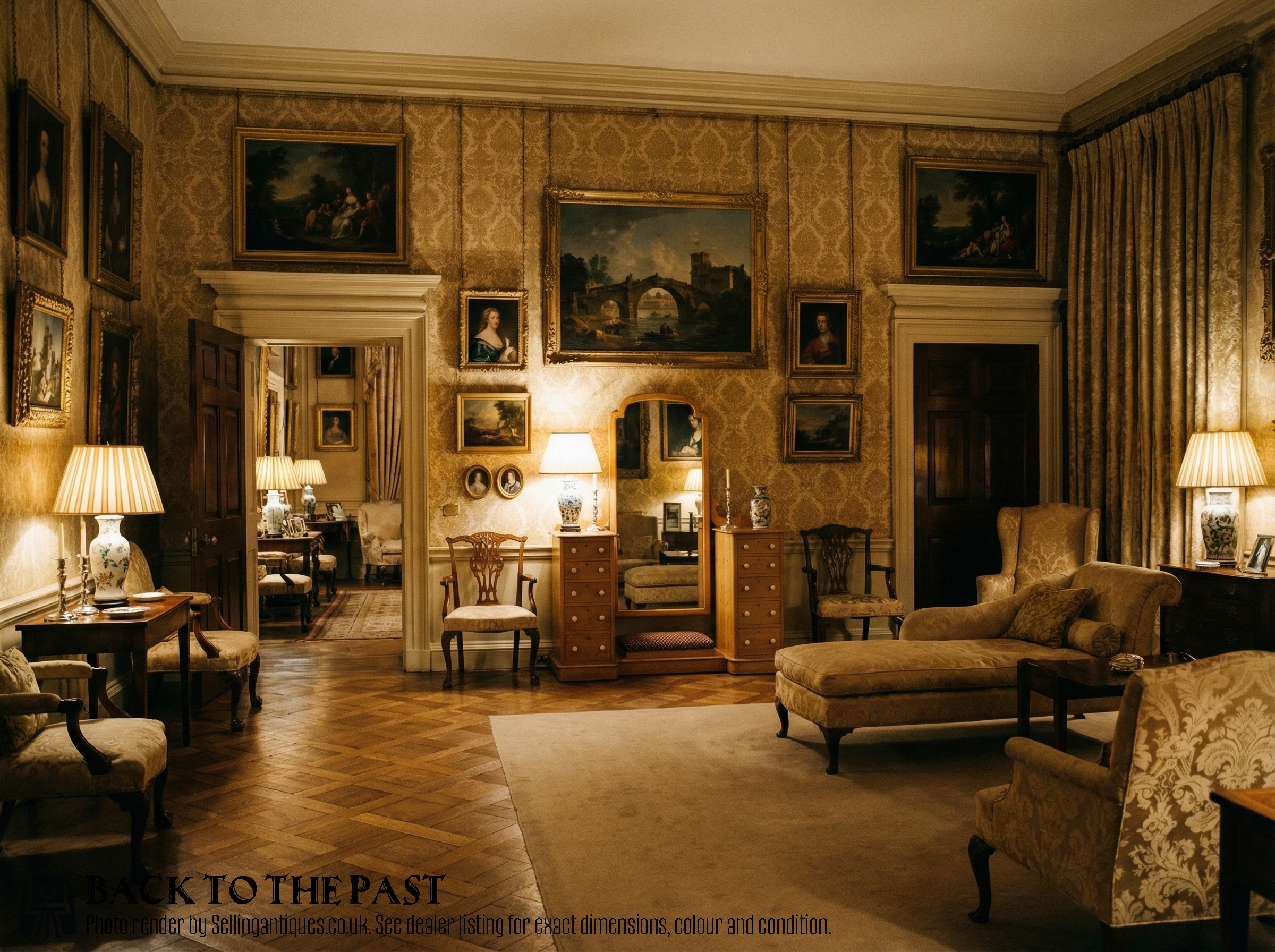
Victorian Pine Vanity
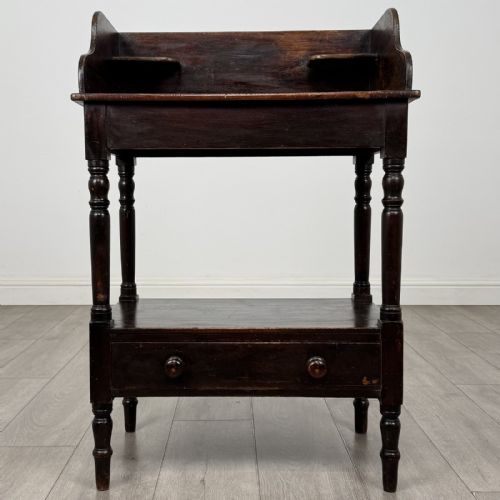
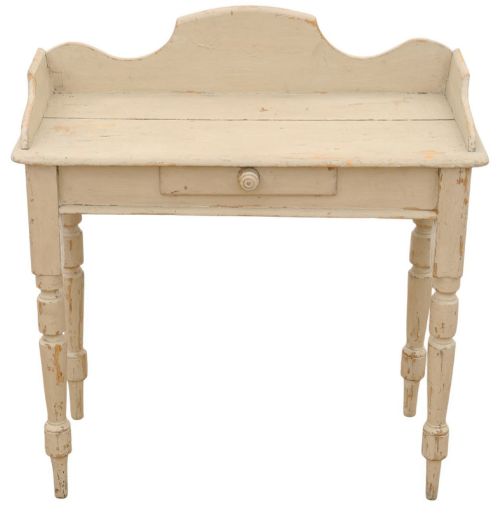
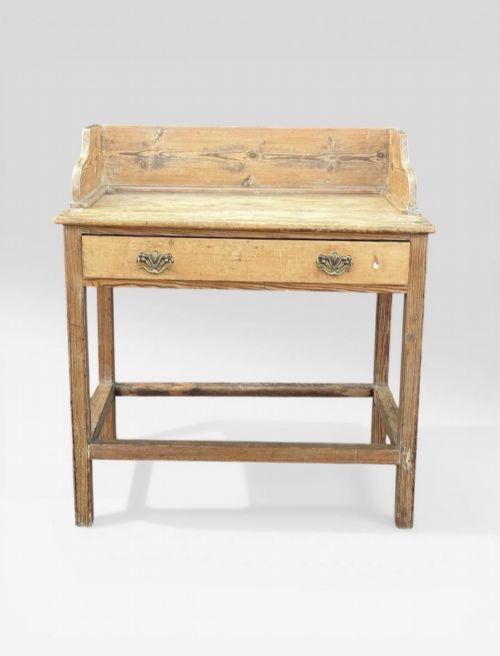
A victorian pine vanity encompasses practical bedroom furniture designed for personal grooming and washing, frequently appearing as dressing tables, washstands, and dressing chests. Most examples date from the nineteenth century into the Edwardian era, reflecting domestic utility of the period.
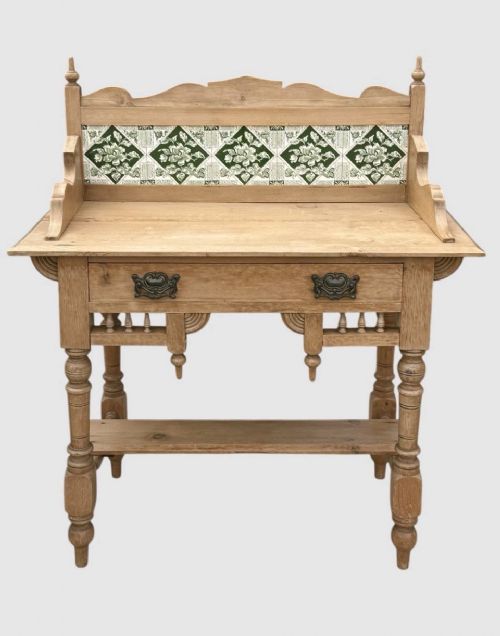
Buyers encounter various functional forms including kneehole pedestal tables, drop-leaf side tables, and washstands equipped with tile gallery backs or basins. The timber construction ranges from straightforward deal to pitch pine, often enhanced with painted or scumble glazed finishes.
How they were made
Joiners built these items primarily from solid pine and pitch pine, selecting timber for its utility and grain. Construction methods relied on traditional drawer joinery and stable framing to withstand daily bedroom use.
Surfaces received various treatments depending on the intended aesthetic, from plain scrubbed wood to painted schemes, stencilled decoration, and scumble glazing that imitated finer hardwoods. Metal brass hardware and ceramic elements completed the functional design.
Victorian Pine Vanity Retail Price Guide 2026
Typical asking prices for victorian pine vanity among the pieces listed under this phrase on Sellingantiques today, from the lower quarter to the upper quarter. They describe what is for sale here now, not the wider market.
Several washstands arrive with tile gallery backs, proving that nineteenth-century splash prevention could double as domestic art.
What varies in quality
The standard of a victorian pine vanity rests upon the preservation of its original surface treatment, whether stencilled decoration, scumble glaze, or early paint. Pieces retaining their uncompromised finish demonstrate superior historical integrity.
Construction depth and detailing also distinguish better examples, such as intact tile gallery backs on washstands or well-executed pedestal and kneehole configurations. Timber selection plays a role, with dense pitch pine offering greater robustness than standard deal.
The Victorian Pine Vanity Glossary
- Pitch pine
- A dense, resinous variety of pine timber noted for its prominent grain pattern and durability, frequently utilised in nineteenth-century furniture.
- Scumble glaze
- A decorative translucent paint technique applied over a base coat to simulate the rich graining of expensive timbers like oak or mahogany.
- Washstand
- A piece of bedroom furniture designed to hold a wash basin and jug, often featuring a protective tile or marble splashback.
- Kneehole
- A configuration of desk or dressing table featuring a central recess for the legs flanked by banks of drawers.
Victorian Pine Vanity: Frequently Asked Questions
How do I care for a painted pine vanity?
Maintain the surface by dusting with a soft cloth and avoiding harsh chemical cleaners that might strip historic paint or scumble glazes.
Keep the timber away from direct heat sources and excessive moisture to prevent warping and finish degradation.
Were these pieces originally painted?
Many nineteenth-century items received painted or scumble glazed finishes to elevate their appearance or match room schemes. Plain timber surfaces were equally common depending on the domestic setting.
Original paint layers provide significant character and historical value to the piece.
Can I use a historic washstand today?
These washstands adapt well to modern bathrooms or bedrooms as quirky basin stands or general storage units. Their durable timber build handles contemporary domestic life comfortably.
Some owners utilise smaller variants as nursery changing tables due to their convenient proportions.
What is the difference between a dressing chest and a dressing table?
A dressing chest typically incorporates substantial drawer storage beneath the mirror or top surface, combining the functions of a chest of drawers and a vanity. Dressing tables tend to feature lighter frames with kneehole recesses or drop leaves.
Both forms served identical grooming purposes in Victorian and Edwardian bedrooms.