
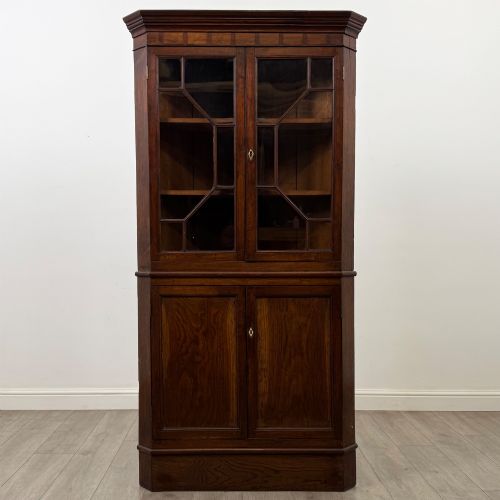
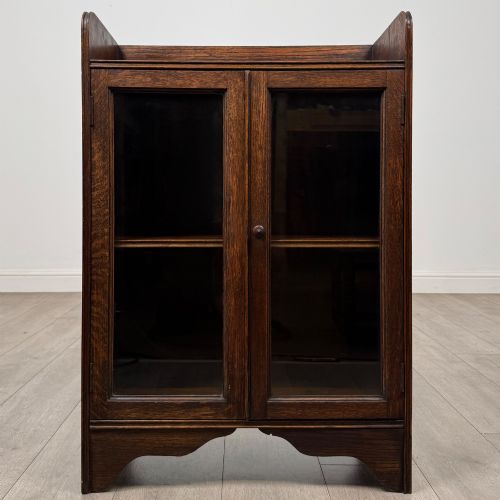
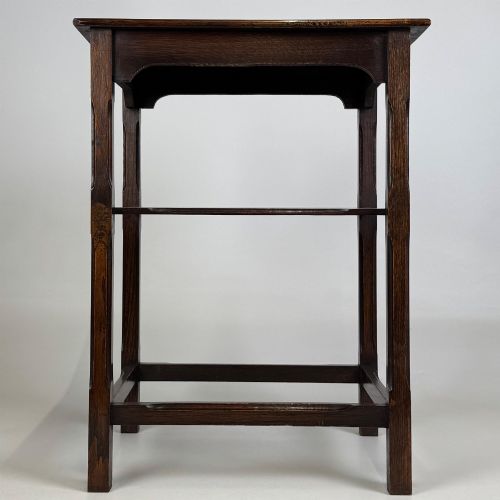
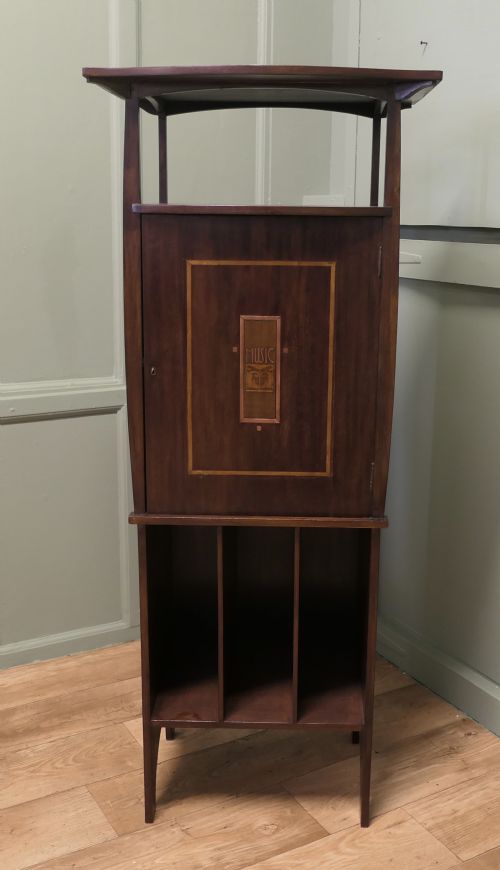
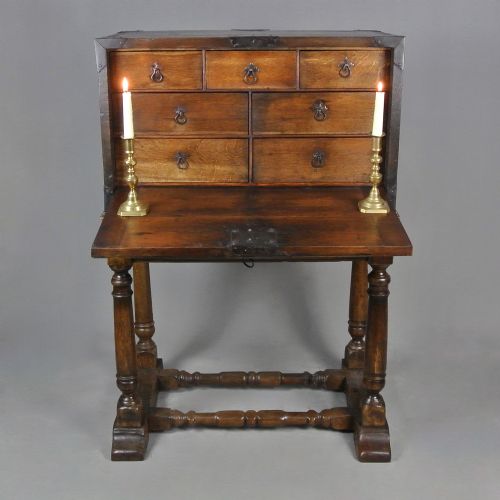
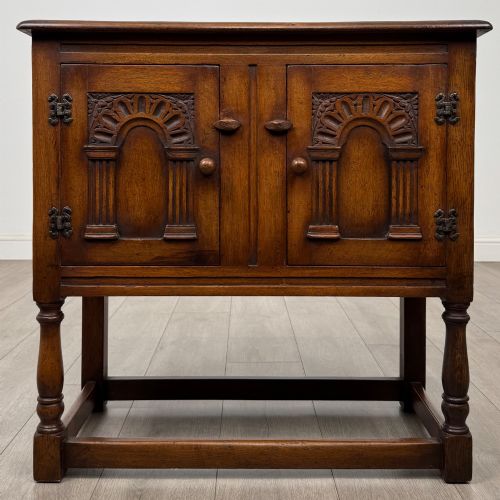

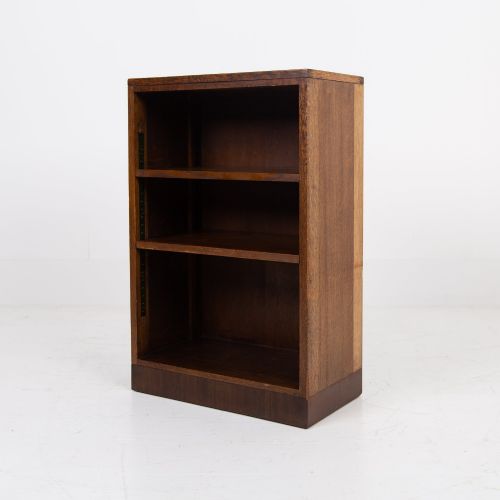
Dark Oak Standing Cabinet
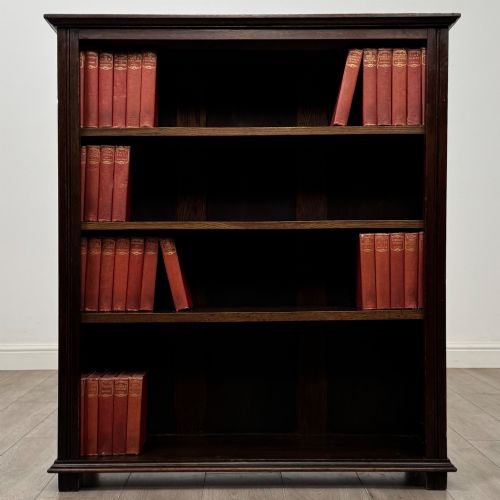
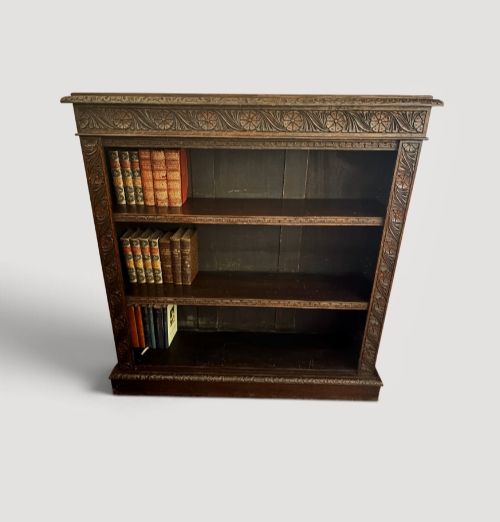
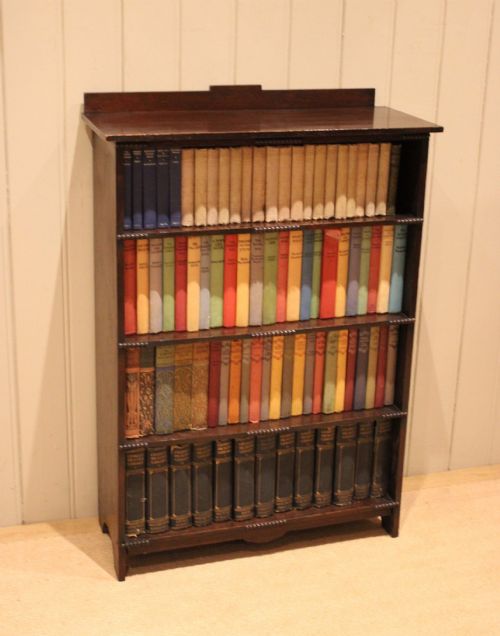
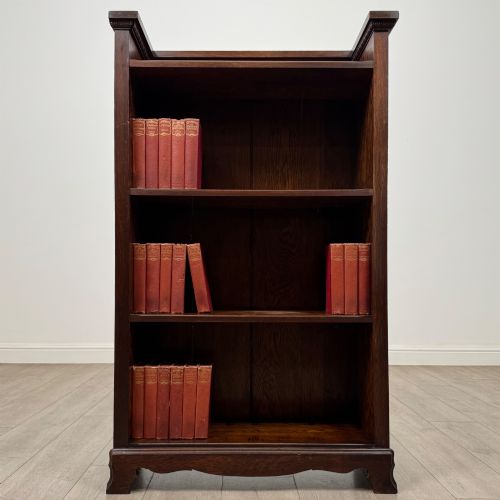
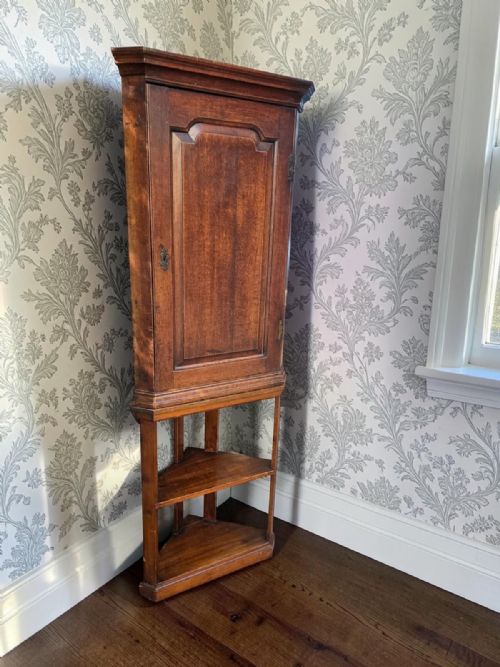
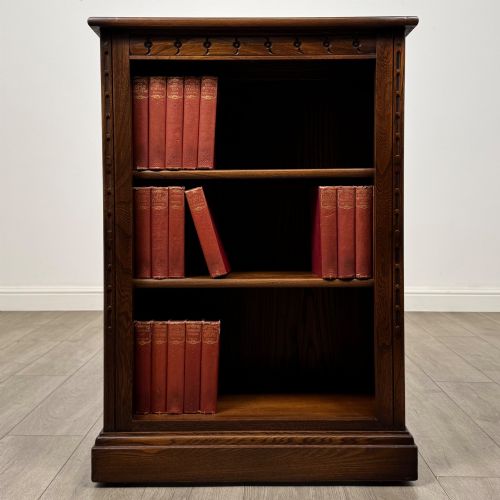
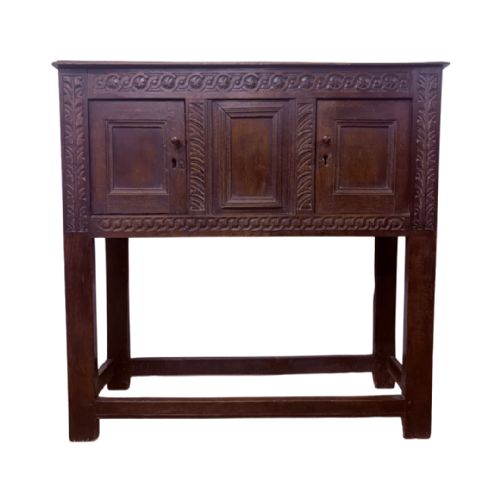
A dark oak standing cabinet brings solid timber and upright presence to a room, holding books, china or linen.
Dark Oak Standing Cabinet
A dark oak standing cabinet encompasses floor-standing storage furniture built primarily from oak, spanning periods from the seventeenth century through to the 1930s. Buyers searching this phrase meet upright forms such as bookcases, corner cupboards, hall cabinets, and cupboards on stand.
The selection ranges from early joined and court cupboards of the seventeenth century to Georgian corner cabinets and revival pieces from the Edwardian era and the 1920s. Vernacular country pieces and revival styles sitting within Arts and Crafts or Jacobean traditions appear frequently.
Most examples serve a domestic function for vertical storage, whether through glazed display doors, open shelving, or enclosed panelled cupboards. The proportion remains floor-standing, anchoring the furniture firmly against a wall.
How they were made
Construction methods follow the period of origin, moving from early joined framing and pegged mortise and tenon joints in seventeenth-century pieces to later industrial and machine-assisted cabinet making in the twentieth century. Surfaces receive hand-carving, beaded edging, or polished finishes depending on the stylistic movement of the workshop.
Materials documented across the inventory include oak, brass, iron, glass, metal, mahogany, wood, and lead.
What varies in quality
The standard of timber selection and original grain figure determines much of the visual weight, with quarter-sawn oak displaying superior medullary rays. Finer examples retain their original blacksmith-made ironwork, brass escutcheons, and period hinges rather than modern replacements.
Proportion and structural integrity distinguish utilitarian storage from master cabinet work. Clean joinery, well-hung doors that close true, and crisply executed carving set the upper tier apart from straightforward provincial or later revival production.
GM Elwood·JS Henry·Liberty & Co·U Phone of Leeds
The Dark Oak Standing Cabinet Glossary
- Court cupboard
- A heavy seventeenth-century storage piece featuring an upper recessed cabinet supported on short columns above a lower section. These pieces formed the status items of early vernacular interiors.
- Chest on stand
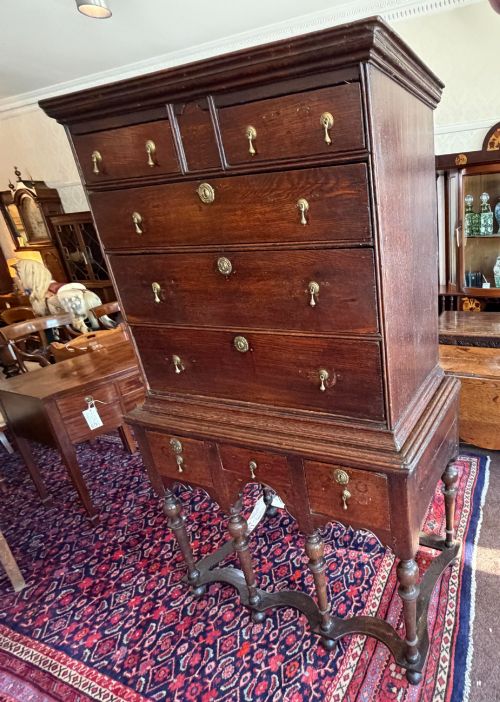
- An upright storage form where a drawer chest sits raised upon a separate framed base with legs. This configuration lightened the visual mass of heavy timber furniture.
- Jacobean Revival
- A nineteenth and early twentieth-century style copying the geometric mouldings, strapwork, and heavy turning of the early seventeenth century. Workshops used these motifs to give new oak furniture an antique character.
- Corner cabinet
- A triangular storage unit designed to fit squarely into the intersection of two walls. These pieces maximise floor space in smaller rooms.
- Joined oak
- Cabinet work constructed using pegged mortise and tenon frames rather than nailed boards. This technique represents traditional seventeenth-century carpentry methods.
Dark Oak Standing Cabinet: Frequently Asked Questions
How do I date a dark oak standing cabinet?
Examine the construction methods, such as pegged joints, hand-planed board backs, and the style of the hardware. Early pieces show joined framing, while twentieth-century revivals utilise machine-cut elements and modern screws.
Hardware provides further clues, as seventeenth-century pieces feature hand-forged iron latches and hinges, whereas Edwardian and 1920s examples often employ stamped brass fittings and factory locks.
What is the difference between a court cupboard and a standard cabinet?
A court cupboard is a specific seventeenth-century form featuring a recessed upper stage supported by pillars above a lower cupboard base. They were traditionally used for displaying plate and storing provisions.
Standard cabinets lack this stepped architectural division, offering simpler vertical storage through plain doors, drawers, or open shelves suited to domestic books and household goods.
Where should I place a corner cabinet?
A floor-standing corner cabinet belongs in the junction of two walls, where its angled footprint utilises dead space efficiently. They work effectively in dining rooms or hallways to display ceramics or glassware.
Ensure the floor level is even so the tall structure sits square against the plaster and the doors hang correctly without binding.
Are these cabinets made of solid oak?
Many examples utilise solid oak throughout the frame, panels, and shelves, particularly in seventeenth-century and Arts and Crafts pieces. Later revival furniture sometimes employs oak veneers over secondary timbers like pine or mahogany.
Checking the interior boards, drawer linings, and carcass backs reveals the mix of woods used during construction.