
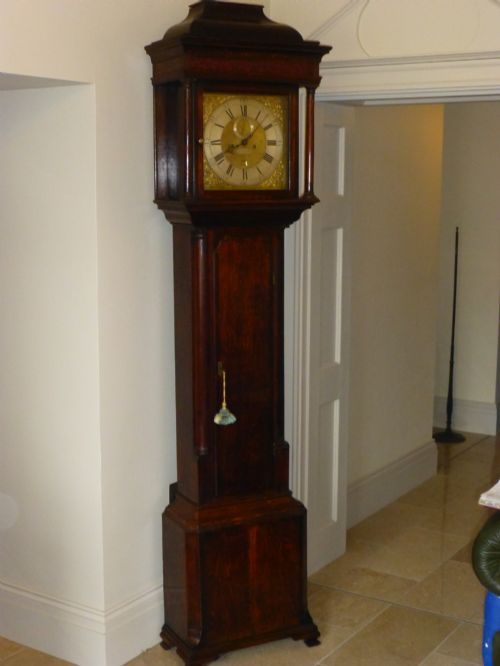
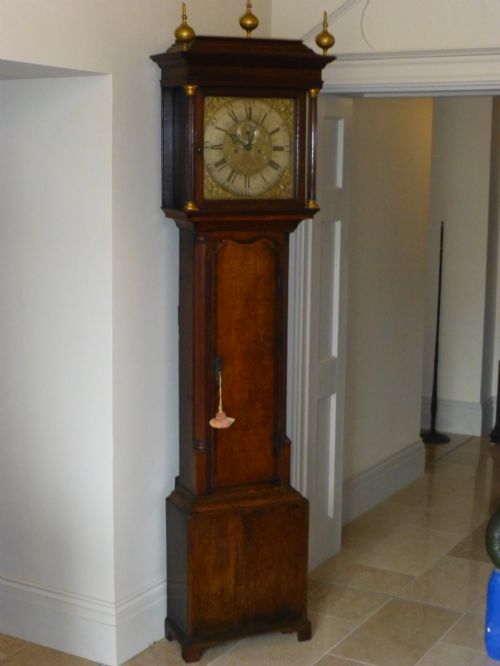
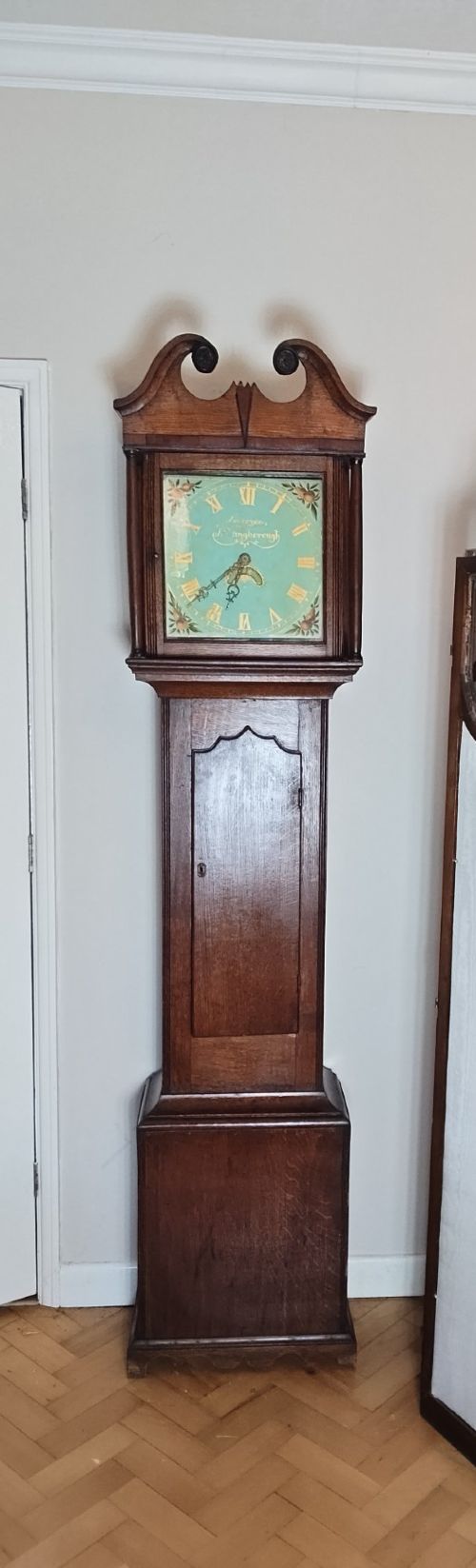
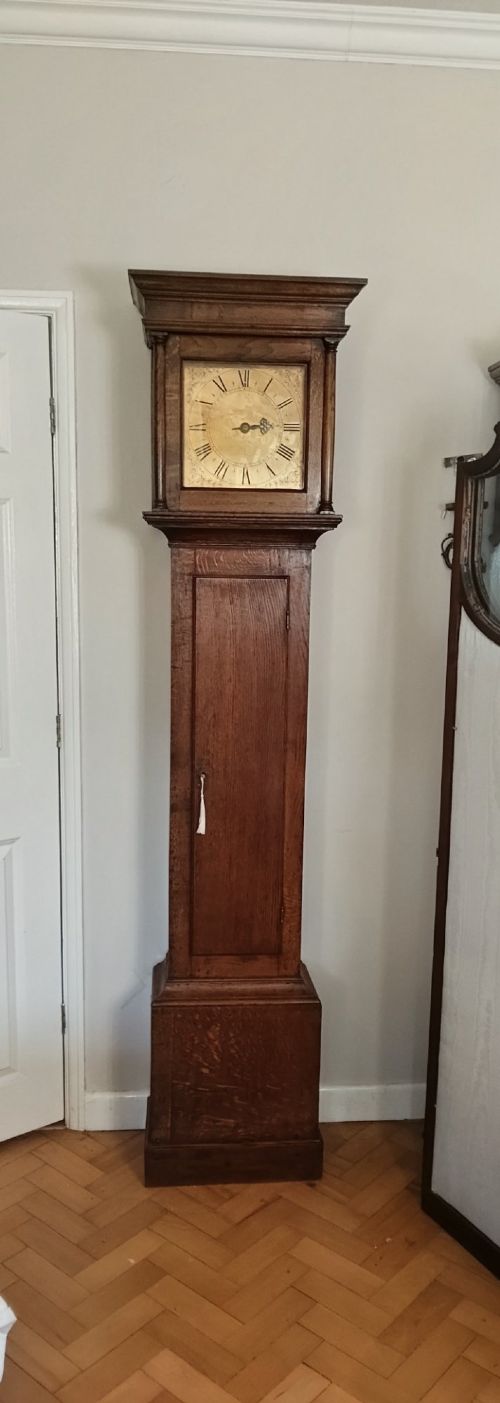

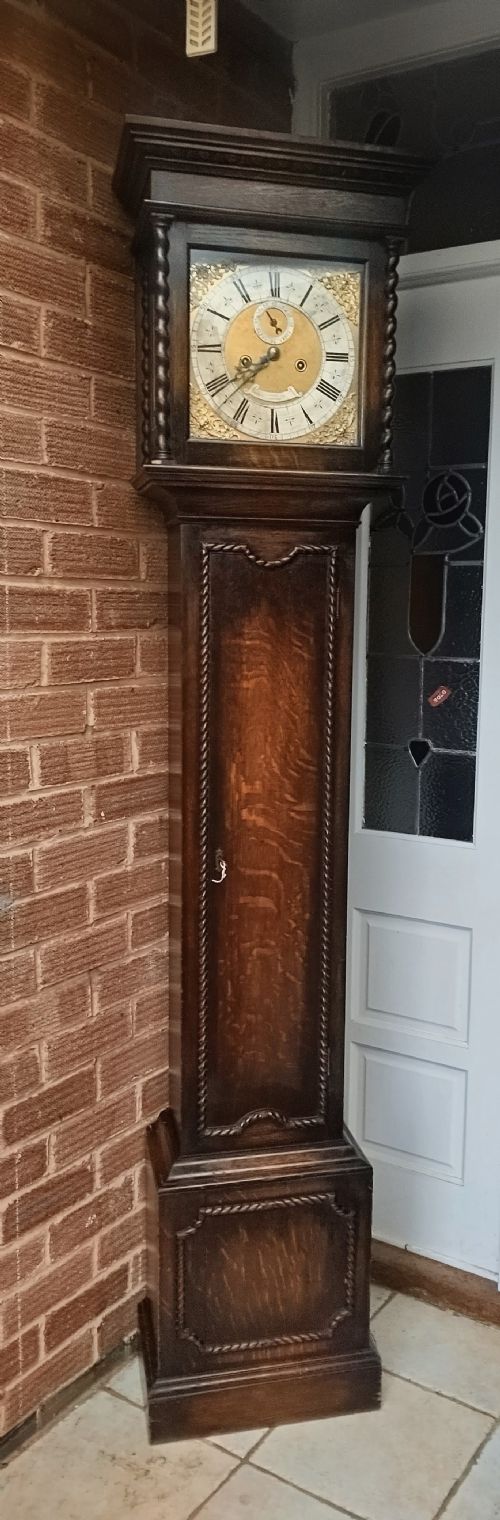
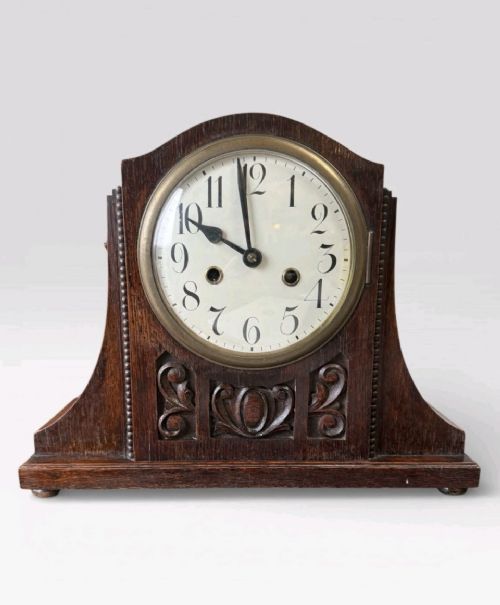
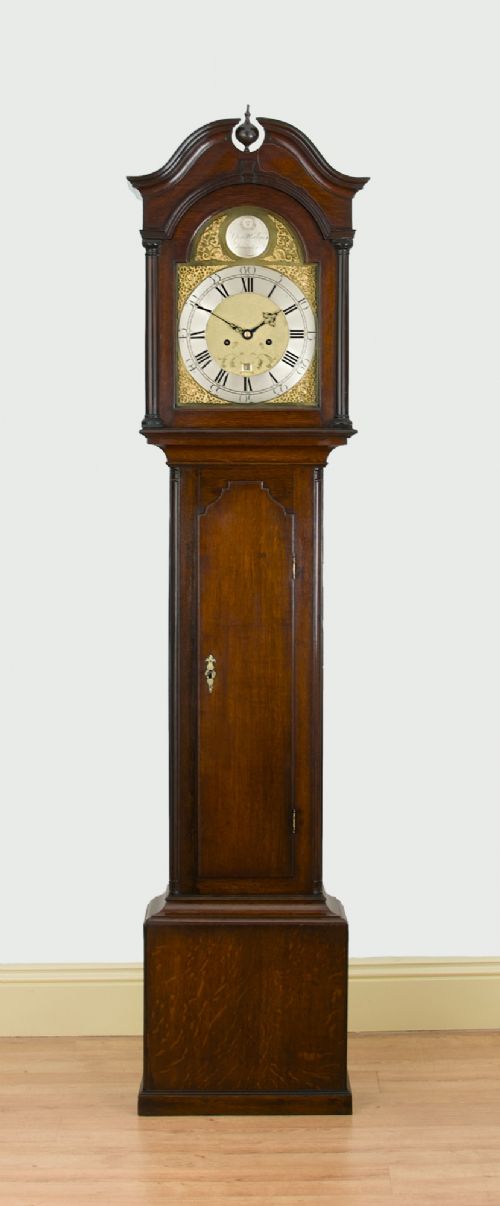


Dark Oak Pendulum Clock
A dark oak pendulum clock brings the steady rhythm of a mechanical movement into a room, housed in timber that gains depth with age.
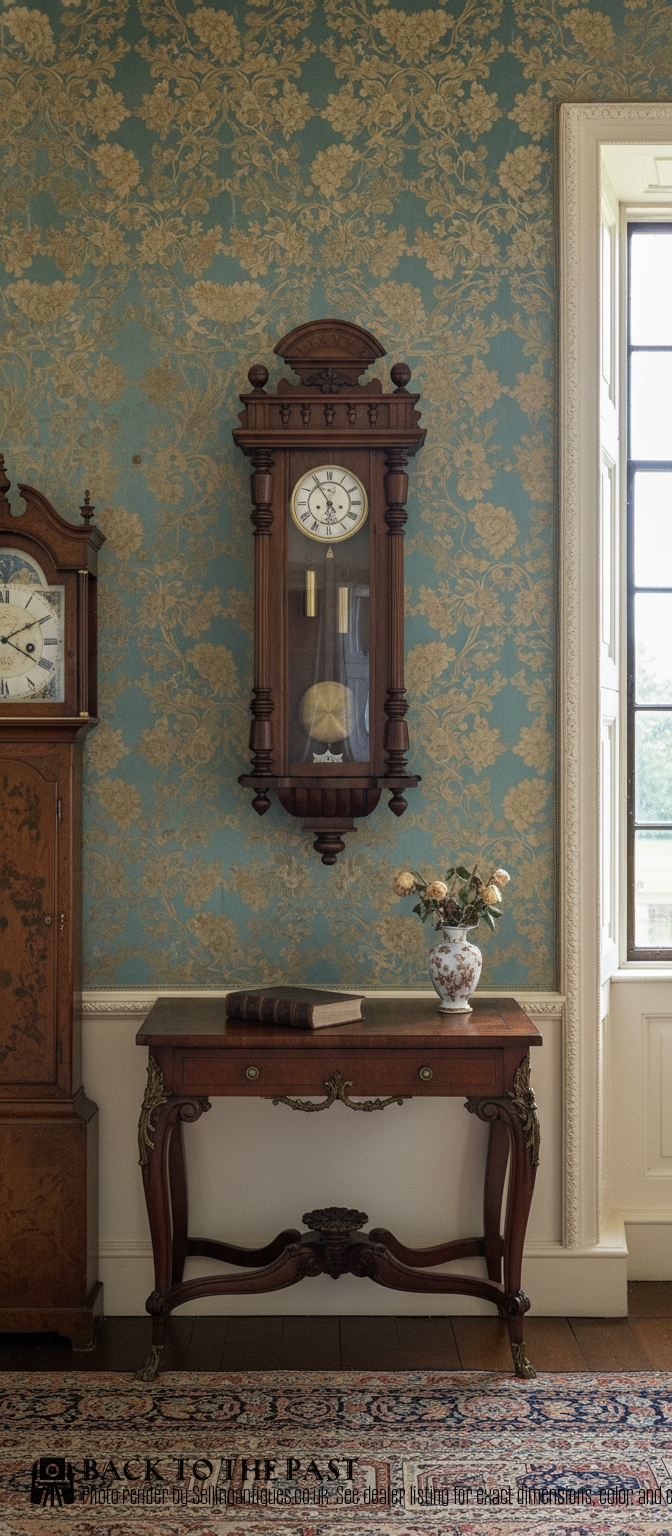
Dark Oak Pendulum Clock
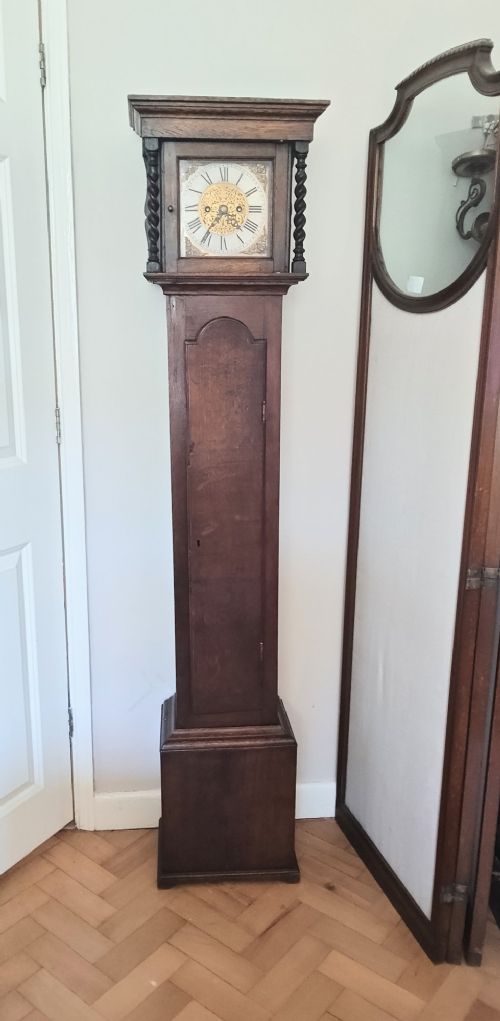
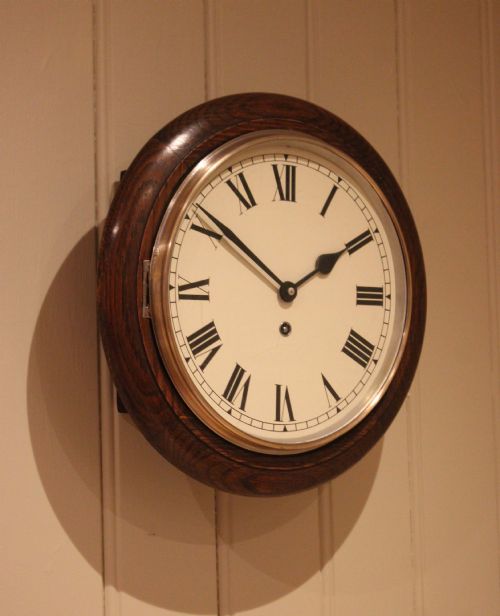
A dark oak pendulum clock encompasses floor-standing longcase designs alongside wall and mantel pieces built from the Georgian period through the early twentieth century. When searching for a dark oak pendulum clock, buyers encounter tall grandfather and grandmother cases most frequently alongside smaller wall-mounted dials.
The objects stem from centuries of clockmaking traditions spanning Georgian workshops to Art Deco and Arts and Crafts studios. Makers utilised regional styles ranging from early eighteenth-century provincial English longcases to later continental movements.
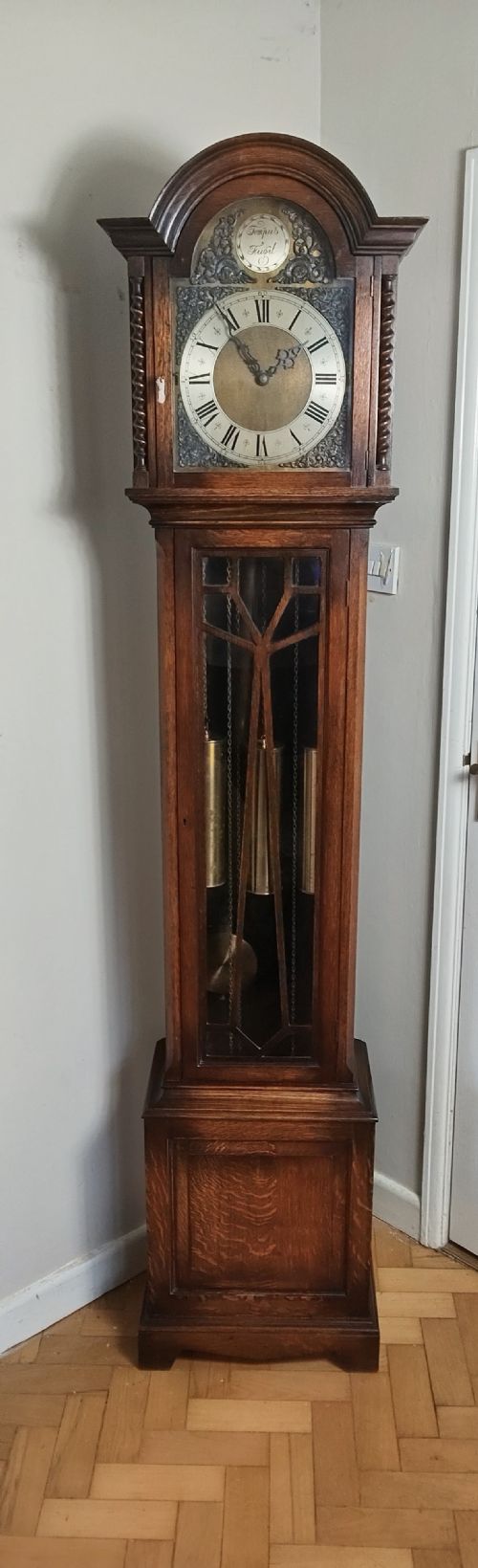
Tall cases dominate the selection, housing swinging pendulums and weights that drive brass dials or painted iron faces. Smaller wall clocks and mantel pieces utilise similar timber frames to enclose shorter movements.
How they were made
Timbers like oak combine with secondary woods such as walnut and mahogany, housing brass dials, glass covers, and iron mechanical components. Cabinetmakers constructed tall cases with panelled doors and moulded hoods to protect the delicate movements within.
Movements rely on brass gears, iron weights, and swinging pendulums, sometimes incorporating chime rods or moon phase mechanisms. Dial faces feature engraved brass, silvered chapter rings, or painted iron details protected behind glass.
Listings feature oak combined with mahogany and walnut across Georgian, Victorian, and early twentieth-century periods.
What varies in quality
The refinement of the cabinetwork and the sophistication of the internal movement dictate the standing of a piece. Finer longcases display carefully matched timber grain, well-cast brass dial work, and signed movements by known makers.
Proportion and dial legibility separate standard provincial work from exceptional examples. Original movement components and well-preserved timber patination carry greater weight than later replacements or heavy restoration.
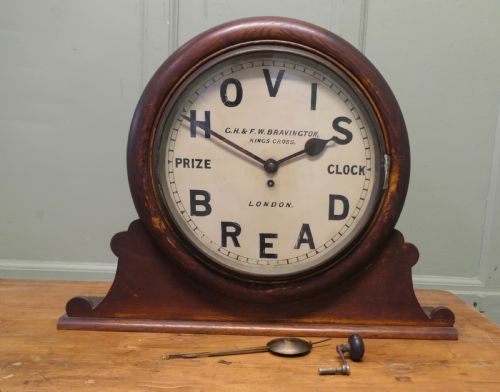
Richard Corless of Stockport·Smith of Chester·G.H & F.W Bravington London·George Hallifax Of Doncaster·Edward White Birmingham·John Wylde Nottingham·Richard Alexander Devizes·John Salmon Nantwich·Grocott Holywell·Samuel Young Nantwich & Bunbury
The Dark Oak Pendulum Clock Glossary
- Longcase clock
- A tall pendulum clock housed in a wooden case that rests on the floor, commonly called a grandfather or grandmother clock.
- Dial face
- The visible front of the clock where numerals and hands indicate the time, often constructed from brass or painted iron.
- Fusee movement
- A conical pulley mechanism that equalises the drive force of the mainspring as it unwinds, improving timekeeping accuracy.
- Moon phase
- A dial mechanism tracking the lunar cycle through a rotating painted disc visible through an aperture on the clock face.
- Chapter ring
- The circular band on a clock dial that bears the hour numerals.
Dark Oak Pendulum Clock: Frequently Asked Questions
How do I wind a longcase clock?
Winding requires pulling the cords or using a crank key to lift the internal weights back to the top of the case. Care must be taken not to over-wind the movement.
Most eight-day movements need attention weekly, while thirty-hour versions require daily winding. Keeping a consistent schedule helps maintain steady timekeeping.
Where should I place a grandfather clock?
Position the piece against an interior wall away from direct sunlight, heating vents, and damp areas to protect the wooden case. A stable floor surface ensures the pendulum swings evenly.
Tall clocks need proper anchoring to the wall using internal brackets to prevent tipping. Adequate clearance around the case allows the door to open freely for winding.
How do I tell an 18th-century clock from a later one?
Eight-century examples typically feature square brass dials with engraved spandrels and solid oak or walnut construction. Regional maker signatures often appear directly on the dial face.
Twentieth-century revivals and Edwardian models often show lighter internal mechanics, different wood finishes, and later styling cues such as Art Deco or Arts and Crafts motifs.
Why does my clock stop ticking?
Stoppages often occur when the case settles on uneven flooring, throwing the pendulum beat out of alignment. Adjusting the small regulating nut below the pendulum bob usually resolves the issue.
Accumulated dust in the gear train or expired lubrication can also halt the movement. Professional cleaning may be necessary if basic beat adjustment fails to restart the pendulum.