

Dark Oak Gothic Chairs
Dark oak gothic chairs bring heavy timber and pointed arches into a room, offering robust seating rooted in nineteenth-century revival styles.
Dark Oak Gothic Chairs
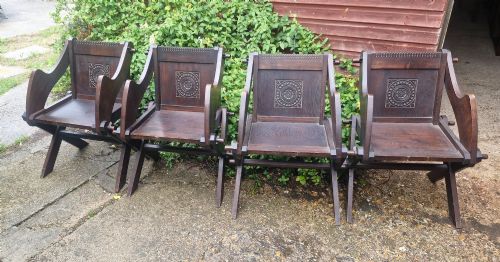
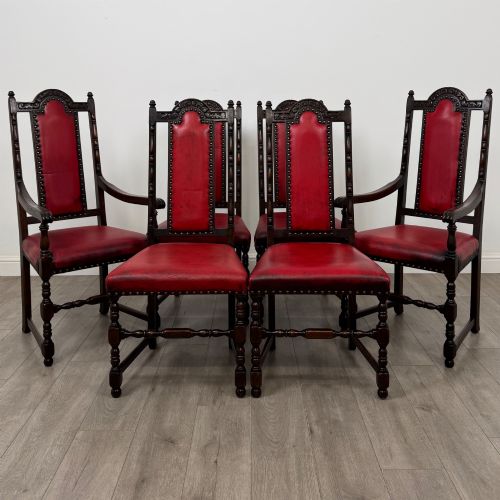
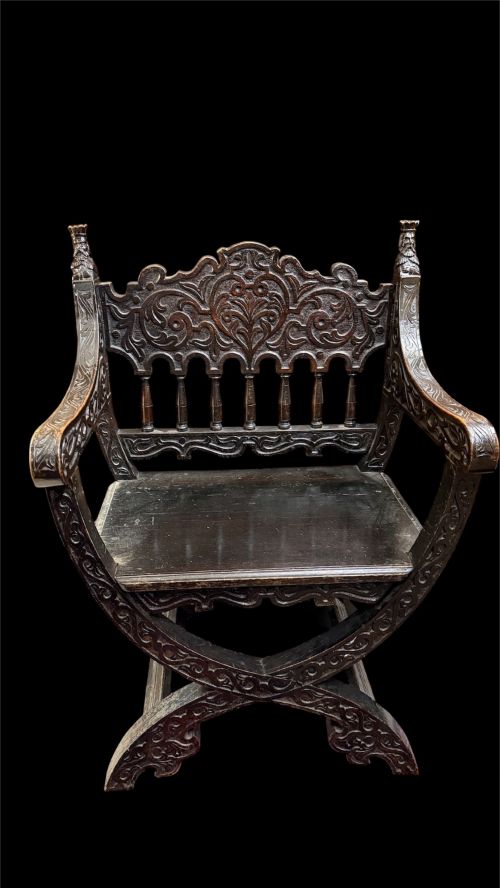
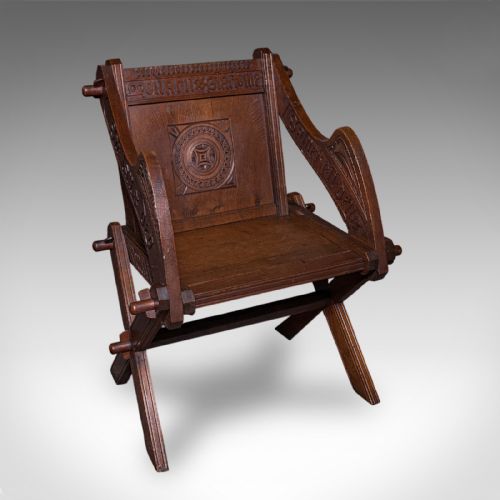
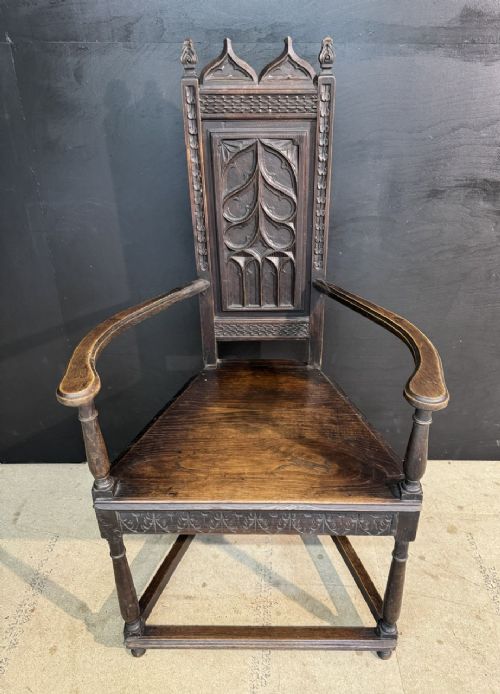
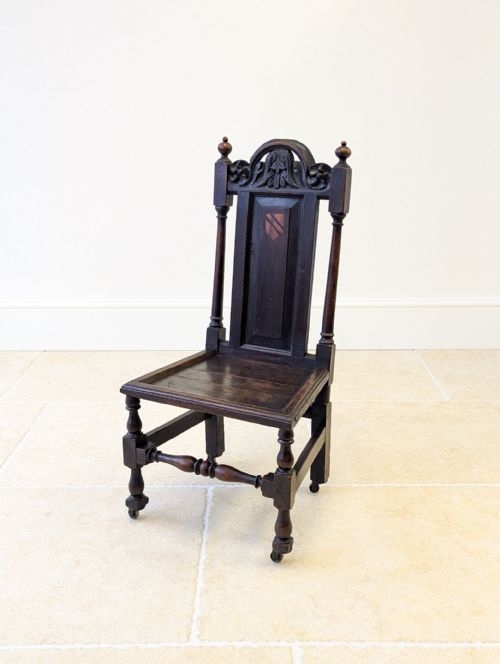
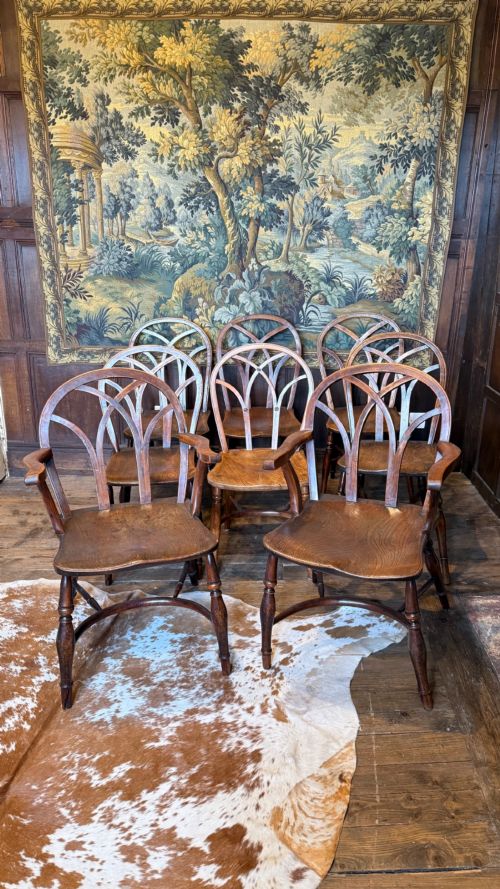
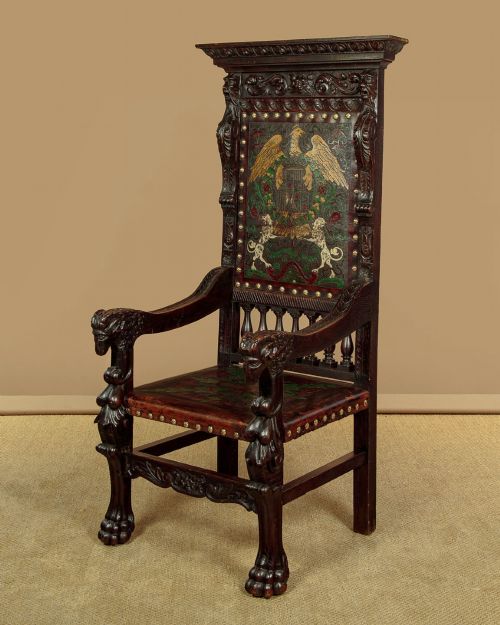
When you search for dark oak gothic chairs, you look at seating built primarily during the nineteenth century, including Victorian and Edwardian iterations. These heavy timber seats often adopt Gothic Revival, Jacobean Revival, or ecclesiastical forms.
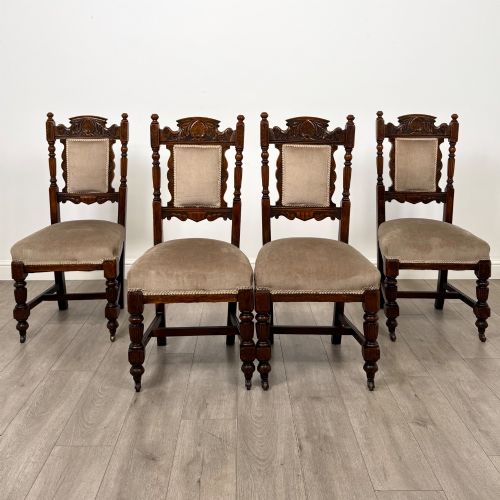
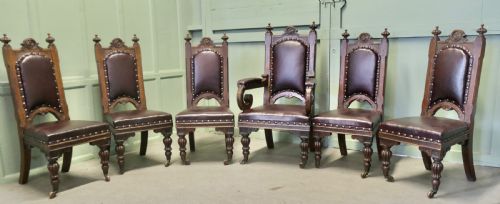
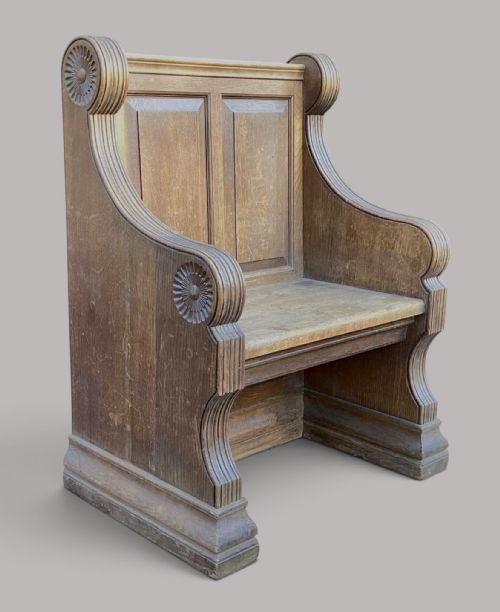
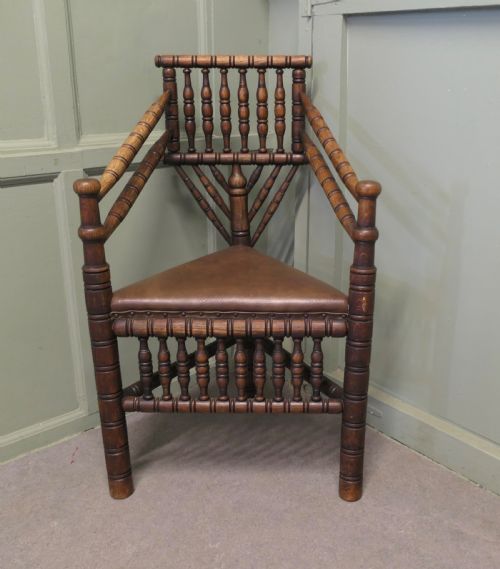
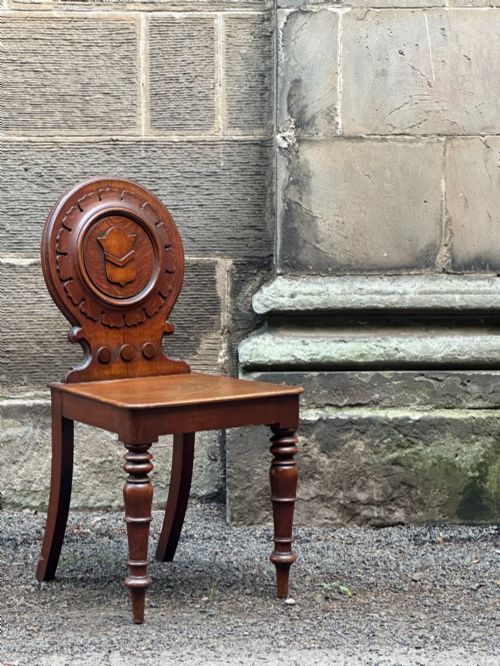
Dining chairs, hall chairs, and large armchairs dominate the selection, alongside rarer specialist pieces like turners chairs and metamorphic library steps. The timber is predominantly dark oak, sometimes accompanied by auxiliary materials such as brass, leather, and tapestry.
Most examples hail from the Victorian era, spanning from the 1860s through to the early twentieth century. You encounter everything from simple architectural hall seats to high-back carved dining sets.
Judging Quality and Execution
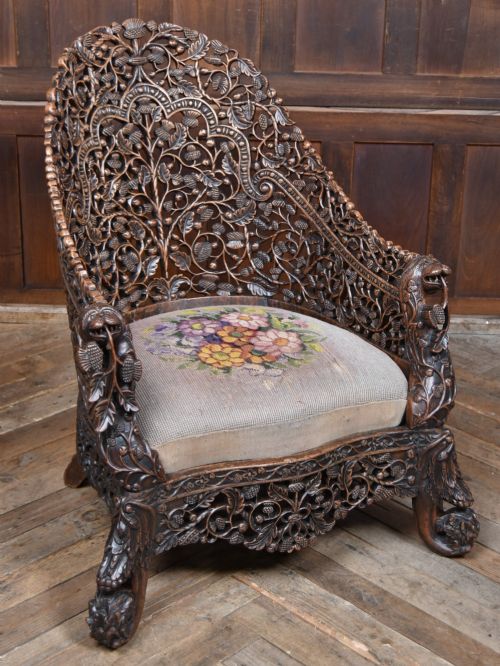
Depth and crispness of the hand carving separate standard production pieces from finer examples. Sharp relief work on architectural elements and figural details indicates superior workshop execution.
The integrity of the oak frame and the quality of the timber grain determine structural longevity. Original upholstery materials and authentic inscribed markings add distinct historical weight to specific pieces.
Some sturdy oak seats double as ladders, proving that Victorian librarians appreciated a chair that could double as a staircase.
Liberty & Co·S&H Jewell
The Dark Oak Gothic Chairs Glossary
- Gothic Revival
- An architectural and decorative style popular in the nineteenth century that draws on medieval pointed arches, tracery, and heavy proportions. This aesthetic defines the primary character of these chairs.
- Turners Chair
- A sturdy armchair constructed entirely from turned wooden spindles and members, also known as an Old Saxon chair. These pieces often feature triangular seats.
- Wainscot Arm Chair
- A heavy wooden armchair enclosed below the armrests, typical of early domestic seating traditions revived during the Victorian period. They display solid panel backs.
- Metamorphic Chair
- A piece of dual-purpose furniture designed to transform into library steps. These clever conversions served utilitarian roles in Victorian studies.
- Caquetoire
- A light sixteenth-century style French armchair with a high back and trapezoidal seat, occasionally reproduced in later revival periods. The name derives from the French verb for chatting.
Dark Oak Gothic Chairs: Frequently Asked Questions
How do I date these chairs?
Dating relies on stylistic clues, construction methods, and materials recorded in the evidence from the Victorian and Edwardian periods. Revival pieces often emulate much older medieval designs while retaining nineteenth-century manufacturing techniques.
Examine the timber finish, turning styles, and any applied plaques or inscriptions to narrow down the decade of production. Comparative pieces from known institutional commissions also assist with chronological placement.
Were these chairs actually used in churches?
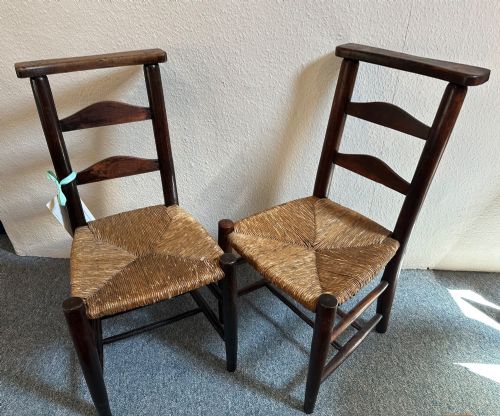
Many examples originate from ecclesiastical settings, including specific church chairs and cathedral furnishings marked for use in places like St Paul's. Their robust construction suited communal and institutional environments.
Other variants were built for domestic dining rooms, libraries, and halls, adopting the same ecclesiastical aesthetic for secular Victorian homes. Church pieces often feature engraved plaques or specific ownership marks.
How do I style a gothic chair at home?
These imposing seats anchor a room effectively when placed in hallways, studies, or as singular accent pieces in contemporary living spaces. Their dark oak tones pair well with plain walls that highlight their carved silhouettes.
Combining a set around a dining table creates a striking focal point, particularly when matching chairs share uniform linenfold or tracery details. Ensure adequate clearance around armchairs, as their substantial frames require physical space.
What is a metamorphic library chair?
A metamorphic library chair functions as a standard seat before unfolding or pivoting into a set of sturdy steps. Victorian craftsmen engineered these ingenious dual-purpose items for accessing high bookshelves.
They combine heavy oak construction with hidden hinges and locking mechanisms to ensure stability in both configurations. This clever utility made them prized additions to nineteenth-century domestic libraries.