
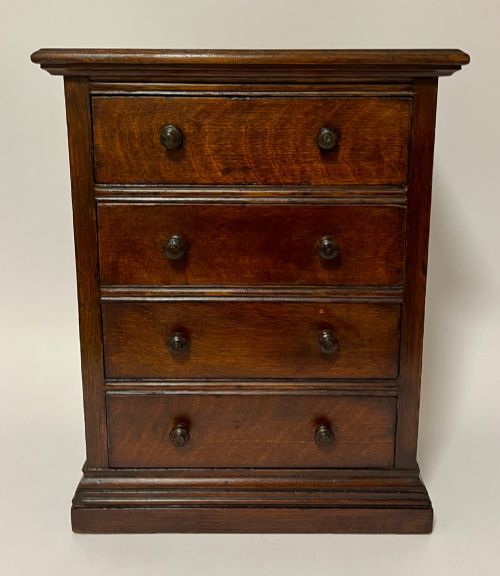
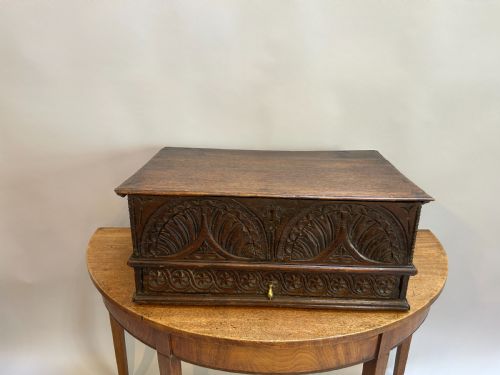
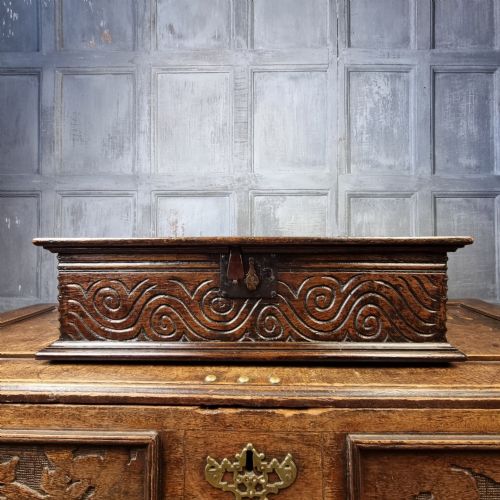

Dark Oak Desk Box
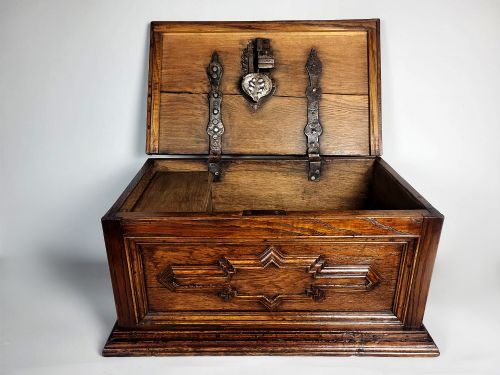
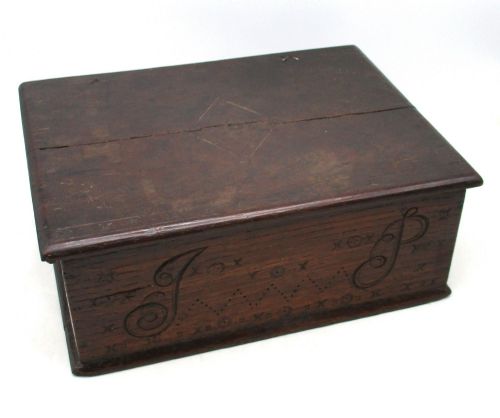
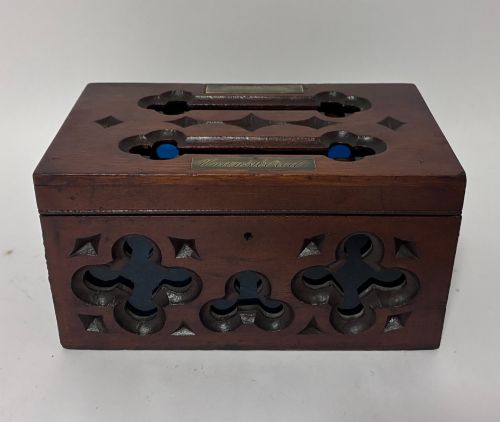
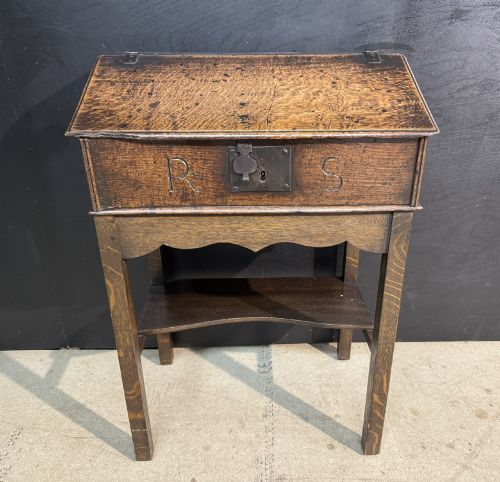
These dark oak desk box examples are sturdy tabletop receptacles designed to hold writing materials, documents, and valuables securely.
Dark Oak Desk Box
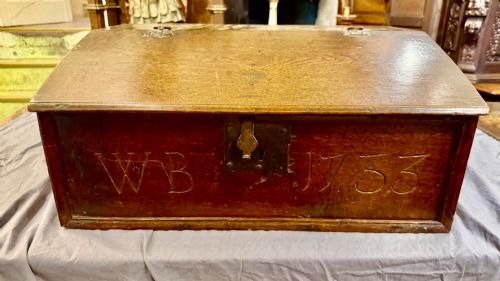
A dark oak desk box typically serves as a compact tabletop repository for correspondence, ledgers, and precious items. The selections on this page span the seventeenth, eighteenth, nineteenth, and early twentieth centuries, reflecting changing domestic habits across multiple eras.
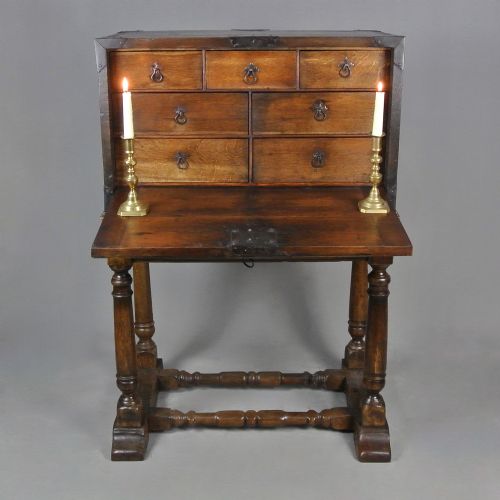
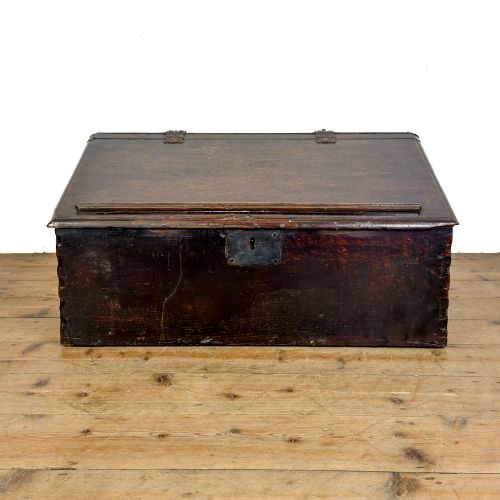
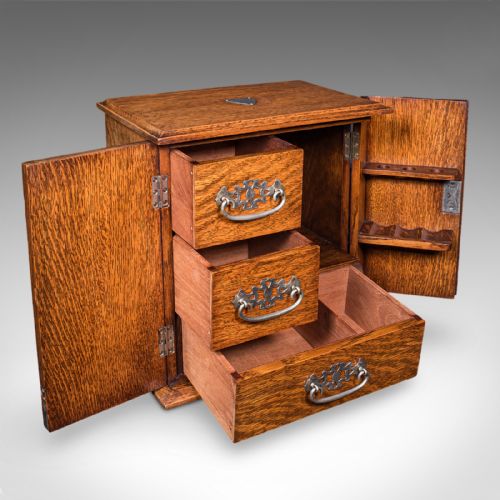
Most pieces date from the seventeenth and eighteenth centuries, taking the form of Bible boxes, document boxes, and slant-front writing slopes. Later examples from the Victorian and Edwardian periods appear as stationery cabinets and tabletop chests with internal drawers.
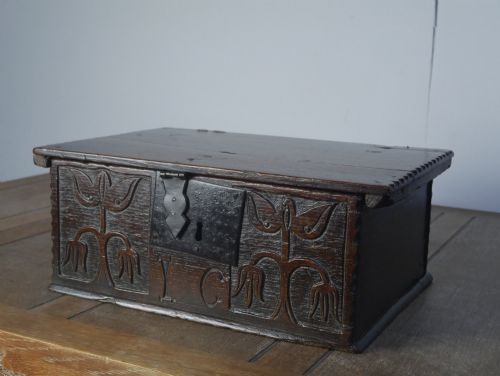
Stylistic influences range from Jacobean and William and Mary to Georgian, Victorian Gothic, and Arts and Crafts. Pieces originate mainly from English workshops, frequently displaying regional carving or inscribed initials.
Materials and Construction
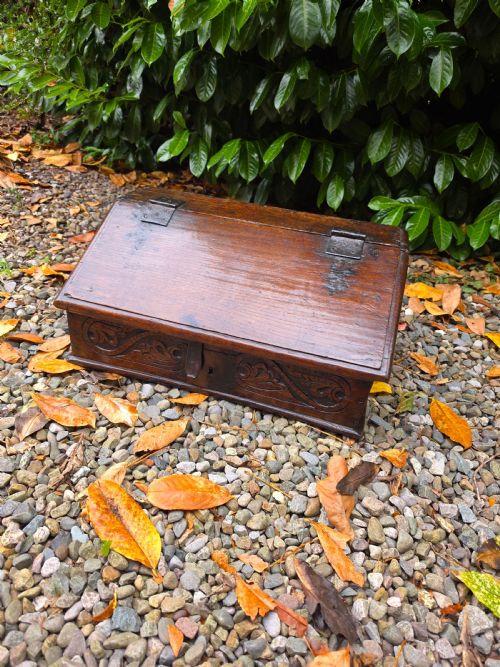
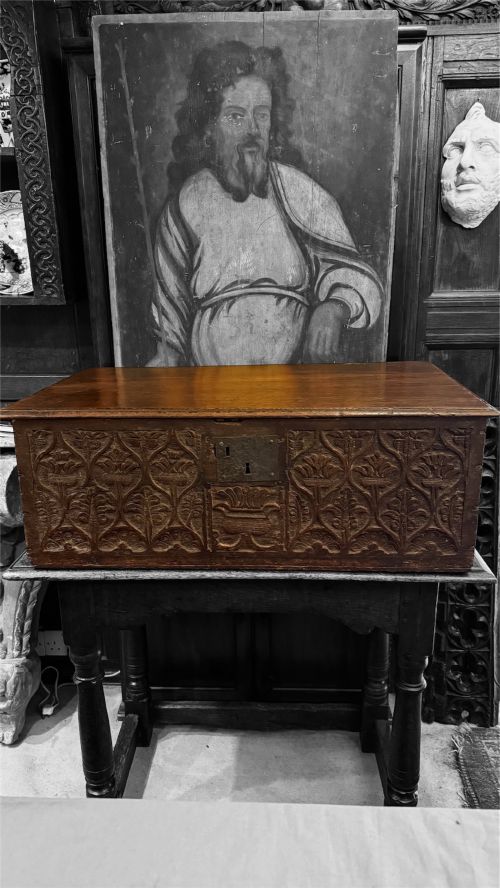
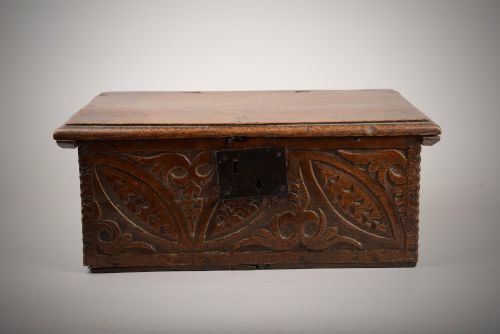
Makers utilised solid timber, predominantly oak, constructing bodies with pegged mortise and tenon joints to withstand heavy daily use. Surfaces often received hand-carved ornamentation, geometric moulding, or inlaid details utilising contrasting woods like holly and bog oak.
Functional security relied on heavy iron hinges, brass escutcheons, and complex steel locks. Internal arrangements incorporated small fitted drawers, document partitions, and occasionally secret compartments operated by hidden catches.
Several boxes contain cunning secret drawers designed to hide family secrets from inquisitive houseguests.
Judging Quality
Quality rests upon the crispness of the hand-carved decoration and the integrity of the original timber construction. Examples retaining untouched patination, contemporary ironwork, and functional complex steel locks command greater interest from collectors.
The sophistication of the interior layout distinguishes standard storage from superior craftsmanship. Boxes featuring intricate internal drawers, secret compartments, and original hinges represent the higher tier of survival from early workshops.
The Dark Oak Desk Box Glossary
- Bible box
- A sloping or flat-topped timber box originally intended to hold a family Bible and devotional tracts. These pieces often doubled as portable desks for household records.
- Slant-front
- A hinged sloping lid designed to provide an ergonomic writing surface. This configuration evolved into the tabletop bureau.
- Escutcheon
- A protective plate surrounding a keyhole, usually fashioned from brass or iron. It prevents the surrounding timber from splitting under the pressure of the key.
- Document box
- A shallow rectangular container utilised for storing deeds, letters, and legal papers. They frequently possess heavy locks for security.
- Patina
- The surface sheen and deep colour developed by timber over centuries of handling and polishing. Original patination indicates minimal chemical stripping or aggressive sanding.
Dark Oak Desk Box: Frequently Asked Questions
What is a dark oak desk box used for?
These boxes provided secure desktop storage for valuable manuscripts, letters, account books, and writing paraphernalia in domestic or ecclesiastical settings. Their portable nature allowed owners to carry essential paperwork between rooms or locations.
Today, they function as decorative desktop organisers or secure repositories for modern correspondence and keepsakes. Their flat or sloping lids also serve well for displaying small objects of interest.
How do I date a seventeenth century box?
Dating relies on construction methods, timber grain, and decorative motifs characteristic of periods like Jacobean or William and Mary. Hand-cut pegs, wrought iron hinges, and contemporary locks provide physical clues to the century of manufacture.
Carving styles also shift from geometric strapwork to naturalistic foliage across different reigns. Inscribed dates or initials carved into the oak can offer a direct marker of origin.
Are these boxes waterproof?
Historic timber boxes were built to deter theft and protect contents from dust and light rather than moisture. The joinery is not sealed against damp environments, meaning humid rooms can compromise the aged wood.
Keeping them in stable indoor conditions preserves both the oak and any internal paper linings. Ventilation and moderate temperatures prevent the historic ironwork from rusting.
How should I clean my antique box?
Maintenance requires only a soft, dry cloth to remove dust from carved surfaces and mouldings. Modern furniture polishes and silicone sprays damage the historic patina accumulated over centuries of use.
Application of traditional microcrystalline wax once or twice a year helps nourish dry oak. This protects the grain without altering the authentic surface sheen.