
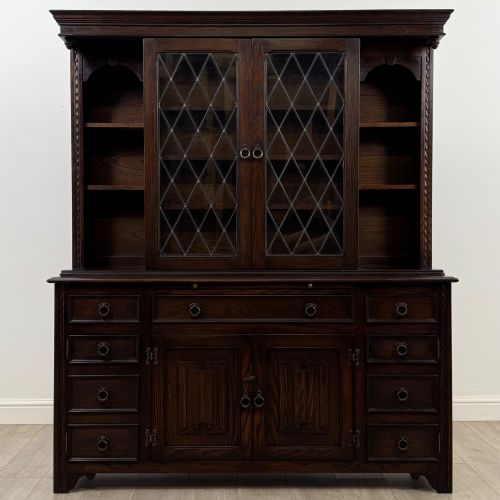
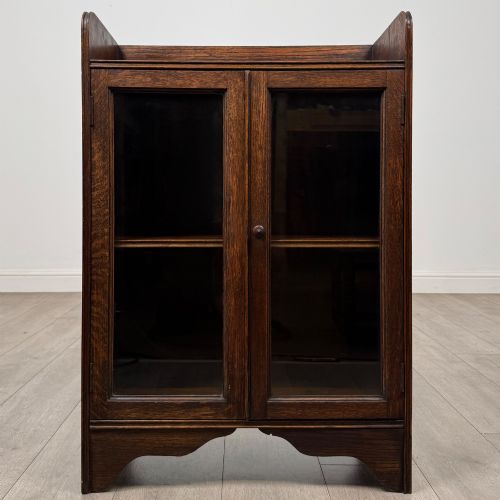
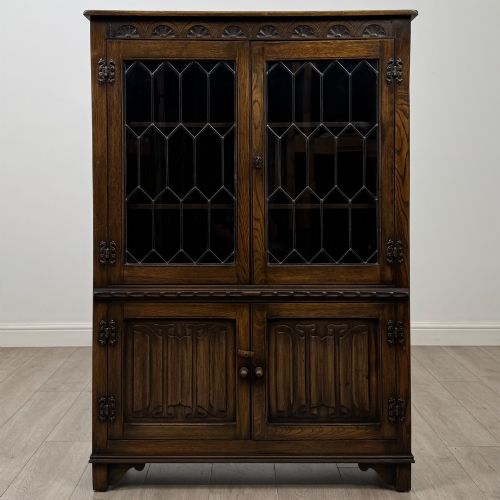
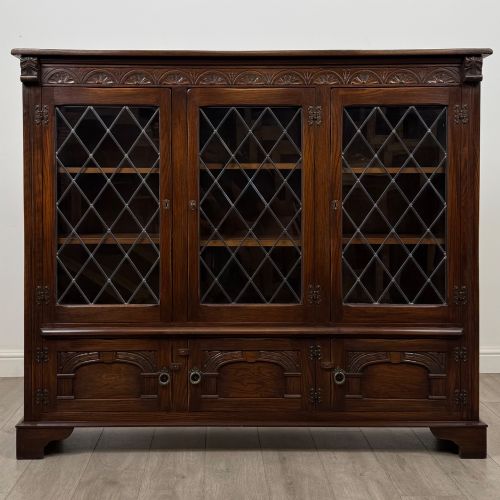
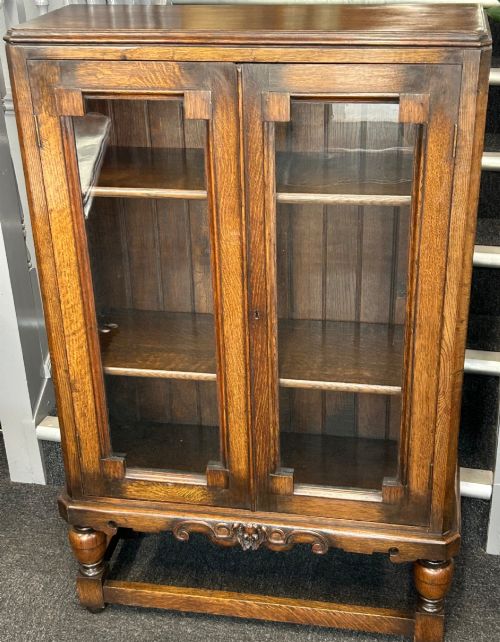
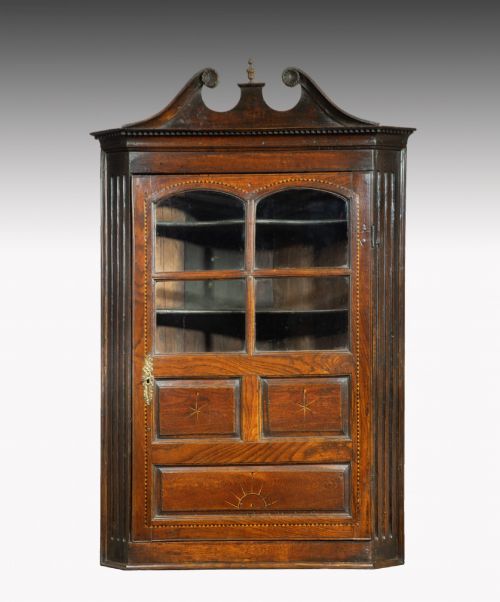


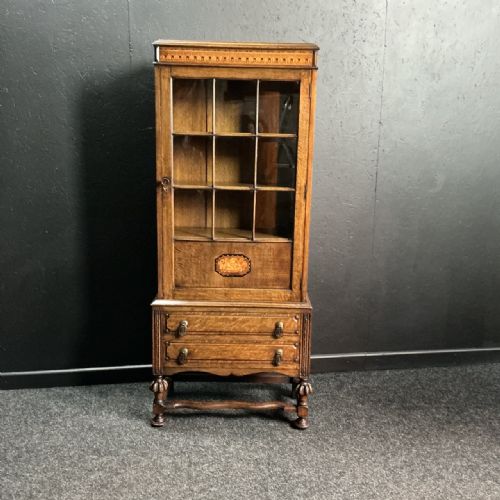


Dark Oak China Cabinet
A dark oak china cabinet brings rich, dense grain and practical display space into a room, uniting storage and visibility.
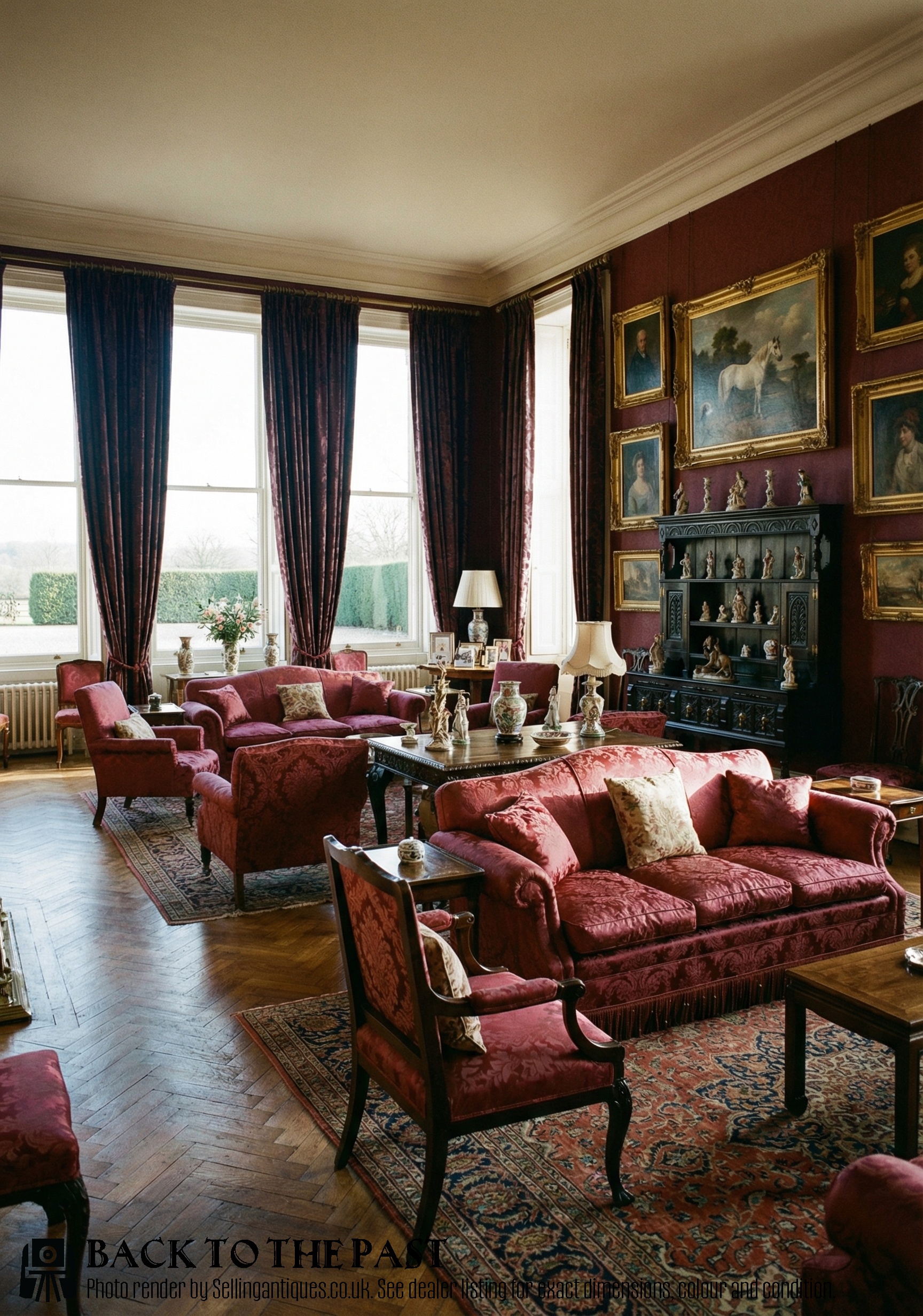
Dark Oak China Cabinet
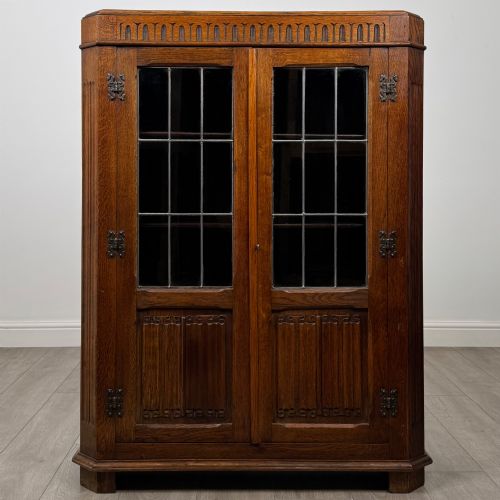
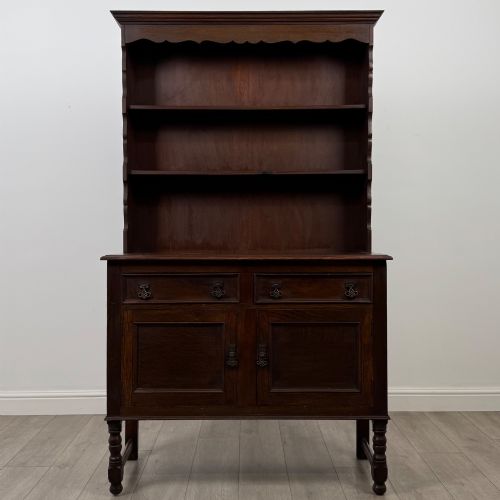
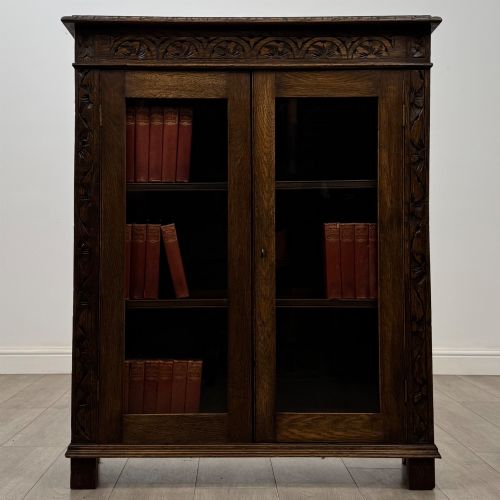
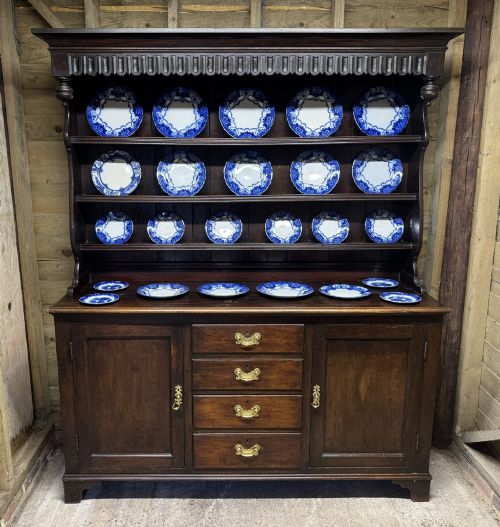
A dark oak china cabinet gathers several forms across centuries, spanning display cabinets, bookcases, corner cabinets, and dressers. These pieces serve to house porcelain, glassware, and books behind glazed doors or open shelves.
The versions met most often on this page date from the Edwardian period, the 1920s, and the Victorian era, alongside earlier examples from the 18th century and 19th century. Styles range through Jacobean Revival, Tudor Revival, Georgian, and Arts and Crafts.
Makers and craftsmen utilised solid timber and veneers to build robust structures, often pairing upper glazed display sections with lower cupboard bases or drawers.
How they were made
Construction relies primarily on oak, supplemented by glass for doors and panels, and brass, iron, or metal for hinges, handles, and locks. Secondary woods such as pine appear in internal framing and drawer linings.
Surface detailing involves linenfold carving, geometric mouldings, and raised panels, particularly on pieces influenced by Jacobean and Tudor revivals. Glazing ranges from simple single panes to leaded or multi-pane arrangements.
Joinery techniques include pegged mortise and tenon frames and dovetailed drawer construction, ensuring durability across large two-part bookcases and smaller corner cupboards.
Listings span periods from the 18th century through to the 1930s, utilising oak, glass, and brass across display cabinets, bookcases, and dressers.
What varies in quality
Depth and clarity of carving separate standard production pieces from finer examples, with hand-chisel work showing crisp edges and natural variation in relief. The selection of timber grain, particularly quarter-sawn oak displaying medullary rays, dictates visual impact.
Proportion and architectural balance define the upper tiers of craftsmanship, especially in tall two-part glazed bookcases and extensive Welsh dressers. Original hardware, intact glass panes, and well-fitted doors indicate superior original manufacture.
The Dark Oak China Cabinet Glossary
- Glazed cabinet
- A piece featuring glass panelled doors designed for the display of china or books while protecting contents from dust.
- Welsh dresser
- A traditional form combining a lower sideboard base of cupboards or drawers with an upper plate rack for display.
- Jacobean Revival
- A style popular in later centuries that imitates 17th-century English furniture through heavy mouldings, paneling, and deep-relief carving.
- Quarter-sawn oak
- Timber cut radially to the growth rings, producing a distinct flecked pattern known as medullary rays.
- Linenfold
- A style of wood carving that imitates folded fabric, frequently seen on panels of early cabinets.
Dark Oak China Cabinet: Frequently Asked Questions
What periods do these cabinets come from?
The pieces span multiple eras, ranging from 18th-century Georgian and French provincial designs to Victorian, Edwardian, and 1920s revivals. Each period brings distinct proportions and decorative vocabulary.
Earlier examples from the 1700s often exhibit simpler, utilitarian construction, while later Edwardian and 1920s pieces lean into revivalist styles with heavier surface ornamentation.
How do I distinguish between styles?
Style identification relies on examining decorative motifs, hardware, and structural silhouette. Jacobean and Tudor revivals display pronounced geometric mouldings and linenfold panels, whereas Georgian pieces tend towards cleaner architectural lines.
Arts and Crafts examples emphasise honest construction and natural materials, often featuring understated metal hinges and handles that highlight the timber grain.
Are these cabinets made of solid wood?
Most examples utilise solid oak for structural frames, doors, and visible panels, providing substantial weight and durability. Secondary timbers such as pine occasionally appear in hidden internal components or drawer bottoms.
Some later pieces incorporate oak veneers over stable core boards to prevent warping across wide expanses while maintaining an external hardwood finish.
How were corner cupboards used?
Corner cupboards were designed to utilise awkward or unused room junctions, transforming dead space into functional storage and display areas. They typically house prized porcelain or glassware within dining rooms and parlours.
Both floor-standing and wall-hanging variants appear across the 18th and 19th centuries, offering secure shelving behind single or double doors.
What is a two-part cabinet?
A two-part cabinet consists of a separate upper display section resting upon a lower base of cupboards or drawers. This modular construction facilitated transport and placement in historic homes with narrow stairwells.
The pieces lock together securely, combining upper glazed shelving for display with lower enclosed storage for heavier items.