


Dark Oak Carved Box
A dark oak carved box brings centuries of heavy timber and hand-cut ornament into a modern room.
Dark Oak Carved Box
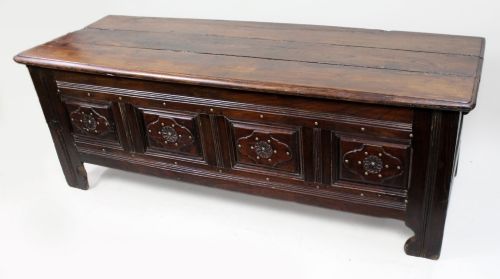
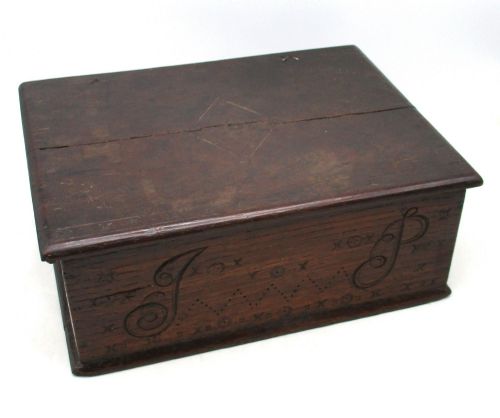
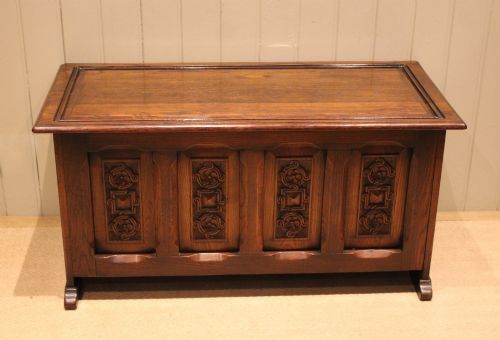
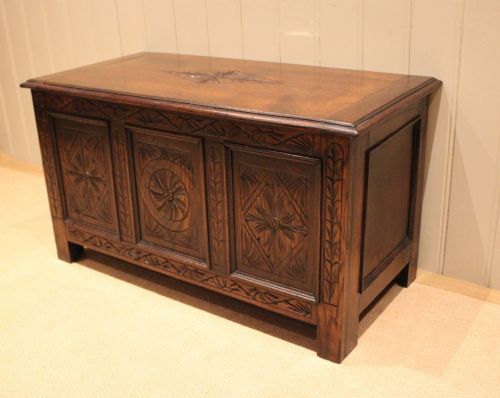
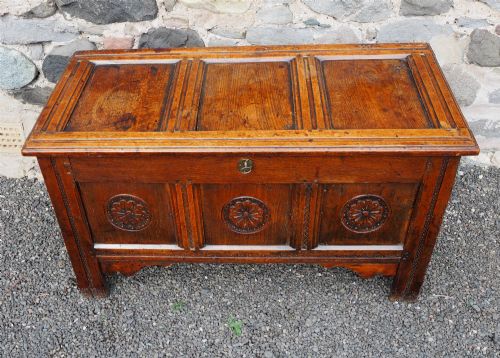
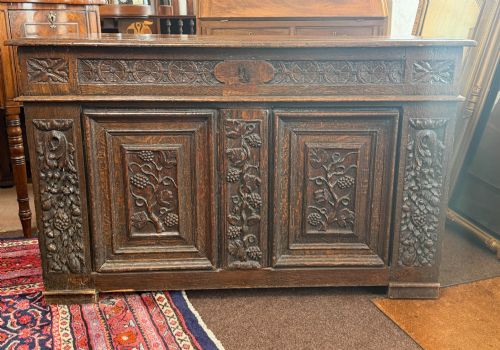
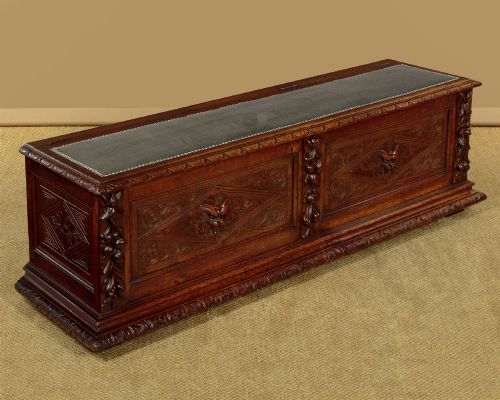
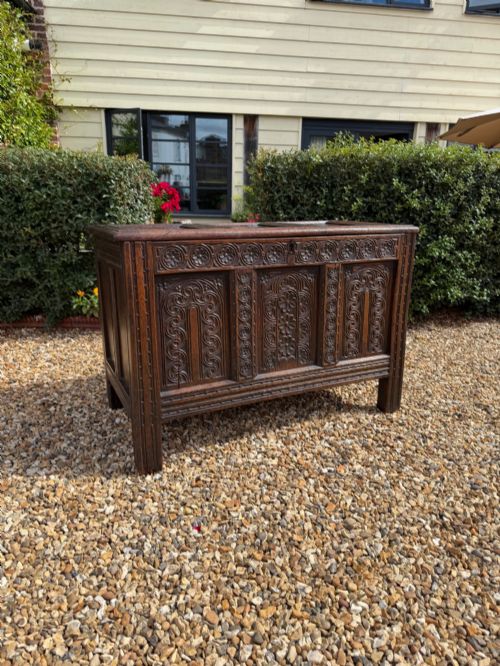
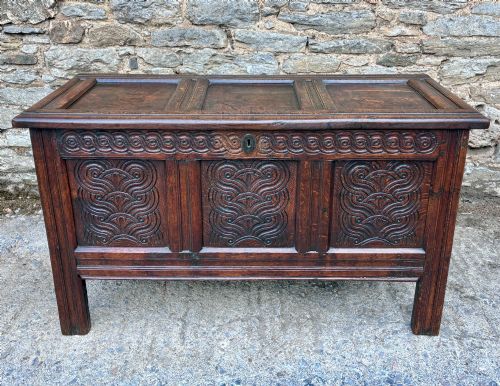
When you search for a dark oak carved box, you are looking at sturdy storage vessels built from domestic hardwood, most commonly encountered as seventeenth and eighteenth century coffers, blanket chests, and small document boxes. These pieces range from diminutive wall-hanging candle boxes to large panelled coffers bearing deep geometric and figural chisel work.
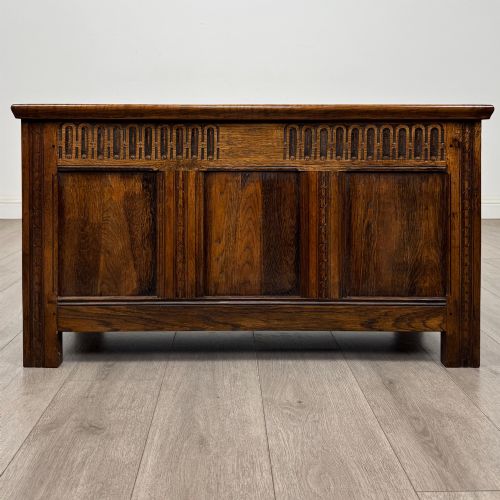
The heavy timber framework typically employs stile and rail construction, holding floating panels that allow the dense wood to expand and contract with the seasons. Many surviving examples carry the rich, dark patination acquired through centuries of wax polishing, handling, and exposure to hearth smoke.
While the phrase brings to mind small lidded caskets, the evidence shows that larger storage chests and coffers dominate the forms available. Alongside these chests, buyers will find occasional writing slopes, document boxes, and settle boxes sharing the same dark oak palette and carved surface treatment.
How they were made
Joiners built these pieces using solid oak boards joined with mortise and tenon joints secured by wooden pegs, known as trenails, rather than modern metal fasteners. The primary decoration relied on hand gouges and chisels to cut strapwork, guilloche patterns, and panels into the stubborn timber.
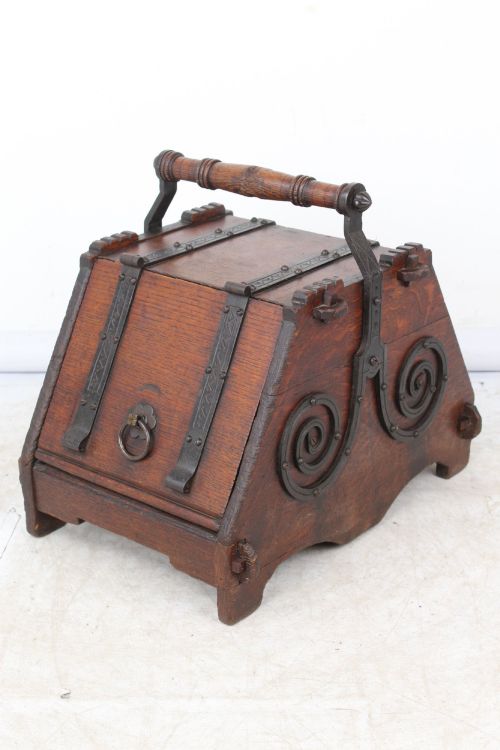
Iron and brass hardware, including HL hinges, strap hinges, and lock plates, was hand-forged by blacksmiths to secure the lids and contents. Surface colour came from natural ageing, repeated applications of beeswax, and occasional dark stains or bituminous finishes applied to deepen the tone of the oak.
In later revival pieces from the nineteenth and twentieth centuries, workshops utilised machine-sawn timber while retaining traditional hand-carved motifs to mimic the earlier centuries. Some examples incorporated mixed inlay woods or simpler panel mouldings to achieve the desired historic appearance.
The listings span from the sixteenth century through to the nineteen-thirties, with the seventeenth and eighteenth centuries forming the core of the inventory.
What varies in quality
The depth and confidence of the carving dictate much of the distinction between standard items and superior examples. Crisp, deeply undercut relief work executed by a skilled hand sits far above shallow, mechanical chip-carving.
Proportion and structural integrity separate honest domestic items from heavily altered pieces. Original floorboards, untouched hinges, and unreplaced lids command greater regard than chests rebuilt from scattered panels or fitted with modern lids.
The Dark Oak Carved Box Glossary
- Coffer
- A heavy wooden chest with a lid, used historically for storing valuables, linen, or documents. Most feature panelled construction and substantial oak framing.
- Stile and rail
- A frame structure in cabinetmaking where vertical stiles and horizontal rails hold a central floating panel. This method prevents the solid oak from splitting as humidity changes.
- Document box
- A small, portable lidded box designed to hold legal papers and letters, frequently fitted with a lock and a till for small valuables.
- Jacobean
- A British design style dating from the early seventeenth century, characterised by rigid symmetry, strapwork, and dark timber. Many later pieces adopted this vocabulary during revival periods.
- Panelled chest
- A storage box constructed by inserting flat or carved wooden panels into a rebated framework rather than nailing boards together at the corners.
Dark Oak Carved Box: Frequently Asked Questions
What were these boxes used for originally?
These wooden boxes served as secure storage for household valuables, legal documents, altar plate, and fine linens before built-in closets became common.
Because they were heavy and fitted with stout iron locks, families relied on them to protect their most prized possessions from theft and fire.
How do I care for dark oak furniture?
Maintain the finish by applying a traditional beeswax polish sparingly and buffing it with a soft brush to preserve the deep natural lustre.
Keep the wood away from direct heat sources and radiators to prevent the dry air from causing the old oak panels to split or warp.
How can I tell a seventeenth century box from a later revival piece?
Early pieces show irregular hand-tool marks, pegged joints, and shrinkage gaps in the timber that reveal genuine age and hand construction.
Revival pieces from the Victorian era or the nineteen-thirties often display uniform machine milling, brighter metalwork, and overly crisp carving without natural wear.
Are these chests suitable for modern living rooms?
Their flat lids and robust construction make them functional coffee tables or window seats that provide hidden storage for blankets and books.
Smaller document boxes and wall-hanging cupboards sit easily on side tables or kitchen walls, adding texture and historical character to a room.