


Dark Metal Urn Planters
Dark metal urn planters bring classical form and heavy metal patination to gardens and rooms, offering enduring utility in bronze and cast iron.
Dark Metal Urn Planters
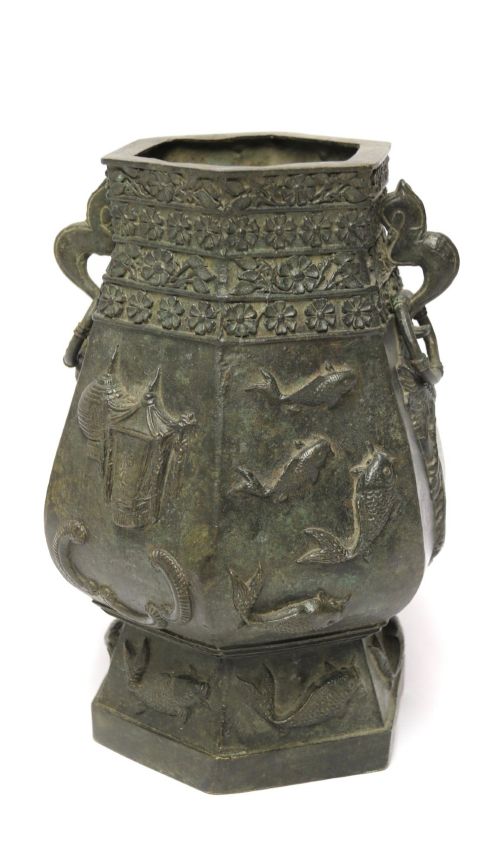
Dark metal urn planters encompass heavy vessels shaped as campana urns, jardinières, and classical vases designed for planting or display. When searching for dark metal urn planters, buyers encounter pieces spanning the nineteenth century, including Victorian, Regency, and Meiji period examples.
The forms originate from European Grand Tour souvenirs and classical revival designs, alongside oriental bronze vessels and French chateau cast iron pieces. These objects serve as garden urns, flower pots, and decorative jardinières in various scales.
How they were made
Foundry techniques utilise cast bronze and cast iron to shape substantial bodies, often finished with patination to achieve dark surfaces. Bronze and patinated bronze predominate alongside durable cast iron.
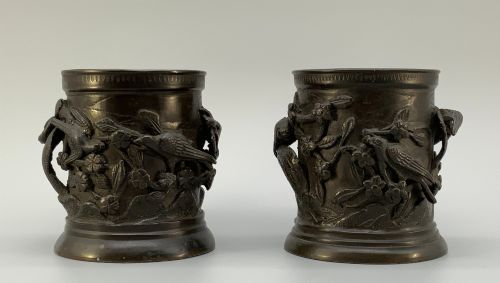
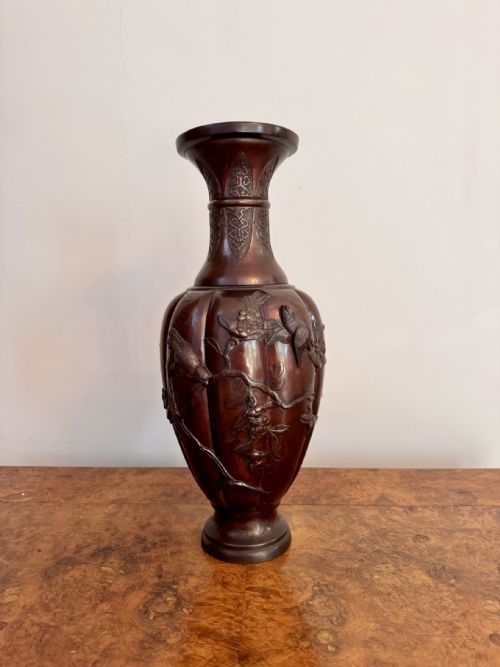
Surface ornament involves cast or chased detail, depicting birds, blossom, and neoclassical motifs after classical models. These methods produce robust vessels designed for long utility.
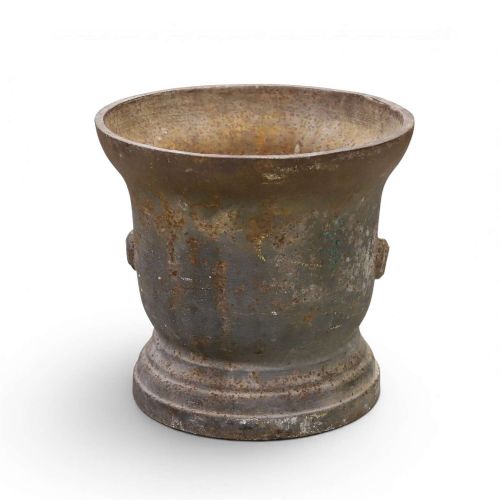
Several pieces double as apothecary mortars, meaning your ferns might sit in an ancient vessel once used for crushing pills.
What varies in quality
Casting definition separates refined work from simpler production, visible in the crispness of classical friezes, handles, and botanical relief. Heavier metal weight and thoughtful proportions distinguish the finer examples.
Patination depth and the integrity of the original metal surface dictate the visual presence of each piece over time.
The Dark Metal Urn Planters Glossary
- Campana
- A bell-shaped vessel form popular in classical antiquity and revived during the neoclassical period. These pots feature flared rims and tapered lower bodies.
- Grand Tour
- A traditional trip through Europe undertaken by upper-class travellers in the eighteenth and nineteenth centuries. Souvenirs included miniature bronze antique replicas.
- Jardiniere
- An ornamental pot or stand designed to hold growing plants or flowers. They appear in bronze and iron across various nineteenth-century styles.
- Warwick Vase
- A famous Roman marble vase discovered at Hadrian's Villa, reproduced in bronze during the nineteenth century. These scale models feature mascarons and vine-leaf ornamentation.
- Meiji Period
- A Japanese historical era lasting from 1868 to 1912. Metalwork from this time demonstrates advanced bronze casting and patination.
Dark Metal Urn Planters: Frequently Asked Questions
Where should I place a bronze urn planter?
These heavy metal vessels suit sheltered garden locations, terraces, and interior tabletops where their dark patination contrasts with greenery.
Ensure the placement accommodates the substantial weight of bronze or cast iron, particularly when filled with soil and plants.
How do I identify a Grand Tour bronze?
Grand Tour pieces typically date from the nineteenth century and replicate famous classical monuments, such as the Warwick Vase or Italian architectural urns.
They are cast in bronze with dark patination, reflecting the taste of European travellers collecting antiquities.
Can these planters stay outside in winter?
Cast bronze and iron vessels generally withstand outdoor conditions, though freezing water in soil-filled pots can strain metal and affect patination.
Protecting sensitive pieces during severe frost preserves the historic surface finish.
What is the difference between an urn and a jardiniere?
Urns traditionally feature footed bases and narrower necks often associated with classical display, while jardinieres offer broader bowls specifically proportioned for holding plants.
Both forms utilise similar dark metal casting techniques across nineteenth-century European and Japanese workshops.