
Dark Mahogany Tier Stand
A dark mahogany tier stand offers stacked surfaces for display and storage, bringing rich timber grain and period utility to any room.
Dark Mahogany Tier Stand
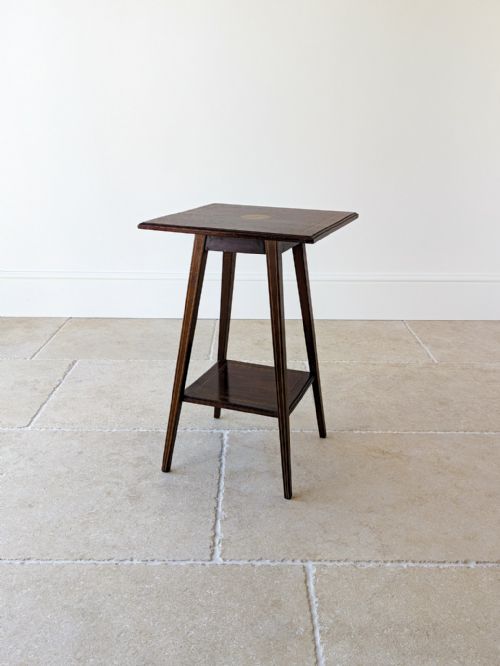
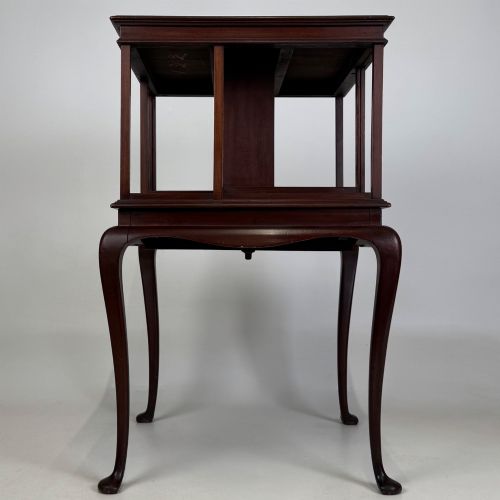
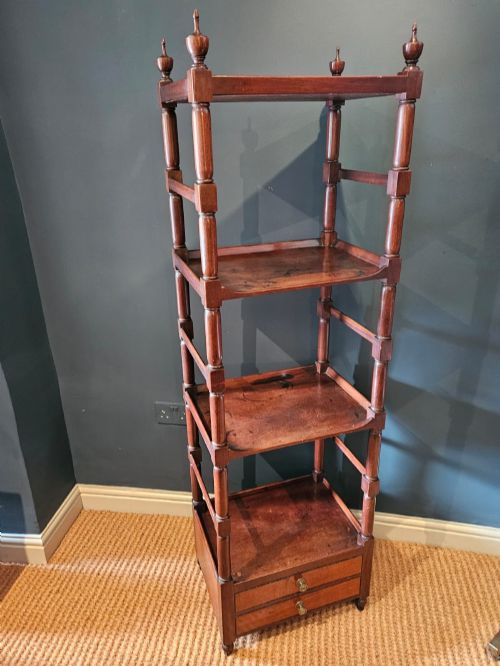
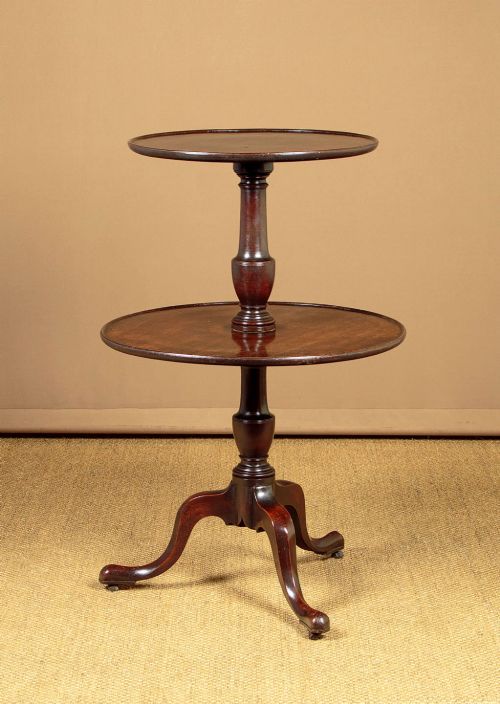
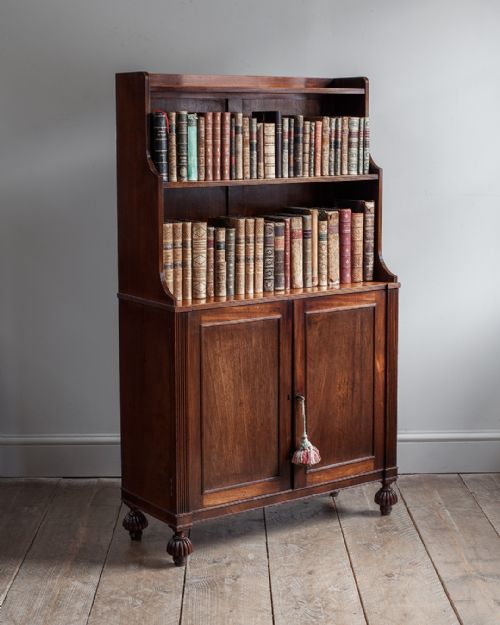
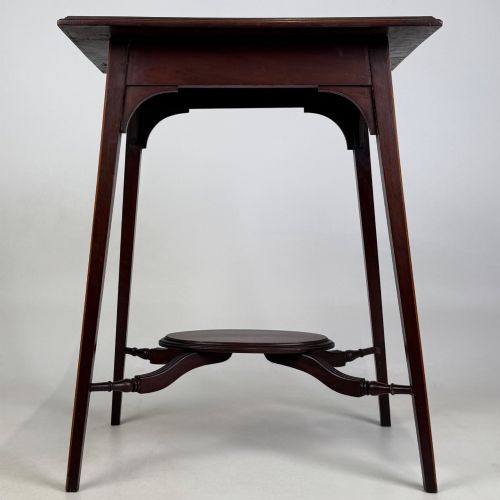
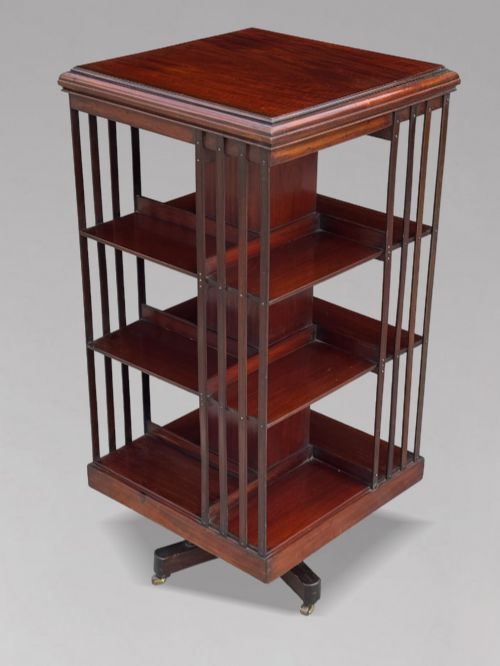
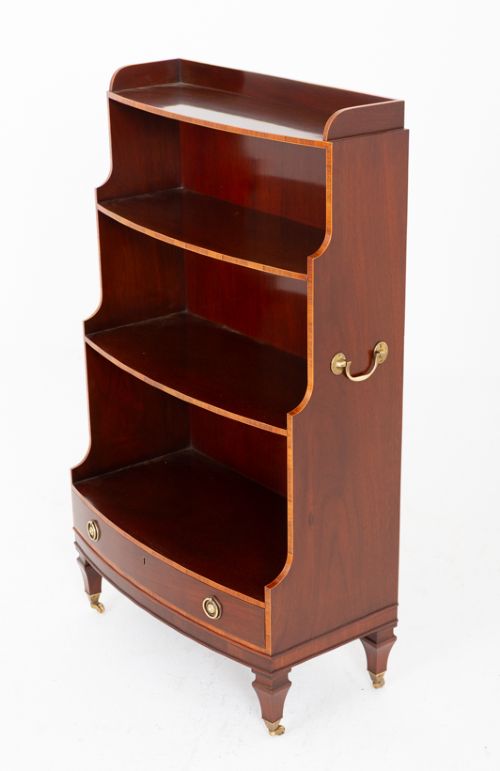
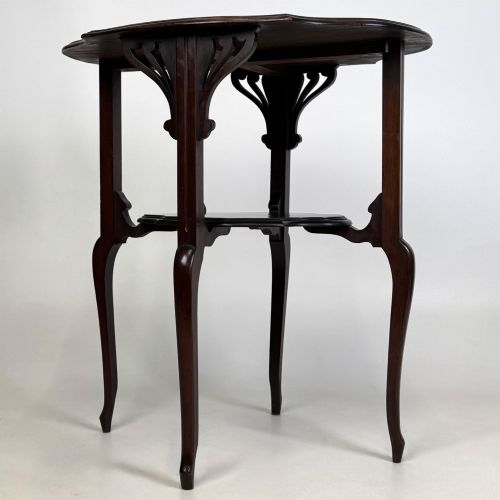
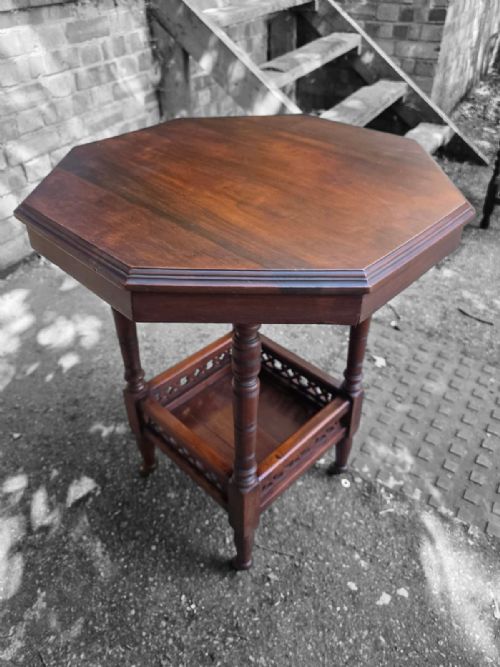
When you search for a dark mahogany tier stand, you look at multi-level furniture designed for practical display across several historical periods. The examples found here span from the 18th century and Georgian eras through Regency, Victorian, and Edwardian times, manifesting in diverse forms such as whatnots, bookcases, dumb waiters, and occasional tables.
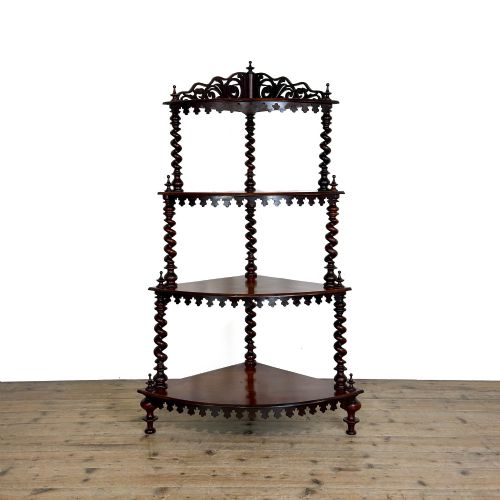
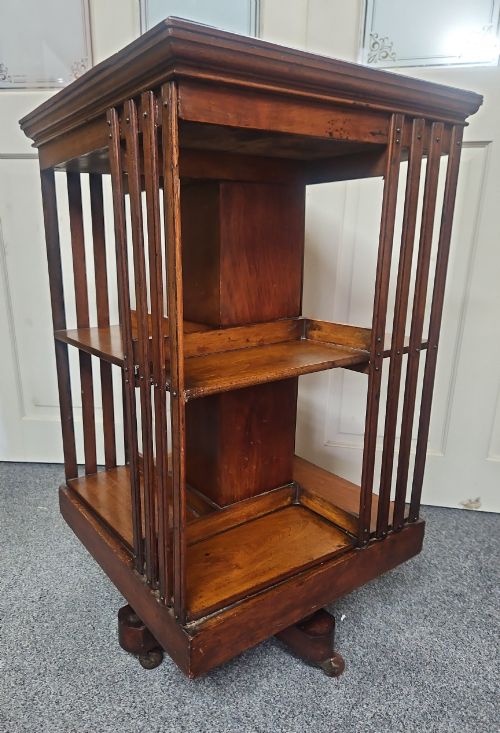
The most common formats on this page include four-tier whatnots, revolving bookcases, and tiered lamp tables. These multi-shelf pieces reflect domestic habits of the past, providing dedicated tiers for books, ornaments, and service items while utilising vertical space economically.
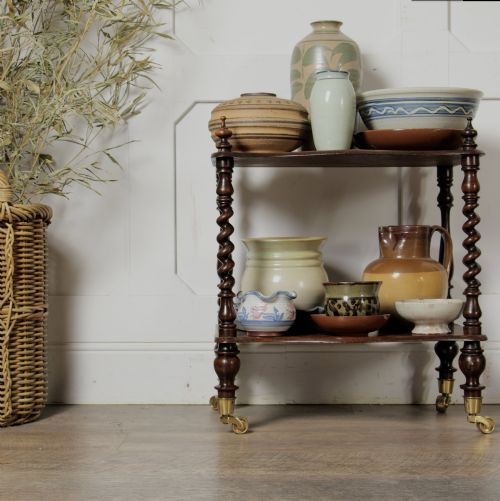
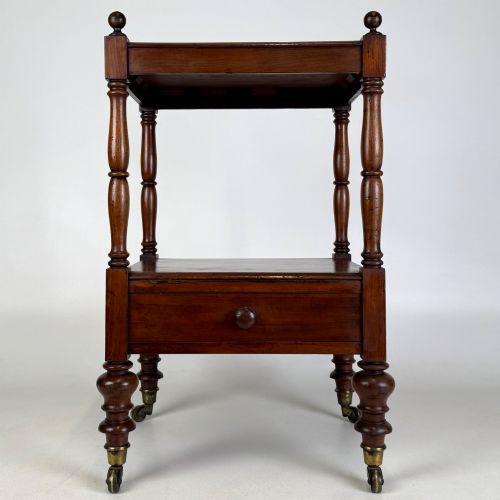
Originating largely from Georgian and Victorian workshops, these stands demonstrate how cabinet makers met the demand for multi-functional room furniture. A buyer encounters pieces ranging from simple three-tier dumb waiters to elaborate Sheraton Revival inlaid stands and barley twist designs.
How they were made
Construction relies heavily on mahogany, often accented with secondary timbers like satinwood and boxwood for inlay work. Workshops combined solid timber for structural uprights and turned legs with matched veneers for shelves and tabletops.
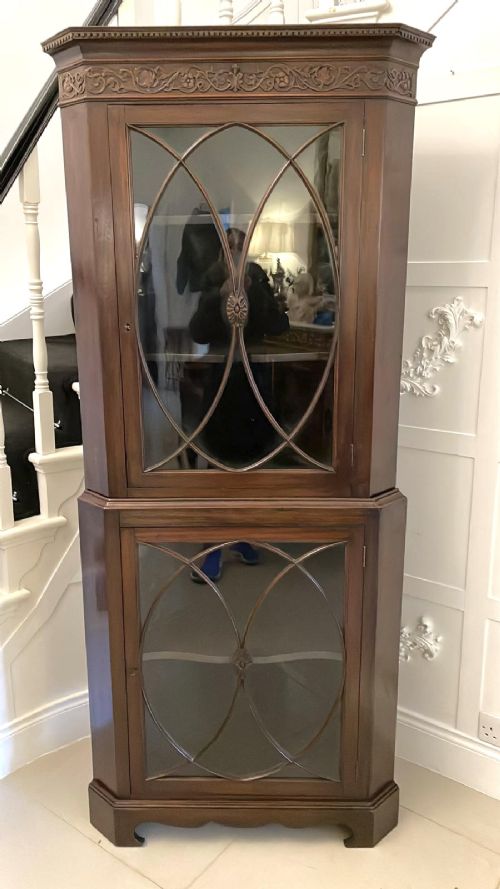
Metal components such as brass castors and iron fittings appear on mobile pieces like dumb waiters and trolleys to facilitate movement across floor surfaces. Glass elements are occasionally integrated into glazed cabinet doors on related tiered storage forms.
Joinery methods include traditional dovetails, turned spindles, and fine corner brackets to support multiple tiers securely. Inlaid details involve meticulous hand-cutting of contrasting light woods into the dark mahogany ground.
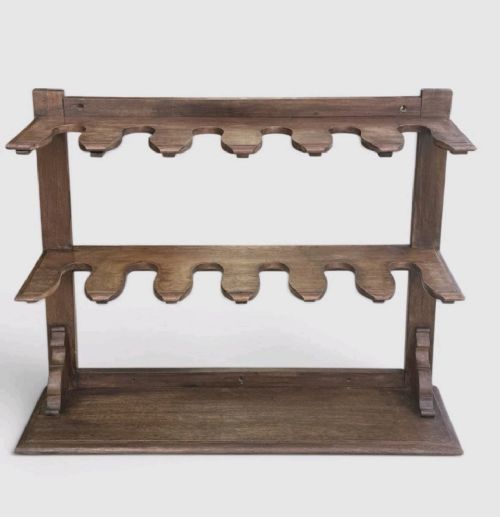
Several stands double as boot racks, proving that Victorians found a tiered solution for muddy footwear.
What varies in quality
The distinction between standard utility items and finer pieces rests upon timber selection and the crispness of cabinet work. Superior examples display tightly grained mahogany with rich natural colour, alongside precise turning on uprights and columns.
Refinement in secondary details, such as delicate boxwood and satinwood stringing, hand-carved mouldings, and original brass hardware, elevates a piece above basic production. The structural rigidity of stacked tiers under weight also marks the competence of the original maker.
Gillows
The Dark Mahogany Tier Stand Glossary
- Whatnot
- A set of open shelves for displaying ornaments, books, or china, typically with three or four tiers supported by slender uprights.
- Dumb waiter
- A tiered side table with revolving or stationary circular trays, traditionally used in dining rooms for holding food and tableware.
- Torchere
- A tall, slender stand designed to hold a candle, lamp, or decorative urn, usually featuring a single small top surface.
- Astragal
- A small semi-circular moulding used in glazing bars to hold individual panes of glass within a cabinet door.
- Stringing
- A narrow strip of contrasting wood inlaid flush into the surface of a piece to create decorative borders and linear patterns.
Dark Mahogany Tier Stand: Frequently Asked Questions
What is a dark mahogany tier stand used for?
These pieces serve primarily as multi-level surfaces for displaying books, decorative objects, and lamps in living spaces and hallways.
Historically, specific forms like dumb waiters assisted with dining service, while whatnots held curated collections of ornaments.
How do I identify a Georgian tier stand?
Georgian pieces display proportions and construction methods characteristic of the 18th and early 19th centuries, often featuring solid mahogany timber and restrained classical detailing.
They frequently take the form of dumb waiters or early whatnots with simple turned supports and tripod bases.
How do I care for mahogany tier furniture?
Keep the timber away from direct heat sources and strong sunlight to prevent the dark mahogany finish from fading or drying out over time.
Dust the tiers regularly with a soft, dry cloth and apply a quality wax sparingly to maintain the natural lustre of the wood.