


Dark Mahogany Tea Box
A dark mahogany tea box brings rich timber grain and period craftsmanship into a room, offering both practical storage and striking historic presence.
Dark Mahogany Tea Box
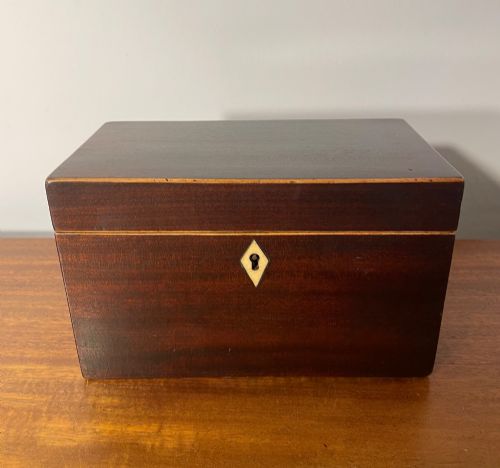
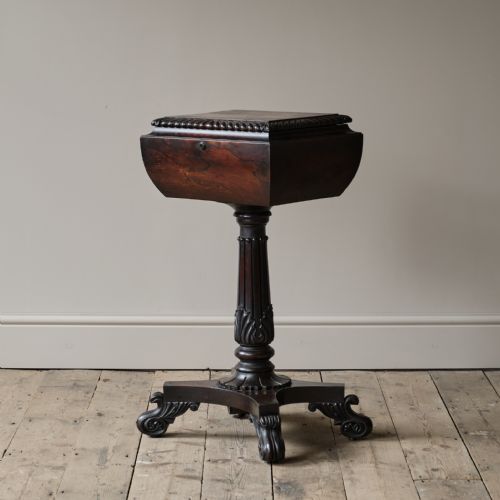
A dark mahogany tea box represents a refined class of domestic containers designed to secure precious tea leaves in the eighteenth and nineteenth centuries. These items range from compact caddies intended for the tabletop to substantial freestanding teapoys mounted on pedestals or stands. Most examples encountered here date from the Georgian, Regency, and Victorian eras, showcasing deep reddish-brown timber tones.
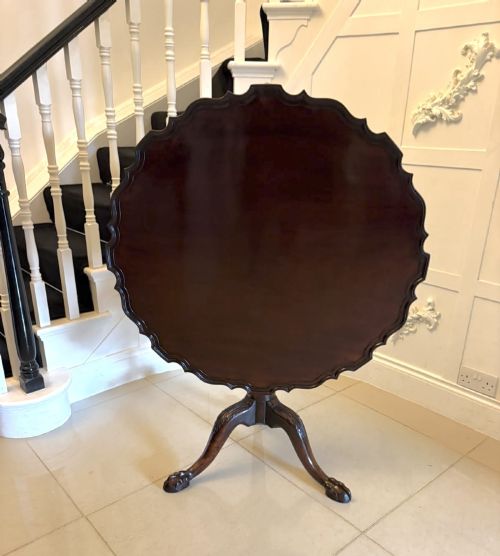
The forms vary from simple rectangular boxes with drawers to elaborate sarcophagus shapes featuring internal mixing bowls and compartments. Alongside standard tea caddies, the selection includes related items such as display cabinets, miniature sideboards, and centre tables that share the same dark mahogany aesthetic. Collectors select these pieces for their architectural proportions and polished wood surfaces.
How they were made
Cabinetmakers constructed these pieces primarily using solid mahogany and wood veneer over secondary timbers, often embellishing the exterior with intricate boxwood inlay and brass fittings. Many interiors incorporate delicate bone escutcheons and glass mixing bowls, demonstrating a high level of multi-material assembly. Structural joinery relied on precise dovetailing to ensure stability across lids, bases, and internal compartments.
Surface finishing involved careful polishing to draw out the natural grain patterns of the dark wood, sometimes paired with carved details or piecrust edges. Certain grander specimens feature specialised architectural elements such as sarcophagus lids or miniature sideboard configurations. These techniques reflect the rigorous standards of nineteenth-century workshops and regional cabinetmakers.
Early tea boxes required locks because tea was once far more valuable than gold by weight.
What varies in quality
Quality in a dark mahogany tea box rests upon the crispness of the timber carving, the integrity of the veneer work, and the original condition of internal fittings. Superior examples display tightly figured mahogany grain, precise boxwood stringing, and intact brass handles or feet that match the period of manufacture. Lesser pieces may show simplified construction or replaced hardware that alters the original profile.
The sophistication of the internal layout also distinguishes finer items, particularly those retaining original glass mixing bowls, bone details, and functioning locks with matching keys. Workshop attribution adds distinction, as seen in pieces bearing maker stamps or strong stylistic markers associated with notable cabinetmakers. The overall visual balance between timber depth and decorative restraint dictates the standing of each piece.
Gillows
The Dark Mahogany Tea Box Glossary
- Tea caddy
- A small container or box specifically built for storing loose tea leaves securely. They often featured locked lids to protect the expensive contents.
- Teapoy
- A freestanding piece of furniture comprising a tea box mounted on a central pillar or tall legs. They frequently included internal compartments for multiple teas and mixing bowls.
- Sarcophagus form
- A monumental box style featuring a stepped, domed lid resembling an antique stone sarcophagus. This shape became popular during the Regency period.
- Veneer
- A thin layer of fine mahogany applied over a secondary wood base to provide decorative grain patterns. This technique allowed makers to utilise striking timber figures efficiently.
Dark Mahogany Tea Box: Frequently Asked Questions
What is a dark mahogany tea box?
A dark mahogany tea box is a historic lidded container built to store and preserve dry tea leaves safely away from moisture and light.
These pieces range from small tabletop caddies to larger freestanding teapoys incorporating mixing bowls and interior compartments.
How were these boxes used?
Households used them in formal reception rooms where the mistress of the house dispensed expensive tea leaves under lock and key.
The interior compartments allowed different tea varieties to be kept separate, while central glass bowls were used for blending leaves or holding sugar.
How do I date a tea box?
Dating relies on examining the timber construction, interior layout, hardware styles, and overall architectural form. Georgian pieces often show simpler rectangular outlines, whereas Regency examples favour sarcophagus shapes and bolder brass mounts.
Where should I place a teapoy?
A teapoy suits a living room or study where its rich mahogany surfaces and compact proportions can be appreciated up close. Placing it away from direct sunlight protects the timber polish and prevents the wood veneers from drying out.