



Dark Iron Coffer
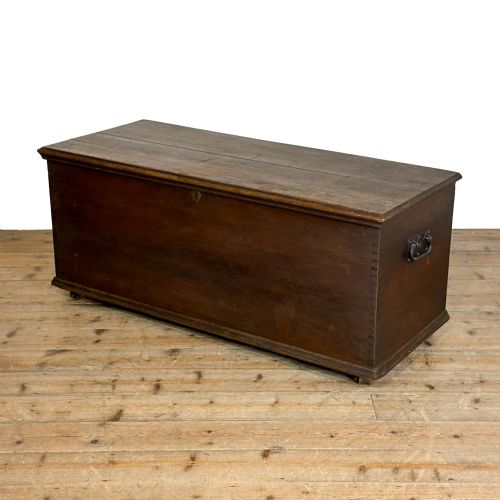
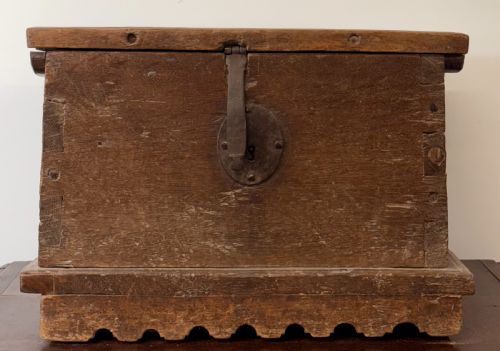
When you handle a dark iron coffer, you hold centuries of heavy metalwork and stout timber built to secure valuables on the move or at home.
Dark Iron Coffer
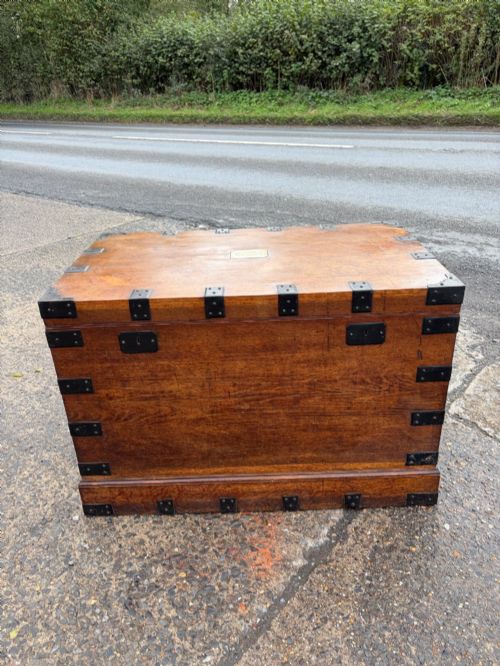
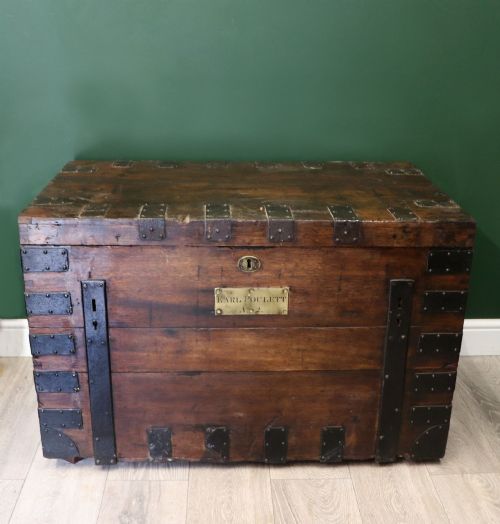
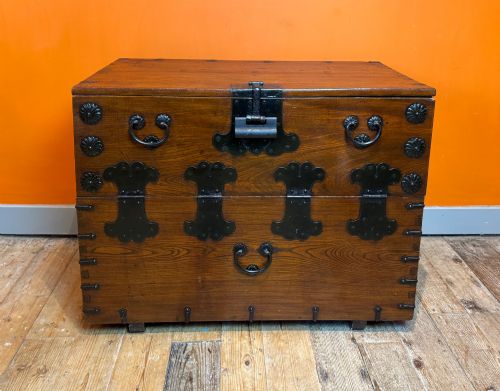
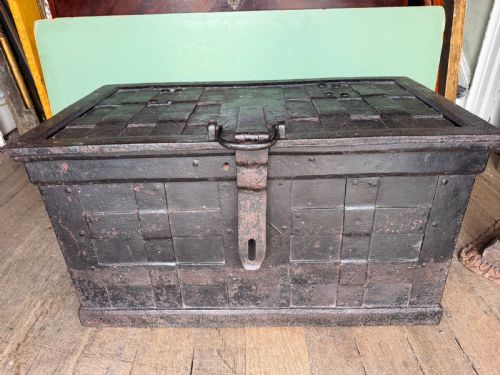
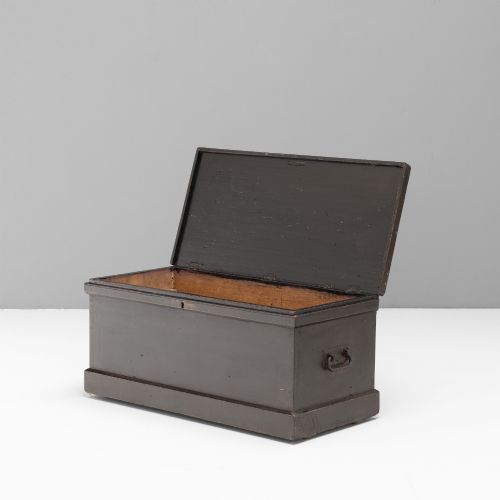
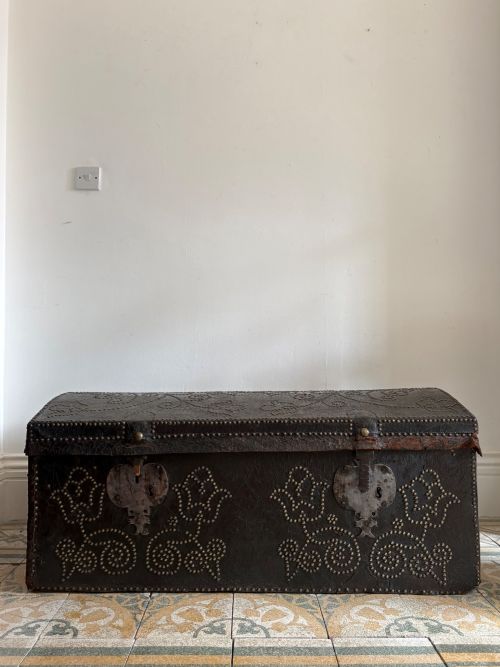
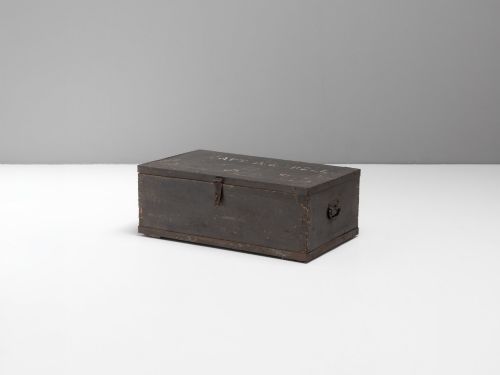
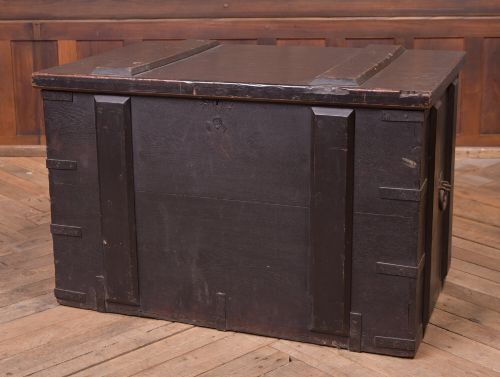
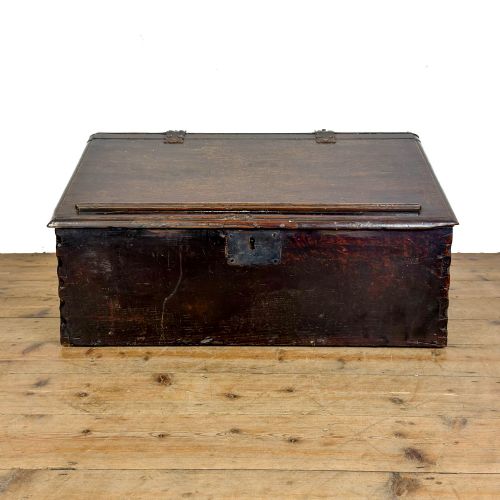
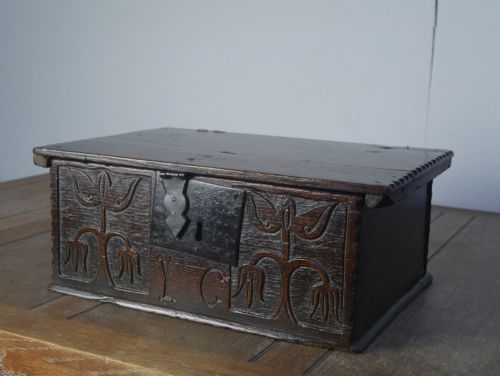
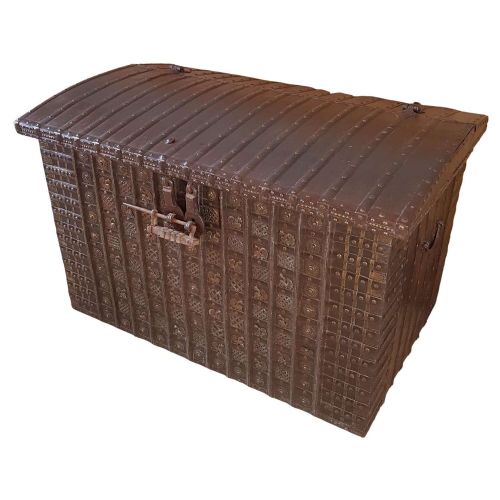
A dark iron coffer brings together heavy security boxes, strong-boxes and iron-bound chests dating from the sixteenth century up to the nineteenth century. These items include sixteenth-century Nuremberg caskets and strong-boxes alongside seventeenth-century oak coffers and nineteenth-century iron-bound silver chests.
The pieces on this page span diverse origins including German, Flemish, English, Dutch, Swedish and Indian workshops. Formats range from dome-top trunks and travelling strong-boxes to campaign chests and folk art marriage boxes.
How they were made
Makers utilised sturdy timbers such as oak, pine, teak, walnut and chestnut as the structural body for these boxes and chests. These wooden carcasses were frequently reinforced with wrought iron bands, brass accents, steel binding, or leather studding.
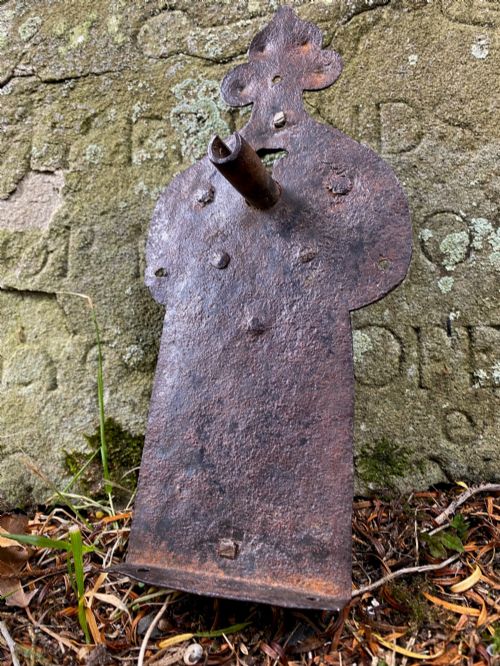
Early strong-boxes incorporated complex internal iron lock mechanisms mounted beneath the lid, while later campaign and silver chests relied on robust exterior strapwork and heavy carry handles for transport.
Dark Iron Coffer Retail Price Guide 2026
Typical asking prices for dark iron coffer among the pieces listed under this phrase on Sellingantiques today, from the lower quarter to the upper quarter. They describe what is for sale here now, not the wider market.
Some seventeenth-century strong-boxes hid their keyholes beneath cunning spring-loaded false panels to outwit sticky-fingered apprentices.
What varies in quality
The distinction between ordinary utility storage and a superior piece lies in the complexity of the ironwork and the integrity of the original locking mechanisms. Elaborate engraved steel lock plates inside a Nuremberg coffer demand significantly higher craftsmanship than standard strap hinges on a domestic pine box.
Surface preservation also dictates worth, distinguishing untouched patinated timber and original folk art paint from later replacement boards and stripped surfaces.
The Dark Iron Coffer Glossary
- Strong-box
- A heavily reinforced security chest designed to protect valuables, money or documents against theft and fire. These usually feature intricate iron locking mechanisms.
- Coffer
- A timber chest traditionally used for storing precious items, often strengthened with iron bands or straps. Early examples frequently date to the sixteenth and seventeenth centuries.
- Silver chest
- A heavy storage box lined to protect table silver, typically constructed from oak and bound in iron or steel. Retailers from the Victorian era onward often supplied these for domestic households.
- Campaign trunk
- A portable storage box made for military officers or travellers on active service. They incorporate sturdy handles and durable construction for rough transport.
- Nuremberg casket
- A specialised German iron lock box produced for export, known for complex lid mechanisms operated by concealed keyholes.
Dark Iron Coffer: Frequently Asked Questions
What is a dark iron coffer used for?
Historically, these heavily reinforced containers secured coinage, bullion, legal deeds and precious plate against theft or fire. Owners kept them in domestic chambers, merchant offices or aboard travelling carriages.
Today, collectors utilise them as statement storage pieces in hallways or living rooms for blankets, books or modern valuables.
How do I date an early iron-bound chest?
Dating relies on examining the construction methods of the timber frame, hand-forged iron strapwork style, and lock mechanism complexity. Sixteenth and seventeenth-century pieces display pegged oak joinery and simple hand-beaten iron.
Later nineteenth-century examples often feature machine-cut screws, standardised brass fittings, and commercial silver chest linings.
Are these chests suitable for daily use?
Most of these pieces remain structurally robust enough for everyday storage, provided the timber and ironwork are treated with care. Heavy oak and iron-bound silver chests easily support weight as coffee tables or blanket boxes.
Delicate folk art painted boxes or intricate Nuremberg strong-boxes require more gentle placement away from direct sunlight and moisture.
How do I maintain iron-bound wood?
Maintenance involves keeping the timber nourished with appropriate wax while protecting the iron elements from dampness. Regular dusting and stable room humidity prevent the wood from shrinking around the metal straps.
Avoid harsh chemical cleaners on patinated surfaces or historical lock plates to preserve the original finish.